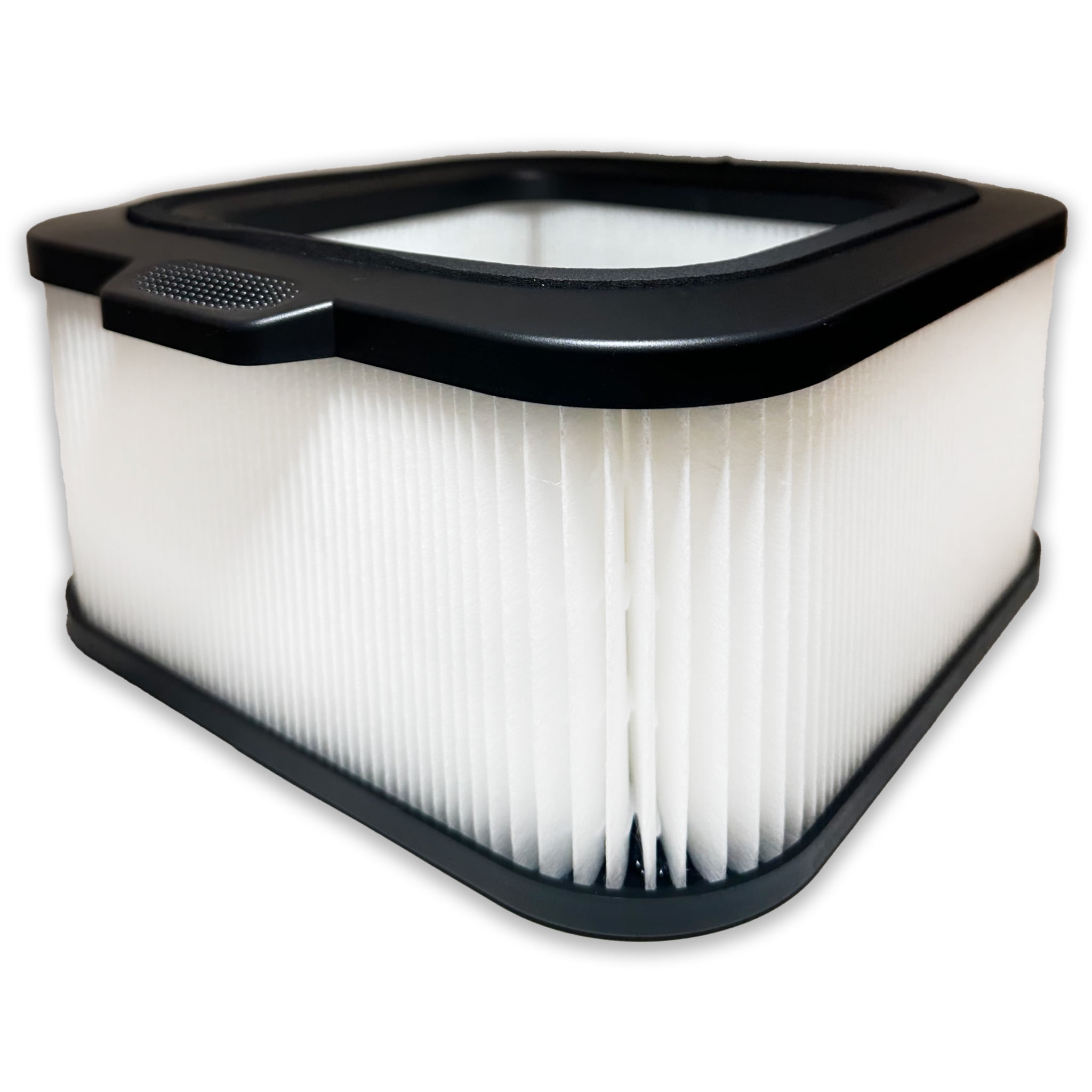
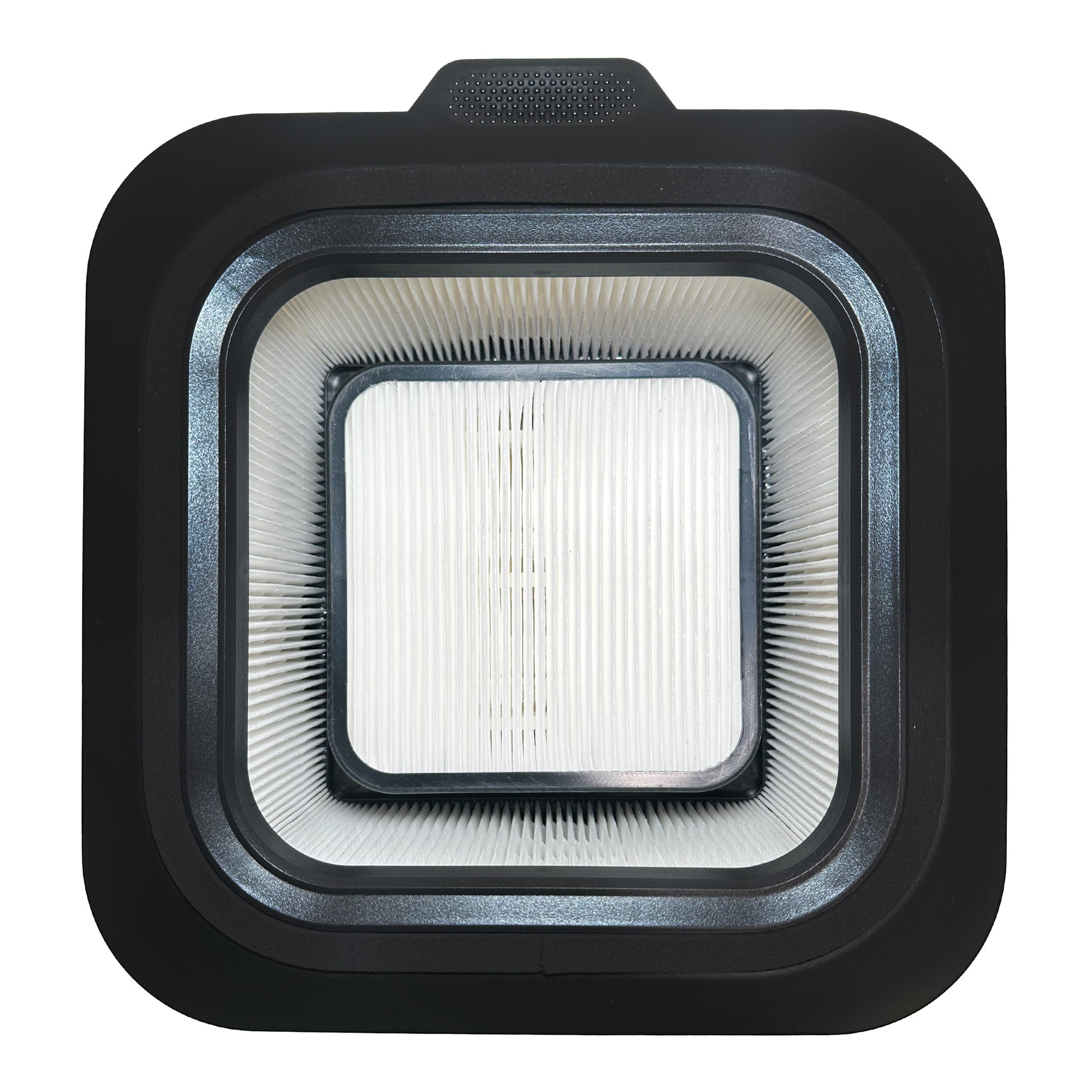
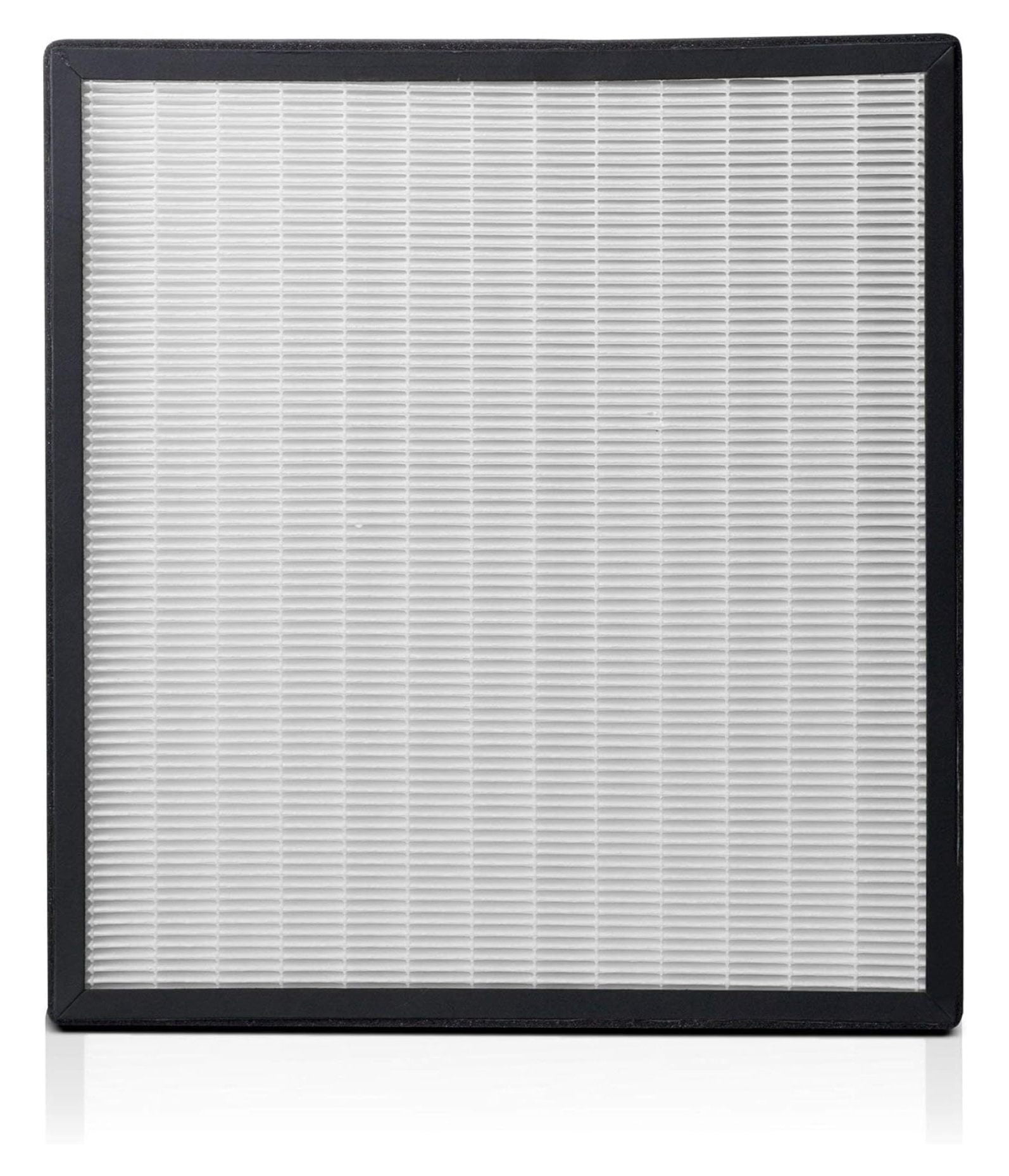
To effectively capture black mold spores, you must use an air filter rated HEPA (High-Efficiency Particulate Air) for portable purifiers or a MERV 13 rating or higher for HVAC systems. While these filters trap airborne spores and prevent them from spreading, they do not eliminate the underlying moisture source causing the mold growth.
The presence of black mold (Stachybotrys chartarum) in a home or office is more than an aesthetic nuisance; it is a significant indoor air quality (IAQ) concern. Because black mold releases microscopic spores and secondary metabolites known as mycotoxins, the strategy for management must involve high-precision filtration. As of 2026, advances in synthetic fiber technology and low-pressure-drop materials have made high-efficiency filtration more accessible for standard residential systems. However, choosing the wrong filter can either fail to protect your health or cause mechanical damage to your heating and cooling equipment.
Understanding Black Mold Spores and Filtration Needs
Black mold is a toxigenic fungus that thrives in excessively moist environments, such as areas with chronic water leaks or high humidity. The primary danger to inhabitants comes from the inhalation of spores. These spores typically range in size from 3 to 12 microns, though fragments of mold and associated mycotoxins can be smaller than 0.1 microns.
Standard fiberglass filters, often found in older homes, are designed primarily to protect the HVAC machinery from large dust bunnies and hair; they do almost nothing to capture mold spores. To address black mold, the filtration media must be dense enough to intercept tiny biological particles while maintaining enough airflow to keep the environment ventilated.
The Mechanism of Spore Capture
Air filters capture particles through four primary mechanisms:
- Sieving: Large particles get stuck between fibers.
- Impaction: Heavy particles veer off the airstream and hit a fiber.
- Interception: Mid-sized particles follow the air current but pass close enough to a fiber to stick.
- Diffusion: The smallest particles move erratically (Brownian motion) and eventually collide with fibers.
For black mold, interception and diffusion are the most critical mechanisms, which is why high-efficiency ratings are non-negotiable.
HVAC Filters: Navigating MERV Ratings for Mold
The Minimum Efficiency Reporting Value (MERV) is the industry standard for measuring an air filter's effectiveness. The scale ranges from 1 to 20. For black mold mitigation within a central air system, the selection must be precise.
Why MERV 13 is the Standard for 2026
In 2026, building health guidelines and ASHRAE (American Society of Heating, Refrigerating and Air-Conditioning Engineers) recommendations emphasize MERV 13 as the baseline for residential "health-grade" air.
- MERV 8-11: These filters capture some mold spores but allow a significant percentage (up to 50% or more of smaller particles) to pass through and recirculate.
- MERV 13: This is the "sweet spot." It is designed to capture at least 90% of particles in the 3-10 micron range (standard mold spores) and over 50% of particles in the 0.3-1.0 micron range (mold fragments and bacteria).
- MERV 14-16: These provide even higher efficiency, often used in hospitals. However, they are thicker and create more resistance, which can strain residential HVAC blowers.
The Risk of Pressure Drop
A common mistake is installing a high-MERV filter without checking the HVAC system's capacity. High-efficiency filters are denser, creating a "pressure drop." If the air resistance is too high, the system's motor must work harder, leading to increased energy bills and potential mechanical failure. Before upgrading to a MERV 13 or 16 filter for mold control, verify that your system is rated for the added static pressure. Many 2026-model HVAC units come with variable-speed motors designed to handle these loads, but older units may require a professional assessment.
Portable Air Purifiers: The Role of HEPA
While HVAC filters protect the entire house, portable air purifiers are often necessary for localized black mold outbreaks or for residents with heightened sensitivities. For these units, the HEPA (High-Efficiency Particulate Air) standard is the gold-tier requirement.
True HEPA vs. HEPA-Type
It is vital to distinguish between marketing terms.
- True HEPA (H13 or H14 Grade): These filters are certified to capture 99.97% of particles as small as 0.3 microns. Because black mold spores are much larger than 0.3 microns, a True HEPA filter is virtually 100% effective at removing airborne spores that enter the unit.
- HEPA-Type or HEPA-Like: These are non-certified filters that may look like HEPA but lack the same efficiency testing. They may only capture 85-90% of particles and are generally insufficient for active mold remediation.
The Necessity of Activated Carbon
Black mold is often accompanied by a "musty" odor caused by Microbial Volatile Organic Compounds (mVOCs). Standard HEPA filters trap physical particles but cannot stop gases or odors. To address the smell and potential mycotoxin vapors, look for an air purifier that combines a True HEPA filter with a substantial activated carbon stage. The carbon uses adsorption to chemically bond with gas molecules, neutralizing the odor.
Comparing Filter Types for Black Mold Control
The following table compares the most common filtration options available in 2026 for addressing airborne mold spores.
| Filter Type | Efficiency (3-10 Microns) | Mold Spore Capture | Odor Removal | Best Use Case |
|---|---|---|---|---|
| Fiberglass (MERV 1-4) | <20% | Very Poor | No | Protecting HVAC equipment only. |
| Pleated Cotton (MERV 8) | 70-85% | Moderate | No | General dust control in low-risk homes. |
| High-Efficiency (MERV 13) | >90% | Excellent | No | Standard residential mold prevention. |
| Medical Grade (MERV 16) | >95% | Superior | No | Severe allergies or post-remediation. |
| True HEPA (H13) | 99.97% | Total Capture | With Carbon | Localized high-risk rooms (bedrooms). |
Practical Steps for Using Air Filters Against Mold
An air filter is a component of a solution, not the entire solution. If you have confirmed black mold, follow these operational steps to ensure the filter performs its job correctly.
1. Fix the Moisture Source First
No amount of filtration can keep up with an active, growing mold colony. Mold requires moisture, food (cellulose), and warmth. Before relying on a filter, repair pipe leaks, seal basement cracks, and use dehumidifiers to keep indoor humidity below 50%. According to the Environmental Protection Agency (EPA), moisture control is the only way to prevent mold growth permanently.
2. Strategic Placement of Purifiers
If using a portable HEPA unit, place it in the "breathing zone" of the affected room. Avoid placing it in corners or behind furniture where airflow is restricted. The unit should have a Clean Air Delivery Rate (CADR) that matches or exceeds the square footage of the room. In 2026, most high-end purifiers include laser particle sensors that automatically increase fan speed when they detect a spike in airborne spores.
3. Safe Filter Replacement
A filter used in a mold-affected environment becomes a concentrated reservoir of spores. Replacing it improperly can release a "cloud" of mold back into the air.
- Wear Protection: Always wear an N95 respirator and gloves when changing the filter.
- Bag the Filter: Carefully remove the old filter and immediately place it in a plastic trash bag. Seal the bag with tape while still inside the room.
- Vacuum the Housing: Use a HEPA-vacuum to clean the filter slot or purifier housing before inserting the new filter.
4. Frequency of Changes
In a mold-impacted environment, filters clog faster. While a standard MERV 13 filter might last 90 days in a clean home, it may need replacement every 30 to 45 days during an active mold situation or remediation project. Monitor for a "dirty" smell or reduced airflow from your vents.
Beyond Filtration: When to Call a Professional
Air filters are designed to handle airborne spores. They cannot remove mold that is physically embedded in drywall, insulation, or carpeting. If the area of black mold growth is larger than 10 square feet (roughly a 3x3 foot patch), the Centers for Disease Control and Prevention (CDC) recommends hiring a professional mold remediation specialist.
Professionals use "negative air machines," which are essentially industrial-strength HEPA filters that exhaust air outside the building, creating a vacuum that prevents spores from escaping the work area. Attempting to filter a large-scale infestation with a standard home air purifier can lead to cross-contamination of other rooms.
Frequently Asked Questions
Does an air filter kill black mold?
No, standard air filters do not kill mold; they trap it. The spores remain viable while stuck in the filter media. This is why proper disposal is critical. Some filters utilize UV-C light or silver ion coatings intended to neutralize biological agents, but the primary mechanism of protection remains physical capture.
Can I wash a MERV 13 or HEPA filter to save money?
No. High-efficiency filters are made of delicate, densely woven synthetic or glass fibers. Washing them destroys the intricate structure of the media and removes the electrostatic charge that helps trap small particles. Always replace these filters with new, certified units.
Will a MERV 13 filter make my electricity bill go up?
Possibly. Because MERV 13 filters are more restrictive than low-efficiency filters, your HVAC fan may need to run longer or harder to move the same volume of air. However, in most modern systems (post-2020), the increase in energy consumption is negligible compared to the health benefits of cleaner air.
Is "Black Mold" more dangerous than other molds for filters?
From a filtration standpoint, the species doesn't matter much. Whether it is Stachybotrys (black mold) or Aspergillus, the spore sizes are similar. However, black mold is prioritized in filtration discussions because of its potential to produce mycotoxins, which necessitate the use of activated carbon alongside HEPA filtration to manage chemical byproducts.
How do I know if my filter is actually working?
The most reliable method is using a handheld Laser Particle Counter. By measuring the air entering the filter and the air exiting the vent, you can calculate the efficiency. Alternatively, many 2026 smart home systems integrate IAQ monitors that provide real-time data on PM2.5 (fine particulate matter) levels.
Final Recommendation
For immediate protection against black mold spores, upgrade your HVAC filter to a MERV 13 and supplement the most-used rooms (like bedrooms) with a True HEPA portable air purifier. Ensure the purifier includes an activated carbon filter to handle mycotoxins and odors. Remember that filtration is a secondary defense; the primary solution must always be the total removal of the mold source and the permanent elimination of excess moisture.