Securing a $10,000 whole life insurance policy through AIG (American International Group) online requires navigating the company's current digital distribution channels, which primarily facilitate small-face-amount policies often classified as final expense or simplified issue life insurance. Consumers can typically initiate these applications through AIG’s authorized direct-to-consumer portals, provided they meet specific age and residency eligibility requirements.
Defining the Scope of $10,000 Whole Life Insurance
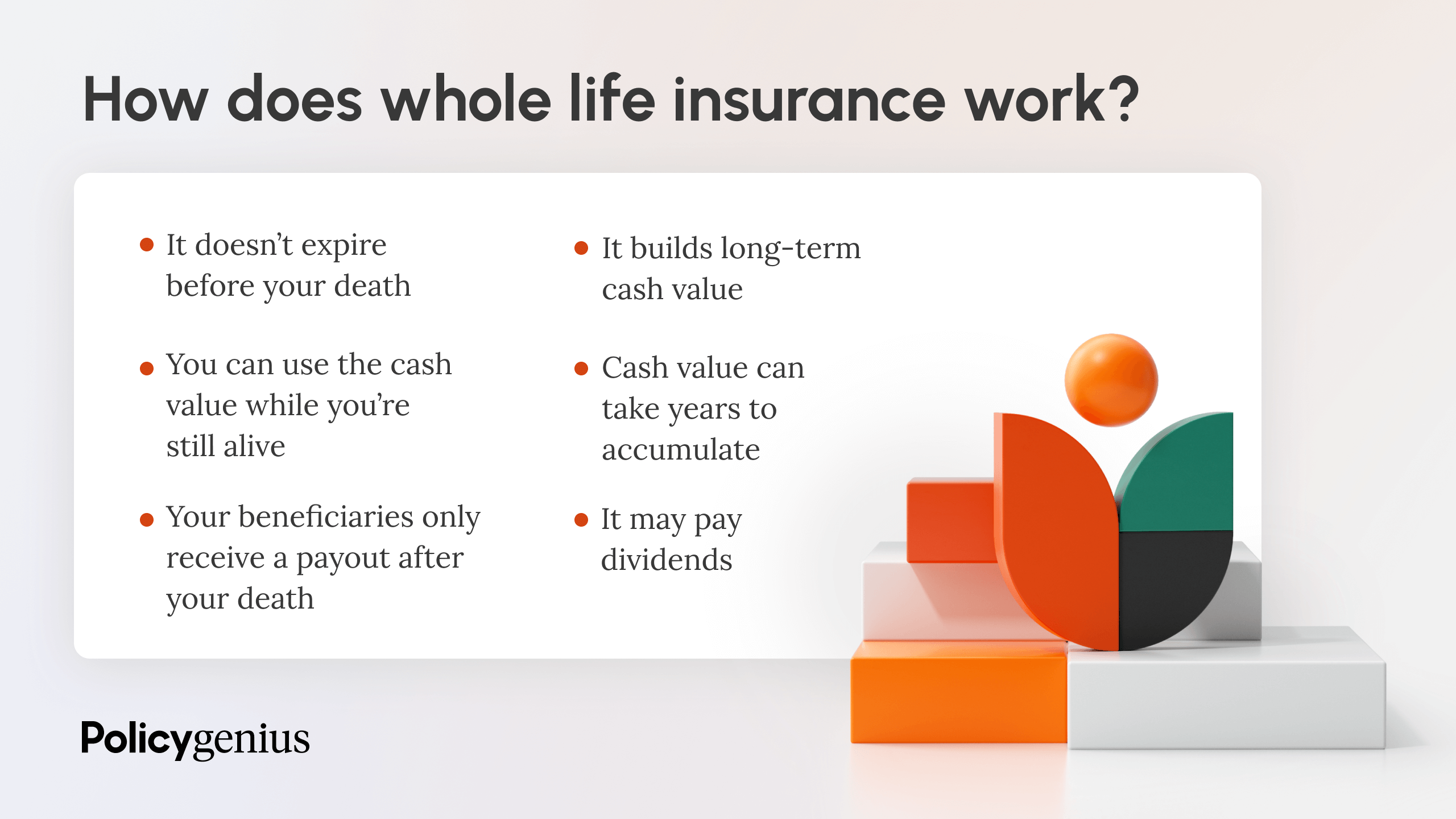
Whole life insurance is a form of permanent coverage that remains in effect for the duration of the policyholder's life, provided that the required premiums are paid. Unlike term life insurance, which expires after a set period, whole life policies include a cash value component that grows over time.
When an individual searches for a $10,000 policy—often referred to as a "small-face-amount" or "final expense" policy—the primary objective is usually to cover immediate post-mortem costs. These costs include funeral arrangements, burial or cremation fees, and outstanding medical bills. By purchasing a $10,000 policy, the policyholder ensures that their surviving family members or estate possess a dedicated pool of liquidity to manage these specific financial obligations without having to liquidate other assets or use high-interest credit.
In the context of AIG, policies offered for lower face amounts are frequently part of their "simplified issue" product suite. This means the underwriting process is streamlined, often relying on health questions rather than a rigorous medical examination.
Eligibility and Digital Application Process
To apply for an AIG whole life policy online for a $10,000 death benefit, you must first confirm that you meet the base eligibility criteria. AIG typically restricts these products to specific age brackets—often ranging from 50 to 85 years of age—depending on the specific state of residence.
Step-by-Step Digital Application Workflow
- Verification of Residency: Insurance regulations are governed at the state level. You must ensure that the specific AIG product you are viewing online is licensed for sale in your state of residence.
- Online Portal Access: Navigate to the official AIG direct-to-consumer insurance portal. Avoid third-party aggregator sites that may capture your data for solicitation purposes.
- Needs Assessment: While you have identified the $10,000 figure, the system will prompt you to enter personal identifying information and health history. Ensure accuracy, as material misrepresentation on an application can lead to a denial of claims later.
- Health Questionnaire: Because these policies are designed for rapid issuance, you will likely answer a series of "Yes/No" questions regarding your medical history. Be prepared to disclose chronic conditions or recent hospitalizations.
- Electronic Signature and Payment: Once the application is completed, you will review the policy summary, provide an electronic signature, and authorize the initial premium payment.
Comparing $10,000 Whole Life Options
When shopping for a $10,000 policy, it is helpful to compare the features offered by permanent insurance against other vehicles that might be marketed for similar purposes.
| Feature | Whole Life Insurance ($10k) | Term Life Insurance | Prepaid Funeral Plan |
|---|---|---|---|
| Duration | Lifetime (to age 121) | Limited (10-30 years) | N/A (Service-specific) |
| Cash Value | Yes (accumulates over time) | No | No |
| Premiums | Level (fixed) | Level (then increases) | Often upfront or limited |
| Underwriting | Health questions/Simplified | Often requires medical exam | Generally none |
Key Differences to Note
Unlike a prepaid funeral contract, which is tied to a specific service provider, a $10,000 whole life policy provides a cash death benefit to a designated beneficiary. This offers flexibility; if the cost of the funeral is less than the policy face amount, the beneficiaries can use the remainder for other expenses or debts.
Financial Considerations and Premium Structure
The "cost" of a $10,000 policy is defined by the premium payments. Because whole life insurance is permanent, the premiums are generally higher than those for a $10,000 term policy. However, they are locked in at the time of purchase, meaning they will not increase as you age.
Factors Influencing Your Rate
- Issue Age: The younger you are when you purchase the policy, the lower your fixed premium will be.
- Tobacco Usage: Smokers or nicotine users typically face significantly higher premiums for permanent life insurance products.
- State Regulations: Insurance premiums are filed and approved by state Departments of Insurance. Consequently, two individuals of the same age and health profile may pay different premiums depending on their zip code.
Regulatory Limitations and Consumer Protection
It is vital to understand that insurance is a regulated financial product. AIG operates under strict guidelines set by the National Association of Insurance Commissioners (NAIC) and individual state regulators.
The Role of the "Free Look" Period
When you purchase a policy online, you are entitled to a "free look" period, which is typically between 10 and 30 days depending on your state. This allows you to review the physical policy document after it arrives. If you find the terms, exclusions, or premiums unsatisfactory, you may return the policy for a full refund of any premiums paid within this window.
Limitations of Simplified Issue
Because simplified issue policies involve minimal underwriting, they often come with "graded benefit" clauses. In some cases, if the insured passes away from non-accidental causes within the first two or three years of the policy, the payout may be limited to a return of premiums plus interest, rather than the full $10,000 face amount. Always read the policy summary provided during the online application to identify if a graded benefit applies.
Frequently Asked Questions
1. Can I buy a $10,000 AIG policy if I have pre-existing health conditions? Yes, often you can. Simplified issue whole life insurance is specifically designed to accommodate applicants who might not qualify for fully underwritten policies. However, the premium will be based on your age and health disclosure, and severe conditions may still result in a decline or a referral to a different policy type.
2. Is the $10,000 payout taxable to my beneficiary? Generally, life insurance death benefits are income-tax-free under current federal tax law. However, if the policy is held by an estate or if there are specific trust arrangements, tax implications may vary. Consult a qualified tax professional regarding your specific estate planning needs.
3. Does the $10,000 benefit amount ever change? No. A key feature of a traditional whole life policy is that the death benefit is guaranteed to remain level for the life of the policy, provided the premiums are paid, and the policy does not lapse.
4. How long does the online application process take? Most applicants can complete the questionnaire and receive an initial decision within 15 to 30 minutes. If the application requires further review by an underwriter, it may take several business days to finalize the coverage.
5. What happens if I miss a premium payment? Whole life policies typically include a grace period (often 30 or 31 days) to pay an overdue premium before the policy lapses. If you miss this window, you may be required to undergo a reinstatement process, which could involve proving insurability again.
Next Actions and Expert Guidance
If you are confident in your decision to pursue a $10,000 policy online, your immediate next step is to locate the specific product documentation on the AIG website. Do not feel pressured to complete the purchase in one sitting. You should print or save the "Outline of Coverage" and the "Buyer’s Guide" provided during the application process. These documents contain the legal language governing your potential contract.
Before finalizing, ensure you have clearly designated a primary and a contingent beneficiary. This step is critical; without a named beneficiary, the death benefit may be paid to your estate, which can result in the funds being tied up in probate, defeating the purpose of providing immediate liquidity to your loved ones.
Disclaimer: This information is for educational purposes only and does not constitute financial, legal, or tax advice. Insurance products are subject to underwriting, state availability, and the specific terms and conditions of the policy contract. Always review the official policy documents before making a purchase.