AIG (American International Group) provides a range of long-term life insurance solutions primarily through its subsidiary, Corebridge Financial. These policies are designed to offer permanent protection, encompassing both Whole Life and Universal Life products. Consumers seeking AIG coverage are typically looking for guaranteed death benefits and the potential for cash value accumulation to support long-term financial security and legacy planning.
The Landscape of AIG Life Insurance
When discussing "AIG long-term life insurance," it is important to clarify the corporate structure. As of 2026, life insurance products formerly under the direct AIG brand are predominantly managed and issued by Corebridge Financial, which was formerly known as AIG Life & Retirement. This distinction is vital for policyholders who may be navigating the company’s website or reviewing existing documentation.
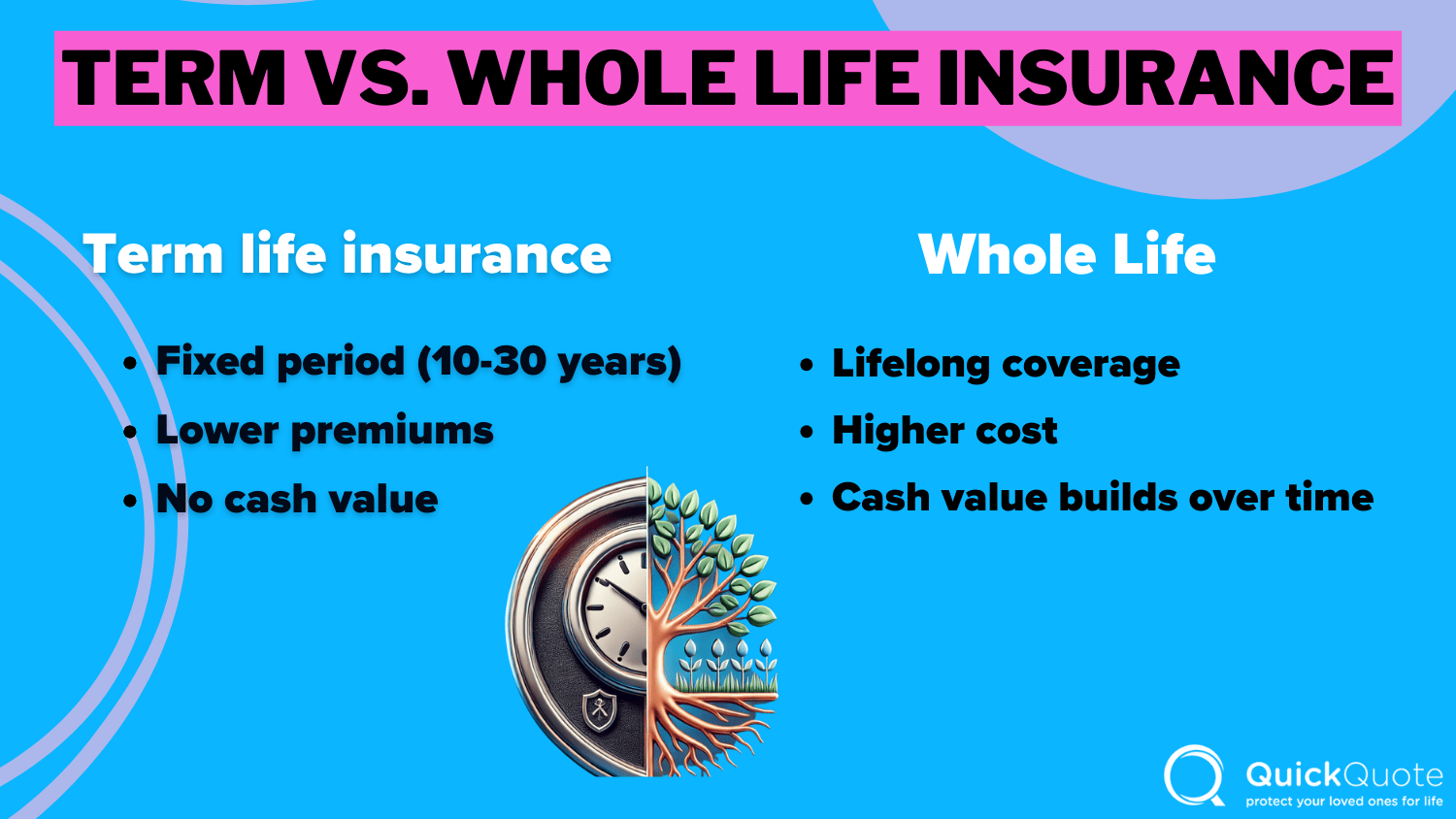
Long-term life insurance, often categorized as permanent insurance, differs significantly from term life insurance. While term policies provide coverage for a specific period—such as 10, 20, or 30 years—permanent insurance is designed to remain in effect for the insured’s entire life, provided the premiums are paid and the policy remains in force. AIG’s offerings in this space include flexible premium structures and options for cash value growth, making them sophisticated financial instruments rather than simple death benefit contracts.
Distinguishing Between Permanent Life Products
AIG, through Corebridge, offers several distinct types of permanent life insurance. Understanding these is the first step in determining which, if any, aligns with your financial goals.
Whole Life Insurance
Whole life insurance is the most traditional form of permanent coverage. It features fixed premiums that do not increase over the life of the policy, provided the policyholder meets the payment requirements. A defining feature of whole life is the guaranteed cash value growth. A portion of each premium payment goes into a reserve, which grows according to a schedule set by the insurer. Because these guarantees are contractual, whole life is often viewed as a stable, conservative component of a long-term financial strategy.
Universal Life Insurance (UL)
Universal life insurance offers more flexibility than whole life. It separates the cost of insurance from the cash value component. Policyholders may have the ability to adjust their premium payments and death benefit amounts within certain limits, depending on the specific policy terms. Within the category of Universal Life, AIG offers variations such as:
- Indexed Universal Life (IUL): These policies link cash value growth to the performance of a market index, such as the S&P 500, while offering a floor to protect against negative market performance.
- Guaranteed Universal Life (GUL): Designed specifically for those who want the lower cost of a universal life policy but want a guarantee that the policy will remain in force for life, as long as specific premium requirements are met, regardless of market performance.
Prerequisites for Eligibility and Underwriting
Securing a long-term policy with a provider like AIG involves a rigorous underwriting process. Unlike simplified issue or guaranteed issue products, permanent insurance usually requires full medical underwriting.
- Application and Medical History: You will need to provide detailed information regarding your health, lifestyle, and family medical history.
- Paramedical Exam: Most applicants for significant face amounts will undergo a medical examination. This typically includes blood work, urine analysis, blood pressure readings, and measurements of height and weight.
- Financial Underwriting: Because permanent life insurance is often used for estate planning or business protection, the insurer must verify the "insurable interest." You will likely need to disclose your income, assets, and debts to ensure the requested coverage amount is proportional to your financial circumstances.
- Age Limits: While eligibility varies by product, most permanent policies have age caps. Applying while younger typically results in lower premiums; however, long-term products are often sought by individuals in their 40s, 50s, or 60s looking for wealth transfer or liquidity.
Financial Considerations and Policy Costs
The cost of AIG long-term life insurance is not static. It is determined by several variables that insurers assess during the application process.
- Age and Health Rating: Your "rating" is perhaps the most significant factor. Individuals classified as "Preferred Plus" or "Preferred" pay significantly less than those classified as "Standard" or "Substandard" due to pre-existing conditions or lifestyle factors like tobacco use.
- Face Amount: The higher the death benefit, the higher the premium. However, permanent policies often offer volume discounts.
- Premium Frequency: Paying annually rather than monthly may offer slight cost advantages by avoiding installment fees.
- Policy Riders: Adding riders—such as an accelerated death benefit (which allows access to funds in the event of a terminal illness) or a waiver of premium (which pauses payments if you become disabled)—will increase the total cost of the policy.
Comparison of Permanent Life Insurance Features
| Feature | Whole Life | Universal Life (UL) | Indexed Universal Life (IUL) |
|---|---|---|---|
| Premiums | Fixed | Flexible | Flexible |
| Cash Value | Guaranteed Growth | Market/Interest Linked | Market Indexed |
| Death Benefit | Fixed/Guaranteed | Adjustable | Adjustable |
| Risk Profile | Low (Stable) | Moderate | Moderate/High |
| Primary Goal | Permanent protection | Flexibility | Growth potential |
Operationalizing Your Coverage
Once a policy is active, the responsibility shifts from the application phase to the management phase. For permanent policies, this is a long-term commitment that requires periodic review.
Monitoring Cash Value: If you have an IUL or UL policy, you should receive annual statements detailing the performance of your cash value. It is essential to understand how charges (such as the cost of insurance and administrative fees) are being deducted from your account value. In low-interest-rate environments, the cash value in some universal life policies may not grow as quickly as anticipated, which can necessitate higher premium payments to keep the policy in force.
Adjusting Coverage: Life circumstances change—marriages, divorces, the birth of children, or business acquisitions. Permanent life insurance is designed to be adaptable. Many AIG products allow for a decrease in the death benefit if you find that you no longer require as much coverage, or an increase (usually subject to new underwriting) if your needs grow.
Common Mistakes and How to Avoid Them
The most frequent mistake policyholders make with permanent insurance is "lapse risk." This occurs when the cash value is insufficient to cover the monthly policy charges, causing the policy to terminate.
- Ignoring Annual Reviews: Do not simply file your premium notice away. Review your policy’s "in-force illustration" at least every three years. This document provides a projection of how the policy will perform based on current interest rates and costs.
- Underestimating the Cost of Insurance: Many people purchase universal life assuming the minimum premium will suffice forever. If interest rates are lower than projected, the cash value may be depleted, requiring higher "catch-up" premiums later in life when you are retired and have less disposable income.
- Misunderstanding Riders: Ensure you understand exactly what your riders do. An accelerated death benefit rider, for example, is not long-term care insurance. It has specific triggers and usually reduces the final death benefit payable to beneficiaries.
Seeking Professional Guidance
Life insurance is a complex financial product. It serves as a tool for income replacement, estate tax liquidity, and wealth accumulation. Before proceeding with an application through AIG or any other major carrier, it is highly recommended that you consult with a licensed financial advisor or a life insurance specialist.
These professionals can provide "ledger illustrations" for different products. These illustrations show you exactly how the policy is expected to behave over 20, 30, or 40 years. Requesting "worst-case scenario" illustrations is a prudent step to understand how the policy would perform if the market underperforms or if interest rates remain at historically low levels.
Frequently Asked Questions
Is AIG life insurance now part of Corebridge Financial? Yes. In 2026, Corebridge Financial functions as the entity managing AIG's life insurance and retirement operations. While the AIG brand remains synonymous with these products for many consumers, you will interact with Corebridge documentation and portals for policy management and claims.
Can I borrow money from my permanent life insurance policy? Most AIG permanent policies include a provision for policy loans. You can borrow against the accumulated cash value. While these loans often offer favorable interest rates, it is important to understand that any outstanding loan balance at the time of death will be deducted from the death benefit paid to your beneficiaries.
What happens if I cannot pay my premiums? If you have a whole life policy, you may be able to utilize "non-forfeiture options," such as using the accumulated cash value to pay the premiums automatically. For universal life policies, the policy may lapse if the cash value cannot cover the monthly costs. Always contact the insurer before stopping payments to discuss your options.
Is the death benefit from AIG life insurance taxable? Generally, life insurance death benefits are paid to beneficiaries income-tax-free under current federal tax law. However, if the policy is held in a way that triggers estate tax issues, or if it is sold (life settlement), there may be different tax implications. Always consult a tax professional regarding your specific estate plan.
How do I file a death benefit claim? Beneficiaries should contact the Corebridge/AIG claims department directly. You will typically need to provide a certified copy of the death certificate and the policy number. The insurer will then guide you through the submission of the claimant’s statement.
Final Recommendation
If you are considering AIG long-term life insurance, your next action should be to determine the primary purpose of the coverage. If you prioritize guaranteed protection and stability, focus your research on Whole Life products. If you prefer flexibility and the potential for cash value growth tied to market performance, look into Indexed Universal Life. Obtain a formal quote and an in-force illustration from a licensed representative to compare the long-term cost projections against your retirement and legacy goals.