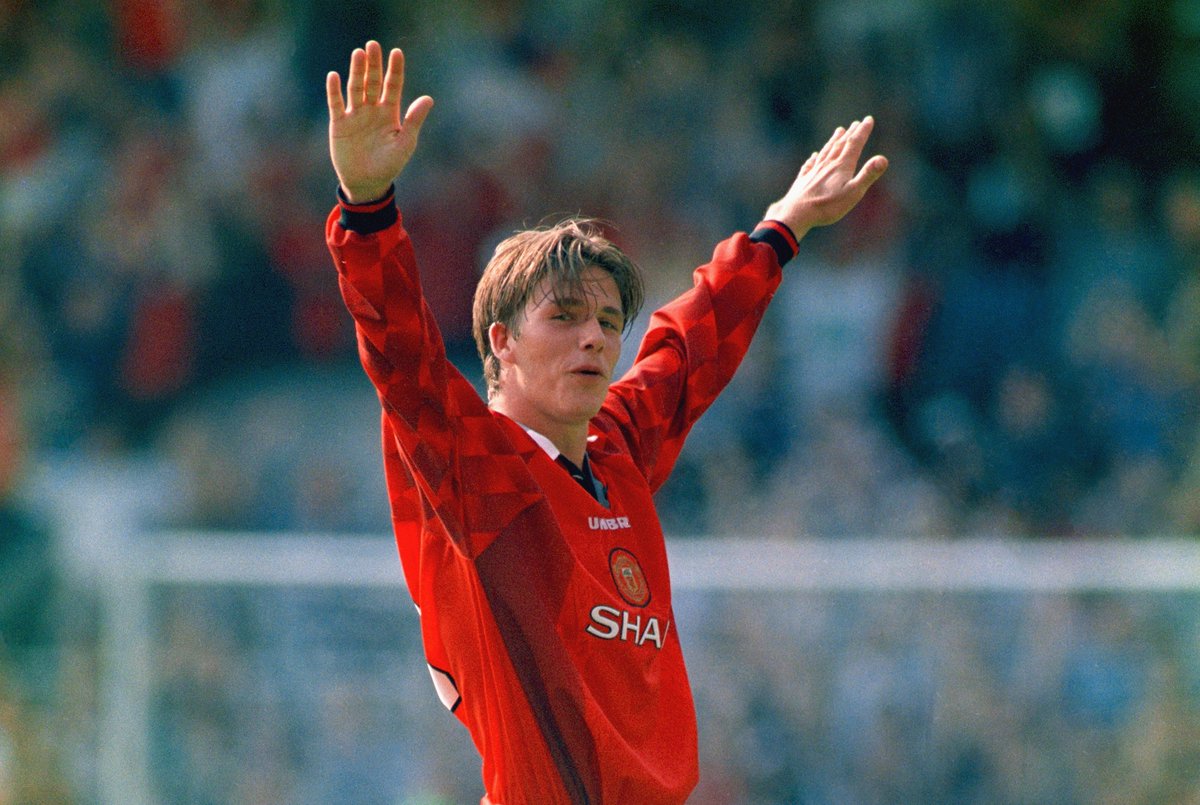
As of 2026, David Beckham is 51 years old. Born on May 2, 1975, in Leytonstone, London, England, he has spent over three decades in the public eye, transitioning from a world-class professional footballer to a global brand icon, fashion figure, and sports club owner.
Biographical Context and Early Life
David Robert Joseph Beckham was born to Ted and Sandra Beckham. Growing up in East London, his early years were defined by a rigorous dedication to association football. His talent was identified early, leading him to join the Manchester United youth system. This foundational period in the early 1990s serves as the starting point for understanding his professional age. Unlike many modern athletes who may have shorter, more intense windows of performance, Beckham’s career is marked by exceptional longevity, spanning from his first professional contract in 1992 to his retirement in 2013.
Chronology of a Professional Sporting Career
To understand David Beckham's timeline, one must look at his career as a series of distinct phases. Each phase represents not just a different geographical location, but a different stage in his physical maturity and professional evolution.
- The Manchester United Era (1992–2003): This was his formative decade. Starting as a teenager in the "Class of '92," Beckham matured alongside his peers. By the time he left for Real Madrid, he was 28 years old—the traditional "prime" age for a midfielder in European football.
- The Galáctico Period at Real Madrid (2003–2007): Moving to Spain at age 28, he adapted his game to a more tactical, technical environment. He concluded this stint at age 32, a point where many footballers see a decline in pace, though Beckham remained highly effective due to his set-piece precision.
- The North American Transition (2007–2012): Signing with the LA Galaxy at age 32 was a pivotal moment for Major League Soccer (MLS). This period shifted his focus from top-tier European competition to the business of expanding the sport's reach in the United States.
- Final Chapters (2013): Beckham concluded his professional playing career at Paris Saint-Germain at age 38. This age is significant in elite sports, as it places him among the few players who maintained a high level of fitness well into their late thirties.
Transition to Ownership and Global Branding
Since his retirement in 2013, David Beckham’s focus has shifted entirely to ownership and commercial ventures. In 2026, his work is centered on Inter Miami CF, the MLS franchise he helped found. His age is now an asset in his role as an administrator and brand owner; he possesses the gravitas of a veteran athlete combined with the commercial experience gained during his post-playing years.
The shift from player to owner highlights a common trajectory for legendary athletes, but Beckham’s transition is notable for the speed and scale at which he established a footprint in international football governance. By leveraging his connections from his playing days, he successfully negotiated the complex expansion process required to launch an MLS team.
Comparative Timeline of Footballing Longevity
The following table provides a perspective on how Beckham’s age at various career milestones compares to typical benchmarks in the sport.
| Career Stage | David Beckham's Age | Typical Professional Context |
|---|---|---|
| First Team Debut | 17 | Early development phase |
| First Senior International Cap | 21 | Breakthrough into national squads |
| Peak Performance (Prime) | 25–29 | Physical and tactical height |
| Major International Move | 32 | Transitioning to lower-intensity leagues |
| Retirement | 38 | Exceptional longevity for outfield players |
| Ownership/Administration | 40+ | Post-athletic career building |
Physical Maintenance and Public Perception
The public often associates Beckham’s age with his commitment to physical fitness, which has remained a core part of his public identity. Even in 2026, at age 51, he continues to advocate for wellness and health. This dedication was a necessity during his playing career to mitigate the natural physical decline associated with aging, and it has transitioned into a lifestyle brand that promotes longevity and high-performance habits.
In the sports medicine community, Beckham is often cited as a case study in "prolonged elite performance." By modifying his training regimen as he aged—focusing more on endurance and tactical positioning rather than pure explosive sprint speed—he was able to extend his career significantly beyond the average age of retirement for a Premier League midfielder, which typically hovers around 34 or 35.
Frequently Asked Questions
How old is David Beckham exactly? As of 2026, David Beckham is 51 years old. He was born on May 2, 1975.
At what age did David Beckham retire from professional football? David Beckham officially announced his retirement from professional football in May 2013, just after his 38th birthday, following a final season with Paris Saint-Germain.
Did his age affect his playing style toward the end of his career? Yes. As is common in professional sports, Beckham adapted his game to compensate for the natural decrease in speed. He relied more on his exceptional vision, passing accuracy, and dead-ball delivery, which allowed him to remain a valuable asset in his final years at the highest level.
What is David Beckham doing at age 51? In 2026, Beckham serves primarily as a co-owner and president of soccer operations for Inter Miami CF. He is also highly involved in various global commercial partnerships and brand endorsements.
Is 51 considered old for a former professional athlete in business? No. In the context of business and club ownership, 51 is considered a prime age. It offers a balance between the energy required to manage ongoing operations and the deep industry experience accumulated over decades of professional involvement.
Strategic Implications of Career Longevity
The career of David Beckham serves as a blueprint for modern athletes who aim to remain relevant long after their physical retirement. By effectively branding himself early in his career, he ensured that his value was not exclusively tied to his output on the pitch. This strategy allowed him to leverage his name and professional reputation into significant business ventures, such as his ownership stake in Inter Miami CF.
When analyzing his professional trajectory, it is essential to distinguish between his "playing age"—the years he spent on the pitch—and his "career age," which continues to expand. While many athletes struggle to find a new professional identity after their physical peak, Beckham’s transition suggests that the discipline required to succeed in sports is highly transferable to the corporate world, provided the athlete invests in their brand early on.
For those tracking the careers of current stars, Beckham’s path highlights that retirement from one's primary profession is often merely the beginning of a secondary, and often more financially significant, professional life. His current status at 51 reflects a continued growth in influence within the global sporting community, bridging the gap between historical talent and future administrative leadership.
Recommendation for Further Research
Those interested in the specific administrative and legal requirements of professional football ownership, as exemplified by Beckham's involvement with Inter Miami CF, should consult the official Major League Soccer bylaws and expansion documentation provided by the league. These resources provide the structural context for how former players transition into ownership roles within modern professional sports organizations.