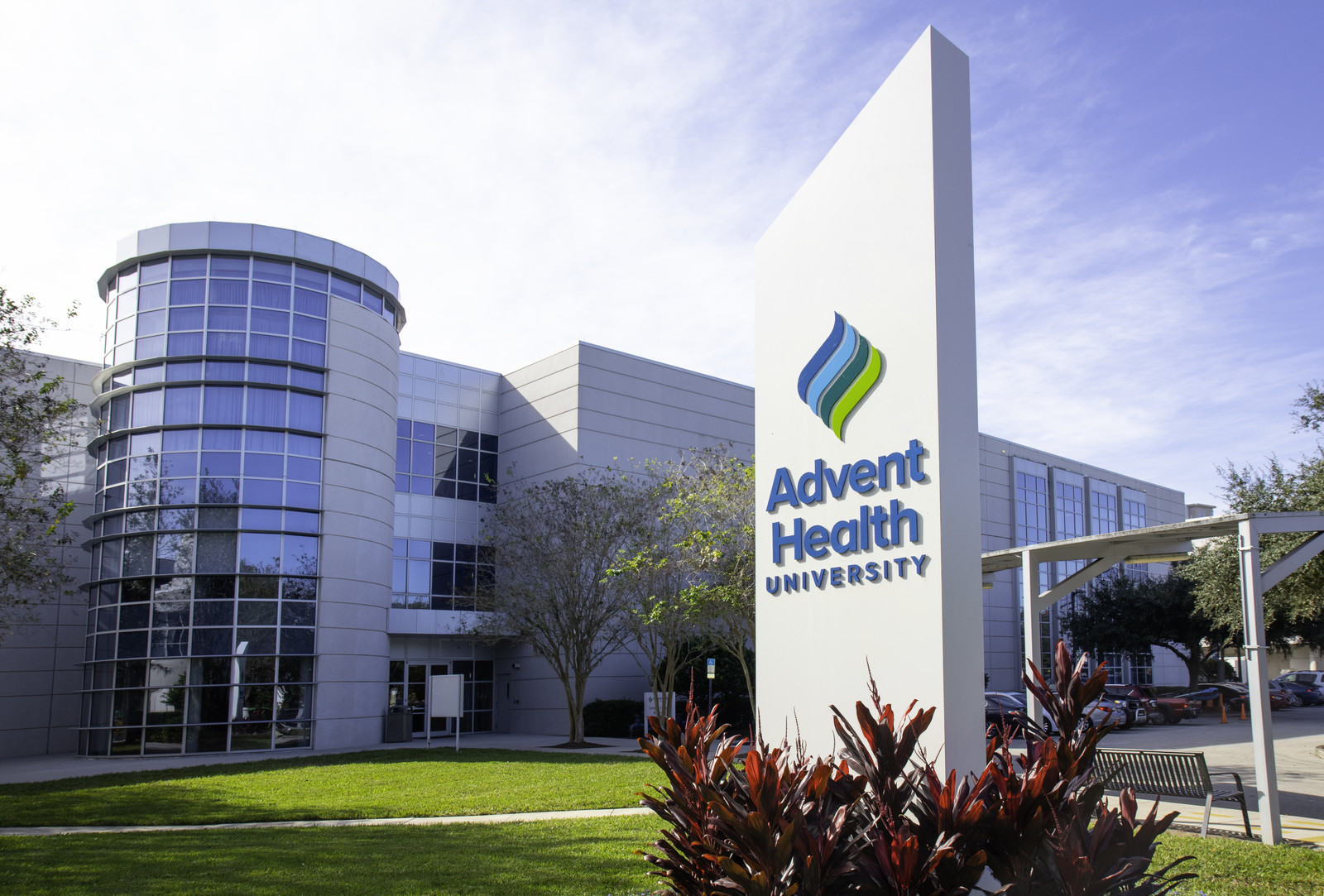
AdventHealth University tuition costs depend on whether you enroll in an undergraduate or graduate program, your specific degree track—such as nursing, diagnostic medical sonography, or occupational therapy—and whether you attend full-time or part-time. Tuition is generally structured on a per-credit-hour basis, supplemented by standard institutional fees, laboratory costs, and clinical course fees.
Understanding the financial commitment required for higher education is a vital step for prospective students. When evaluating healthcare education, looking beyond the sticker price to analyze per-credit costs, mandatory fees, and financial aid opportunities provides a realistic picture of the investment required. AdventHealth University (AHU), with its main campus in Orlando, Florida, and an additional campus in Denver, Colorado, specializes in healthcare professions. Navigating its financial landscape requires breaking down the core tuition structures, supplementary fees, and available financial support systems.
Overview of AdventHealth University and Program Structure
AdventHealth University operates as a Seventh-day Adventist institution focused on healthcare education. The university offers a range of certificates, undergraduate degrees (such as Associate of Science and Bachelor of Science tracks), and graduate degrees (including master's and doctoral programs).
Because healthcare programs often combine rigorous classroom instruction with hands-on clinical rotations, the curriculum design influences the overall cost. Programs like nursing or radiologic technology involve specialized laboratory sessions, clinical placements, and specialized equipment usage. Consequently, tuition is rarely a flat rate across the board; instead, it varies by program tier and the number of credit hours a student takes each semester.
Prospective students must evaluate their chosen modality—whether on-campus, hybrid, or online—as this can also influence fee structures and resource access charges. Understanding how credit hours accumulate over the life of a degree program forms the baseline for calculating total expenditures.
Breakdown of Tuition Rates Per Credit Hour
At AdventHealth University, tuition is primarily calculated on a per-credit-hour basis rather than a flat semester fee. This structure offers flexibility for part-time students but requires careful planning for full-time cohorts to ensure financial predictability from term to term.
Undergraduate programs, such as nursing and health sciences, typically carry a standard undergraduate per-credit rate. Graduate programs, which demand advanced specialized instruction and clinical hours, feature a higher per-credit cost.
| Program Level | Typical Cost Metric | Associated Expenses |
|---|---|---|
| Undergraduate | Per credit hour (varies by specific major and track) | Course fees, lab fees, clinical fees, general fees |
| Graduate | Per credit hour (higher tier than undergraduate) | Advanced clinical fees, research fees, professional liability |
| Online Programs | Flat or discounted per-credit structures (program dependent) | Technology fees, digital resource access charges |
Note: Exact per-credit figures fluctuate year to year based on board approvals and inflationary adjustments. Students should consult the official AHU financial information page for the most current academic year rates.
Additional Fees, Supplies, and Indirect Costs
Tuition represents only one component of the total cost of attendance (COA). To accurately budget for an education at AdventHealth University, students must account for mandatory institutional fees, program-specific charges, and living expenses.
Institutional and Program Fees
- General Fees: Semester-based fees that cover student services, technology infrastructure, library access, and campus activities.
- Laboratory and Clinical Fees: Charged for courses that require specialized equipment, consumable medical supplies, simulation lab access, or clinical placement coordination.
- Background Checks and Immunizations: Healthcare facilities require rigorous compliance checks, drug screenings, and immunization verifications before permitting students into clinical rotations. These out-of-pocket costs are typically the student's responsibility.
- Books and Digital Materials: Many programs utilize specialized digital platforms, e-books, or access codes for coursework and board exam preparation software.
Indirect Living Expenses
For students attending on-campus in Orlando or Denver, the cost of living—including housing, utilities, food, transportation, and personal miscellaneous expenses—adds significantly to the bottom line. While AHU provides localized housing guidance, students living off-campus must factor regional cost-of-living variables into their financial planning.
Financial Aid, Scholarships, and Payment Options
Navigating tuition costs at AdventHealth University becomes more manageable through financial aid programs, institutional scholarships, and structured payment plans.
Federal and State Financial Aid
By completing the Free Application for Federal Student Aid (FAFSA), eligible students can access federal grants (such as Pell Grants), federal student loans (Direct Subsidized and Unsubsidized Loans), and federal work-study opportunities. State-specific grants may also be available depending on the student's residency status and qualifying criteria.
Institutional Scholarships and Employer Partnerships
AHU offers institutional scholarships based on academic merit, financial need, or specific program enrollment. Because AdventHealth University is closely affiliated with the AdventHealth healthcare system, students should investigate potential employer-sponsored tuition assistance programs, tuition reimbursement options, or specialized work-to-school pipelines available to hospital network employees.
Tuition Payment Plans
To avoid paying lump-sum tuition out of pocket at the start of every semester, the university typically provides deferred payment plans. These plans break the semester balance down into manageable monthly installments, helping students manage cash flow while maintaining active enrollment.
Return on Investment (ROI) in Healthcare Education
When analyzing tuition costs, viewing the expense through the lens of career outcomes and return on investment is essential. Healthcare professions—particularly nursing, occupational therapy, and diagnostic imaging—frequently offer high job placement rates, competitive starting salaries, and robust career mobility.
Graduates entering the workforce from AHU benefit from established clinical partnerships within major healthcare networks, which often streamline the transition from student status to professional employment. Factoring projected entry-level salaries against total educational debt helps students make informed decisions regarding loan utilization and financial borrowing limits.
Common Mistakes to Avoid When Planning for AHU Tuition
Students often encounter unexpected financial hurdles when they fail to account for the full scope of their education expenses. Avoid these common pitfalls to ensure a smooth financial journey:
- Budgeting Solely for Tuition: Forgetting to include lab fees, clinical compliance costs, books, and living expenses can quickly derail a semester budget.
- Delaying the FAFSA: Waiting too long to file financial aid documentation can result in missed priority deadlines for institutional grants and scholarships.
- Overlooking Employer Benefits: Failing to check if a current healthcare employer offers tuition reimbursement leaves valuable financial assistance on the table.
- Ignoring Credit Overloads: Registering for excess credit hours without checking the financial aid caps or per-term credit limits can lead to unexpected billing spikes.
Frequently Asked Questions
Is AdventHealth University tuition the same for online and on-campus programs?
No, tuition rates and fee structures can differ depending on whether a program is delivered entirely online, in a hybrid format, or through traditional on-campus instruction. Online programs may feature specialized digital resource fees instead of traditional campus facility fees.
Does AdventHealth University offer tuition discounts for system employees?
As part of the broader AdventHealth network, students who are active employees of the healthcare system may qualify for specific tuition discounts, corporate partnerships, or reimbursement programs. Applicants should check current human resources policies within their employing facility.
How are clinical and lab fees billed?
Clinical and lab fees are typically assessed per course, appearing directly on the student’s semester billing statement alongside standard tuition charges for any class requiring hands-on simulation or hospital placement.
Can financial aid cover books and living expenses?
Yes. If a student's financial aid award exceeds the cost of direct institutional charges (tuition and fees), the remaining credit balance can be refunded to the student to assist with indirect costs such as textbooks, housing, and transportation.
What is the best way to estimate my total program cost at AHU?
The most accurate method is to multiply your program’s required credit hours by the current per-credit tuition rate, add estimated mandatory institutional and lab fees for each semester, and factor in personal living expenses and textbook costs. Consulting directly with an AHU financial aid advisor provides a personalized cost projection.
Next Steps and Action Plan
To secure a clear financial path at AdventHealth University, begin by identifying your exact program of interest and reviewing its specific credit requirements. Submit your FAFSA early, investigate institutional and external scholarship opportunities, and reach out to the AHU financial aid office to map out a personalized payment strategy tailored to your educational goals.