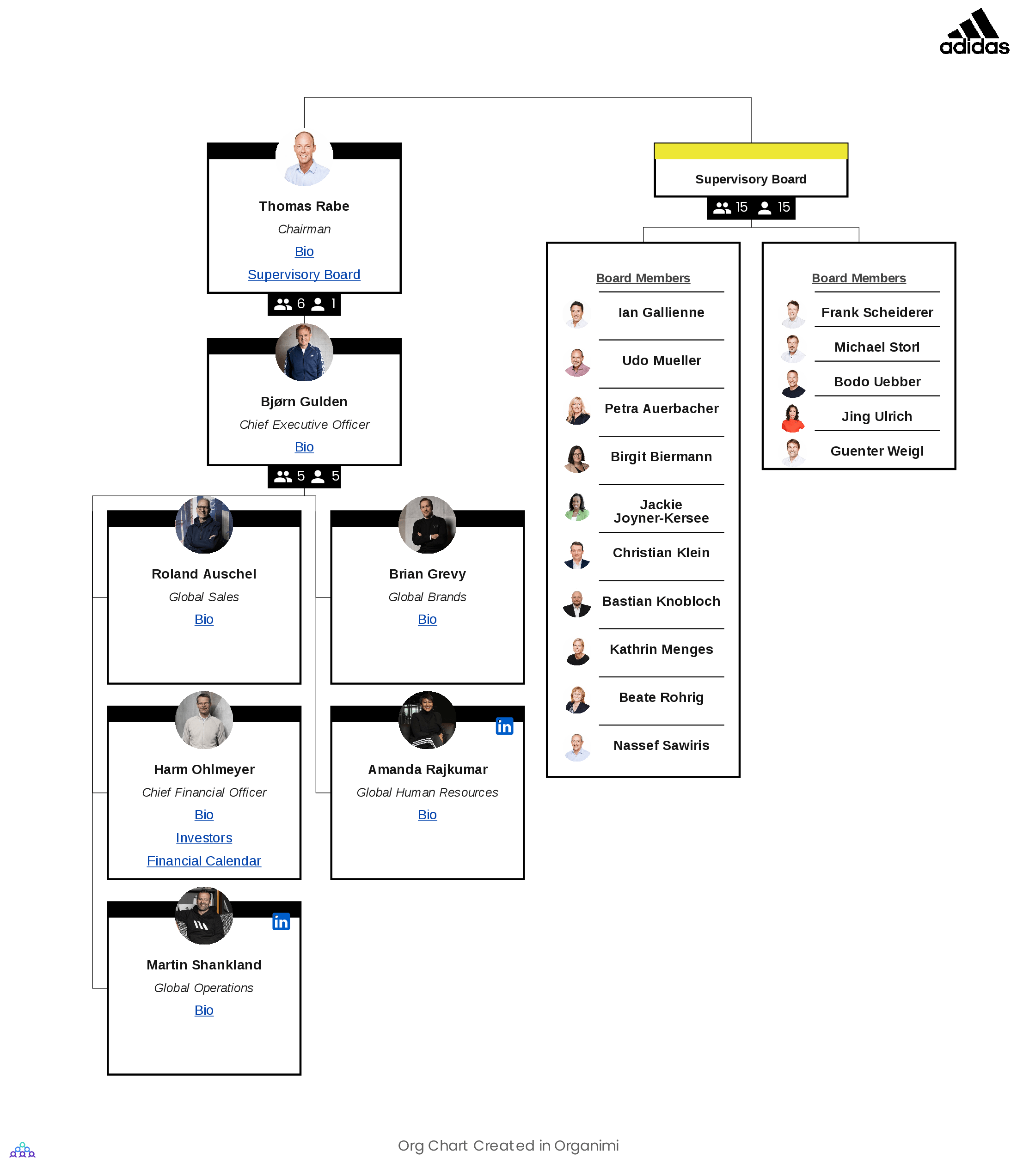
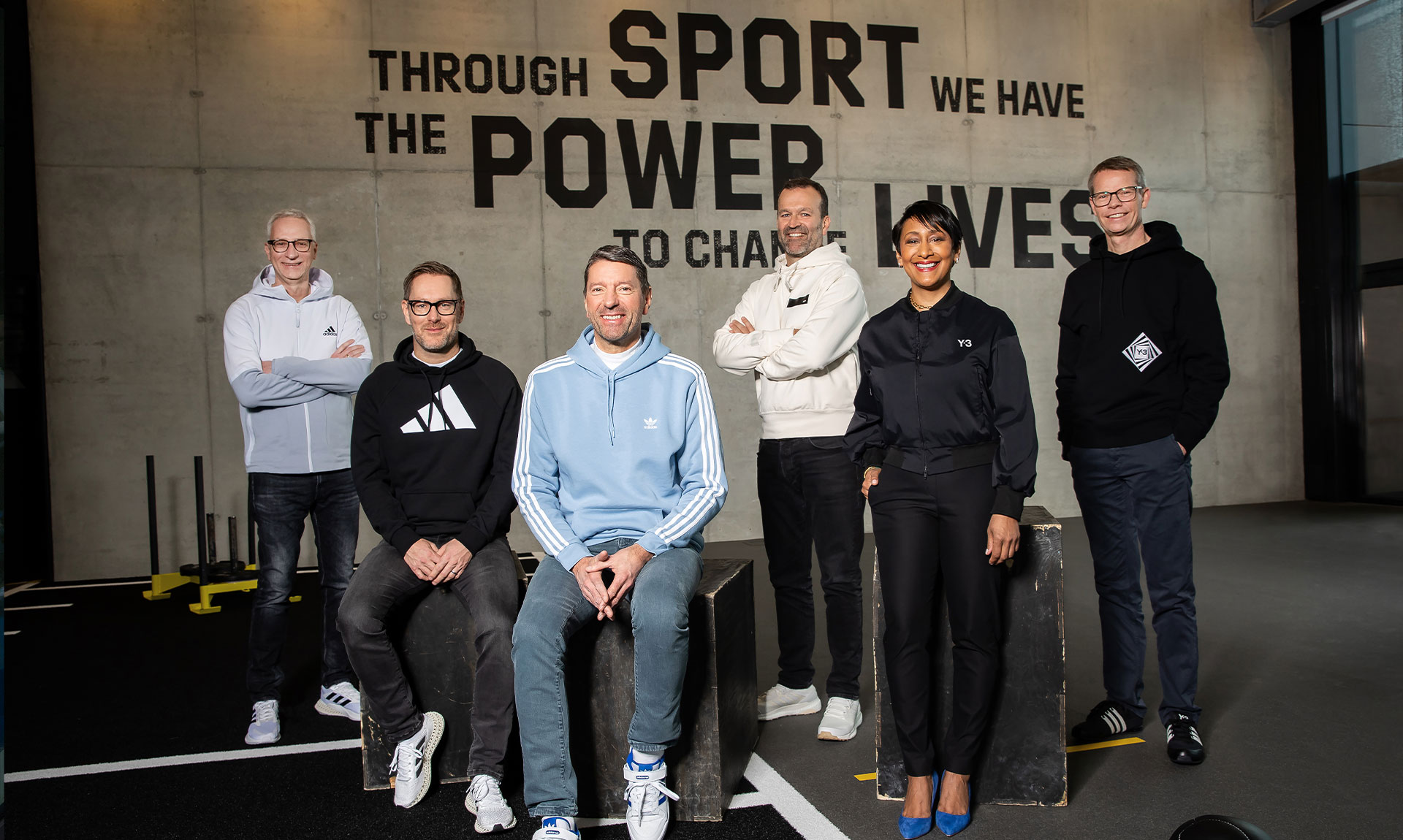
The leadership of Adidas is defined by a dual-governance model consisting of the Executive Board, which manages the daily operations of the company, and the Supervisory Board, which monitors corporate strategy and executive appointments. As of 2026, these individuals are responsible for steering the global athletic apparel giant through complex market cycles, digital transformation, and sustainable innovation initiatives while maintaining adherence to international corporate governance standards.
The Dual-Board Governance Structure
To understand the role of Adidas executives, one must distinguish between the two primary governing bodies that define the company’s organizational hierarchy. Based in Herzogenaurach, Germany, Adidas AG operates under the German Stock Corporation Act (Aktiengesetz), which mandates a two-tier board system.
The Executive Board (Vorstand)
The Executive Board serves as the company’s management body. Its members are legally responsible for the strategic direction, operational performance, and long-term financial health of the organization. Each member typically oversees a specific functional pillar—such as Global Sales, Finance, Brand, or Operations. Their primary objective is to execute the business strategy approved by the Supervisory Board while navigating global supply chains, retail partnerships, and brand positioning.
The Supervisory Board (Aufsichtsrat)
The Supervisory Board acts as a check on the Executive Board. It is responsible for appointing, supervising, and advising the members of the Executive Board. In accordance with German codetermination laws, this board is composed of both shareholder representatives and employee representatives, ensuring that labor interests are represented in high-level strategic decisions. The Supervisory Board does not engage in day-to-day management but holds the authority to approve major investments and executive compensation structures.
Core Functions and Executive Responsibilities
The responsibilities of the senior leadership team at Adidas extend beyond simple profit-and-loss management. In the current 2026 landscape, the executive team is focused on several critical vectors that dictate the company's competitive standing in the sportswear market.
Strategic Market Expansion
Adidas executives are tasked with balancing growth in traditional strongholds—such as North America and Europe—with rapid scaling in emerging markets. This involves negotiating local retail partnerships, managing regional logistics, and adapting product portfolios to fit diverse cultural consumer preferences. Executive leadership must determine which regions require aggressive marketing investment and which require structural consolidation to improve margins.
Supply Chain Resilience and Sustainability
A defining challenge for contemporary sportswear executives is the tension between rapid production cycles and the corporate mandate for sustainability. Leadership must oversee the transition to circular economy business models, which involves:
- Developing supply chain transparency to ensure labor compliance in manufacturing hubs.
- Integrating recycled materials into high-volume product lines without compromising performance standards.
- Investing in "near-shoring" production facilities to reduce the carbon footprint associated with global shipping.
Digital Transformation and Direct-to-Consumer (DTC)
The shift toward DTC channels represents a significant pivot in executive focus. By reducing reliance on wholesale retailers, Adidas executives aim to capture higher margins and harvest proprietary consumer data. This shift requires sophisticated management of the company's digital infrastructure, including mobile applications, e-commerce platforms, and omnichannel loyalty programs.
Key Executive Roles and Reporting Lines
While individual appointments can change, the functional roles within the Adidas executive team remain relatively consistent. Understanding these silos provides clarity on how the company functions as a global enterprise.
| Executive Function | Core Responsibility | Strategic Focus |
|---|---|---|
| Chief Executive Officer (CEO) | Corporate Strategy | Overall growth and investor relations |
| Chief Financial Officer (CFO) | Capital Allocation | Earnings reporting and cost discipline |
| Chief Operating Officer (COO) | Supply Chain | Logistics, manufacturing, and distribution |
| Chief Brand Officer | Marketing | Brand heat, sponsorships, and product design |
| Chief Sales Officer | Distribution | Wholesale, retail, and digital channels |
CEO Oversight and Vision
The CEO serves as the public face of the organization and the primary architect of the mid-to-long-term strategic plan. By 2026, the CEO is tasked with synthesizing the disparate threads of product innovation, financial stability, and brand image into a unified narrative for shareholders and the public. This role is highly sensitive to external market volatility, requiring the incumbent to manage expectations in volatile economic environments.
The CFO and Financial Governance
The CFO manages the balance sheet and ensures the firm has the liquidity to fund research and development (R&D). In the context of 2026, this involves navigating currency fluctuations, managing debt obligations, and optimizing the cost-to-revenue ratio across international markets. The CFO is also the primary liaison for institutional investors, providing the clarity and transparency required to maintain institutional share ownership.
Professional Development and Executive Selection
The path to becoming a member of the Adidas Executive Board is rigorous. Most candidates possess extensive international experience in consumer goods, retail, or supply chain management. The selection process is strictly governed by the Nomination Committee of the Supervisory Board.
Nomination and Appointment Criteria
When selecting new executives, the Supervisory Board evaluates candidates based on a matrix of skills that includes:
- Industry Expertise: Proven success in global sportswear, fashion, or consumer electronics.
- Digital Literacy: Proficiency in managing large-scale technological shifts in retail.
- Cultural Alignment: The ability to navigate the unique blend of German corporate culture and the fast-paced, creative energy of the global sports industry.
- Leadership Track Record: A history of managing complex P&Ls across multiple geographic jurisdictions.
Compensation and Alignment
Executive compensation at Adidas is structured to align the interests of the managers with those of the shareholders. Compensation typically consists of a base salary, an annual performance-related bonus, and a multi-year variable compensation component based on long-term stock performance. This structure ensures that executives remain focused on the long-term sustainability of the brand rather than short-term quarterly gains.
Managing Organizational Risks
Executive leadership is frequently tested by external risks that can impact the company’s reputation and financial stability. These include regulatory changes, intellectual property disputes, and shifting consumer demographics.
Navigating Regulatory Landscapes
Adidas executives must ensure that the firm complies with local laws in every jurisdiction where it operates. This includes environmental regulations in the European Union, trade laws in the United States, and labor standards in Southeast Asian production facilities. The legal and compliance teams reporting to the board are essential in mitigating the risk of fines and reputational damage.
Maintaining Brand Integrity
The "Brand" is the most valuable intangible asset for an apparel company. Executives are responsible for vetting and maintaining high-profile partnerships with athletes, teams, and cultural influencers. A core part of their role involves crisis management—should a partner behave in a way that violates brand values, the executive team must act swiftly to protect the company’s image while adhering to complex contractual obligations.
Frequently Asked Questions
1. Who is ultimately responsible for the performance of Adidas?
The Executive Board, led by the CEO, is responsible for daily operations and financial performance. They report to the Supervisory Board, which monitors these activities to ensure they align with the interests of shareholders and employees.
2. How are Adidas executives chosen?
The Supervisory Board’s Nomination Committee is responsible for identifying and recommending candidates for the Executive Board. The full Supervisory Board then votes on these appointments based on the candidate's professional background, strategic vision, and alignment with corporate governance standards.
3. What is the role of employee representatives in the board?
Under German labor law, employee representatives participate in the Supervisory Board. They provide essential insights into workplace conditions and operational realities, acting as a counterbalance to ensure that strategic decisions consider the impact on the company’s workforce.
4. How does the Executive Board address sustainability?
Sustainability is integrated into the Executive Board’s agenda through the Chief Operating Officer and the Chief Sustainability Officer. They oversee initiatives such as material innovation, waste reduction in manufacturing, and carbon neutrality goals, which are reported periodically in the company's annual non-financial statement.
5. Can shareholders influence the executive team?
Yes, shareholders can influence the team through the Annual General Meeting (AGM), where they vote on board discharges and executive compensation policies. Furthermore, major institutional shareholders often engage in direct dialogue with the board regarding governance and strategy.
Next Steps for Stakeholders
For investors, job seekers, or researchers looking to understand the current leadership landscape, the most reliable source of information is the Adidas Investors Relations portal. This platform publishes the official "Annual Report" and "Corporate Governance Report" every year.
If you are evaluating the company’s direction, prioritize reading the most recent Management Report contained within the annual filing. This document outlines the board's assessment of risks, market opportunities, and long-term financial guidance. To verify the current composition of the boards, check the "Governance" section of the official corporate website, which provides the most up-to-date bios and professional profiles of sitting members.