Correct address examples in manufacturing documentation ensure seamless logistics, precise automation, and regulatory compliance. Whether documenting physical shipping locations in an ERP system, defining register addresses in a PLC program, or assigning IP addresses for IIoT devices, standardized formatting prevents operational downtime and costly supply chain errors.
In the complex landscape of 2026 manufacturing, "addresses" are no longer limited to physical street locations. Modern documentation must account for a multi-layered ecosystem where physical goods, digital data, and logical memory points intersect. High-quality documentation acts as the blueprint for this intersection, providing clarity for human operators and machine-level algorithms alike. This guide explores the various types of address examples required in contemporary manufacturing environments, from the warehouse floor to the industrial cloud.
The Significance of Standardized Addressing in Industry 4.0
Manufacturing documentation serves as the single source of truth for a production facility. When addresses—physical or digital—are inconsistently recorded, the ripple effects can be catastrophic. In a globalized supply chain, a minor formatting error in a "Ship-To" address can lead to international customs delays, while a transposed digit in a Modbus register address can cause a robotic arm to malfunction.
By 2026, the integration of Cyber-Physical Systems (CPS) has made precision even more critical. Documentation must now bridge the gap between legacy systems and modern smart factory protocols. Standardizing address examples ensures that every stakeholder, from the procurement officer to the systems integrator, interprets location data identically. This standardization is governed by several international bodies, including the International Organization for Standardization (ISO) and the American National Standards Institute (ANSI), which provide frameworks for data interchange.
Physical Addresses: Supply Chain and Logistics Documentation
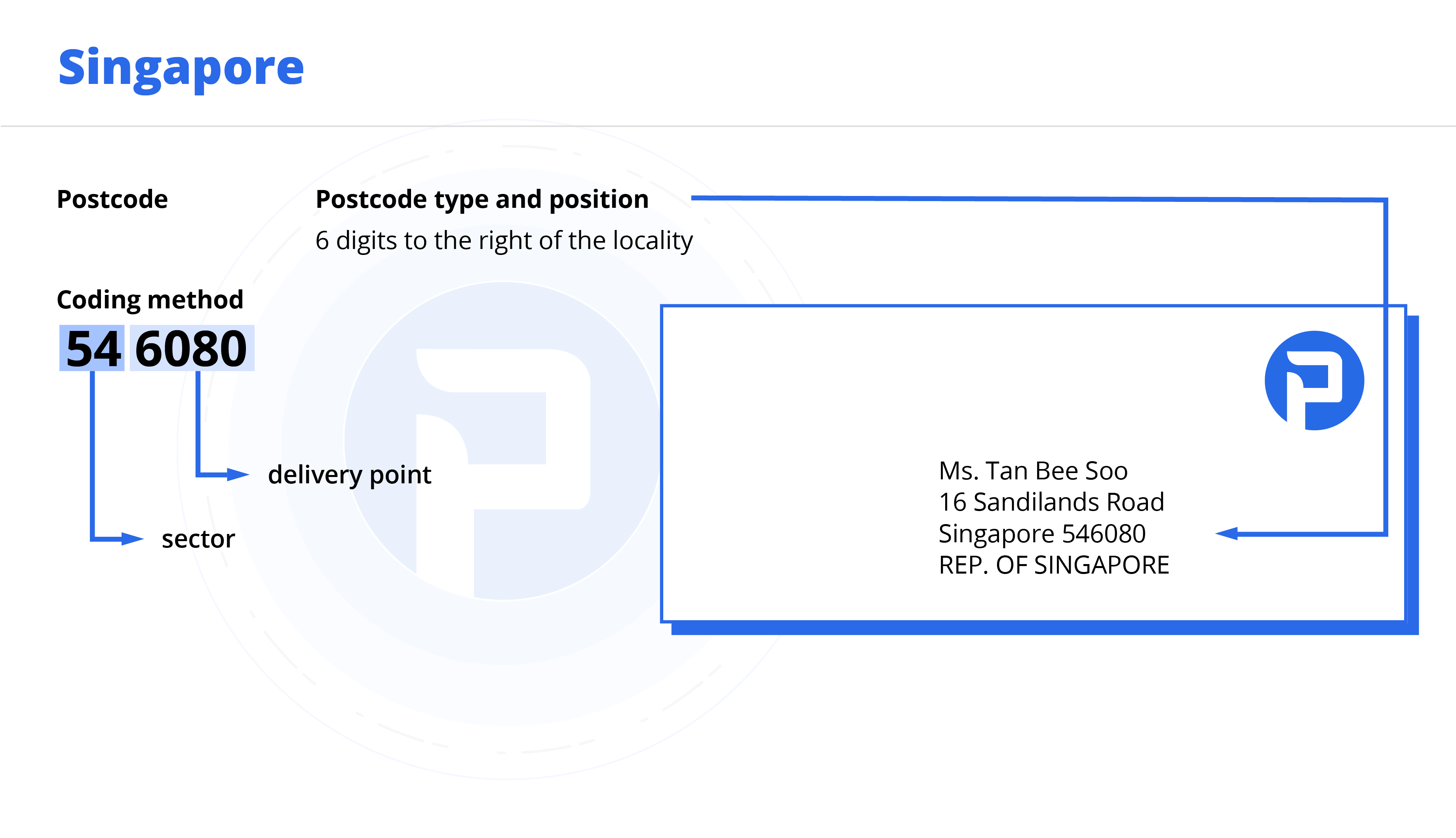
Physical addresses in manufacturing documentation primarily appear in procurement records, Bill of Materials (BOM) headers, shipping manifests, and vendor qualification files. In 2026, these addresses often include more than just a street name; they incorporate geo-coordinates and specific loading dock identifiers to accommodate autonomous delivery vehicles.
Shipping and Billing Address Examples
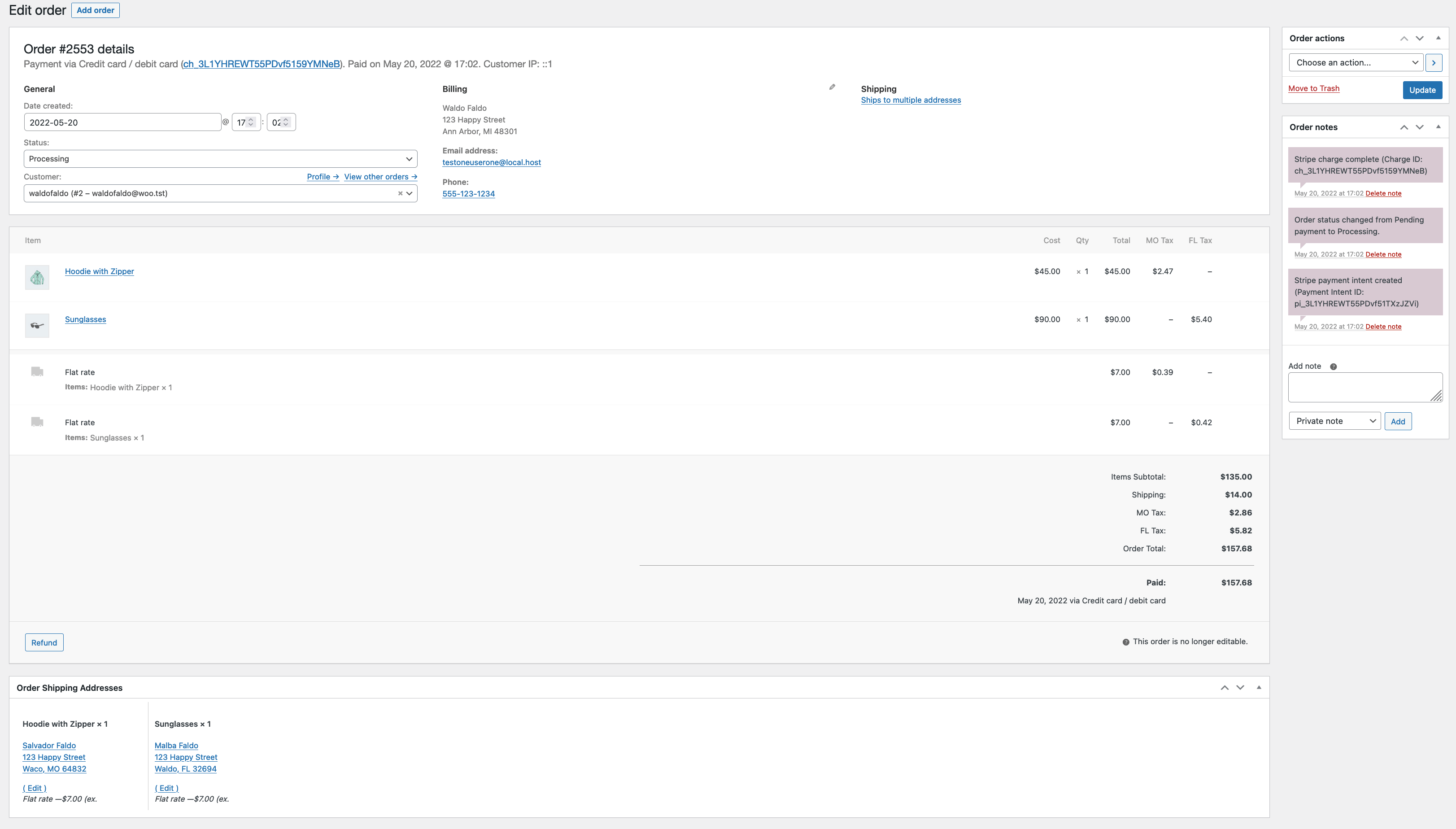
In manufacturing, it is common to have multiple addresses for a single entity. Documentation must clearly distinguish between "Sold-To," "Ship-To," and "Bill-To" locations.
- Sold-To Party: The legal entity that places the order.
- Example: Advanced Robotics Corp, 1200 Innovation Way, Suite 400, Austin, TX 78701, USA.
- Ship-To Party: The actual physical location where the raw materials or components should be delivered.
- Example: Advanced Robotics Corp, Warehouse B, Loading Dock 14, 4500 Industrial Blvd, Round Rock, TX 78664, USA.
- Bill-To Party: The accounting department or third-party agency responsible for payment.
- Example: Global Finance Processing Center, PO Box 8890, Chicago, IL 60601, USA.
International Considerations and ISO 3166
For manufacturers operating across borders, documentation must adhere to ISO 3166 country codes. Using standardized codes like "DE" for Germany or "JP" for Japan ensures that automated shipping software correctly calculates duties and taxes. A common mistake in documentation is the use of non-standard abbreviations, which can cause failures in Electronic Data Interchange (EDI) transmissions between partners.
Digital Network Addressing in the Smart Factory
The shift toward the Industrial Internet of Things (IIoT) means that manufacturing documentation now heavily features network addresses. Every sensor, actuator, and controller on the shop floor requires a unique digital identity to communicate within the factory's Intranet or with cloud-based analytics platforms.
IP Address Allocation (IPv4 and IPv6)
While many internal factory networks still utilize IPv4, the expansion of connected devices in 2026 has pushed many manufacturers toward IPv6. Documentation must record these addresses to facilitate troubleshooting and network security audits.
- Static IP Example (IPv4):
192.168.10.45- Context: Assigned to a specific Programmable Logic Controller (PLC) on the assembly line. Documentation should also note the Subnet Mask (e.g.,
255.255.255.0) and the Gateway (e.g.,192.168.10.1).
- Context: Assigned to a specific Programmable Logic Controller (PLC) on the assembly line. Documentation should also note the Subnet Mask (e.g.,
- IPv6 Example:
2001:0db8:85a3:0000:0000:8a2e:0370:7334- Context: Used for high-density sensor networks where the address space of IPv4 is insufficient.
MAC Addresses and Hardware Identification
For hardware-level verification, documentation often includes the Media Access Control (MAC) address. This is a permanent, unique identifier assigned to a Network Interface Controller (NIC).
- Example:
00-B0-D0-63-C2-26 - Use Case: Security documentation for "Whitelisting" devices, ensuring that only authorized hardware can connect to the industrial control network.
Logical and Memory Addressing in Automation
In the context of industrial automation, "addressing" refers to the specific memory locations within a controller that correspond to physical inputs and outputs (I/O). This is perhaps the most technical aspect of manufacturing documentation.
PLC Tag-Based vs. Direct Addressing
Modern PLCs, such as those from Rockwell Automation or Siemens, have moved toward "Tag-Based" addressing, which uses descriptive names. However, legacy systems and certain protocols like Modbus still rely on direct memory addresses.
- Direct Addressing (Siemens S7 Style):
%I0.1: Digital Input 0, Bit 1 (e.g., an Emergency Stop button).%Q0.5: Digital Output 0, Bit 5 (e.g., a conveyor motor contactor).%MW100: Memory Word 100 (e.g., a 16-bit integer storing a temperature value).
- Modbus TCP/RTU Addressing:
40001: The first Holding Register (often used to store setpoints or configuration data).10001: The first Discrete Input (read-only bit status).
Documentation for these addresses is typically found in an I/O List or a Tag Database. A well-documented I/O list includes the address, a descriptive tag name, the data type (Boolean, Integer, Real), and a brief description of the physical device it represents.
Spatial and Internal Location Addressing
Inside the four walls of a factory or warehouse, "addressing" helps in the movement of inventory and the navigation of Automated Guided Vehicles (AGVs). This is often referred to as a "Slotting" or "Location Coding" system.
Warehouse Grid Systems
A robust warehouse management system (WMS) uses a coordinate-based address for every bin or rack space.
- Example Format:
ZONE-AISLE-RACK-LEVEL-BIN - Specific Example:
WH2-A12-R04-L2-B01- WH2: Warehouse 2
- A12: Aisle 12
- R04: Rack 4
- L2: Level 2 (Vertical height)
- B01: Bin 1 (Position on the shelf)
Documentation of these addresses is vital for picking lists and replenishment instructions. In 2026, these addresses are frequently encoded into QR codes or RFID tags, allowing for real-time tracking of components as they move through the production cycle.
Comparison of Address Types in Manufacturing
The following table summarizes the different address types found in manufacturing documentation, their primary use cases, and the standard formats used in 2026.
| Address Category | Primary Use Case | Standard Formats/Protocols | Example |
|---|---|---|---|
| Physical Logistics | Shipping, Billing, Vendor ID | ISO 3166, USPS, International Mail | 500 Enterprise Dr, Detroit, MI |
| Network (IP) | IIoT Connectivity, Remote Access | IPv4, IPv6, DHCP, Static | 10.1.5.20 or 2001:db8::1 |
| Hardware (MAC) | Security, Device Identification | IEEE 802 Standards | AB:CD:EF:12:34:56 |
| PLC Memory | Automation Logic, I/O Control | IEC 61131-3, Modbus | %I0.0 or Holding Reg 40010 |
| Spatial/Warehouse | Inventory, AGV Navigation | Grid-based (Zone-Aisle-Shelf) | ZONE-C-AISLE-05-BIN-12 |
| Cloud Endpoint | Data Analytics, ERP Sync | URL, URI, API Endpoints | https://api.factory-os.com/v1 |
Best Practices for Documenting Addresses
To ensure that address examples in manufacturing documentation are effective and future-proof, technical writers and engineers should follow these core principles.
1. Maintain Consistency Across Platforms
The address for a supplier in the ERP system must match the address in the Quality Management System (QMS). Discrepancies lead to "Data Silos," where different departments are working with conflicting information. In 2026, many companies solve this using Master Data Management (MDM) software, which synchronizes addresses across all platforms.
2. Use Descriptive Metadata
When documenting digital or PLC addresses, don't just provide the numerical value. Include metadata that explains what the address represents. For instance, instead of just listing 192.168.1.50, the documentation should specify: "IP Address for HMI Panel - Main Assembly Line 3."
3. Verify Against Physical Reality
Documentation must be audited. A common failure in manufacturing is "Documentation Drift," where a machine is moved or a network is reconfigured, but the documents are not updated. Physical labeling on the shop floor (e.g., a label on a PLC rack) should always match the digital address in the documentation.
4. Implement Version Control
Address lists, especially those for network configurations and PLC I/O, should be subject to strict version control. Changes should be logged with the name of the person who made the change, the date, and the reason for the update. This is often a requirement for compliance with standards such as ISO 9001.
Troubleshooting Address Errors in Documentation
When address-related issues occur, they usually manifest as communication failures or logistical errors. Troubleshooting should follow a logical path:
- Ping Tests for Network Addresses: If a device is not communicating, use a "Ping" command to see if the IP address is reachable.
- Traceability Audits for Physical Addresses: If a shipment is lost, trace the "Ship-To" address in the ERP back to the original Purchase Order (PO).
- Force Tables for PLC Addresses: In automation, a "Force Table" can be used to manually toggle a memory address to see if the corresponding physical output (like a light or motor) responds.
By identifying whether the error is in the recorded address (documentation error) or the actual configuration (implementation error), engineers can resolve issues more quickly.
Frequently Asked Questions
What is the difference between a physical address and a digital address in manufacturing?
A physical address refers to a geographic location (street, city, warehouse dock) used for logistics and supply chain management. A digital address refers to a network or memory location (IP address, MAC address, PLC register) used for data communication and machine control. Both are essential for the operation of a modern factory.
Why is ISO 3166 important for manufacturing addresses?
ISO 3166 provides universally recognized codes for countries and their subdivisions. In manufacturing documentation, using these codes ensures that automated systems for shipping, customs, and global procurement can process location data without manual intervention or translation errors.
How should I document "virtual" addresses in cloud manufacturing?
Virtual addresses, such as API endpoints or cloud storage buckets, should be documented with their full Uniform Resource Identifier (URI). It is also important to document the authentication methods required to access these addresses, such as API keys or OAuth tokens, though the actual keys should be stored in a secure vault rather than plain-text documentation.
What is "Symbolic Addressing" in PLC documentation?
Symbolic addressing is the practice of using human-readable names (Tags) instead of raw memory addresses (like %M0.0). For example, a tag might be named Pallet_Sensor_1. This makes documentation much easier to read and maintain, as the underlying memory address can change without needing to rewrite the entire logic description.
How often should manufacturing address documentation be updated?
Documentation should be updated in real-time or as part of a formal "Change Management" process whenever a physical or digital configuration changes. At a minimum, a comprehensive audit of all critical addresses (I/O lists, IP tables, vendor locations) should be conducted annually to ensure accuracy.
Practical Recommendation for Manufacturers
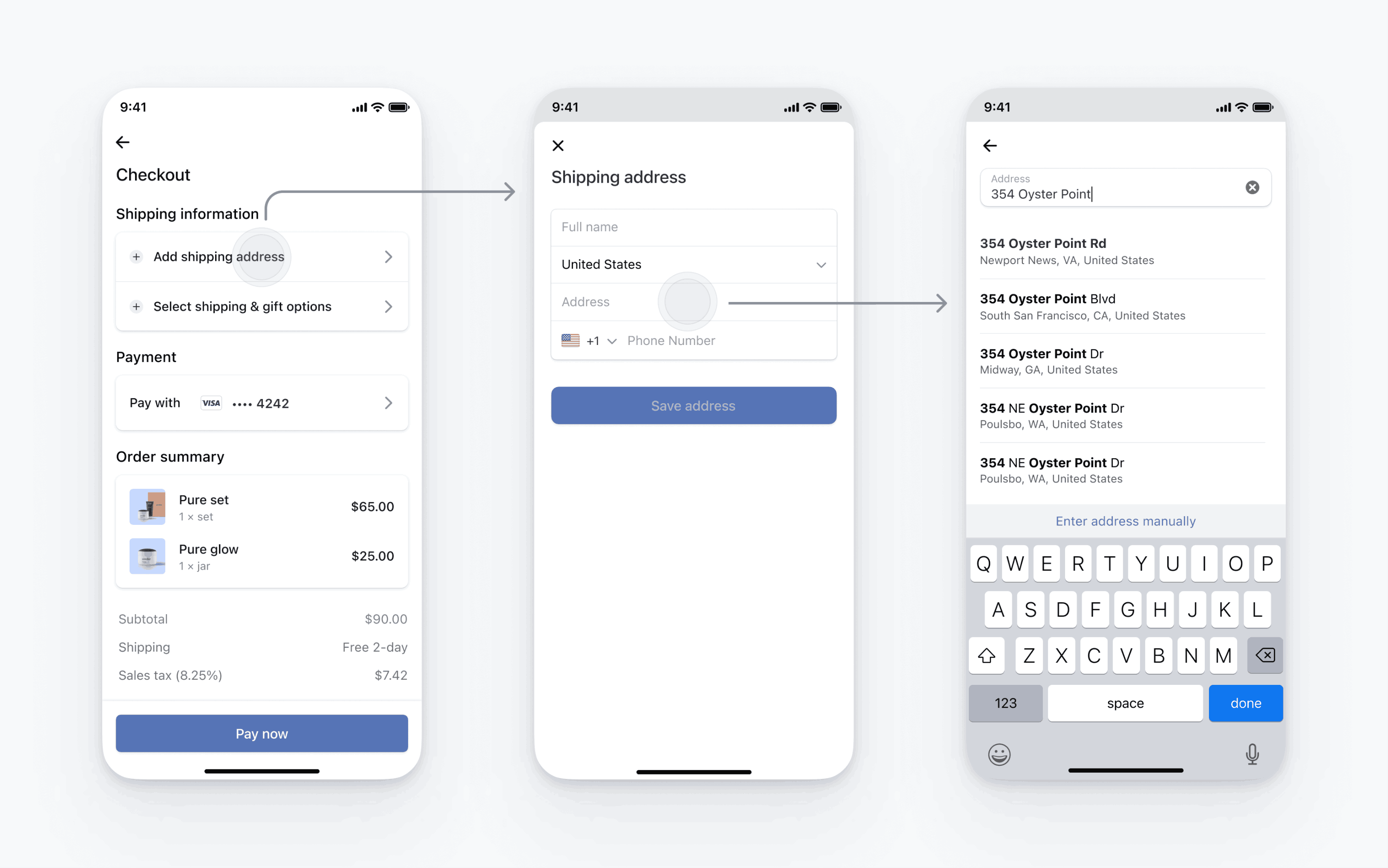
To optimize your manufacturing documentation in 2026, transition from static PDF address lists to a dynamic Digital Twin or an Integrated Management System (IMS). By linking your documentation directly to your live factory data, you can ensure that address examples remain accurate and reflective of the current state of your operations. Always prioritize the use of international standards (ISO, IEEE) to ensure your documentation remains compatible with global partners and future technology upgrades. For physical logistics, always verify "Ship-To" and "Bill-To" addresses through a standardized validation service to prevent costly shipping errors before they occur.