Lewy body dementia (LBD) is a complex and progressive neurodegenerative disorder that profoundly affects cognition, movement, and behavior. When prominent actors and performers are diagnosed with this condition, it brings unprecedented public awareness to a disease that is frequently misunderstood or misdiagnosed. Examining how LBD impacts public figures offers a vital window into the realities of the disease, highlighting the challenges of early detection, the emotional and professional tolls on creative careers, and the broader imperative for caregiver support and neurological research.
Defining Lewy Body Dementia and Its Clinical Presentation
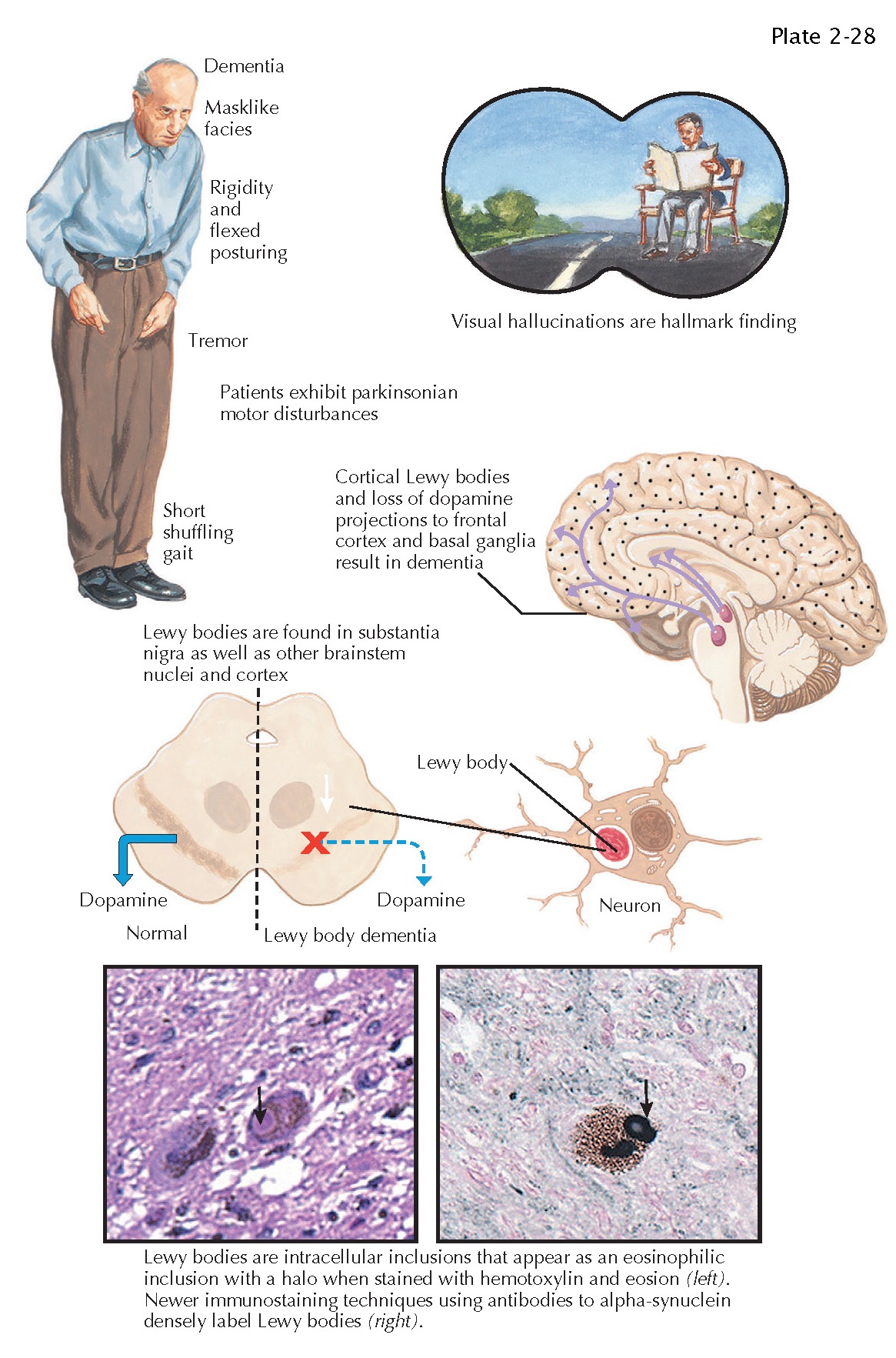
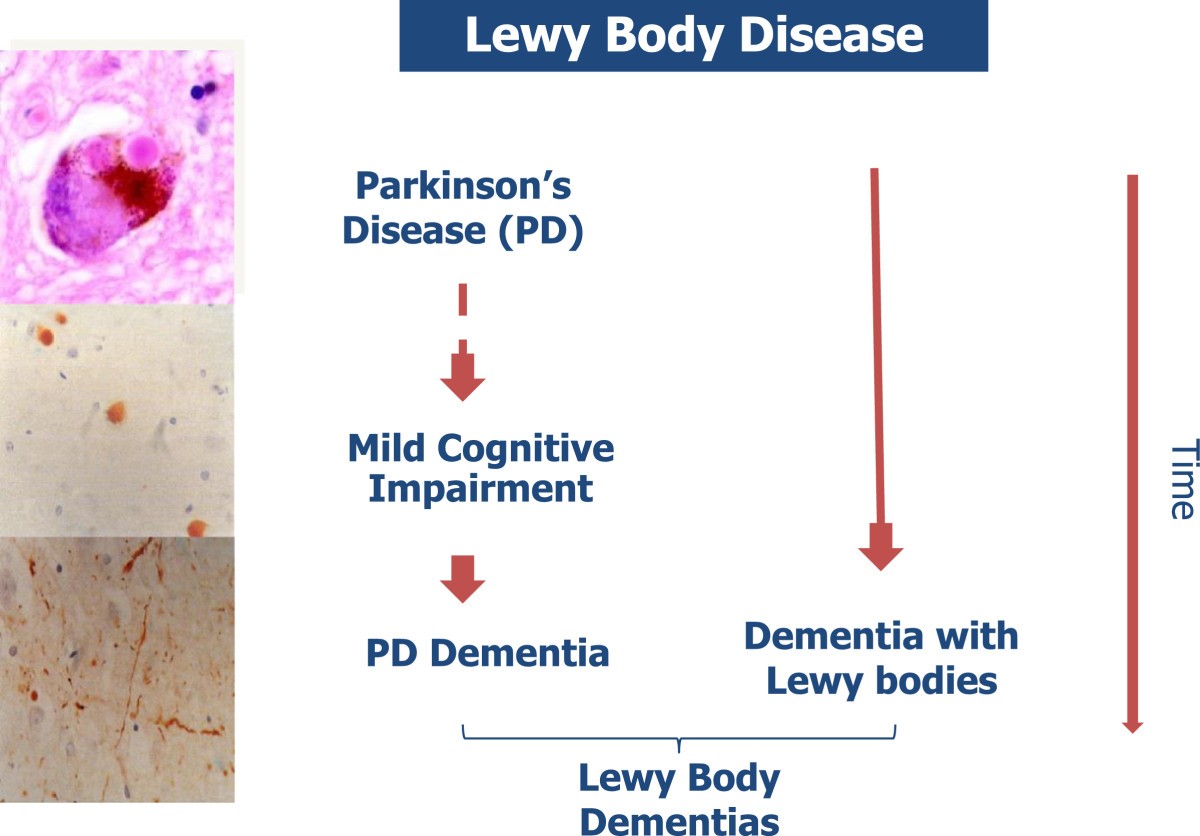
Lewy body dementia is an umbrella term encompassing two related diagnoses: dementia with Lewy bodies and Parkinson's disease dementia. The underlying pathology involves abnormal microscopic deposits of a protein called alpha-synuclein—known as Lewy bodies—inside the nerve cells of the brain. These deposits develop in regions that control thinking, memory, movement, and mood. Because these overlapping symptoms mirror other conditions like Alzheimer's disease and Parkinson's disease, LBD is notoriously difficult to diagnose accurately in its early stages.
The clinical presentation of LBD is distinct due to its fluctuating cognitive abilities. Individuals may experience sharp variations in attention and alertness from hour to hour or day to day. Visual hallucinations—often detailed and vivid—frequently occur early in the disease progression. Furthermore, movement abnormalities resembling Parkinson's disease, such as rigidity, slow movement (bradykinesia), tremors, and postural instability, significantly impair physical performance. Other core features include rapid eye movement (REM) sleep behavior disorder, where patients physically act out their dreams, and autonomic nervous system dysfunction, which can cause sudden drops in blood pressure and dizziness.
For performing artists, the early manifestations of LBD pose profound professional hazards. Memorizing lines, maintaining precise timing on stage or screen, managing complex physical blocking, and enduring grueling production schedules require peak cognitive and motor coordination. Subtle changes in concentration, mild tremors, or intermittent confusion can disrupt a career long before a definitive medical diagnosis is reached. Consequently, many actors continue to work through early symptoms, attributing them to normal aging, stress, or exhaustion, until the progression of the disease makes professional performance untenable.
Robin Williams and the Public Awareness of LBD
The tragic death of Academy Award-winning actor and comedian Robin Williams in 2014 brought global attention to Lewy body dementia. Following his passing, an autopsy revealed the widespread presence of diffuse Lewy bodies throughout his brain. Public disclosures from his widow, Susan Schneider Williams, detailed the terrifying, compounding symptoms he experienced in his final years—including escalating anxiety, depression, paranoia, loss of motor control, and fluctuating cognitive impairment that baffled medical professionals.
The case of Robin Williams transformed public understanding of LBD, moving it from an obscure medical diagnosis into mainstream discourse. Before the autopsy results were publicized, media speculation frequently focused solely on depression and mental health struggles. The revelation of advanced LBD highlighted how neurodegenerative pathology can profoundly alter mood, perception, and executive function, mimicking or exacerbating psychiatric conditions.
For the entertainment community and the general public, the disclosure underscored the invisible nature of the disease. Williams had been a legendary improviser and rapid-fire intellect; witnessing the cognitive erosion caused by LBD demonstrated how relentlessly the condition dismantles the core faculties of creative artists. His legacy catalyzed significant philanthropic and research efforts, leading to increased funding for the Lewy Body Dementia Association and empowering families facing similar diagnostic odysseys.
Other Notable Figures and Artistic Legacies
While Robin Williams remains the most widely cited case, other prominent figures in film, television, and the arts have faced public battles with Lewy body dementia, leaving lasting impressions on their industries and fans.
- Casey Kasem: The iconic American radio personality, voice actor, and host of American Top 40 suffered from Lewy body dementia in his final years. His high-profile medical struggles and subsequent family legal disputes highlighted the extreme vulnerability of individuals facing cognitive decline and the critical importance of clear healthcare proxies and estate planning.
- Estelle Getty: Best known for her beloved role as Sophia Petrillo on the television sitcom The Golden Girls, Getty experienced health decline in her later years. While initial reports and public discussions often focused on Alzheimer's disease or Parkinson's-related symptoms, subsequent medical evaluations and family statements clarified that she suffered from Lewy body pathology. Her comedic timing and sharp delivery had already cemented her legacy as a television icon before symptoms forced her retirement in 2000.
- Jerry Styler / Other Performers: Throughout the entertainment industry, numerous character actors, stage performers, and behind-the-scenes creatives have confronted LBD, though many choose to manage the diagnosis privately. The stigma historically attached to cognitive decline often leads families to keep diagnoses confidential until advanced stages, though an increasing cultural shift toward openness is helping dismantle this isolation.
Comparison of Neurodegenerative Disorders Affecting Performers
Understanding how Lewy body dementia differs from other common neurodegenerative conditions clarifies why its impact on actors can manifest so uniquely, particularly regarding the blend of psychiatric, motor, and cognitive symptoms.
| Feature | Lewy Body Dementia (LBD) | Alzheimer's Disease | Parkinson's Disease |
|---|---|---|---|
| Primary Early Symptom | Fluctuating cognition, visual hallucinations, REM sleep disorder | Short-term memory loss | Motor symptoms (tremors, rigidity, slowness) |
| Onset of Movement Issues | Early in the disease course (or concurrently with cognition) | Usually absent until late stages | Primary defining feature from the onset |
| Cognitive Fluctuations | Pronounced; sharp daily or hourly variations | Gradual, steady decline | Generally mild until late stages |
| Sensitivity to Medications | Extreme sensitivity to neuroleptics and antipsychotic drugs | Moderate; standard precautions apply | Worsened by dopamine-blocking agents |
| Impact on Acting/Performance | Disrupts focus, timing, physical movement, and visual perception simultaneously | Primarily impacts script retention and spatial navigation in later stages | Primarily impacts physical staging, voice projection, and motor control |
The Impact on Professional Careers and Industry Stigma
The collision between neurodegenerative disease and a career in the public eye creates unique personal and professional challenges. Acting and performance rely heavily on reputation, reliability, and the ability to deliver under pressure. When an actor begins experiencing the hallmark fluctuations of LBD—such as sudden confusion, episodes of unsteadiness, or difficulty retaining dialogue—directors, producers, and casting agents may misinterpret these symptoms as unprofessionalism, substance use, or general unreliability.
This dynamic often results in premature career termination and forced retirement. Unlike office environments where colleagues can sometimes absorb tasks or accommodate shifting productivity levels, film and theater productions operate on tight schedules and immense financial stakes. Consequently, actors experiencing early cognitive decline may find themselves quietly phased out of casting considerations.
Furthermore, the public nature of celebrity means that physical and cognitive changes are scrutinized by media outlets and social platforms. Rumors regarding health status can circulate rapidly, invading the privacy of the individual and their family during an already vulnerable period. Advocates and industry support organizations continue to push for greater accessibility, understanding, and confidentiality protections for aging artists, ensuring that those managing neurodegenerative conditions are treated with dignity and respect.
Clinical Challenges in Diagnosis and Medical Management
Diagnosing LBD in actors—and patients in general—remains a formidable challenge for neurologists and geriatricians. Because the clinical profile shares overlapping characteristics with Alzheimer's disease, Parkinson's disease, and psychiatric disorders like schizophrenia or major depression, misdiagnosis is common. Patients are frequently prescribed antipsychotic medications to manage hallucinations or behavioral disturbances; however, individuals with LBD can experience severe, life-threatening hypersensitivity to standard neuroleptic drugs, leading to profound catatonia, increased motor impairment, or rapid cognitive decline.
Management requires a multidisciplinary medical team, including neurologists, movement disorder specialists, geriatric psychiatrists, physical therapists, and speech-language pathologists. Treatment focuses on symptom mitigation rather than halting disease progression. Medications such as cholinesterase inhibitors may help manage cognitive and behavioral symptoms, while carefully managed dopaminergic therapies can address motor challenges without triggering severe psychiatric side effects. Non-pharmacological approaches, including physical therapy, occupational therapy, and environmental modifications, play an indispensable role in maintaining patient safety and quality of life.
Caregiver Support and Advocacy Networks
The burden of caring for an individual with Lewy body dementia is immense, often described by caregivers as combining the most challenging aspects of Alzheimer's disease and Parkinson's disease. Caregivers must navigate unpredictable cognitive fluctuations, sleep disturbances, rigorous medication schedules, and the physical demands of mobility assistance. For families of actors and public figures, this caregiving journey is frequently compounded by public curiosity and media intrusion.
Organizations such as the Lewy Body Dementia Association (LBDA) and the Alzheimer's Association provide critical resources, support groups, and educational materials tailored to families and healthcare professionals. These networks emphasize the importance of caregiver respite, legal planning, and specialized training to manage the complex behavioral symptoms associated with the disease. Increased public visibility driven by actors and their families has been instrumental in expanding these support systems and directing research funding toward effective biomarkers and disease-modifying therapies.
Next Steps and Navigating a Suspected Diagnosis
For individuals, families, or colleagues who suspect that an aging performer or loved one may be exhibiting signs of Lewy body dementia, taking prompt, structured action is essential:
- Consult a Specialist: Seek evaluation from a neurologist or a movement disorder specialist experienced in atypical parkinsonism and dementias rather than relying solely on general practitioners.
- Document Symptoms Maintain a Detailed Log: Keep a chronological record of cognitive fluctuations, sleep disturbances, visual disturbances, and motor changes to provide clinicians with accurate diagnostic data.
- Review Medications Thoroughly: Ensure all current prescriptions are evaluated by a knowledgeable physician to rule out drug-induced cognitive impairment or adverse interactions.
- Establish Legal and Financial Proxies: Address healthcare power of attorney, living wills, and financial management while the affected individual retains decision-making capacity.
- Connect with Support Communities: Reach out to organizations like the Lewy Body Dementia Association to access specialized care guides, support groups, and professional counseling.