Knowing that abo rh positive means understanding your blood type is fundamental to managing your healthcare, preparing for medical emergencies, and participating safely in community blood donation programs. Your blood type is determined by the presence or absence of specific inherited antigens on the surface of your red blood cells, forming a biological blueprint that dictates how your immune system interacts with foreign tissues.
The Biological Foundation of Blood Types
To understand what it means to be ABO and Rh positive, one must first look at the microscopic architecture of human blood. Blood is not a uniform fluid; it is a complex suspension of red blood cells, white blood cells, and platelets floating in plasma. The surface of every red blood cell is studded with various proteins, carbohydrates, and glycolipids. Among these, the molecules that dictate your primary blood group are the ABO antigens and the Rhesus (Rh) factor.
The ABO blood group system classifies human blood into four main types: A, B, AB, and O. These designations depend on whether your red blood cells carry Antigen A, Antigen B, both, or neither. Simultaneously, the Rhesus system determines whether an additional protein—known as the Rh factor or D antigen—is present. If you carry this protein, you are Rh positive. If you lack it, you are Rh negative.
When these two classification systems intersect, they produce the eight primary blood groups: A positive, A negative, B positive, B negative, AB positive, AB negative, O positive, and O negative. Being "ABO Rh positive" means you possess a specific combination of ABO antigens (which could be A, B, AB, or O) coupled with the presence of the Rh protein. For instance, if someone is specifically "A positive," they have Antigen A and the Rh factor. Understanding this baseline biology is crucial because the immune system actively polices the body for foreign substances. If it encounters red blood cells bearing antigens it does not recognize, it mounts an aggressive antibody defense, leading to potentially dangerous transfusion reactions.
Decoding the ABO System and Antigen Interactions
The ABO system is governed by a single gene located on chromosome 9, which encodes glycosyltransferases—enzymes that modify the carbohydrate content of red blood cell antigens. The inheritance of these traits follows classical Mendelian genetics, where alleles A and B are codominant, and allele O is recessive.
Antigen Classifications
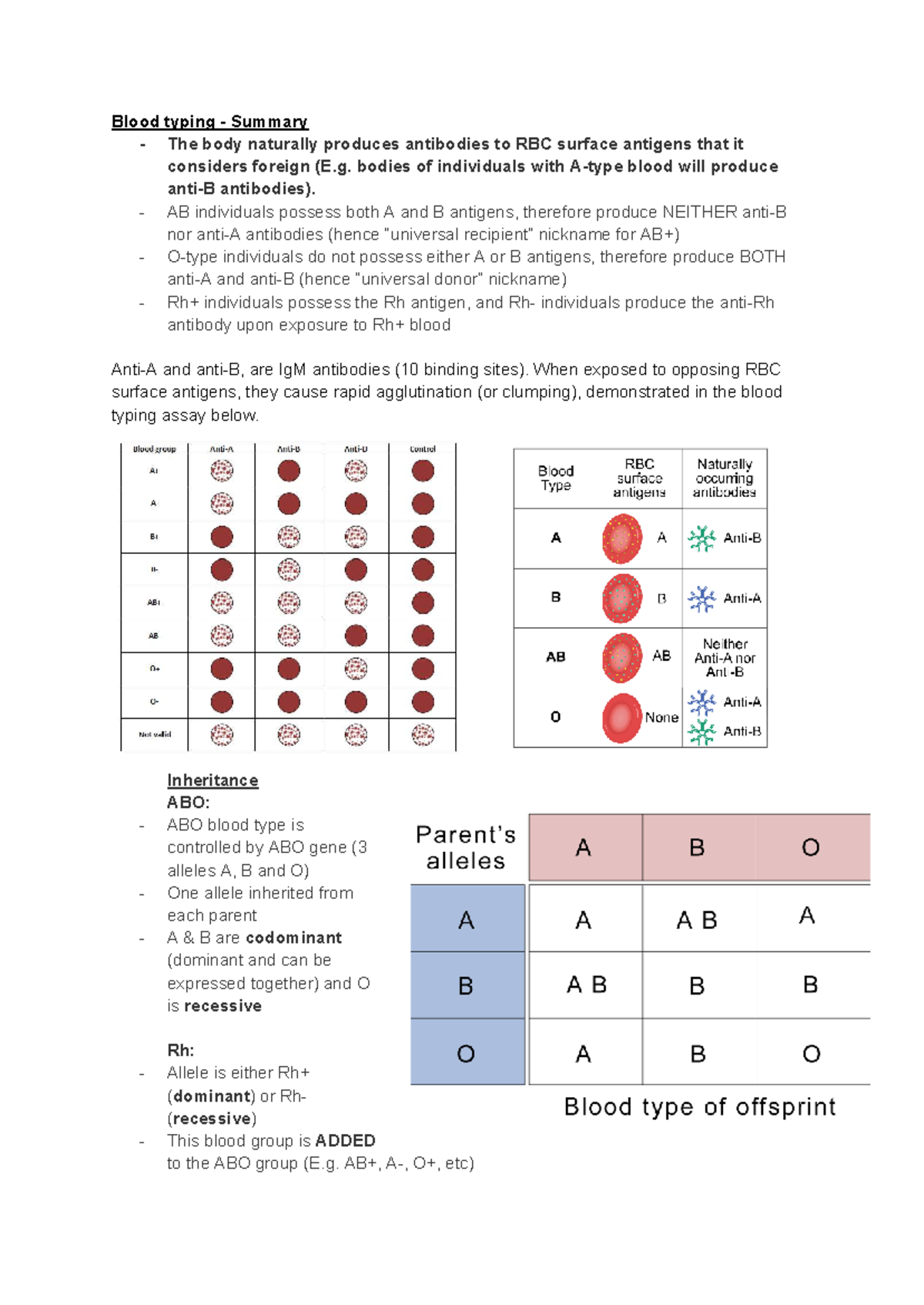
- Type A: Red blood cells display A antigens, and the blood plasma contains anti-B antibodies.
- Type B: Red blood cells display B antigens, and the blood plasma contains anti-A antibodies.
- Type AB: Red blood cells display both A and B antigens, and the plasma contains neither anti-A nor anti-B antibodies.
- Type O: Red blood cells display neither A nor B antigens, but the plasma contains both anti-A and anti-B antibodies.
Because of these naturally occurring antibodies, transfusion medicine requires strict compatibility matching. If a person with Type A blood receives Type B blood, their circulating anti-B antibodies will bind to the donor cells, causing agglutination (clumping) and hemolysis (destruction of red blood cells). This immune response can trigger kidney failure, shock, and severe systemic complications.
The Role of the Rh Factor (Rhesus Protein)
The Rhesus system is the second most significant blood group system in human transfusions, surpassed in complexity only by the ABO system. Discovered through studies on Rhesus macaques, the Rh factor involves more than 50 antigenic proteins, but the D antigen is by far the most immunogenic and clinically relevant.
When healthcare providers state that a patient is "Rh positive," they mean that the red blood cells express the D antigen. This trait is inherited independently of the ABO system and is determined by genes on chromosome 1. The allele for the presence of the Rh factor is dominant, meaning an individual only needs to inherit one copy of the dominant gene from either parent to express the Rh protein and be classified as Rh positive.
Clinical Significance of Rh Status
- Transfusion Safety: Rh-positive individuals can generally receive red blood cells from both Rh-positive and Rh-negative donors, because their immune systems recognize the D antigen as self. Conversely, Rh-negative individuals must typically receive Rh-negative blood to prevent sensitization and subsequent immune reactions.
- Pregnancy and Hemolytic Disease of the Newborn: Rh compatibility is critically important during pregnancy. If an Rh-negative mother carries an Rh-positive fetus, fetal red blood cells containing the D antigen may cross the placenta into the maternal circulation—often during delivery, miscarriage, or trauma. The mother's immune system perceives these cells as foreign and produces anti-D antibodies. While this rarely harms the first baby, in subsequent pregnancies with another Rh-positive fetus, these maternal antibodies can cross the placenta and attack the baby's red blood cells, causing hemolytic disease of the newborn (HDN). Modern prenatal care utilizes routine blood typing and prophylactic Rho(D) immune globulin injections to prevent this sensitization entirely.
Universal Compatibility and Clinical Roles
Every specific blood type combination occupies a unique role in clinical care and emergency medicine. Blood banks rely heavily on the statistical distribution of these types within the population to maintain adequate reserves for trauma care, surgical procedures, and chronic disease management.
| Blood Type Group | Antigens on Red Blood Cells | Antibodies in Plasma | Can Donate Red Blood Cells To | Can Receive Red Blood Cells From |
|---|---|---|---|---|
| O Positive | Rh | Anti-A, Anti-B | O+, A+, B+, AB+ | O+, O- |
| A Positive | A, Rh | Anti-B | A+, AB+ | A+, A-, O+, O- |
| B Positive | B, Rh | Anti-A | B+, AB+ | B+, B-, O+, O- |
| AB Positive | A, B, Rh | None | AB+ only | All blood types (Universal Recipient) |
| O Negative | None | Anti-A, Anti-B, Anti-Rh | All blood types (Universal Donor) | O- only |
| A Negative | A | Anti-B, Anti-Rh | A+, A-, AB+, AB- | A-, O- |
| B Negative | B | Anti-A, Anti-Rh | B+, B-, AB+, AB- | B-, O- |
| AB Negative | A, B | Anti-Rh | AB+, AB- | AB-, A-, B-, O- |
As outlined in the table, being Rh positive carries distinct logistical advantages in clinical supply chains. Because the global population is roughly 85% Rh positive, individuals with Rh-positive blood types represent the majority of both donors and recipients.
Furthermore, AB positive individuals are considered universal recipients for red blood cells because their plasma contains no antibodies against A, B, or Rh antigens, meaning their immune system will not attack transfused red blood cells of any major type. However, they can only donate red blood cells to other AB positive individuals. On the other hand, O positive blood is among the most frequently requested in emergency departments because it can be safely given to any male or post-menopausal female patient whose exact blood type is temporarily unknown during a massive hemorrhage protocol.
How Blood Type is Tested and Verified
Determining whether you are ABO and Rh positive requires a laboratory procedure known as blood typing or serological testing. This process typically involves two main steps: forward typing and reverse typing.
Forward Typing (Cell Typing)
In forward typing, laboratory technicians mix a sample of your red blood cells with commercially prepared anti-A and anti-B serums (which contain known antibodies).
- If your cells clump when mixed with anti-A serum, you have A antigens.
- If your cells clump when mixed with anti-B serum, you have B antigens.
- Technicians simultaneously test your cells with anti-D serum to determine your Rh status. If clumping occurs, you are Rh positive.
Reverse Typing (Serum Typing)
To confirm the results of forward typing, laboratories perform reverse typing. They mix your blood plasma with known samples of Type A and Type B red blood cells. Because the human body naturally develops antibodies against the antigens it lacks, this step cross-checks your plasma's antibody profile against your cellular antigen profile to ensure absolute accuracy.
According to guidelines from the World Health Organization, accurate blood grouping is a mandatory prerequisite for all transfusion services, transplant medicine, and prenatal care evaluations. Automated hematology analyzers and gel centrifugation techniques have largely replaced manual tile testing in modern clinical laboratories, minimizing human error and ensuring high-precision results.
Frequently Asked Questions
What does it mean if I am O positive?
Being O positive means your red blood cells lack both A and B antigens, but they do carry the Rhesus (Rh) protein. Your plasma contains both anti-A and anti-B antibodies. O positive is one of the most common blood types, and because it can be transfused into any positive-typed recipient, it is frequently utilized in emergency trauma situations.
Can an Rh-positive person receive Rh-negative blood?
Yes. Rh-positive individuals can safely receive red blood cells from both Rh-positive and Rh-negative donors. Because their immune systems already recognize the Rh protein as normal, the introduction of Rh-negative red blood cells (which simply lack the protein) does not trigger an adverse immune reaction.
Does my blood type change over the course of my life?
No. Your genetic blood type is determined at the moment of conception and remains constant throughout your life. While certain rare diseases, cancers, or severe infections can occasionally alter the surface expression of antigens temporarily, your underlying genetic blueprint does not change.
Why is Rh status important during pregnancy?
Rh status is critical because of potential immune incompatibilities between an Rh-negative mother and an Rh-positive fetus. If fetal blood cells cross into the maternal circulation, the mother may develop anti-D antibodies. These antibodies can attack the red blood cells of subsequent Rh-positive fetuses, causing hemolytic disease. Routine screening and preventive treatments effectively mitigate this risk.
How can I find out my exact blood type if I do not know it?
You can discover your blood type by reviewing your medical records through your healthcare provider's patient portal, asking your doctor to order a blood type test during a routine checkup, or donating blood through an organization like the American Red Cross, which tests every donation and provides donors with their official blood type.
Practical Next Steps for Patients and Donors
Knowing your ABO and Rh positive status is more than a trivial biological fact; it is vital health data that empowers you to act decisively in medical settings. If you do not currently know your blood type, request a blood typing test from your primary care physician during your next wellness visit, or check your existing electronic health records.
For healthy adults, one of the most impactful ways to utilize this knowledge is by registering to donate blood through recognized community health networks. Blood centers constantly monitor regional inventories for specific positive and negative groups, and knowing your exact classification helps ensure that your contributions are directed where they are most urgently needed. Keep a record of your blood type in your digital or physical wallet card alongside your emergency contact information so that this critical data is always accessible when seconds count.