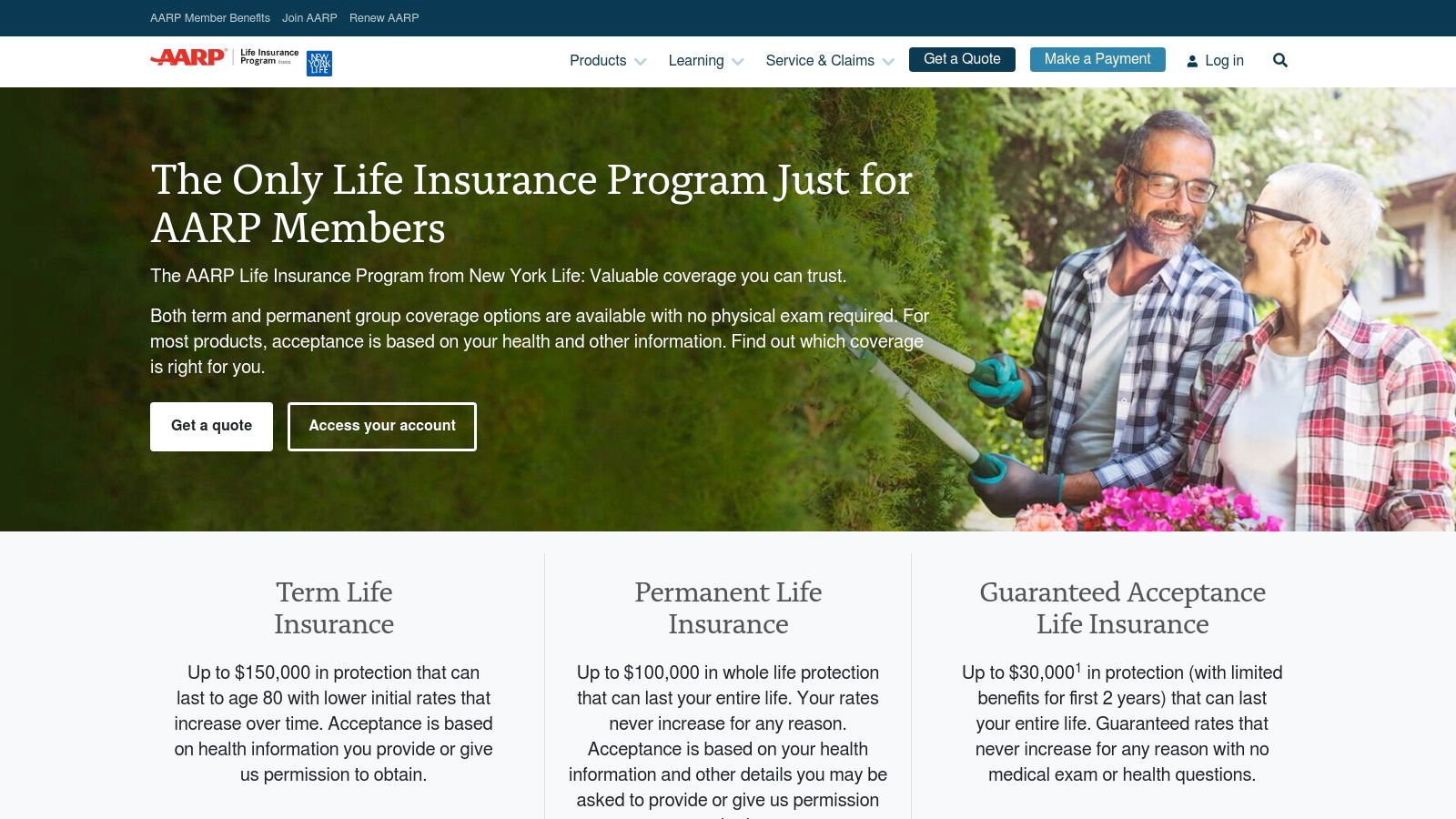
AARP life insurance programs in New York provide members with access to group life insurance policies underwritten by the New York Life Insurance Company. These products are designed specifically for AARP members, focusing on ease of entry, coverage for those who may have health concerns, and structured, age-appropriate financial protection that integrates with the broader AARP suite of member benefits.
Understanding the Relationship Between AARP and New York Life
To navigate the landscape of "AARP NY life insurance," it is essential to clarify the distinction between the two entities involved. AARP is a non-profit, non-partisan organization that advocates for people aged 50 and older. It does not act as an insurance carrier itself. Instead, AARP maintains a long-standing relationship with the New York Life Insurance Company.
New York Life serves as the underwriter for the insurance programs offered through the AARP Life Insurance Program. This means that while you interact with AARP for information and member access, the legal contract, claims processing, and financial backing for the policies are provided by New York Life. In New York, these products are subject to specific state regulations overseen by the New York State Department of Financial Services, ensuring that the policies meet the state’s rigorous standards for consumer protection and financial solvency.
Types of Coverage Available
The AARP Life Insurance Program underwritten by New York Life primarily offers two categories of coverage: Term Life and Permanent Life. Understanding the fundamental difference between these two is the most critical step in evaluating which policy suits your financial landscape in 2026.
Term Life Insurance
Term life insurance provides coverage for a specific period (the "term"). If the insured passes away during that term, the beneficiaries receive the death benefit. If the term expires and the policy is not renewed, the coverage ends.
- Structure: Premiums are typically level for the duration of the term, but may increase if the policy is renewed at an older age.
- Suitability: This is often chosen by individuals who have specific financial obligations—such as a mortgage or outstanding debts—that will eventually be paid off. It offers a higher death benefit for a lower initial cost compared to permanent policies.
Permanent Life Insurance (Whole Life)
Permanent life insurance, specifically the "Permanent Life" products offered through the AARP program, is designed to provide coverage for the remainder of the insured's life, provided premiums are paid.
- Cash Value: Unlike term policies, permanent policies build cash value over time on a tax-deferred basis. This component can be accessed for various financial needs.
- Stability: Because the coverage is intended to last for life, the premiums generally remain level throughout the life of the policy, offering predictability for those on fixed incomes.
Eligibility and Enrollment Requirements
Accessing these insurance products in New York requires a valid AARP membership. Because these are group policies, the underwriting process is often streamlined, though it is not "guaranteed issue" in every sense—health questions may still apply depending on the specific product and the face amount of coverage requested.
Membership Status
You must be an AARP member to apply. This membership can be obtained by individuals aged 50 and over. In 2026, membership benefits allow you to explore quotes, manage existing policies, and access customer service resources dedicated to the New York market.
Geographic and Regulatory Considerations
Residents of New York should be aware that the New York State Department of Financial Services (DFS) enforces unique rules regarding insurance solicitation and policy provisions. When applying, ensure you are utilizing the official AARP/New York Life portal to ensure the terms presented align with New York’s specific insurance mandates.
Comparison: Term vs. Permanent Insurance
Choosing between these two paths requires a clear understanding of your long-term goals. The following table provides a high-level comparison to aid in your decision-making process.
| Feature | Term Life Insurance | Permanent (Whole) Life |
|---|---|---|
| Duration | Fixed period (e.g., 10-20 years) | Lifetime |
| Cash Value | None | Yes, accumulates over time |
| Premiums | Lower initial cost, increases at renewal | Generally level for life |
| Primary Purpose | Temporary financial protection | Estate planning, final expenses |
| Renewability | Typically renewable up to a certain age | Guaranteed to remain in force |
Financial Strategy: Why Choose AARP-Endorsed Policies?
The primary advantage for members choosing New York Life insurance through AARP is the specialized design of the products for the 50+ demographic. Unlike "off-the-shelf" insurance policies found on the general market, these products often feature:
- Age-Appropriate Coverage: The benefit amounts and premium structures are calibrated for the life stages of AARP members, avoiding unnecessary features that can inflate costs for younger, healthier individuals.
- Simplified Underwriting: By utilizing a group insurance model, the application process is often less invasive than applying for a private, individual policy. This is particularly beneficial for members who may have minor, managed health conditions that would lead to higher premiums or rejection elsewhere.
- Credibility of Underwriter: New York Life is one of the largest mutual life insurance companies in the United States, maintaining high financial strength ratings from major agencies. This provides significant peace of mind regarding the long-term viability of the insurer.
Common Considerations and Potential Pitfalls
While the AARP Life Insurance Program is a robust option, it is not a "one-size-fits-all" solution. Prospective policyholders should avoid the following common mistakes:
Overestimating or Underestimating Need
A frequent error is purchasing a death benefit that is either too small to cover final expenses or too large, leading to unsustainable premiums. Before applying, conduct a "needs analysis." Calculate your final expenses, including funeral costs, outstanding medical bills, and any debts you wish to leave to heirs.
Confusing "Final Expense" with Wealth Transfer
Some permanent life policies offered through these programs are marketed as "Final Expense" insurance. While excellent for covering end-of-life costs, these are generally not suitable as vehicles for substantial wealth transfer or complex tax planning. If your goal is to leave a significant inheritance or bypass estate taxes, you may require a different type of financial instrument.
Ignoring the Impact of Inflation
If you purchase a level-term policy in 2026, the purchasing power of that death benefit will naturally decline over the years due to inflation. When planning your coverage, consider whether the benefit amount will be sufficient for your family’s needs a decade or two into the future.
How to Verify Your Coverage and Seek Guidance
If you currently hold a policy or are in the process of applying, managing your documentation through the official New York Life/AARP portal is the standard procedure. For New York residents, your policy documentation will include specific riders and disclosures required by the state.
- Review the Policy Jacket: This document contains the legal terms, exclusions, and conditions of your coverage. Never rely solely on marketing brochures.
- Consult a Financial Advisor: Because life insurance can impact your tax situation and estate planning, it is often wise to review any significant insurance purchase with a certified financial planner. Ensure they are aware of the specific "Group Life" nature of the AARP policy.
- Contact the Underwriter: If you have questions regarding a claim or a policy change, contact New York Life directly. Their agents are trained to explain the specifics of the AARP-endorsed products.
Frequently Asked Questions
Is the life insurance offered through AARP actually provided by AARP?
No. AARP provides the platform and the endorsement, but the insurance policies are legally underwritten and administered by the New York Life Insurance Company. All contractual obligations, including death benefits, are the sole responsibility of New York Life.
Can I get life insurance through AARP if I have a pre-existing medical condition?
The program is designed to be accessible, and the underwriting process is often more streamlined than for private policies. However, eligibility is not guaranteed. Depending on the product and the coverage amount you request, you may be asked to answer health-related questions.
Are premiums for AARP-endorsed life insurance cheaper than other policies?
"Cheaper" is relative. Because these are group policies, the rates are highly competitive for the 50+ demographic. However, the best way to determine value is to compare the "cost per thousand" of the death benefit against similar policies from other top-tier carriers, ensuring you are comparing the same type of product (Term vs. Whole).
What happens to my insurance if I drop my AARP membership?
Generally, once a policy is issued, it remains in force as long as the premiums are paid, regardless of your AARP membership status. However, it is always recommended to check your specific policy certificate for any language regarding membership requirements for certain features or renewals.
How does New York state law affect my AARP life insurance policy?
New York has specific insurance regulations that govern the content of life insurance contracts, the grace periods for premium payments, and the disclosure of information to consumers. Your policy will include specific state-mandated riders that ensure your contract complies with New York’s consumer protection laws.
Conclusion: Taking the Next Step
Evaluating your life insurance needs is a proactive step in securing your family’s financial future. For AARP members in New York, the program offered through New York Life provides a balance of institutional stability and accessible coverage.
Your next action should be to perform a thorough audit of your current financial obligations. Once you have a clear figure in mind for your potential death benefit needs, use the AARP/New York Life online portal to obtain a personalized quote. Review the policy provisions carefully, paying close attention to the definition of "terminal illness" riders and any limitations on coverage amounts. If your financial situation is complex, consider consulting with a licensed, independent insurance professional who can compare these offerings against the broader market to ensure the coverage you select aligns perfectly with your goals for 2026 and beyond.