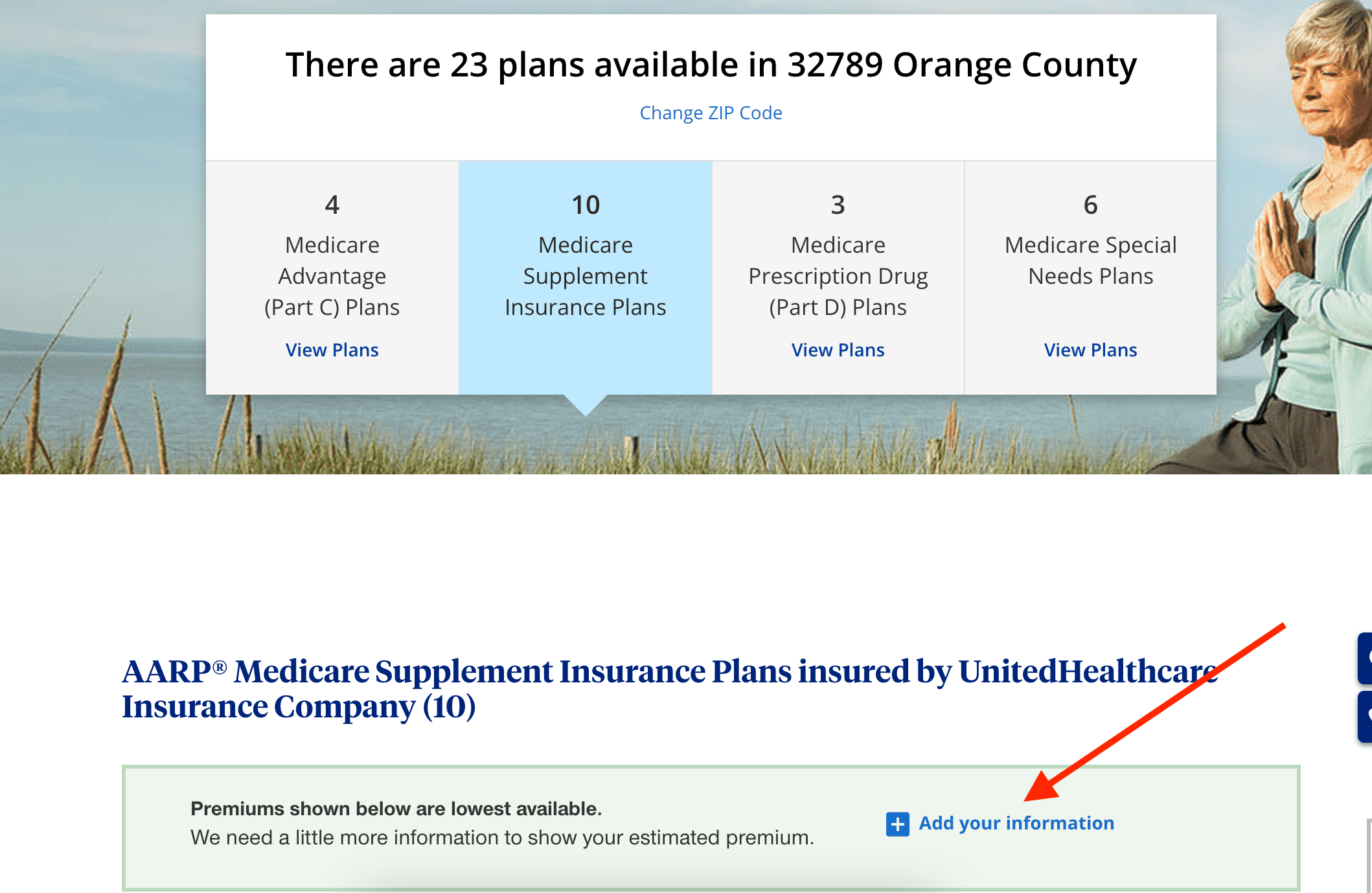
AARP Medicare Supplement plans insured by UnitedHealthcare are standardized Medigap policies designed to help pay for out-of-pocket costs not covered by Original Medicare, such as copayments, coinsurance, and deductibles. Available to eligible Medicare beneficiaries who are typically members of AARP, these plans offer predictable healthcare expenses and the freedom to see any doctor who accepts Medicare patients.
Navigating the landscape of Medicare coverage can often feel overwhelming, particularly when trying to reconcile the gaps left by Original Medicare (Part A and Part B). For millions of Americans, Medicare Supplement Insurance—commonly known as Medigap—serves as a vital financial safety net. When paired with the organizational advocacy of AARP and the nationwide administrative capabilities of UnitedHealthcare, these policies represent some of the most recognized supplemental insurance options in the United States.
Understanding how these plans operate requires examining the structural relationship between AARP, UnitedHealthcare, and the federal Medicare program. Beneficiaries must navigate specific eligibility rules, enrollment windows, standardized lettered plan categories, and pricing mechanisms to select a policy that aligns with their medical and financial needs for 2026 and beyond.
Understanding the Relationship Between AARP, UnitedHealthcare, and Medicare
To fully comprehend AARP Medicare Supplement plans, it is essential to distinguish between the entities involved in their creation, endorsement, and administration. AARP itself is a non-profit, non-partisan organization dedicated to empowering Americans aged 50 and older. While AARP advocates for policy changes and provides educational resources, it does not directly underwrite, issue, or administer insurance policies.
Instead, AARP licenses its intellectual property and name to UnitedHealthcare, one of the largest healthcare and insurance companies in the United States. UnitedHealthcare Insurance Company (and its affiliates) designs, underwrites, administers, and services the Medigap policies that carry the AARP brand. When a consumer purchases an "AARP Medicare Supplement plan," they are entering into a legal contract with UnitedHealthcare, and their premiums are paid directly to UnitedHealthcare.
It is also vital to separate Medigap policies from Medicare Advantage (Part C) and Medicare Part D (prescription drug coverage). Original Medicare consists of Part A (hospital insurance) and Part B (medical insurance). Medigap plans work exclusively alongside Original Medicare. They do not replace Original Medicare, nor are they structured as Medicare Advantage plans, which typically bundle hospital, medical, and often prescription drug coverage into a single managed-care plan. Furthermore, standard Medigap policies do not include outpatient prescription drug coverage; beneficiaries requiring prescription coverage must enroll in a standalone Medicare Part D plan.
Eligibility, Membership Requirements, and Enrollment Windows
Enrolling in an AARP Medicare Supplement plan requires meeting specific federal, state, and organizational criteria. Because these plans are endorsed by AARP, applicants are generally required to be members of AARP to apply for and maintain coverage. Fortunately, AARP membership is open to individuals of any age, usually for a nominal annual fee.
From a federal regulatory standpoint, the foundational eligibility requirement for any Medigap policy is enrollment in both Medicare Part A and Medicare Part B. Beneficiaries must continue to pay their monthly Medicare Part B premium, in addition to the separate monthly premium charged by UnitedHealthcare for the Medigap policy.
The Medigap Open Enrollment Period
The most advantageous time to enroll in an AARP Medicare Supplement plan is during the Medigap Open Enrollment Period. This is a one-time, federally protected six-month window that begins on the first day of the month in which an individual is both age 65 or older and enrolled in Medicare Part B.
During this open enrollment window:
- Insurance companies cannot deny coverage based on pre-existing medical conditions.
- Insurers cannot charge higher premiums due to health status, medical history, or claims history (a process known as medical underwriting).
- Applicants are guaranteed acceptance into any Medigap plan sold in their state by UnitedHealthcare, provided they apply within the window.
Guaranteed Issue Rights
Outside of the initial Open Enrollment Period, federal and state laws protect consumers in specific circumstances, granting them Guaranteed Issue Rights (often called "evidence of insurability" exceptions). These rights allow beneficiaries to buy a Medigap policy without medical underwriting during specific qualifying life events. Examples include losing employer-sponsored coverage, moving out of a Medicare Advantage plan's service area, or dropping a Medicare Advantage plan within its trial period. Without an open enrollment window or a guaranteed issue right, applicants may be subjected to medical underwriting, meaning UnitedHealthcare can review health history and potentially deny coverage or charge higher rates based on pre-existing conditions.
Standardized Medigap Plan Options
The federal government, in coordination with the Centers for Medicare & Medicaid Services (CMS), standardizes Medigap policies. This means that a Plan G offered by UnitedHealthcare provides the exact same core state-regulated coverage benefits as a Plan G offered by any other insurance provider. The primary differences among insurers lie in their premium pricing structures, customer service reputations, and value-added extra programs.
UnitedHealthcare offers several standardized AARP Medicare Supplement plans, though availability can vary by state. Below is a comparison of the most commonly available plans:
| Plan Letter | Medicare Part A Coinsurance & Hospital Costs | Medicare Part B Copay / Coinsurance | Blood (First 3 Pints) | Skilled Nursing Facility Coinsurance | Medicare Part A Hospice Coinsurance | Medicare Part B Excess Charges | Foreign Travel Emergency (Up to Limits) |
|---|---|---|---|---|---|---|---|
| Plan A | Covered (100%) | Covered (100%) | Covered (100%) | Not Covered | Covered (100%) | Not Covered | Not Covered |
| Plan C | Covered (100%) | Covered (100%) | Covered (100%) | Covered (100%) | Covered (100%) | Not Covered | Covered (80%) |
| Plan F | Covered (100%) | Covered (100%) | Covered (100%) | Covered (100%) | Covered (100%) | Covered (100%) | Covered (80%) |
| Plan G | Covered (100%) | Covered (100%) | Covered (100%) | Covered (100%) | Covered (100%) | Covered (100%) | Covered (80%) |
| Plan N | Covered (100%) | Covered (100%*) | Covered (100%) | Covered (100%) | Covered (100%) | Not Covered | Covered (80%) |
*Plan N requires copayments of up to $20 for certain office visits and up to $50 for emergency room visits that do not result in an inpatient admission.
Examining Plan G and Plan N
In contemporary healthcare planning, Plan G and Plan N have emerged as the primary choices for most new Medicare beneficiaries.
- Plan G covers nearly all out-of-pocket costs left by Original Medicare, with the sole exception of the annual Medicare Part B deductible (which changes annually). Once the Part B deductible is met, Plan G covers 100% of approved medical expenses, making it popular for those seeking predictable healthcare expenditures.
- Plan N offers a lower monthly premium alternative by requiring cost-sharing mechanisms. Under Plan N, beneficiaries pay the Part B deductible, office visit copayments up to $20, and emergency room copayments up to $50 if not admitted. Crucially, Plan N does not cover Medicare Part B excess charges (the amount a doctor is legally permitted to charge above the Medicare-approved amount, up to 15%), though relatively few doctors charge excess charges.
Notes on Plans C and F
Plans C and F cover the Medicare Part B deductible. However, federal legislation restricted the sale of plans that cover the Part B deductible to individuals who became eligible for Medicare before January 1, 2020. Consequently, individuals newly eligible for Medicare in 2026 or later cannot purchase Plan C or Plan F, though existing policyholders who secured them prior to the deadline may generally maintain their coverage.
Premium Pricing Structures and Financial Considerations
Understanding how UnitedHealthcare prices AARP Medicare Supplement plans is essential for long-term financial planning. Medigap insurers use three distinct pricing methodologies to determine monthly premiums:
- Community-Rated (No-Age-Rated): The monthly premium is the same for everyone in a given geographic area, regardless of age. Premiums do not increase simply because the policyholder gets older, though they may adjust for inflation and medical cost trends.
- Issue-Age-Rated: The premium is based on the age of the insured at the time the policy is purchased. Premiums are lower for younger buyers and remain level as the policyholder ages, though general rate adjustments still apply.
- Attained-Age-Rated: The premium is based on the current age of the insured, meaning the premium increases automatically as the policyholder grows older, in addition to inflation-based adjustments.
When evaluating an AARP Medicare Supplement plan, consumers should request a rate history from UnitedHealthcare or state insurance commissioners to understand how aggressively rates tend to climb over time within a specific rating structure.
Household Discounts and Value-Added Benefits
Many AARP Medicare Supplement plans administered by UnitedHealthcare offer a household discount (typically ranging from 5% to 10%) for eligible policyholders who live with another adult, a spouse, or a family member who also holds an eligible AARP Medigap policy with UnitedHealthcare.
Additionally, these plans often include non-insurance value-added features, such as access to fitness programs (like Renew Active, which includes a gym membership and cognitive exercises), vision and hearing discount programs, and a dedicated customer service helpline tailored to AARP members. It is important to note that these value-added perks are not part of the standardized government-regulated insurance contract and can be modified or discontinued by UnitedHealthcare.
Network Freedom and Claim Processing
One of the most defining operational characteristics of AARP Medicare Supplement plans is the absence of restrictive provider networks. Unlike Medicare Advantage plans, which frequently rely on Health Maintenance Organization (HMO) or Preferred Provider Organization (PPO) networks that limit care to specific regional doctors and hospitals, Medigap policies operate on a nationwide acceptance model.
Because AARP Medigap plans supplement Original Medicare, policyholders can visit any doctor, specialist, or hospital in the United States that accepts Medicare patients. There are no primary care physician (PCP) assignment requirements, and referrals are never required to see a specialist. This makes AARP Medicare Supplement plans particularly attractive for retirees who travel frequently within the United States or maintain multiple residences across different states.
Furthermore, UnitedHealthcare utilizes the Medicare crossover process for the vast majority of claims. When a beneficiary receives medical care, the healthcare provider submits the claim directly to Medicare. Once Medicare processes its share of the payment, Medicare automatically forwards ("crosses over") the remaining balance directly to UnitedHealthcare. UnitedHealthcare then processes the supplemental payment and pays the provider or reimburses the policyholder, minimizing administrative paperwork for the patient.
Common Mistakes to Avoid When Choosing a Medigap Plan
Navigating supplemental insurance involves several structural pitfalls that can lead to unexpected expenses or coverage gaps. Avoiding these common errors ensures a smoother healthcare experience:
- Confusing Medigap with Medicare Advantage: Enrolling in an AARP Medicare Supplement plan while simultaneously enrolled in a Medicare Advantage plan is illegal and redundant. Medigap plans only work with Original Medicare (Parts A and B).
- Missing the Open Enrollment Window: Assuming that medical underwriting can be easily bypassed at any time is a frequent miscalculation. Failing to enroll during the initial six-month Medigap Open Enrollment Period can result in denial of coverage or prohibitive pricing due to pre-existing conditions.
- Overlooking Prescription Drug Coverage: Forgetting to pair a Medigap policy with a separate Medicare Part D prescription drug plan is a critical error. Because Medigap plans do not cover outpatient prescription drugs, beneficiaries must enroll in Part D to avoid coverage penalties.
- Focusing Solely on the Initial Premium: Choosing a plan strictly based on the lowest introductory rate without investigating the insurer's historical rate increases or rating structure can lead to unsustainable premium spikes in later years.
Frequently Asked Questions
Can I be dropped from my AARP Medicare Supplement plan if I develop a serious health condition?
No. All Medigap policies, including those administered by UnitedHealthcare, are guaranteed renewable. As long as you pay your monthly premiums on time and did not make material misrepresentations on your initial application, UnitedHealthcare cannot cancel your policy, regardless of changes in your health status or how frequently you use medical services.
Do AARP Medicare Supplement plans cover dental, vision, or hearing care?
Standardized Medigap plans do not provide comprehensive coverage for routine dental care, routine eye exams, eyeglasses, or hearing aids. While UnitedHealthcare may bundle discounted access programs or optional riders in certain states, these services are largely excluded from core Medigap benefits. Beneficiaries requiring dental or vision coverage typically must purchase separate standalone dental and vision insurance policies.
Can I switch from a Medicare Advantage plan to an AARP Medicare Supplement plan?
Yes, but switching depends on timing and medical underwriting. You can change during the annual Medicare Advantage Open Enrollment Period (January 1 to March 31) or the Fall Open Enrollment Period (October 15 to December 7), but transitioning to a Medigap plan outside of your initial Medigap Open Enrollment Period or a guaranteed issue right generally requires passing medical underwriting. UnitedHealthcare can review your health history and may deny coverage based on pre-existing conditions.
Do I need to remain an AARP member to keep my UnitedHealthcare Medigap plan?
Generally, yes. Maintaining your policy requires maintaining your AARP membership. If your AARP membership lapses, UnitedHealthcare typically provides a grace period to renew your membership, but failure to do so can ultimately result in the termination of the insurance policy.
How do I file claims with an AARP Medicare Supplement plan?
In most cases, you do not need to file claims yourself. Because of the electronic crossover system between Medicare and UnitedHealthcare, your medical provider will submit the claim to Medicare first. Medicare processes the claim and automatically forwards the remaining balance to UnitedHealthcare for payment, streamlining the entire reimbursement process.
Practical Next Actions and Verification
Selecting an AARP Medicare Supplement plan requires careful synchronization with your broader retirement and healthcare timeline. To initiate or evaluate coverage effectively, consider taking the following steps:
- Verify Your Medicare Status: Ensure that you are officially enrolled in both Medicare Part A and Medicare Part B, and note the exact effective date of your Part B coverage to determine your personal Medigap Open Enrollment window.
- Check Current AARP Membership: Confirm active membership with AARP or join the organization online to satisfy the foundational prerequisite for policy application.
- Compare Plan Letters: Evaluate whether Plan G, Plan N, or another standardized lettered plan best matches your risk tolerance, preference for predictable monthly costs, and anticipated healthcare utilization.
- Review State-Specific Pricing: Visit the official Medicare Plan Finder tool or contact UnitedHealthcare directly to review verified rate quotes, rating structures (community, issue-age, or attained-age), and availability in your specific ZIP code.
Disclaimer: Health insurance regulations, premiums, and plan availability vary by state and are subject to change. Consult official government resources at Medicare.gov or licensed insurance professionals before making final coverage decisions.