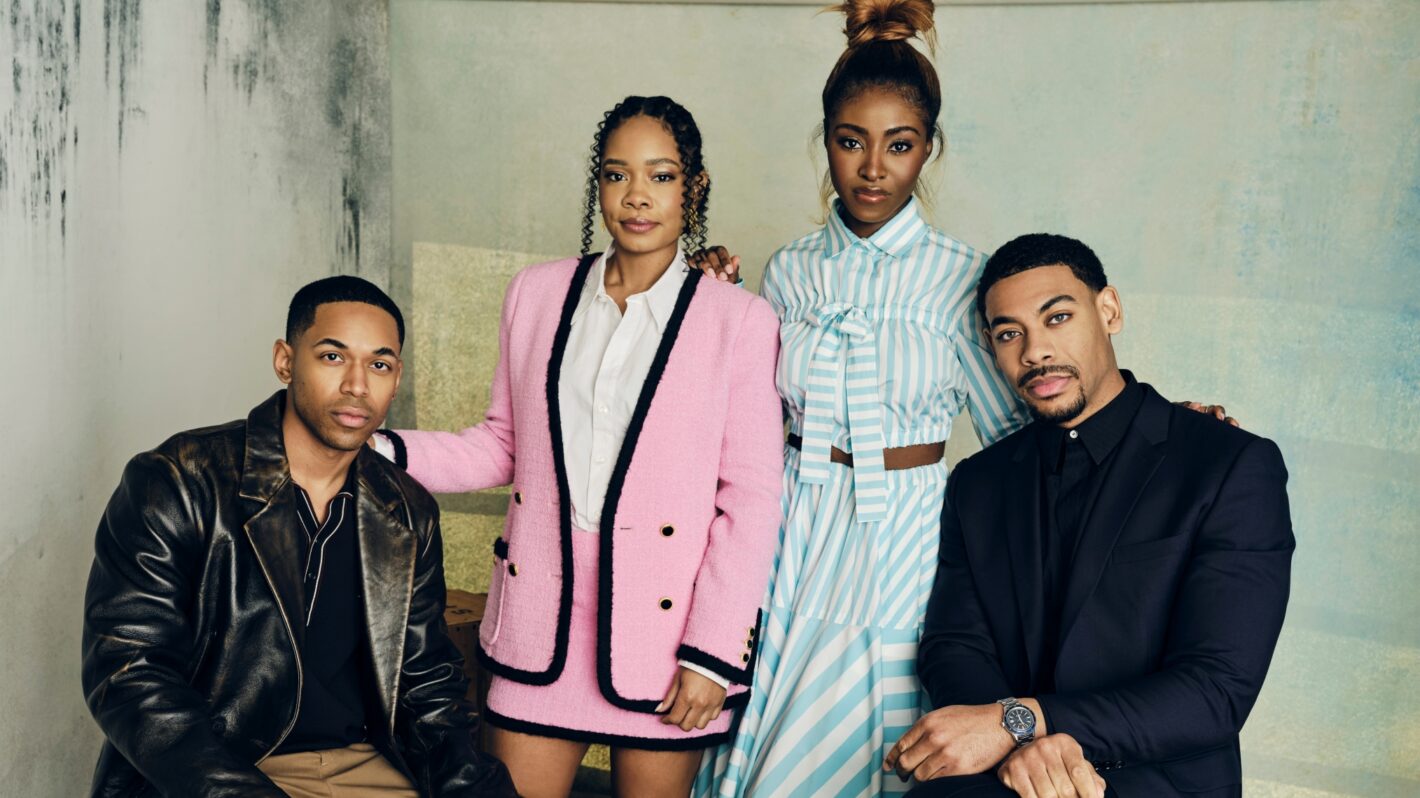
Aaron Pierre and Kelvin Harrison Jr. have emerged as two of the most compelling actors of their generation, with their striking cinematic presences frequently captured by leading fashion, portrait, and fine-art photographers. Their dynamic features, expressive range, and rising global profiles have made them sought-after subjects in contemporary portraiture, bridging the gap between traditional cinematic promotion and high-concept visual art.
The visual representation of Aaron Pierre and Kelvin Harrison Jr. in photography offers a fascinating study in modern portraiture, highlighting how contemporary image-makers utilize lighting, texture, and mood to capture the distinct identities of rising Black cinematic talent. As both actors take on increasingly prominent roles in major film and television projects, their presence in high-profile photo shoots provides a window into the evolving intersection of modern fashion photography, character study, and cultural representation. This exploration examines the distinct visual identities of Pierre and Harrison Jr. through the lens of modern photography, analyzing how photographers translate their screen personas into still imagery, the stylistic approaches commonly used, and the broader impact of these visual collaborations.
The Evolution of Portraiture for Emerging Cinematic Talent
The transition from motion picture performance to still photography requires a unique synergy between the subject and the lens. For actors like Aaron Pierre and Kelvin Harrison Jr., photography serves not merely as promotional collateral for upcoming releases, but as a medium for artistic expression that establishes their public personas. In contemporary visual culture, the portrait has become an essential tool for shaping how an actor is perceived outside of a specific character, blending personal style with high-fashion aesthetics.
Portrait photographers working with rising stars often seek to balance the actor's innate physical characteristics with the thematic resonance of their current work. Aaron Pierre, known for his imposing physical stature, deep voice, and intense gaze, often inspires photographers to lean into stark, dramatic lighting setups that emphasize shadow and structure. Conversely, Kelvin Harrison Jr., celebrated for his chameleon-like versatility and emotionally vulnerable performances, frequently collaborates with image-makers who utilize softer palettes, fluid styling, and narrative-driven compositions.
This divergence in visual approach underscores a broader shift in how portraiture captures contemporary performers. Rather than relying on standard headshots or conventional promotional poses, modern editorial photography treats these actors as canvases for conceptual storytelling. By analyzing the intersection of their cinematic careers and their photographic portfolios, observers can trace how visual artists use composition to translate the weight of narrative performance into a single, static frame.
Stylistic Approaches in Capturing Aaron Pierre
Aaron Pierre’s visual presence in photography is heavily defined by his sculptural silhouette and commanding intensity. Photographers shooting Pierre frequently employ specific techniques to highlight his physical architecture and theatrical gravity.
High-Contrast and Chiaroscuro Lighting
One of the most recurring motifs in photography featuring Aaron Pierre is the use of dramatic, high-contrast lighting. By utilizing strong directional light sources, photographers carve out his facial structure, creating deep shadows that evoke classic cinematic traditions such as film noir and golden-age Hollywood portraiture. This approach aligns with roles that emphasize authority, quiet strength, and moral complexity.
Textural Depth and Minimalist Styling
Editorial spreads featuring Pierre often favor minimalist styling—such as tailored outerwear, heavy wools, or unadorned knitwear—that allows his natural form to anchor the composition. The focus remains on skin texture, expression, and posture. Photographers often avoid excessive props or cluttered environments, choosing instead neutral studio backgrounds or stark architectural backdrops that amplify his sense of scale and presence.
Stylistic Approaches in Capturing Kelvin Harrison Jr.
Kelvin Harrison Jr. approaches photography with a distinct fluidity, often embodying a more eclectic, avant-garde aesthetic that mirrors his diverse filmography. His visual collaborations frequently explore themes of vulnerability, fashion-forward styling, and emotional range.
Ethereal and Painterly Aesthetics
In contrast to the stark, architectural lines often used to frame Pierre, photography featuring Harrison Jr. frequently incorporates softer, painterly qualities. Image-makers utilize diffused natural light, warm color grading, and textured backdrops reminiscent of classical oil paintings. This style highlights his expressive eyes and versatile features, allowing for portraits that feel intimate, introspective, and emotionally charged.
Experimental Fashion and Bold Color Palettes
Harrison Jr. is widely recognized for his willingness to embrace boundary-pushing fashion, making him a favorite for contemporary style publications. Photographers leverage this by pairing him with avant-garde garments, unexpected color palettes, and playful accessories. The resulting images are dynamic and energetic, capturing a modern artistic sensibility that refuses to conform to rigid archetypes of masculinity in media.
Comparative Overview of Photographic Treatments
To understand how contemporary photographers adapt their methods to different cinematic subjects, it is helpful to examine the contrasting visual strategies applied to Pierre and Harrison Jr. across various editorial contexts.
| Photographic Element | Aaron Pierre | Kelvin Harrison Jr. |
|---|---|---|
| Primary Lighting Style | High-contrast, chiaroscuro, dramatic directional lighting | Diffused natural light, soft gradients, warm tones |
| Common Backgrounds | Architectural monoliths, neutral studio cycloramas, stark shadows | Textured sets, outdoor environments, artistic props |
| Styling Preferences | Structured tailoring, heavy fabrics, minimalist silhouettes | Avant-garde fashion, fluid textiles, vibrant color palettes |
| Emotional Resonance | Authority, grounded intensity, stoic contemplation | Vulnerability, expressive dynamism, introspective nuance |
The Role of Fashion Magazines and Independent Publications
The dissemination of these portraits relies heavily on a mix of mainstream fashion bibles, independent print magazines, and digital platforms. Publications such as GQ, The Hollywood Reporter, Interview Magazine, and various independent style journals have played a pivotal role in shaping the visual narratives surrounding both actors.
In these features, the photography often breaks away from standard promotional junket imagery. Instead, creative directors and photographers collaborate to build mini-narratives within the pages of a magazine. For instance, a shoot accompanying an interview might place Pierre in a brutalist urban landscape to mirror the themes of displacement and resilience found in his dramatic roles, while Harrison Jr. might be photographed in a surrealist, art-directed set that reflects the eclectic nature of his artistic pursuits.
This collaborative process elevates the status of the actors from mere subjects to active participants in contemporary visual art. By choosing to work with innovative photographers and stylists, Pierre and Harrison Jr. actively curate their public images as modern style icons and serious dramatic artists.
Common Themes and Intersection Points
Despite their distinct visual signatures, the photography of Aaron Pierre and Kelvin Harrison Jr. intersects in significant ways, particularly regarding representation and the subversion of traditional Hollywood casting tropes. For decades, Black actors in cinema and fashion photography were frequently subjected to flattening stereotypes or homogenized styling. The current wave of portraiture celebrating actors like Pierre and Harrison Jr. rejects this uniformity.
Photographers today emphasize individual agency, celebrating the unique physical and emotional spectrums of their subjects. Whether capturing Pierre’s monumental stillness or Harrison Jr.’s mercurial expressiveness, modern image-makers prioritize authenticity and artistic depth over conventional glamor. This shift not only elevates the quality of the photography but also broadens the cultural understanding of modern masculinity and representation in the arts.
Frequently Asked Questions
What defines the photographic style commonly associated with Aaron Pierre?
Photography featuring Aaron Pierre typically relies on strong structural lines, high-contrast lighting, and minimalist backdrops. These elements are chosen to accentuate his height, physical presence, and intense, grounded screen persona.
How does Kelvin Harrison Jr.’s approach to portraiture differ from traditional actor headshots?
Kelvin Harrison Jr. frequently collaborates on avant-garde, fashion-forward editorials that embrace soft lighting, experimental styling, and emotional vulnerability. This sets his photographic portfolio apart from standard promotional headshots by treating each image as a piece of conceptual art.
Where are these portrait series typically published?
These visual collaborations generally appear in high-end fashion magazines, culture publications, independent art journals, and digital portfolios of the respective photographers and stylists involved in the shoots.
Why is contemporary portrait photography important for rising cinematic talent?
Portrait photography allows actors to establish a distinct public identity separate from specific film characters. It bridges the gap between commercial promotion and fine art, enabling performers to collaborate with leading visual artists and shape their cultural legacy.
Practical Next Actions for Photography Enthusiasts and Researchers
For those looking to explore the intersection of contemporary portraiture and modern cinema further, several practical steps can deepen your understanding of the craft:
- Study the Portfolios of Collaborating Photographers: Research the specific image-makers, lighting directors, and stylists who work on major editorial spreads featuring contemporary actors. Analyzing their lighting setups and compositional choices offers valuable lessons in modern portraiture.
- Examine Editorial Layouts: Look beyond single images to examine full magazine spreads. Pay attention to how sequencing, color grading, and typography work together to tell a cohesive visual story about a subject.
- Analyze Cinematic Parallels: Compare the still photography of actors like Aaron Pierre and Kelvin Harrison Jr. with their actual film performances to see how portrait photographers translate movement, voice, and narrative tension into a single frame.