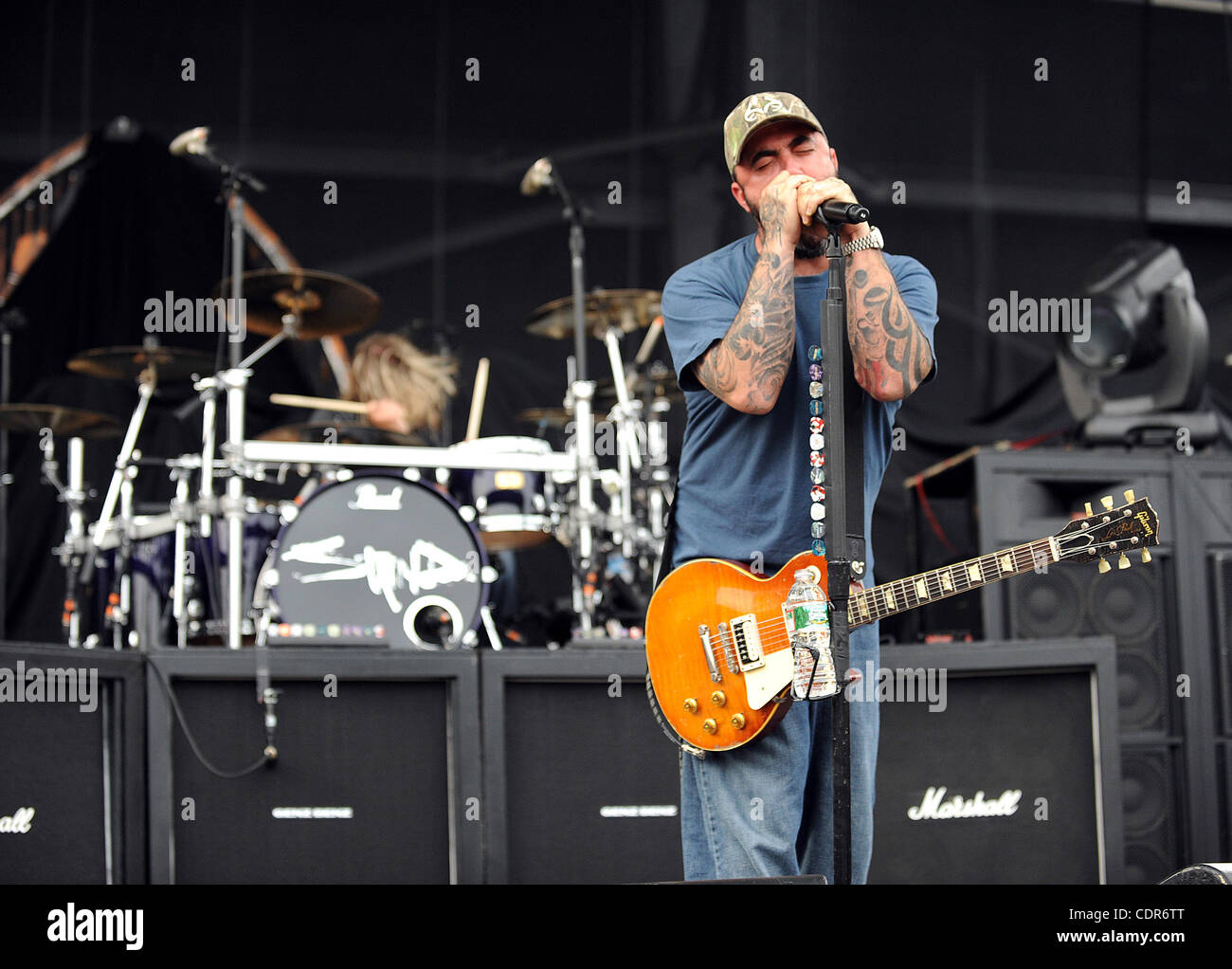
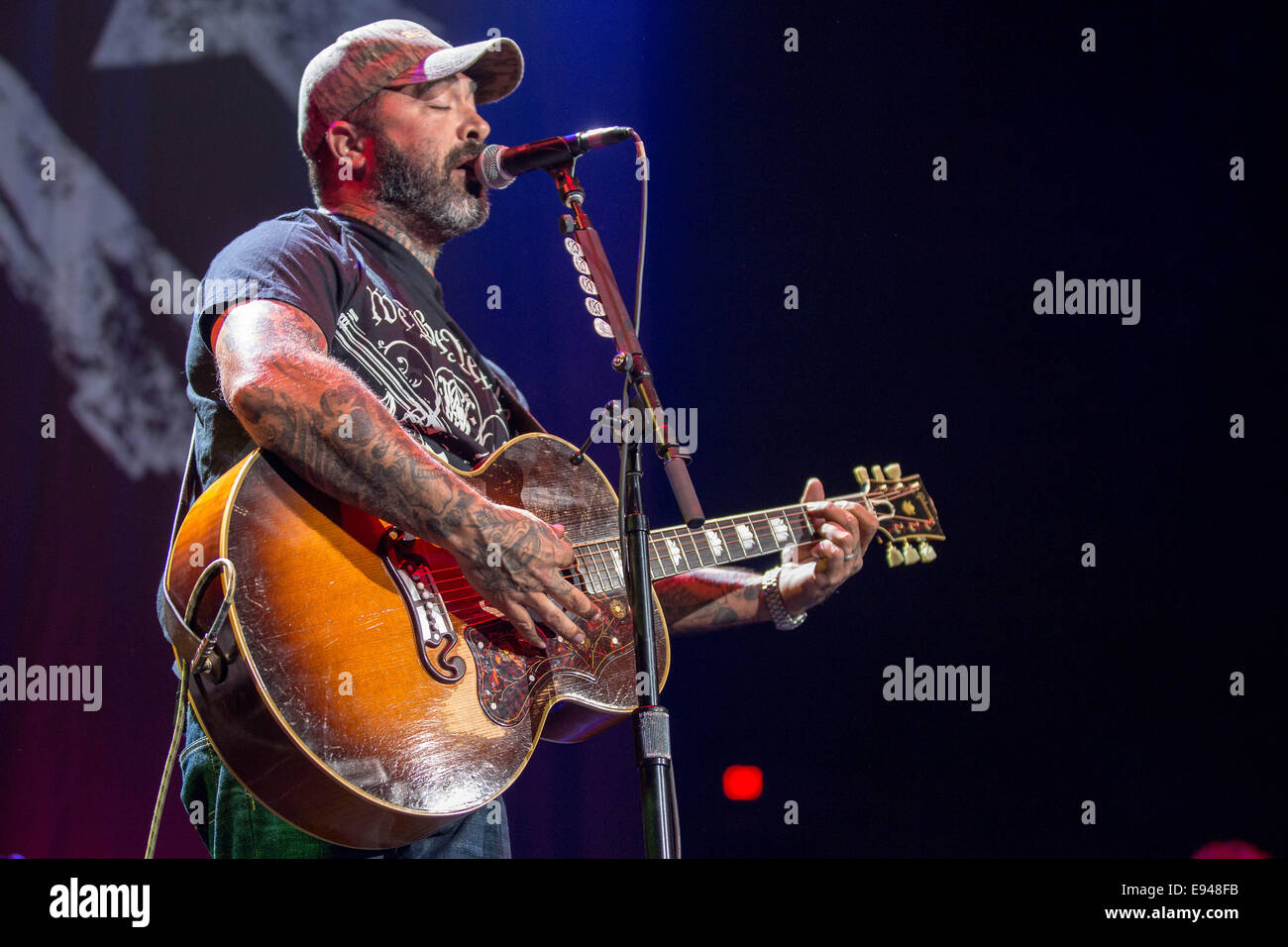
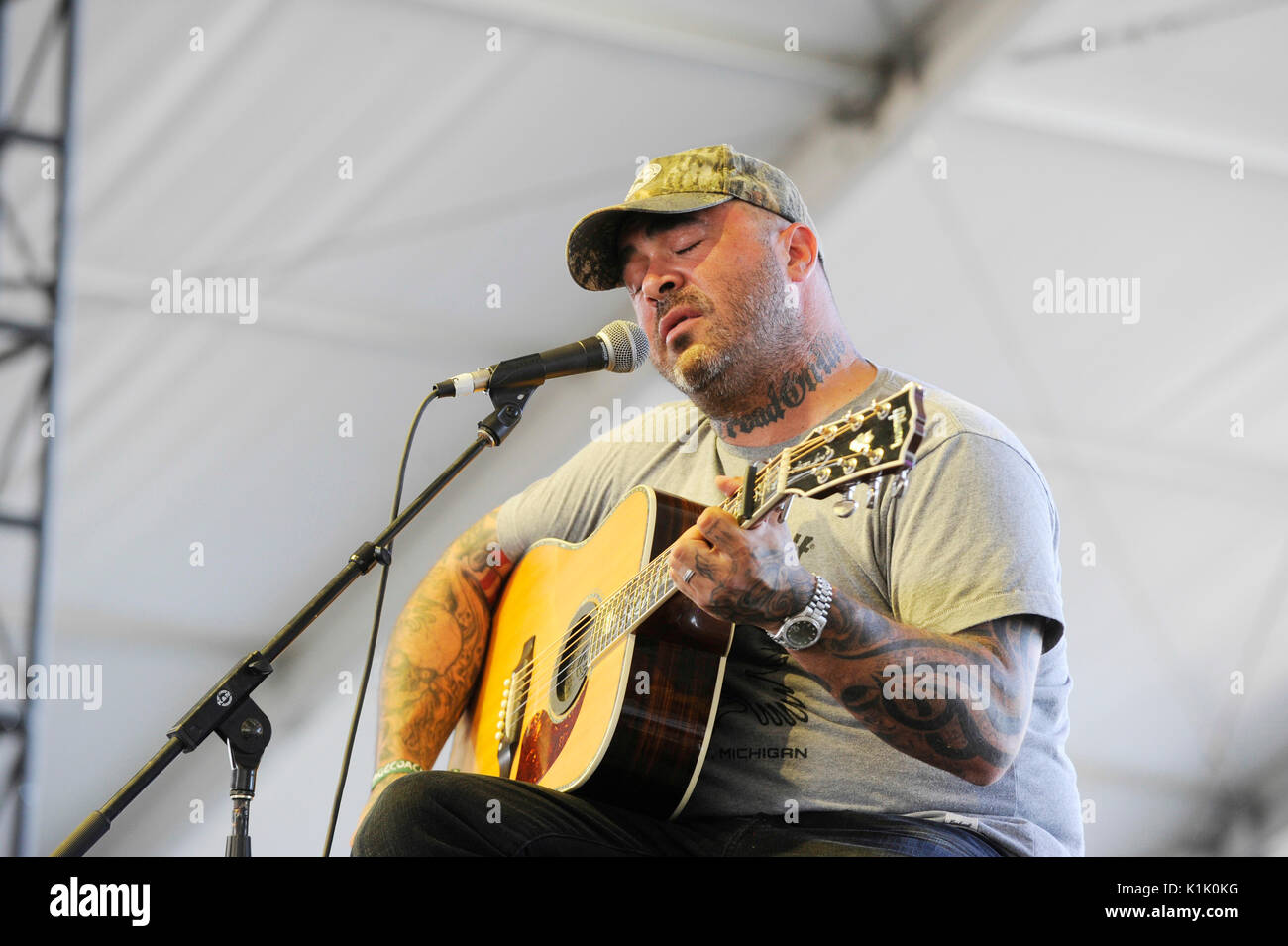
Aaron Lewis, primarily known as the lead vocalist and founding member of the rock band Staind, is an influential figure in the American music scene. His career spans over three decades, marked by a significant transition from the post-grunge and nu-metal sounds of the early 2000s to a dedicated pursuit of contemporary country music as a solo artist.
The professional journey of Aaron Lewis is defined by a distinct duality. While he rose to global prominence as the voice behind anthems of angst and introspective rock, his later career has been characterized by a pivot toward traditional country storytelling. This overview examines his trajectory from the breakout success of Staind to his current status as an established voice in the country music genre, providing context for his songwriting style, vocal characteristics, and public profile.
The Formative Years and the Rise of Staind
Born in 1972, Aaron Lewis grew up in Springfield, Vermont, an environment that would eventually color his lyrical perspective. Before finding international success, Lewis spent his formative musical years honing his craft in the New England club circuit. In 1995, he co-founded Staind in Longmeadow, Massachusetts, alongside guitarist Mike Mushok, bassist Johnny April, and drummer Jon Wysocki.
The band’s trajectory shifted dramatically following a 1997 performance where Fred Durst of Limp Bizkit encountered the group. This led to a record deal with Flip Records and the subsequent release of Dysfunction (1999). However, it was their sophomore effort, Break the Cycle (2001), that catapulted Lewis into the mainstream. The lead single, "It’s Been Awhile," became a definitive track of the era, showcasing Lewis’s ability to blend raw emotional vulnerability with aggressive melodic structures.
Key Characteristics of His Rock Era
During his tenure with Staind, Lewis’s contribution was marked by several identifiable traits:
- Vocal Texture: A gravelly, resonant baritone capable of sudden shifts into high-register emotional outbursts.
- Thematic Focus: Lyrical content that centered on internal struggle, loss, childhood trauma, and personal redemption—themes that resonated with a generation of listeners during the turn of the millennium.
- Compositional Style: The heavy use of drop-tuned guitars (primarily by Mushok) provided a dark, atmospheric backdrop that complemented Lewis’s melancholic delivery.
Transitioning to Country: A Stylistic Shift
By the early 2010s, Lewis began to signal a departure from the heavy rock landscape. This transition was not an abrupt abandonment of his artistic identity but rather a pivot toward the musical traditions that influenced his childhood. In 2011, he released his debut solo country EP, Town Line, which featured the chart-performing single "Country Boy."
This move allowed Lewis to strip away the dense production of Staind and focus on the acoustic foundations of his voice. His country work often utilizes traditional instrumentation—pedal steel guitars, fiddles, and acoustic rhythms—to support narratives about blue-collar life, patriotism, and personal heritage.
Comparative Analysis: Staind vs. Solo Country Career
The shift in medium required a different approach to songwriting and performance. The following table highlights the operational and stylistic differences between his two primary creative phases.
| Feature | Staind (Rock/Nu-Metal) | Solo Career (Country) |
|---|---|---|
| Primary Instrumentation | Distorted Electric Guitars | Acoustic Guitar, Pedal Steel, Fiddle |
| Lyrical Themes | Internal Angst, Relationship Turmoil | Patriotism, Small-Town Life, Heritage |
| Vocal Delivery | High-Intensity, Melodic Grit | Narrative-Driven, Country Inflection |
| Production Style | Dense, Multi-layered | Sparse, Organic, Traditional |
| Touring Context | Large Arena Festivals | Theaters and Dedicated Country Venues |
Songwriting Methodology and Vocal Evolution
As a songwriter, Lewis is known for a "confessional" approach. Whether writing for rock or country audiences, his work frequently draws from a perceived sense of authenticity. In the rock genre, this translated into the cathartic exploration of negative emotions. In his country work, this translates to an emphasis on storytelling—often framed through the lens of a "voice for the common man."
Technically, Lewis’s vocal instrument has remained consistent in its ability to command a room. His training is largely rooted in the "self-taught" tradition, prioritizing endurance and character over traditional pop-vocal training. This has served him well in live settings, where he maintains a reputation for vocal consistency across varying acoustic environments.
Discography Highlights and Career Milestones
While Staind remains his most commercially successful enterprise, Lewis’s solo catalog provides a more comprehensive look at his creative interests. His solo albums, such as The Road (2012), Sinner (2016), and subsequent releases, have consistently aimed for the Billboard Country charts. These milestones demonstrate an intent to remain relevant within the country music industry while acknowledging his legacy as a rock vocalist.
- 1999–2001: The meteoric rise of Staind; chart domination with Break the Cycle.
- 2011: The release of Town Line, marking the formal launch of his country career.
- 2016: Sinner reaches No. 1 on the Billboard Top Country Albums chart, solidifying his transition.
- 2023–2026: Continued balancing act of legacy touring with Staind and new material as a solo artist.
Public Profile and Cultural Impact
Aaron Lewis has often courted controversy due to his outspoken political views and his frequent comments during live performances. His stage persona is intentionally unfiltered; he often addresses current events and cultural issues directly with his audience. For his supporters, this is viewed as an extension of his "authentic" brand—a performer who does not curate his public persona to meet industry expectations. For critics, these interjections have occasionally overshadowed the musical performances themselves.
Regardless of the public discourse surrounding his personal views, his impact on the late-90s rock landscape remains a historical fact. He was a pivotal figure in defining the "post-grunge" aesthetic, and his successful pivot into country music is a rare example of a cross-genre migration that maintained commercial viability.
Frequently Asked Questions
Is Aaron Lewis still part of the band Staind?
Yes, as of 2026, Aaron Lewis remains the lead singer of Staind. While he has focused heavily on his solo country career for many years, the band has periodically reunited for tours and studio projects, maintaining a dual-path career structure.
Why did Aaron Lewis switch to country music?
Lewis has stated in various interviews that he grew up listening to country music and that the genre’s focus on storytelling felt like a natural progression for his songwriting as he aged. He felt the genre offered more freedom to express his perspectives compared to the constraints of the rock industry.
What is the most successful song of his career?
By chart metrics and cultural ubiquity, "It’s Been Awhile" remains his most successful single. It reached high positions on multiple Billboard charts and remains a staple of modern rock radio.
How does his songwriting process differ between genres?
In rock, his songwriting was often collaborative with his bandmates, focused on finding heavy, melodic riffs that could support his vocal range. In country, his process is more solitary and lyric-heavy, often beginning with an acoustic guitar and a focus on narrative structure before building the arrangement.
Are there any specific themes consistent throughout his work?
Regardless of genre, Lewis consistently writes about themes of personal struggle, the search for identity, and a sense of disconnection from modern societal norms. These threads remain constant whether he is backed by a distorted electric guitar or a pedal steel.
Recommendations for Listeners and Researchers
For those looking to explore Aaron Lewis’s work, the recommended approach is to differentiate by intent. If the interest lies in the cultural phenomenon of early 2000s rock, starting with the album Break the Cycle by Staind is the essential entry point. To understand his current musical output and artistic pivot, listening to his album Sinner offers a clear view of how he adapted his vocal style to traditional country instrumentation.
For those interested in his live performance, it is important to note that concert experiences often feature a mix of both his rock legacy and his newer country material. Understanding this hybrid nature is key to appreciating his current career strategy, which relies on a multifaceted fan base that bridges the gap between different musical demographics.