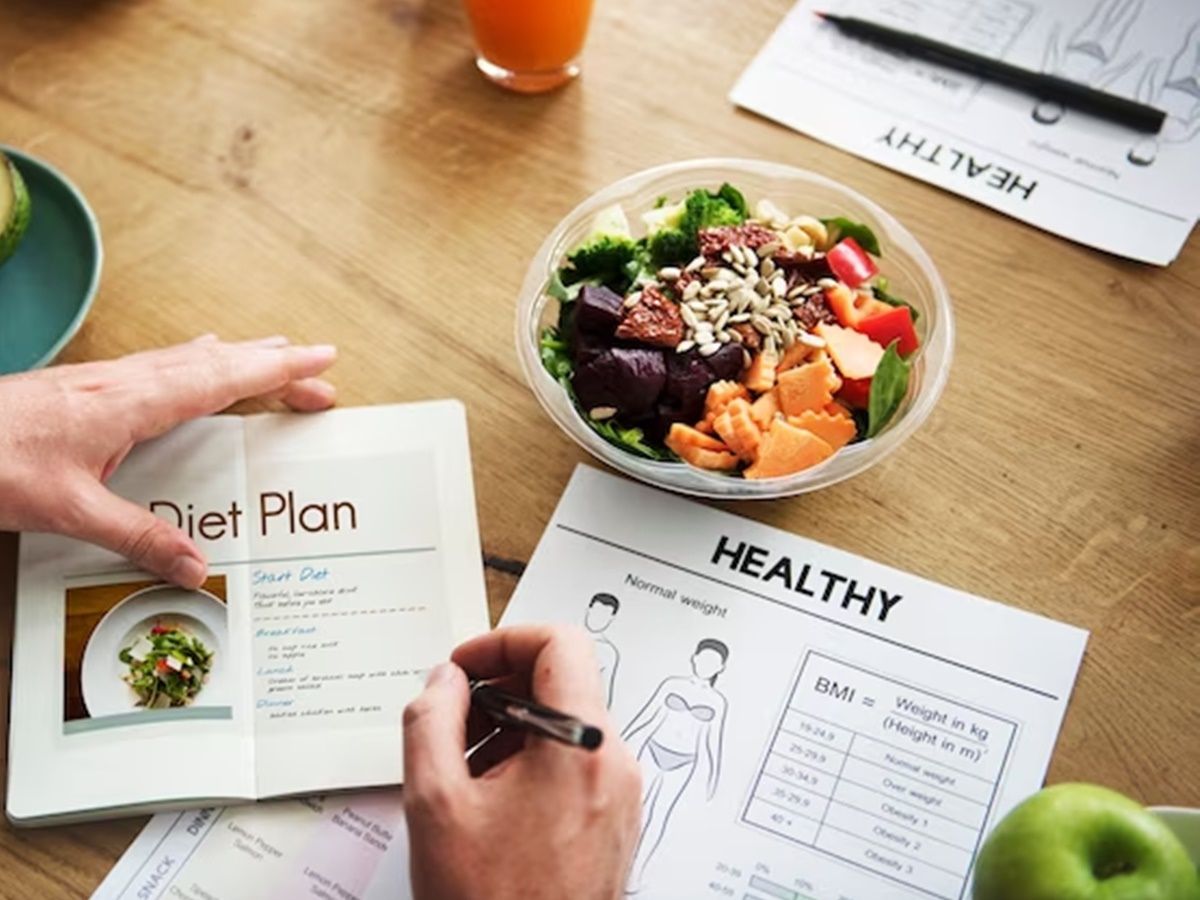
The 90 30 50 diet plan is a nutritional framework designed to optimize metabolic health by prioritizing three daily targets: a minimum of 90 grams of protein, a minimum of 30 grams of fiber, and a maximum or target of 50 grams of healthy fats. Unlike traditional calorie-counting diets, this approach focuses on nutrient density and satiety to stabilize blood sugar, preserve lean muscle mass, and support long-term weight management.
By shifting the focus from restriction to hitting specific nutrient "floors," the 90 30 50 plan simplifies the complexities of macronutrient tracking. It is particularly effective for beginners who want to move away from processed foods and toward a metabolic-first lifestyle. As of 2026, this method remains a cornerstone for those following the principles of "muscle-centric medicine" and functional nutrition, as it addresses the core issues of modern dietary deficiencies—namely, under-consumption of protein and fiber paired with over-consumption of refined carbohydrates and inflammatory oils.
Understanding the Pillars of the 90 30 50 Framework
The 90 30 50 diet plan is not a "fad" but a structured response to the common nutritional imbalances found in the standard Western diet. To succeed, one must understand why these specific numbers were chosen and how they interact to improve your physiology.
The Role of 90 Grams of Protein
Protein is the most critical macronutrient for metabolic health. The 90-gram threshold is established because most adults require at least this much to maintain muscle protein synthesis (MPS). Muscle is not just for aesthetics; it is the primary site of glucose disposal and metabolic activity. When you consume at least 90 grams of high-quality protein, you provide the essential amino acids—particularly leucine—necessary to prevent muscle wasting, especially during a caloric deficit.
Furthermore, protein has the highest thermic effect of food (TEF), meaning your body burns more energy digesting protein than it does fats or carbohydrates. This contributes to a "metabolic advantage" that aids in fat loss without the extreme hunger associated with low-protein diets.
The Importance of 30 Grams of Fiber
Fiber is the often-overlooked component of metabolic health. The goal of 30 grams per day aligns with recommendations from major health organizations, yet the average adult consumes less than half that amount. Fiber performs several vital functions:
- Blood Sugar Regulation: Soluble fiber slows the absorption of sugar, preventing the insulin spikes that lead to fat storage.
- Microbiome Support: Fiber acts as a prebiotic, feeding the beneficial bacteria in the gut that produce short-chain fatty acids (SCFAs), which are linked to reduced inflammation.
- Satiety: By adding bulk to the diet and slowing gastric emptying, fiber keeps you feeling full longer.
The Logic Behind 50 Grams of Fat
While low-fat diets were popular in decades past, the 90 30 50 plan recognizes that fats are essential for hormone production, brain health, and the absorption of fat-soluble vitamins (A, D, E, and K). However, because fat is the most calorie-dense macronutrient (9 calories per gram vs. 4 for protein/carbs), the 50-gram target serves as a guardrail. It allows for enough fat to maintain health while preventing the "calorie creep" that often happens in high-fat ketogenic diets. The focus is strictly on anti-inflammatory sources like monounsaturated and omega-3 fatty acids.
Why This Plan Is Ideal for Beginners
Starting a new nutritional journey can be overwhelming. The 90 30 50 plan offers several advantages that make it more sustainable than aggressive caloric restriction or extreme elimination diets.
Simplified Tracking
Instead of tracking every single calorie or gram of carbohydrate, beginners only need to focus on three numbers. This "additive" mindset—focusing on what you must eat rather than what you can't—reduces the psychological burden of dieting. If you prioritize hitting your protein and fiber goals, you will naturally find that you have less room (and less desire) for hyper-palatable, processed snacks.
Improved Satiety and Reduced Cravings
One of the primary reasons diets fail is hunger. The combination of high protein and high fiber creates a powerful satiety signal. Protein influences the "fullness hormones" like PYY and GLP-1, while fiber physically fills the stomach. By hitting these targets, beginners can avoid the blood sugar crashes that lead to "hangry" episodes and late-night binge eating.
Metabolic Flexibility
The 90 30 50 plan encourages metabolic flexibility—the body's ability to switch between burning carbohydrates and burning fat for fuel. By keeping fats moderate and fiber high, the body becomes more efficient at managing glucose. This is a foundational step for anyone looking to reverse insulin resistance or improve their energy levels throughout the day.
How to Implement the 90 30 50 Plan
Transitioning to this plan requires a shift in how you build your plate. It is not about eating less; it is about eating differently. Use the following steps to ensure you meet your daily requirements.
Step 1: Prioritize Protein at Every Meal
To reach 90 grams, you cannot leave protein for the end of the day. You should aim for roughly 30 grams of protein at each of your three main meals.
- Animal Sources: Lean beef, poultry, eggs, and wild-caught fish are the most bioavailable sources of protein.
- Dairy: Greek yogurt and cottage cheese are excellent high-protein options that are easy for beginners to incorporate.
- Plant Sources: While more difficult to hit the leucine threshold, tofu, tempeh, and pea protein isolates can contribute to the goal.
Step 2: Incorporate "High-Volume" Fiber
Hitting 30 grams of fiber requires more than just a side of broccoli. You need a mix of vegetables, legumes, and seeds.
- Legumes: Lentils and black beans are fiber powerhouses, often providing 15 grams per cup.
- Berries: Raspberries and blackberries are the highest-fiber fruits.
- Cruciferous Vegetables: Brussels sprouts, cauliflower, and kale provide bulk with very few calories.
- Seeds: Chia and flaxseeds are simple additions to smoothies or yogurt that can add 5–10 grams of fiber in a single serving.
Step 3: Select Quality Fats
When you only have a 50-gram "budget" for fat, you must choose wisely. Avoid refined vegetable oils (soybean, corn, cottonseed) which are pro-inflammatory. Instead, focus on:
- Avocados: A source of monounsaturated fats and additional fiber.
- Extra Virgin Olive Oil: Ideal for dressing vegetables.
- Nuts and Seeds: Walnuts and almonds provide essential fatty acids.
- Fatty Fish: Salmon and sardines provide the critical omega-3s (EPA and DHA).
Sample 90 30 50 Daily Meal Structure
This table illustrates how a beginner might structure a single day to hit the 90 30 50 targets effectively.
| Meal | Food Items | Protein (g) | Fiber (g) | Fat (g) |
|---|---|---|---|---|
| Breakfast | 3 Scrambled Eggs + 1/2 Avocado + 1 cup Spinach | 20 | 8 | 22 |
| Lunch | 5oz Grilled Chicken Breast + 1 cup Cooked Lentils + Mixed Greens | 45 | 16 | 6 |
| Snack | 1 cup Raspberries + 1/2 cup Greek Yogurt | 12 | 8 | 2 |
| Dinner | 5oz Baked Cod + 1 cup Roasted Brussels Sprouts + 1 tbsp Olive Oil | 25 | 4 | 14 |
| Total | -- | 102g | 36g | 44g |
Note: Nutritional values are approximate and may vary based on specific brands and preparation methods.
Troubleshooting Common Beginner Challenges
While the 90 30 50 plan is straightforward, beginners may encounter obstacles during the first few weeks as their body adapts to the higher protein and fiber intake.
Digestive Adjustment to Fiber
If your current diet is low in fiber, jumping immediately to 30 grams can cause bloating, gas, or discomfort. To mitigate this, increase your fiber intake gradually—adding 5 grams every few days—and significantly increase your water consumption. Fiber requires water to move through the digestive tract; without it, you may experience constipation.
Hitting the Protein Goal Without Excess Fat
Many people struggle to reach 90 grams of protein without also exceeding the 50-gram fat limit, especially when eating marbled meats or full-fat dairy. To solve this, focus on "lean" protein sources like chicken breast, egg whites, white fish, and protein powders. If you choose a fattier protein source like ribeye steak, you must reduce the added fats (oils, butter, avocado) in the rest of your meals for that day.
Social Eating and Restaurants
Dining out can be difficult because restaurant meals are notoriously high in fats (from seed oils and butter) and low in fiber. To stay on track:
- Order "double protein": Ask for extra chicken or fish.
- Swap sides: Trade fries or rice for a double serving of steamed vegetables.
- Dressings on the side: This allows you to control the fat content of your meal.
Comparing 90 30 50 to Other Popular Diets
To understand why the 90 30 50 plan is gaining traction in 2026, it is helpful to see how it differs from other common dietary strategies.
90 30 50 vs. Ketogenic Diet
The Keto diet focuses on high fat (70-80% of calories) to induce ketosis. While effective for some, many beginners find Keto difficult to maintain and often end up under-consuming fiber and over-consuming saturated fats. The 90 30 50 plan is more moderate, allowing for more carbohydrates (via fiber-rich sources) and emphasizing protein over fat, which better supports muscle maintenance.
90 30 50 vs. "If It Fits Your Macros" (IIFYM)
IIFYM allows for any food as long as it fits within total daily macros. This can lead to "dirty dieting," where people eat processed foods that meet their targets but lack micronutrients and fiber. The 90 30 50 plan provides a stricter qualitative framework by mandating a high fiber count, which essentially forces the consumption of whole, plant-based foods alongside high-quality proteins.
Scientific Basis for the Targets
The numbers in the 90 30 50 plan are grounded in nutritional science regarding metabolic health and body composition.
- Muscle Maintenance: Research published by the National Institutes of Health (NIH) suggests that protein intakes higher than the RDA (0.8g/kg) are necessary for aging adults and active individuals to prevent sarcopenia.
- Glucose Management: The Centers for Disease Control and Prevention (CDC) highlights fiber as a key component in managing blood sugar levels and reducing the risk of Type 2 diabetes.
- Hormonal Health: Moderate fat intake is supported by the Endocrine Society as vital for the production of hormones like testosterone and estrogen, which can be suppressed on extremely low-fat diets.
FAQs About the 90 30 50 Diet
Can I eat carbohydrates on this plan?
Yes. The 90 30 50 plan does not explicitly set a carbohydrate limit. However, because you are required to eat 30 grams of fiber, most of your carbohydrates will naturally come from "complex" sources like legumes, vegetables, and low-glycemic fruits. These provide stable energy without the insulin spikes associated with refined sugars and flours.
Is 90 grams of protein safe for my kidneys?
For individuals with healthy kidney function, a high-protein diet is generally considered safe. The misconception that protein damages kidneys stems from studies on individuals with pre-existing chronic kidney disease (CKD). According to the National Kidney Foundation, healthy adults can safely process higher amounts of protein, though anyone with a history of kidney issues should consult their physician before starting.
Can I use protein shakes to reach my goal?
While whole foods are preferred because they contain additional micronutrients and provide more satiety, protein shakes (whey or plant-based) can be a useful tool for beginners who find it difficult to eat 90 grams of protein through solid food alone. Look for powders with minimal added sugars and fillers.
What if I am vegan or vegetarian?
It is possible to follow the 90 30 50 plan on a plant-based diet, though it requires more planning. You will need to rely heavily on tempeh, seitan, lupini beans, and high-quality vegan protein powders. Be aware that plant-based protein sources often come with more carbohydrates, so you may need to monitor your total caloric intake more closely.
Do I need to track calories as well?
For most beginners, focusing on the 90 30 50 targets is enough to see significant results. However, if your goal is aggressive weight loss and you are not seeing progress, you may need to track total calories. The 90 30 50 framework typically lands most people between 1,600 and 2,000 calories, depending on their carbohydrate choices.
Next Steps for Success
To begin the 90 30 50 diet plan, start by tracking your current intake for three days without changing anything. Use a reputable tracking app to see how far you are from the 90g protein, 30g fiber, and 50g fat targets. Once you have a baseline, begin by adjusting your breakfast to meet the protein and fiber requirements. Mastering one meal at a time is often the most effective way to create a permanent lifestyle change. As your body adapts, continue to shift your lunch and dinner until hitting your numbers becomes second nature.