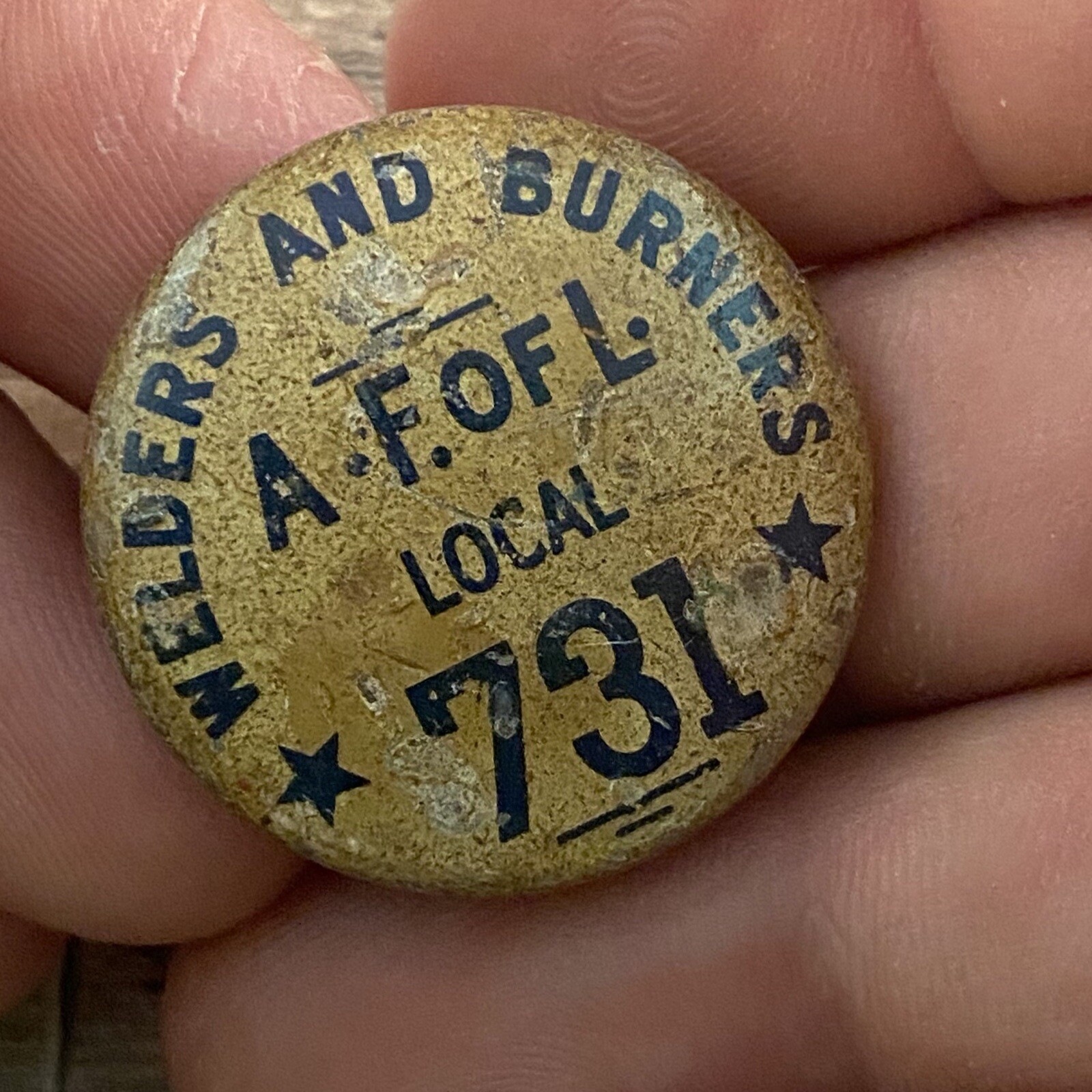
As of 2026, the 731 Union—primarily representing excavators, material handlers, and heavy highway construction workers—is navigating a period defined by the integration of autonomous machinery, stricter environmental compliance for excavation, and intense legislative debates regarding prevailing wage enforcement. These shifts reflect a broader transition toward "green" infrastructure and the implementation of advanced labor standards following the massive federal investments of the mid-2020s.
The Evolution of the 731 Union and Its Strategic Role
Local 731, whether referring to the Laborers’ International Union of North America (LiUNA) excavators in New York or the Teamsters’ material handlers in Chicago, occupies a critical bottleneck in the construction and waste management industries. These members are the first on-site and the last to leave. They manage the foundational excavation, the remediation of contaminated soil, and the logistical hauling of materials that make vertical construction possible.
In 2026, the "Recent Shifts" mentioned by industry analysts often refer to the union's expanded jurisdiction over renewable energy infrastructure. The transition from traditional gas and oil pipeline excavation to the installation of high-voltage sub-sea cable landings and geothermal heat pump networks has required a massive pivot in training and collective bargaining strategy. The 731 Union has had to re-assert its right to this work as electrical and utility unions also claim jurisdiction over "green" ground-breaking.
This identity shift is not merely about the type of dirt being moved; it is about the regulatory environment surrounding it. The 731 Union has moved from being a traditional "boots on the ground" organization to a sophisticated technical partner in urban development.
Legislative and Regulatory Shifts (2024–2026)
The landscape for Local 731 was fundamentally altered by the tail end of the Bipartisan Infrastructure Law and the subsequent state-level "Mini-Davis-Bacon" acts passed in various jurisdictions. These laws have solidified the requirement for prevailing wages on projects that were previously considered "private" but received indirect public subsidies, such as tax abatements or zoning bonuses.
The Expansion of Prevailing Wage
One of the most significant debates in 2026 involves the "Scope of Work" definitions. Contractors often attempt to classify workers under lower-paid "general laborer" categories rather than the specialized "Excavator" or "Material Handler" categories protected by Local 731. The union has responded by lobbying for more granular payroll reporting and digital verification systems.
- Enforcement Mechanisms: States like New York and Illinois have introduced real-time digital auditing for public works.
- The Debate: Developers argue that these strict classifications increase the cost of affordable housing, while the 731 Union maintains that specialized excavation requires a higher skill set to ensure structural integrity and environmental safety.
Environmental Remediation Mandates
As urban centers prioritize "brownfield" redevelopment, the 731 Union has become the primary enforcer of hazardous material protocols. New 2026 standards for silica dust and PFAS (per- and polyfluoroalkyl substances) in soil have changed the daily operations of excavators. Members now require advanced certifications in hazardous waste operations and emergency response (HAZWOPER).
The Automation Debate: Human Labor vs. Autonomous Machinery
Perhaps the most contentious shift within the 731 Union today is the integration of autonomous and semi-autonomous heavy equipment. By 2026, remote-operated excavators and self-driving dump trucks are no longer experimental; they are active on major job sites.
The Productivity Shift
Advocates for automation argue that these technologies reduce "struck-by" injuries—the leading cause of death for excavators. A laborer operating a machine from a climate-controlled trailer 500 feet away is inherently safer than one in the trench. However, this shift creates a debate over "Man-Hours vs. Machine-Hours."
- Job Displacement Fears: The union is currently negotiating "manning requirements" that ensure a qualified 731 member remains behind the controls, even if those controls are digital.
- Skill Upgrading: There is a shift toward "Technician-Laborers." The union's training funds are now heavily invested in GPS-guided grading, 3D modeling, and drone-based site surveying.
- The Wage Gap: A major debate persists regarding whether a remote operator should be paid the same hourly rate as a traditional operator facing physical site hazards.
The 731 Union’s stance is clear: the skill required to operate a $500,000 autonomous excavator is higher than traditional manual operation, and compensation must reflect that technical expertise.
Project Labor Agreements (PLAs) Under Scrutiny
In 2026, the use of Project Labor Agreements (PLAs) has become the standard for any project exceeding $25 million in major metropolitan areas. For Local 731, PLAs ensure that all excavation and hauling are done by union members, providing a steady stream of work and benefit contributions.
The Conflict with Non-Union Competition
Non-union trade associations have launched several legal challenges against the 731 Union's "exclusivity clauses" in municipal contracts. They argue that PLAs exclude minority-owned and women-owned business enterprises (MWBEs) that may not be unionized.
The 731 Union has countered this by launching aggressive internal "Diversity in the Trades" initiatives. By 2026, Local 731 has partnered with local vocational schools to create a direct pipeline for underrepresented communities, effectively neutralizing the argument that union dominance prevents equitable hiring.
Comparison of Operational Requirements: 2020 vs. 2026
The following table outlines the material changes in the "731" workspace over the last six years, highlighting why the current debates are so critical for the union's survival.
| Feature | 2020 Standard Operations | 2026 Current Standard |
|---|---|---|
| Primary Skillset | Manual grading and heavy equipment operation. | GPS-integrated grading and 3D site-mapping. |
| Environmental Role | Basic soil removal and erosion control. | PFAS/Hazardous waste mitigation and carbon-sequestering. |
| Safety Protocol | On-site spotters and physical barriers. | Wearable IoT sensors and proximity alerts. |
| Contract Focus | Direct hourly wages and healthcare. | Job security in the face of automation and AI. |
| Jurisdiction | Foundations, roads, and sewers. | Green energy hubs, EV charging grids, and sea walls. |
| Reporting | Paper-based logs and weekly submissions. | Blockchain-verified real-time digital payroll. |
Health, Safety, and Pension Stability
Beyond the technical shifts, the 731 Union is engaged in a critical debate regarding the long-term sustainability of its pension and welfare funds. With the "Silver Tsunami" of retiring Baby Boomers hitting its peak in 2025 and 2026, the ratio of active members to retirees has tightened.
Mental Health and the Trades
A recent shift in union policy has seen the introduction of robust mental health and addiction services. Construction and excavation remain high-stress environments. The 731 Union has been a leader in the "Silence is a Killer" campaign, which aims to reduce the high suicide and overdose rates in the heavy labor sectors. This shift from "toughing it out" to proactive wellness is a hallmark of the 2026 union culture.
The ERISA Debate
In the halls of Congress, the 731 Union's leadership is currently lobbying for updates to the Employee Retirement Income Security Act (ERISA). They are seeking more flexible "composite" pension plans that combine the security of a defined-benefit plan with the market flexibility of a 401(k), ensuring that the fund remains solvent even if automation reduces the total number of active man-hours in the future.
Workforce Training: The 2026 Skills Gap
The most pressing "ongoing debate" is how to bridge the skills gap. Older members possess "dirt-sense"—the intuitive understanding of soil stability and machinery—that cannot be taught in a simulator. Younger members possess "tech-fluency" but lack field experience.
The 731 Union has responded by implementing a "Master-Apprentice" mentorship program where senior members are paid a premium to oversee the transition to high-tech excavation. This prevents the "knowledge drain" that occurs when senior operators retire, taking decades of site-specific expertise with them.
For those interested in the official training requirements and safety standards, the following resources provide the baseline for 2026 operations:
Frequently Asked Questions
What is the current status of the 731 Union contract negotiations?
In 2026, most 731-related contracts have shifted toward three-year cycles to better account for inflation and rapid technological changes. Current negotiations are focused heavily on "technological displacement" clauses and increased contributions to the Health and Welfare funds to cover advanced respiratory care for excavators.
How do recent "Green" laws affect 731 Union members?
Environmental mandates now require that excavators be trained in the removal of specialized contaminants. This has increased the hourly "premium" for 731 members, as they are now considered technical specialists rather than general laborers. Laws requiring zero-emission equipment on municipal sites have also forced a shift toward electric-powered excavators and haulers.
Is the 731 Union accepting new apprentices in 2026?
Yes, but the entry requirements have changed. Prospective apprentices are now evaluated not just on physical stamina, but on basic digital literacy and spatial reasoning tests. The 731 Union has expanded its outreach to community colleges to find candidates who can bridge the gap between heavy labor and technical machinery operation.
What are the main debates regarding the "Prevailing Wage" for excavators?
The primary debate centers on "misclassification." Non-union firms often try to label 731-type work as "landscaping" or "utility helper" work to avoid paying the higher excavator rate. The union is currently pushing for state-level legislation to create a unified "Groundbreaker" classification that covers all soil-disturbing activities.
How is AI being used by the 731 Union?
The union is utilizing AI for "predictive safety." By analyzing historical accident data from thousands of job sites, AI tools now provide members with "high-risk" alerts based on soil type, weather conditions, and machinery age. This has led to a 15% reduction in trench-related incidents as of 2026.
Does the union support the use of autonomous trucks?
The union's support is conditional. They support autonomous technology for hauling in hazardous or high-traffic areas where human life is at risk, provided that a union "Control Monitor" is overseeing the fleet at a wage rate equivalent to a driver. They oppose "unmanned" fleets that eliminate the human oversight element entirely.
Practical Recommendations for Contractors and Members
For contractors working alongside the 731 Union in 2026, the key to a successful partnership is early engagement. Incorporating union leadership into the site-safety and technology-planning phases can prevent jurisdictional disputes and work stoppages.
For members, the recommendation is clear: diversify your certifications. The "pure" operator who only knows how to move a lever is being replaced by the operator who can interpret a digital site plan and manage a GPS-guided grading system. Availing yourself of the union’s free continuing education programs is the only way to ensure job security in an increasingly automated field.