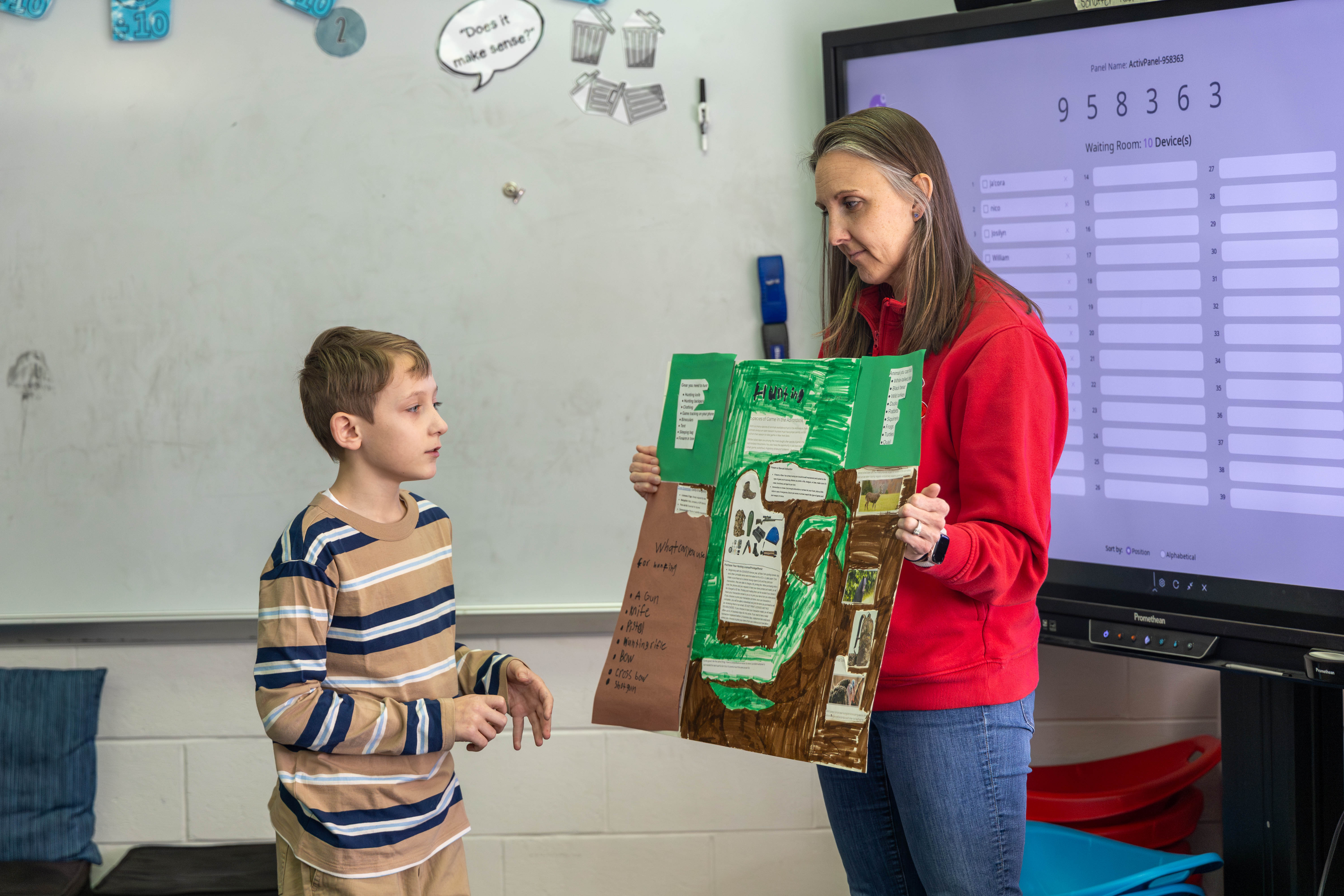
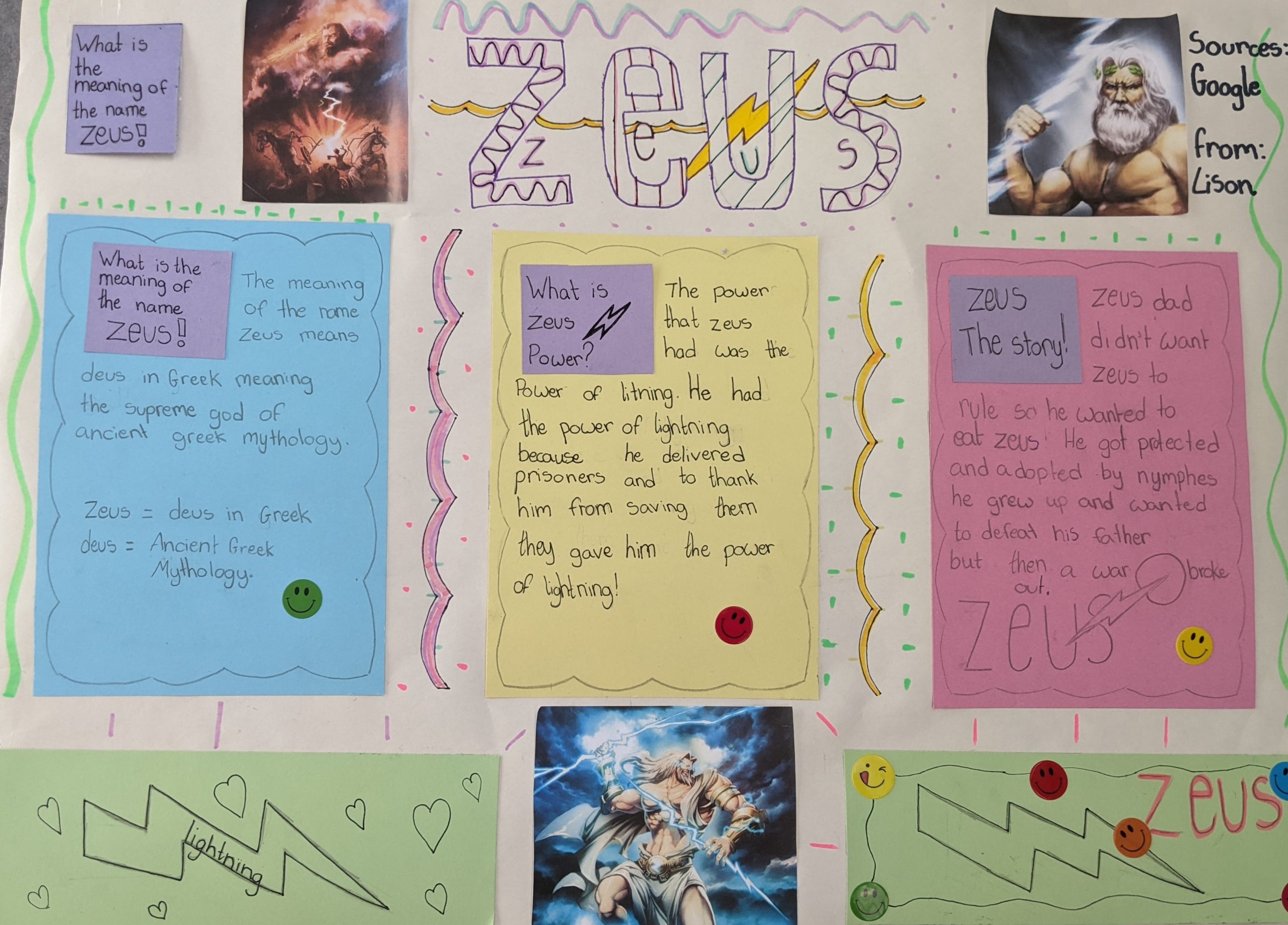
Finding a research project that challenges a 10- or 11-year-old student without overwhelming them can be a delicate balancing act. At the fifth-grade level, students are expected to transition from simple information-gathering to critical analysis, synthesis, and structured presentation. The following seven fresh research project ideas for 5th grade blend scientific inquiry, historical investigation, environmental awareness, and technological exploration, offering engaging paths for students to develop essential academic skills.
Understanding the Objectives of 5th Grade Research
Before choosing a project topic, educators and parents must understand the core educational objectives for fifth-grade research assignments. At this stage, students should move beyond copying facts from an encyclopedia or a single website. They need to learn how to frame an open-ended question, gather information from multiple diverse sources, evaluate the credibility of those sources, and synthesize their findings into a cohesive written paper or multimedia presentation.
Fifth-grade research projects also serve as a foundational stepping stone for middle school academic expectations. Students are typically introduced to basic citation methods, bibliographies, and paragraph structuring. Selecting a project that sparks genuine curiosity ensures that the student remains motivated throughout the multi-step research process, which usually spans several weeks from brainstorming to final presentation.
Project Idea 1: The Micro-Biome in Your Backyard Soil
Soil is not just dirt; it is a bustling, complex ecosystem teeming with microscopic life, fungi, insects, and organic matter. For this science-based research project, students investigate the biodiversity found in different types of local soil samples, such as a garden bed, a heavily trafficked pathway, and a heavily wooded area.
- Research Focus: Students examine how soil composition, moisture levels, and human impact affect the types of microorganisms and insects living within a specific local environment.
- Methodology: Students collect small soil samples safely using sterile containers, observe them using a magnifying glass or a low-power microscope if available, and research the ecological roles of the organisms they find. They can also test soil pH using inexpensive kit tests.
- Skill Development: This project introduces students to ecological sampling, scientific observation, and data recording, bridging the gap between hands-on experiments and library-based research on earth science.
Project Idea 2: The Science of Sleep and Brain Development
In an era dominated by screens, sleep is a frequent topic of scientific study. This project explores how sleep patterns directly impact memory retention, learning, and daily mood in children and adolescents.
- Research Focus: Students research the biology of sleep, specifically looking at REM (Rapid Eye Movement) sleep, deep sleep, and the amount of sleep recommended for their age group by pediatric health organizations.
- Methodology: Students can conduct a safe, anonymous, self-monitored log of their own sleep hours and morning alertness levels for two weeks, correlating their findings with peer-reviewed educational articles and summaries from institutions like the National Sleep Foundation.
- Skill Development: This project teaches students how to interpret basic charts, analyze primary health guidelines, and connect scientific literature to their daily lives.
Project Idea 3: The Cultural Evolution of Everyday Board Games
History and social studies do not have to be limited to ancient civilizations and political battles. This project looks at how games like chess, Go, Mancala, or modern cooperative board games reflect the values, economies, and technologies of the cultures that created them.
- Research Focus: Students select one traditional board game with deep historical roots, tracing its geographic origins, how its rules evolved over centuries, and what the game mechanics reveal about the society that played it.
- Methodology: Students use historical archives, museum databases, and cultural anthropology books to track the migration of the game along ancient trade routes or through colonial histories.
- Skill Development: This topic encourages global awareness, historical timeline construction, and cross-cultural analysis, showing students that history is embedded in material culture and everyday human activities.
Project Idea 4: Biomimicry: Engineering Solutions Inspired by Nature
Biomimicry is the practice of learning from and mimicking the strategies found in nature to solve human design challenges. Famous examples include Velcro (inspired by burdock seeds) and the Shinkansen bullet train nose (inspired by the beak of the kingfisher bird).
- Research Focus: Students choose an animal or plant adaptation and research how human engineers have used—or could use—that specific biological feature to invent a new product or improve an existing technology.
- Methodology: Students research the biology of their chosen organism, study the physics or engineering principles involved, and design a blueprint or model of their own biomimetic invention.
- Skill Development: This project fosters inventive thinking, encourages interdisciplinary connections between biology and engineering, and teaches students how to present a persuasive design pitch.
Project Idea 5: Food Miles: Tracking the Journey of Our Meals
Globalization has made it possible to eat strawberries in winter and tropical fruit on the other side of the planet. This environmental project investigates the concept of "food miles"—the distance food travels from the farm where it is grown to the plate where it is consumed.
- Research Focus: Students track the origins of five different items from their family’s weekly grocery cart, calculate the estimated shipping distances, and research the environmental impact of long-distance food transportation.
- Methodology: Students read food labels, map trade routes using digital mapping tools, and research the carbon footprint differences between locally sourced foods and imported goods.
- Skill Development: This project builds geographical literacy, mathematical calculation skills regarding distances and emissions, and environmental consciousness.
Project Idea 6: The History and Impact of Local Architecture
Architecture tells the story of a community's economic growth, technological capabilities, and artistic preferences. Instead of looking at global landmarks, this project challenges students to investigate the history of buildings within their own town or city.
- Research Focus: Students select a notable local building, bridge, or neighborhood style, researching who designed it, when it was built, and how its architectural style reflects the time period.
- Methodology: Students visit local historical societies, examine archived city blueprints or photographs, and conduct architectural observations to identify features like Victorian cornices, Art Deco details, or modern steel frames.
- Skill Development: This project introduces students to local history research, primary document analysis, and visual literacy by teaching them how to read the built environment.
Project Idea 7: The Science and Art of Optical Illusions
The human brain is a powerful processing center, but it can be easily tricked. This psychology and neuroscience project explores how visual processing works and why certain patterns, colors, and shapes create optical illusions.
- Research Focus: Students research the anatomy of the human eye and the visual cortex in the brain, investigating how visual information is interpreted and where "glitches" or misinterpretations occur.
- Methodology: Students construct or test classic optical illusions, survey classmates on their perceptions, and read basic neuroscientific explanations for phenomena like motion aftereffects or color constancy.
- Skill Development: This project combines experimental psychology, basic neurology, and data collection, allowing students to design an interactive presentation for their peers.
Comparison of 5th Grade Research Project Types
To help educators and students select the ideal project based on available resources, time constraints, and subject preferences, the following table compares key characteristics of these seven options:
| Project Idea | Primary Subject Area | Resource Requirements | Estimated Timeframe | Best Presentation Format |
|---|---|---|---|---|
| 1. Backyard Soil Micro-Biome | Earth Science / Biology | Soil samples, magnifying tools, online guides | 2–3 weeks | Science board or poster |
| 2. Science of Sleep | Health / Neuroscience | Sleep tracking logs, library/web access | 2 weeks | Data chart and slide deck |
| 3. Board Game History | Social Studies / Culture | Historical articles, board game access | 3 weeks | Oral presentation with game model |
| 4. Biomimicry Engineering | STEM / Design | Craft supplies or modeling tools, research texts | 3–4 weeks | Prototype model and blueprint |
| 5. Food Miles Tracking | Environmental Science | Grocery labels, maps, carbon footprint calculators | 2 weeks | Infographic poster |
| 6. Local Architecture | Local History / Art | Local archives, camera, walking tour access | 3 weeks | Photographic essay or slideshow |
| 7. Optical Illusions | Psychology / Biology | Illusion printouts, survey sheets, test subjects | 2 weeks | Interactive demonstration station |
Step-by-Step Guide to Managing the Research Process
A successful fifth-grade research project depends heavily on breaking down the assignment into manageable milestones. When students are handed a vague prompt with a distant deadline, they often struggle with time management.
- Topic Selection and Question Formulation (Days 1–3): Allow the student to explore a few ideas before committing. Guide them to frame their topic as an open-ended question rather than a simple statement. For instance, instead of researching "sleep," they should research "how lack of sleep affects memory in children."
- Source Gathering and Credibility Check (Days 4–7): Teach students how to find age-appropriate books, encyclopedia entries, and verified educational websites. Emphasize the importance of using at least three different sources to cross-check facts.
- Note-Taking and Outlining (Days 8–11): Instruct students to take notes in their own words rather than copying sentences verbatim. Group related notes into three main thematic categories to form the backbone of an outline.
- Drafting the Content (Days 12–16): Write the introduction, body paragraphs, and conclusion. For fifth graders, an introductory paragraph with a clear thesis statement, three body paragraphs addressing sub-topics, and a summarizing conclusion is standard.
- Review, Revision, and Bibliography (Days 17–20): Check for spelling, grammatical clarity, and smooth transitions between paragraphs. Compile a simple bibliography listing the titles and authors of the sources used.
Common Mistakes to Avoid
When supervising or executing a fifth-grade research project, certain pitfalls frequently derail progress. Being aware of these issues helps ensure a smooth learning experience.
- Choosing Too Broad a Topic: Selecting a topic like "World War II" or "Space" is too vast for a fifth grader. Narrowing the focus down to a specific battle, astronaut, or astronomical phenomenon is essential.
- Relying on a Single Source: Using only one website or Wikipedia page limits critical thinking and increases the risk of repeating factual errors. Encourage source diversification.
- Plagiarism Through Direct Copying: Many children do not fully understand what plagiarism is. Explicitly teach them how to read information, close the tab, and write down what they learned in their own voice.
- Leaving Everything to the Last Minute: Research requires incubation time. Enforcing interim deadlines for the outline and rough draft prevents overnight panic.
Practical Next Actions
To get started today, review the list of seven project ideas with the student and ask them to rank their top three choices based on personal interest. Once a topic is selected, visit a local or school library to gather three introductory books or reliable articles. Set a target date for each phase of the milestone checklist, and begin the exciting journey of discovery.