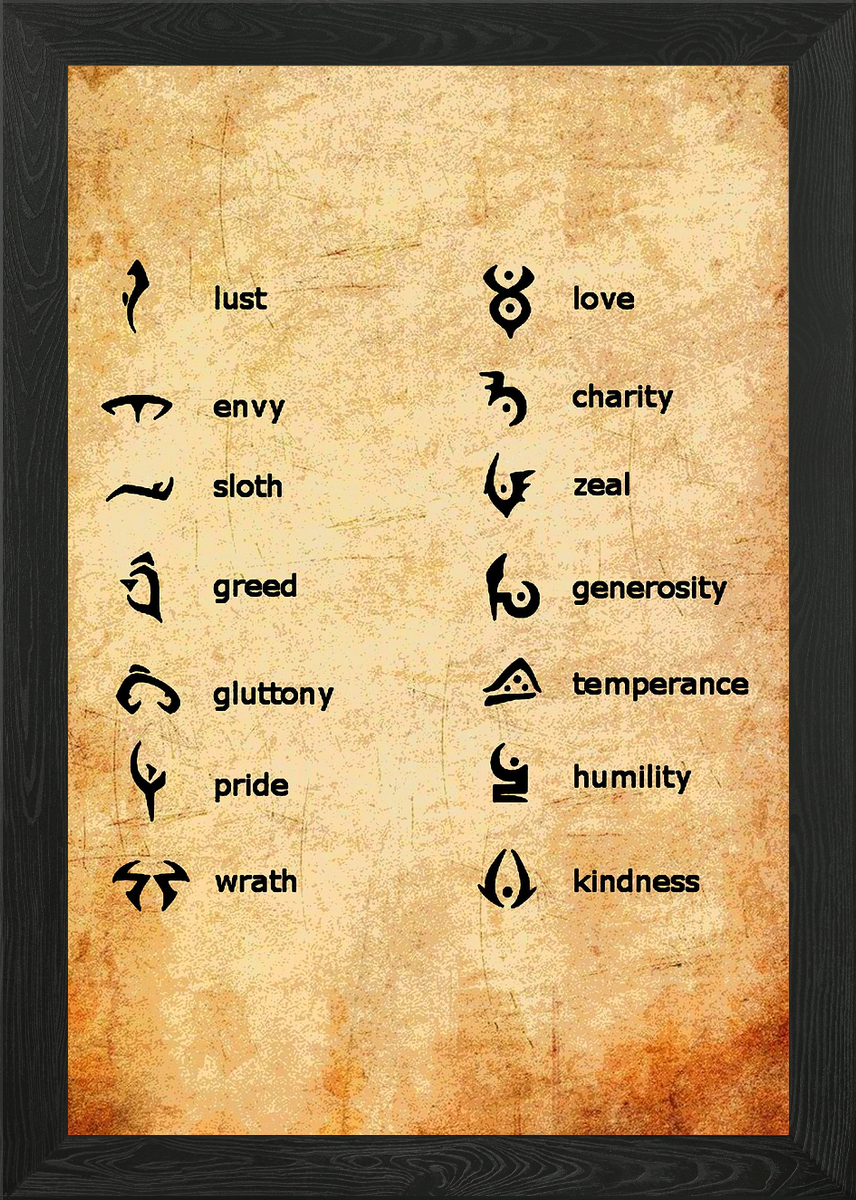
The framework of the seven deadly sins and the heavenly virtues serves as a dual psychological and ethical blueprint, mapping the extremes of human behavior—from destructive vices to proactive character strengths—to provide a structured moral compass for navigating daily choices and personal growth.
Throughout history, humanity has sought frameworks to navigate the complexities of ethical decision-making, interpersonal conflict, and personal development. Among the most enduring constructs in Western thought are the seven deadly sins and the seven heavenly virtues. Far from being mere relics of medieval theology or poetic allegories found in works like Dante’s Divine Comedy, these concepts function as an intricate psychological and moral compass. They chart the spectrum of human motivation, identifying the pitfalls that corrupt character and the constructive habits that elevate human agency. Understanding how these vices and virtues interact allows individuals to cultivate self-awareness, regulate destructive impulses, and build a more resilient ethical foundation.
Historical and Philosophical Origins of the Moral Framework
The architecture of the seven deadly sins and the heavenly virtues did not emerge overnight; it evolved through centuries of philosophical reflection, monastic discipline, and theological refinement. While the precise pairing of seven vices against seven virtues is often associated with medieval scholasticism, its roots extend back to early Christian asceticism and classical antiquity.
The Evolution from Desert Monks to Medieval Scholasticism
In the 4th century, the desert monk Evagrius Ponticus identified eight "evil thoughts" (logismoi) that plagued anchorites seeking spiritual clarity. These thoughts included gluttony, fornication, avarice, sadness, anger, acedia (spiritual apathy), vainglory, and pride. Later, in the late 6th century, Pope Gregory I (Gregory the Great) streamlined and revised this list into the traditional seven capital vices, collapsing vainglory into pride and acedia into sloth, while adding envy.
During the 13th century, scholastic philosophers like Thomas Aquinas integrated these vices with Aristotle's virtue ethics and the theological virtues derived from Pauline epistles (faith, hope, and charity). Aquinas and other medieval thinkers structured the opposing virtues to counteract specific vices systematically. This synthesis provided a comprehensive taxonomy of the human soul, categorizing actions not merely as isolated incidents of right or wrong, but as symptoms of deeply ingrained character orientations.
The Philosophical Interplay Between Vice and Virtue
From a philosophical standpoint, vices are rarely pursued for their own sake; rather, they represent distorted or disordered desires for legitimate goods. For instance, the desire for sustenance becomes gluttony when it eclipses health and moderation; the desire for self-preservation or achievement becomes pride when it denies human limitations.
Conversely, the heavenly virtues represent the mean or the proper ordering of these desires. In Aristotelian terms, virtue lies in the golden mean between excess and deficiency. The moral compass provided by this framework challenges individuals to examine not just their outward actions, but the internal geometry of their desires, intentions, and emotional responses.
| Concept Category | Core Focus | Primary Risk / Excess | Corresponding Countermeasure |
|---|---|---|---|
| Excessive Self-Regard | Pride / Vanity | Arrogance, alienation of others | Humility |
| Resource Hoarding | Greed / Avarice | Materialism, exploitation | Generosity / Charity |
| Sensual Excess | Lust / Gluttony | Objectification, physical harm | Chastity / Temperance |
| Destructive Retaliation | Wrath / Anger | Violence, fractured relationships | Patience |
| Invidious Comparison | Envy | Resentment, malicious joy | Kindness / Gratitude |
| Avoidance of Duty | Sloth / Acedia | Stagnation, despair | Diligence |
The Seven Deadly Sins: Identifying the Internal Vices
The seven deadly sins—often termed capital vices because they generate other sins and vices—are pride, greed, lust, envy, gluttony, wrath, and sloth. In modern psychological terms, these vices can be understood as core maladaptive behaviors, cognitive distortions, or extreme emotional dysregulations that damage both the individual and society.
Pride, Greed, and Lust: The Pillars of Self-Absorption
- Pride (Superbia): Widely considered the root of all other vices, pride involves an excessive belief in one's own abilities or attractiveness, leading to a profound contempt for others and a rejection of moral accountability. Psychologically, it manifests as narcissism, an inability to accept criticism, and intellectual rigidity.
- Greed (Avaritia): Also known as covetousness, greed is an intense and selfish desire for wealth, status, or power, far beyond what is necessary for survival or comfort. It erodes community bonds, fosters exploitation, and creates a perpetual state of scarcity regardless of actual abundance.
- Lust (Luxuria): While commonly reduced to sexual impropriety in modern vernacular, lust encompasses an overwhelming, consuming desire for physical pleasure, objectifying other human beings and reducing them to instruments of gratification rather than subjects of inherent dignity.
Envy, Gluttony, Wrath, and Sloth: The Disruptors of Harmony
- Envy (Invidia): Unlike jealousy, which fears losing what one has, envy is resentment directed at another person's possessions, status, traits, or happiness. It breeds bitterness and seeks to diminish others rather than elevate oneself.
- Gluttony (Gula): Over-indulgence and over-consumption of food, drink, or wealth to the point of waste. It represents a fundamental lack of self-control and an inability to experience moderation.
- Wrath (Ira): Uncontrolled feelings of anger, rage, and hatred. Wrath often manifests as a desire for vengeance, lashing out violently or verbally, and destroying interpersonal trust.
- Sloth (Acedia): Often misunderstood as mere physical laziness, historical sloth is an existential apathy—a listlessness or failure to care about one's duties, spiritual life, or community responsibilities. It represents a paralysis of will.
The Seven Heavenly Virtues: Cultivating Positive Character Strengths
To counteract the gravitational pull of the seven deadly sins, the framework offers the seven heavenly virtues: humility, generosity, chastity, patience, temperance, charity (love), and diligence. These are not passive traits but active, practiced dispositions that require habituation and intentional cultivation.
Humility, Generosity, and Chastity
- Humility (Humilitas): The antidote to pride. Humility is the accurate assessment of one's strengths and weaknesses, recognizing human interdependence and a willingness to learn from others without seeking unwarranted praise.
- Generosity (Liberalitas): The antidote to greed. Generosity involves the free sharing of resources, time, and emotional support, fostering a spirit of abundance and communal solidarity.
- Chastity (Castitas): The antidote to lust. Chastity respects the dignity of the body and honors relationships by engaging physical intimacy within appropriate, committed, and respectful boundaries, viewing others as whole persons.
Patience, Temperance, Kindness, and Diligence
- Patience (Patientia): The antidote to wrath. Patience is the capacity to endure difficult circumstances, provocations, or delays without losing emotional composure or resorting to retaliation.
- Temperance (Temperantia): The antidote to gluttony and excessive desires. Temperance is self-restraint, moderation, and the voluntary curtailment of appetites to maintain physical and mental equilibrium.
- Kindness (Humanitas): The antidote to envy. Kindness translates into active goodwill, rejoicing in the successes of others, and offering compassion to those in distress.
- Diligence (Industria): The antidote to sloth. Diligence is steadfast application, earnest effort, and persistent dedication to one's moral, professional, and personal responsibilities.
Using the Framework as a Modern Moral Compass
Integrating this ancient taxonomy into daily life does not require adherence to a specific religious dogma; rather, it provides a practical heuristic for self-reflection and ethical navigation. In an era dominated by rapid technological changes, consumerist pressures, and polarized discourse, having a structured internal compass helps individuals anchor their decisions in enduring human values.
Step-by-Step Application for Personal Reflection
- Self-Audit: Regularly examine current behaviors and emotional triggers. Identify which of the seven vices tend to manifest during periods of stress, fatigue, or success.
- Identify the Underlying Need: Recognize that vices often stem from unmet psychological needs (e.g., seeking validation through pride, or safety through greed).
- Intentional Substitution: When a vice is identified, intentionally practice its corresponding virtue. For instance, replace reactive anger with deliberate patience, or combat apathy with structured diligence.
- Community Feedback: Engage trusted peers, mentors, or counselors to provide objective feedback on blind spots that self-reflection might miss.
Frequently Asked Questions
Are the seven deadly sins found explicitly in the Bible?
While the concept of specific sins being "deadly" or capital is rooted in Christian tradition, the exact list of seven does not appear as a single catalog in the canonical Bible. Instead, scriptures like Proverbs 6:16–19 list six things the Lord hates, with a seventh that is detestable, and Pauline epistles list various vices, but the formal codification developed through Patristic and medieval theology.
How do the seven deadly sins differ from mortal sins in Catholic theology?
In Roman Catholic moral theology, a "capital sin" (or deadly sin) is a source or habit from which other sins originate, whereas a "mortal sin" is a specific grave violation of divine law that destroys sanctifying grace in the soul (requiring confession for restoration). A capital sin can be venial if the specific act lacks full knowledge or deliberate consent, though habitual surrender to capital sins can lead to serious moral degradation.
Can this framework be used by non-religious individuals?
Yes. The principles map closely to secular virtue ethics, moral psychology, and cognitive-behavioral frameworks. Concepts like emotional regulation (temperance), overcoming narcissism (humility), and avoiding envy are universally recognized across psychological disciplines as essential for mental well-being and social cohesion.
Why is sloth considered a deadly sin if it sounds like merely being lazy?
Historical sloth, or acedia, is much deeper than physical inactivity. It represents a profound spiritual and emotional despondency, an abandonment of purpose, and an indifference to the welfare of oneself and others. It is deemed "deadly" because it paralyzes human agency, preventing individuals from fulfilling their potential or helping those in need.
How does temperance differ from repression?
Temperance involves the conscious, healthy moderation of desires through reason and self-mastery, allowing a person to enjoy goods in their proper measure. Repression, by contrast, is a psychological defense mechanism involving the unconscious pushing down of desires or emotions, which often leads to psychological distress or explosive behavioral rebound.
Conclusion and Next Actions
The framework of the seven deadly sins and the heavenly virtues offers a timeless structure for evaluating human behavior and refining moral character. By moving beyond surface-level compliance with rules and examining the internal landscape of desires and habits, individuals can address the root causes of destructive actions. To put this moral compass into practice, select one area of personal life where a specific vice—such as impatience, pride, or sloth—frequently causes friction. Commit to consciously exercising its opposing virtue for one week, noting the shifts in internal peace and interpersonal relationships.