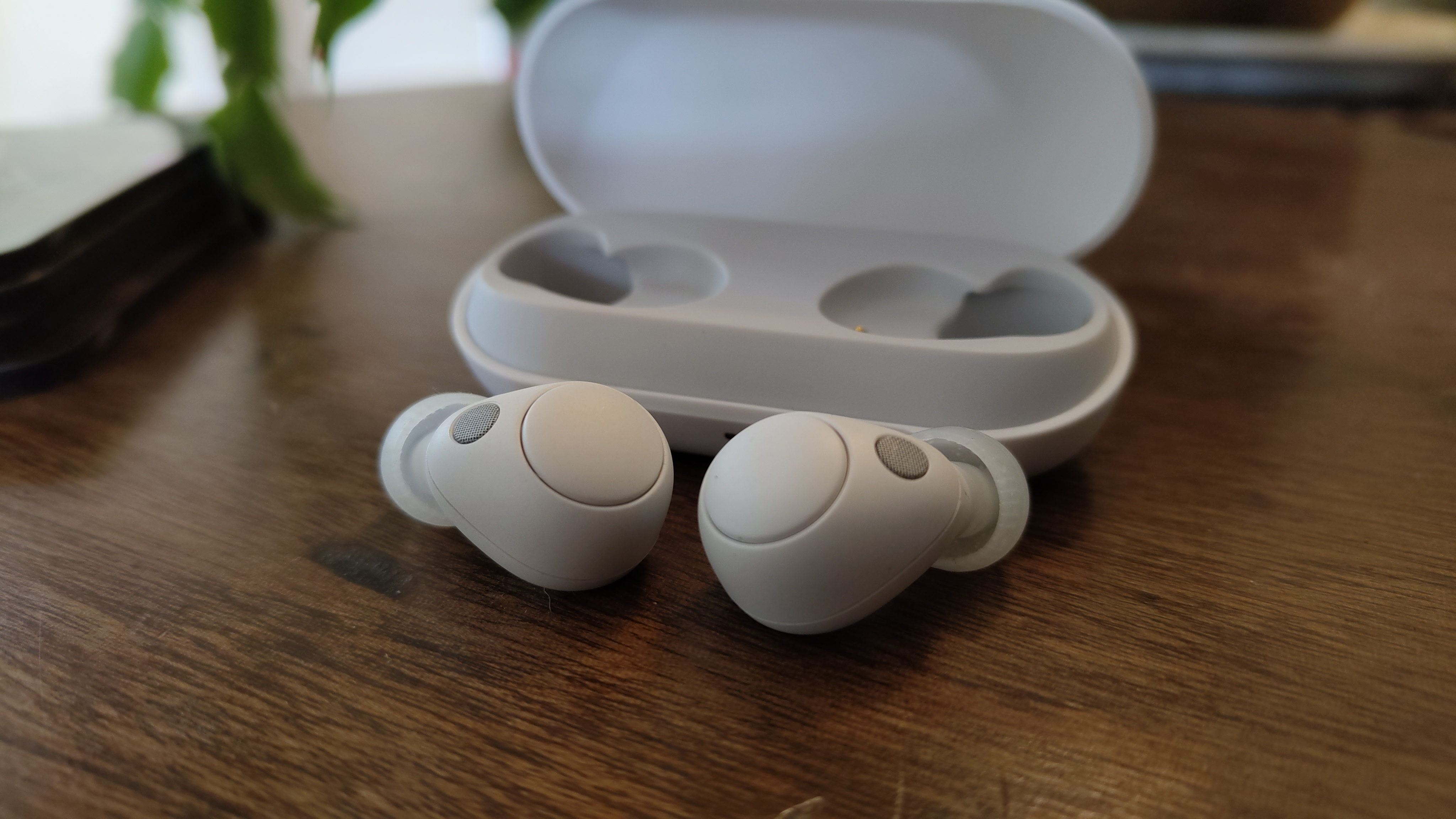
The best earbuds for sound in 2026 prioritize high-resolution codecs, sophisticated driver configurations, and precision tuning to deliver an immersive listening experience. Leading models like the Sony WF-1000XM5 and Sennheiser Momentum True Wireless 4 currently dominate the market by balancing technical accuracy with expansive soundstages and deep tonal clarity.
Defining Excellence in Portable Audio
When evaluating the "best" sound in the 2026 landscape, we must look beyond marketing jargon and focus on the fundamental engineering that separates consumer-grade toys from high-fidelity instruments. The pursuit of perfect sound in a true wireless stereo (TWS) form factor involves a delicate dance between digital processing and physical acoustics.
In 2026, the industry has largely transitioned to LE Audio and the LC3 codec, but for the true audiophile, the focus remains on high-bitrate transmission. Sound quality is no longer just about the frequency response—the range of bass, mids, and highs—but about "texture," "transient response," and "imaging." Texture refers to the realistic grit of a cello bow or the breathiness of a vocal; transient response is the speed at which a driver starts and stops, affecting the crispness of a snare drum; and imaging is the ability to perceive exactly where each instrument is placed in a three-dimensional space.
The Role of Drivers and Digital-to-Analog Conversion
The heart of any earbud is its driver. While traditional dynamic drivers remain popular for their natural bass extension, 2026 has seen a rise in MEMS (Micro-Electro-Mechanical Systems) drivers and hybrid configurations. MEMS drivers use silicon-based diaphragms that offer near-instantaneous response times, reducing distortion to levels previously only seen in high-end over-ear planar magnetic headphones.
Furthermore, the internal Digital-to-Analog Converter (DAC) and amplifier within the earbud must be of sufficient quality to drive these components without introducing electronic hiss or "floor noise." As we examine the top seven contenders, notice how each brand tackles these engineering challenges differently.
1. Sony WF-1000XM5: The Precision Engineer
Sony has long been a titan in the audio world, and the WF-1000XM5 represents the pinnacle of their "integrated" approach to sound. By utilizing the Integrated Processor V2, Sony handles signal processing with surgical precision, ensuring that the transition from digital data to physical sound waves is as clean as possible.
Sound Signature and Tech
The XM5 features the "Dynamic Driver X," a specially designed diaphragm that combines different materials for the dome and the edge. This design allows for incredibly low-frequency reproduction without bleeding into the mid-range. For those who prioritize high-resolution audio, Sony’s proprietary LDAC codec remains a gold standard in 2026, allowing for approximately three times more data transmission than standard Bluetooth.
The result is a "warm" yet detailed sound. It doesn't fatigue the listener during long sessions, making it ideal for those who consume diverse genres—from the complex layering of orchestral pieces to the aggressive transients of modern electronic music.
2. Sennheiser Momentum True Wireless 4: The Audiophile Standard
Sennheiser’s reputation is built on the "TrueResponse" transducer system. Unlike competitors that might use multiple low-quality drivers, Sennheiser utilizes a single, high-performance 7mm dynamic driver. Their philosophy is that a single point source of sound eliminates phase issues—where different frequencies reach your eardrum at slightly different times, causing a "blurred" effect.
Performance in 2026
In the 2026 market, the Momentum True Wireless 4 stands out for its support of aptX Lossless. This technology, part of the Snapdragon Sound platform, enables bit-perfect CD-quality audio over Bluetooth. If you are a subscriber to high-tier streaming services like Tidal or Qobuz, the Sennheiser hardware is uniquely equipped to reveal the subtle nuances in those high-bitrate files.
The soundstage here is remarkably wide for an earbud. You don't feel like the music is "stuck inside your head"; instead, it feels like it is occurring in the room around you. This "out-of-head" experience is a hallmark of Sennheiser’s acoustic tuning.
3. Bowers & Wilkins Pi8: British High-Fidelity
Bowers & Wilkins (B&W) brought their expertise from the world of luxury home theater speakers to the Pi8. These earbuds are defined by their use of Carbon Cone drivers, a technology trickled down from their 700 Series loudspeakers.
Why the Pi8 Excels
Carbon fiber is incredibly stiff yet lightweight. In an earbud, this means the driver can move rapidly without deforming, which significantly reduces "break-up" distortion at high volumes. The Pi8 also features a unique "Smartcase" that can act as a retransmission system. You can plug the case into an analog source (like an airplane jack) via a cable, and it will transmit that audio to the buds using a high-quality aptX Adaptive link.
The Pi8's sound is characterized by "transparency." It doesn't color the music with excessive bass or artificially bright highs. It aims to tell the truth about the recording, making it the preferred choice for purists who want to hear exactly what the producer intended in the studio.
4. Devialet Gemini II: Impact and Presence
Devialet is a French company known for their "Phantom" speakers that produce world-shaking bass from small enclosures. They have successfully shrunk that DNA into the Gemini II earbuds. These are arguably the best earbuds for sound if your definition of "best" involves physical impact and "slam."
Acoustic Innovations
The Gemini II uses a custom 10mm high-sensitivity driver. What sets it apart is the Internal Delay Compensation (IDC) algorithm. This tech compensates for the slight delay introduced by the noise-canceling loop, ensuring that the anti-noise doesn't interfere with the musical signal’s integrity.
Listeners will notice a level of "authority" in the lower frequencies that other buds struggle to match. However, it isn't "muddy" bass. It is tight, textured, and incredibly fast. The mid-range remains lush, making vocal performances feel intimate and "live."
5. Noble Audio FoKus Prestige: The Boutique Powerhouse
Noble Audio is a boutique brand that ignores the typical "features-first" approach of Apple or Sony. The FoKus Prestige is built with one goal: pure, unadulterated sound quality. There is no Active Noise Cancellation (ANC) here, as the microphones and processing required for ANC can often introduce subtle distortions into the audio path.
Triple-Driver Configuration
The FoKus Prestige uses a hybrid triple-driver system. It features one large dynamic driver for the low end and two Knowles balanced armature drivers for the mids and highs. This is similar to the architecture used in professional "In-Ear Monitors" (IEMs) worn by musicians on stage.
By dedicating specific drivers to specific frequency bands, the FoKus Prestige achieves a level of "separation" that is virtually unrivaled. You can easily pick out the background singers, the subtle ring of a triangle, or the resonance of a woodblock even in a crowded mix. The shells are also made from "stabilized wood," which isn't just for aesthetics—it provides a dense, non-resonant housing for the drivers.
6. Apple AirPods Pro (2nd Gen/2026 Refresh): Seamless Fidelity
While Apple is often viewed as a "convenience" brand, the 2026 iteration of the AirPods Pro (utilizing an updated H2 or H3 silicon) has bridged the gap into high-fidelity territory. Apple’s strength lies in Computational Audio.
Adaptive EQ and Spatial Audio
Apple uses an inward-facing microphone to measure what you are hearing and then adjusts the low and mid-frequencies in real-time to compensate for the unique shape of your ear canal. This "Adaptive EQ" ensures a consistent sound signature regardless of fit.
The standout feature for many is Spatial Audio with Dynamic Head Tracking. When listening to Dolby Atmos tracks, the AirPods Pro create a multi-dimensional sound field that mimics a 7.1.4 surround sound system. While some purists prefer standard stereo, the "immersive" sound of Apple’s ecosystem is a technological marvel that offers a different, highly engaging way to experience music.
7. Bose QuietComfort Ultra Earbuds: Depth and Immersion
Bose is historically the king of noise cancellation, but with the "Ultra" series, they have made significant strides in pure audio performance. Their "Immersive Audio" mode uses proprietary digital signal processing to "unfold" the soundstage.
CustomTune Technology
Every time you put the Ultra earbuds in, they play a chime. This chime is used to map the acoustic properties of your ear canal. The "CustomTune" system then optimizes the sound profile specifically for you. This level of personalization is critical because the physical shape of an ear can change the perceived frequency response by several decibels.
The sound signature is "V-shaped"—meaning the bass and treble are slightly emphasized—which results in a very "exciting" and energetic listen. It’s particularly effective for modern pop, hip-hop, and action-heavy podcasts.
Technical Comparison of Top 2026 Earbuds
| Model | Primary Codecs | Driver Type | Sound Signature | Best For |
|---|---|---|---|---|
| Sony WF-1000XM5 | LDAC, AAC, SBC | 8.4mm Dynamic | Warm & Balanced | All-around performance |
| Sennheiser MTW 4 | aptX Lossless, LE | 7mm Dynamic | Clinical & Wide | Critical listening |
| B&W Pi8 | aptX Adaptive | 12mm Carbon Cone | Transparent | Realistic Timbre |
| Devialet Gemini II | aptX, AAC | 10mm Dynamic | Impactful/Deep | Bass enthusiasts |
| Noble Audio FoKus | aptX Adaptive | Hybrid (1DD + 2BA) | Analogue/Detailed | Pure Audiophiles |
| Apple AirPods Pro | AAC (High Bitrate) | Custom Dynamic | Neutral/Spatial | Ecosystem users |
| Bose QC Ultra | aptX Adaptive | Custom Dynamic | Energetic/V-Shape | Immersion & ANC |
How to Optimize Your Earbuds for the Best Sound
Buying high-end hardware is only half the battle. To truly get the "best" sound from your earbuds in 2026, you must consider the entire signal chain.
1. Source Quality Matters
If you are listening to highly compressed files (like standard Spotify or YouTube audio), even $400 earbuds cannot "fix" the missing data. Ensure you are using a lossless service. In 2026, most major platforms offer at least 16-bit/44.1kHz (CD quality). Turn off "Data Saver" modes in your app settings to ensure the highest possible bitrate.
2. The Importance of the Seal
The "best" sound is physically impossible without a proper acoustic seal. If air leaks out of your ear canal, the first thing you lose is sub-bass response. Most high-end buds in 2026 come with an "Ear Tip Fit Test" in their companion apps. Use it. If the included silicone tips don't work, consider third-party memory foam tips (like those from Comply), which expand to create a custom, airtight seal.
3. Disable Loudness Normalization
Many streaming apps have a feature called "Loudness Normalization" that levels out the volume between different songs. While convenient, this often uses "compression" that squashes the dynamic range of a track, making the loud parts quieter and the quiet parts louder. For the best sound, disable this in your settings to hear the full dynamic peaks of your music.
Troubleshooting Common Sound Issues
Even the best earbuds can occasionally sound "off." Here is how to resolve common fidelity problems:
- Thin or Tinny Sound: This is almost always a fit issue. Try a larger ear tip. If that doesn't work, ensure that "Transparency Mode" isn't accidentally turned on, as this can sometimes bleed external high-frequency noise into your music.
- Audio Stuttering/Dropouts: High-bitrate codecs like LDAC and aptX Lossless require a lot of bandwidth. If you are in a crowded area with many 2.4GHz signals (like a train station), your phone may struggle to maintain the connection. Switch the codec setting in your Bluetooth menu from "Best Quality" to "Balanced" or "Best Connection."
- Muffled Highs: Over time, earwax can clog the fine mesh filters of your earbuds. Clean them gently with a dry, soft-bristled brush or a specialized cleaning tool. Even a tiny amount of buildup can significantly roll off the treble frequencies.
Expert Selection: Which One Should You Buy?
Choosing between these seven models depends on your specific priorities:
- For the "Studio" Experience: Choose the Noble Audio FoKus Prestige. Its lack of ANC is a trade-off for the most raw, detailed sound available in a wireless format.
- For Travel and Commuting: The Sony WF-1000XM5 offers the best balance. It provides top-tier sound while simultaneously offering the best noise cancellation and battery life in the category.
- For Classical and Jazz: The Sennheiser Momentum True Wireless 4 excels here. The instrument separation and natural timbre of strings and horns are unmatched by the more "processed" sounding competitors.
- For the Modern Listener: The Apple AirPods Pro remains the king of versatility. While it might not have the raw resolution of the B&W Pi8, its spatial audio features provide an "entertainment" factor that is hard to beat for movies and Atmos-mixed tracks.
In 2026, the gap between wired audiophile headphones and wireless earbuds has never been smaller. By selecting any of these seven models, you are investing in a sophisticated piece of audio engineering capable of revealing layers of your favorite music you may have never heard before.