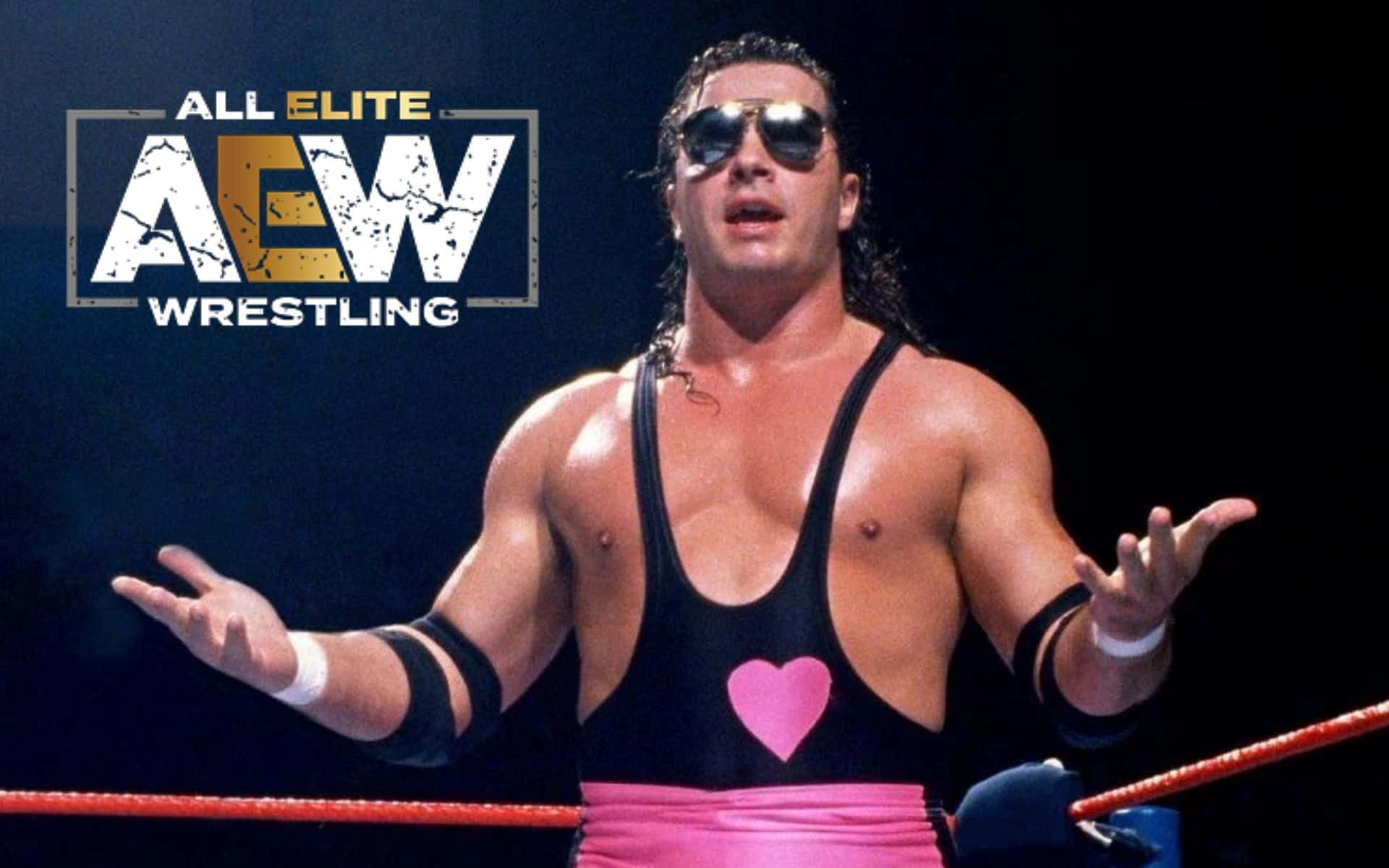
On May 23, 1999, the professional wrestling world experienced one of its darkest days during the World Wrestling Federation (WWF) pay-per-view event Over the Edge in Kansas City, Missouri. Owen Hart, a beloved and immensely talented performer working under the ring persona "The Blue Blazer," suffered a fatal 50-foot fall from the rafters of the Kemper Arena. The incident occurred due to a premature release mechanism on a stunt harness system designed to lower him into the ring. This catastrophic failure fundamentally altered safety protocols, legal standards, and operational transparency across the professional wrestling industry.
The Events of May 23, 1999: Over the Edge
The Over the Edge pay-per-view event was designed to showcase high-stakes matches and dramatic entertainment. For his scheduled Intercontinental Championship match against The Godfather, Owen Hart was booked to descend from the ceiling of the Kemper Arena rafters into the ring, portraying a comedic, superhero-esque character known as The Blue Blazer.
The rigging setup involved a specialized steel cable, a quick-release harness mechanism, and a motorized winch operated by rigging technicians contracted for the event. As Hart was being lowered into position high above the ring, the quick-release mechanism prematurely triggered. Because there was no adequate redundancy system in place for this specific stunt configuration, Hart plummeted approximately 50 to 70 feet—estimates vary slightly depending on exact rafter measurements—striking the top rope and crashing into the ring mat.
Medical personnel rushed to the ring immediately, administering emergency aid in front of a live audience of over 16,000 fans and millions watching on television. Hart was transported to Truman Medical Center, where he was pronounced dead upon arrival. Despite the catastrophic nature of the accident, WWF management made the controversial decision to continue the pay-per-view event, a choice that drew immediate and lasting condemnation from fans, media, and wrestling peers alike.
Technical Breakdown of the Rigging Failure
Understanding the mechanics of the 1999 accident requires an examination of the rigging equipment and the operational procedures used during the event. The stunt relied on a "hasty-clip" or snap-shackle mechanism, which is frequently used in marine and theatrical applications for rapid detachment.
Investigations following the tragedy revealed several critical technical vulnerabilities:
- Unsuitable Equipment Selection: The quick-release mechanism utilized was reportedly chosen for its speed of release rather than its suitability for suspending a human being under dynamic tension.
- Lack of Redundancy: Standard theatrical rigging for personnel suspension typically requires a primary load-bearing line and a secondary independent safety line. The setup used for Hart's entrance lacked an effective secondary backup line that could have prevented the fall upon primary release failure.
- Rapid Deployment Pressures: Live television production environments often operate under immense time constraints, which can compromise pre-rigging inspections, load-testing protocols, and clear communication between stunt performers, rigging crews, and production staff.
Official investigations by local authorities and subsequent civil litigation highlighted that the system was prone to accidental triggering if bumped or manipulated incorrectly under tension. The absence of rigorous safety sign-offs prior to the live broadcast exposed severe deficiencies in how the promotion managed high-altitude stunt work compared to traditional theatrical or cinematic standards.
Legal Fallout and Settlement Details
The aftermath of the accident triggered significant legal battles between the Hart family and Titan Sports (doing business as the World Wrestling Federation). Martha Hart, Owen Hart’s widow, filed a wrongful death lawsuit against the organization, alleging gross negligence, inadequate safety testing, and the deployment of defective rigging equipment.
Key aspects of the legal proceedings included:
- Scrutiny of Independent Contractors: The WWF attempted to shield itself from liability by arguing that the rigging crew were independent contractors. However, legal arguments contested this by emphasizing the promotion's direct control over the stunt's design, execution, and timing.
- The Settlement: In 2000, a settlement was reached out of court. Titan Sports agreed to pay an 18-million-dollar settlement to Martha Hart, their children, and Owen Hart's parents.
- The Owen Hart Foundation: A substantial portion of the settlement funds was directed toward establishing the Owen Hart Foundation, a charitable organization dedicated to funding education, housing, and amateur athletics for youth in need.
Industry-Wide Safety Reforms in Professional Wrestling
The death of Owen Hart served as a watershed moment for the professional wrestling industry, forcing major promotions to overhaul their operational safety protocols. Prior to 1999, professional wrestling existed in a regulatory grey area, often exempt from the rigorous safety oversight applied to theatrical productions, film sets, and stunt industries.
Following the incident, major promotions implemented strict reforms:
- Ban on High-Altitude Aerial Entrances: Suspended-harness entrances from arena rafters were largely abandoned across the industry, particularly involving quick-release mechanisms.
- Third-Party Rigging Inspections: Modern wrestling promotions increasingly rely on certified professional theatrical rigging companies and independent safety inspectors to manage complex staging, lighting arrays, and pyrotechnics.
- Enhanced Insurance and Compliance: Insurance underwriters began demanding rigorous safety audits, documented training logs, and adherence to Occupational Safety and Health Administration (OSHA) guidelines for any elevated performance work.
| Era / Period | Rigging & Stunt Standards | Regulatory Oversight | Safety Redundancy |
|---|---|---|---|
| Pre-1999 | Informal, production-led rigging; rapid deployment focus | Minimal external oversight; self-regulated industry | Often lacked secondary backup lines or formal sign-offs |
| Post-1999 | Ban on hazardous harness drops; certified theatrical standards | Stricter municipal venue inspections and OSHA awareness | Mandatory dual-line redundancy and third-party verification |
Legacy and Remembrance
Decades after the tragic events of May 23, 1999, Owen Hart's legacy persists both as a cautionary tale regarding workplace safety and as a celebration of an extraordinary athletic career. Widely regarded by peers and analysts as one of the most technically proficient and versatile in-ring performers of his generation, Hart held numerous championships throughout his tenure in Stampede Wrestling, New Japan Pro-Wrestling, and the WWF.
Martha Hart and the Hart family have steadfastly preserved his memory through philanthropic efforts rather than corporate partnerships with the WWE (World Wrestling Entertainment). The establishment of the Owen Hart Foundation and the subsequent creation of the Owen Hart Foundation Women's and Men's Tournaments in All Elite Wrestling (AEW) ensure that his athletic contributions continue to inspire new generations of wrestlers.
[ Rigging Setup ] ---> [ Quick-Release Failure ] ---> [ 50-Foot Fall ] ---> [ Industry Safety Overhaul ]
Frequently Asked Questions
What caused Owen Hart to fall during the 1999 WWF event?
The fall was caused by the premature and accidental release of a snap-shackle harness mechanism that suspended Owen Hart from the rafters of the Kemper Arena. The system lacked adequate safety redundancies, causing him to plummet into the ring when the primary release triggered.
Did the wrestling event stop after the accident occurred?
Yes and no. The live pay-per-view broadcast continued while medical personnel attended to Hart in the ring and transported him to the hospital. Announcers Jim Ross and Jerry Lawler informed television viewers later in the broadcast that Hart had passed away, though the matches proceeded under immense emotional strain for the performers.
How much was the legal settlement between the Hart family and the WWF?
In 2000, Martha Hart settled a wrongful death lawsuit against Titan Sports for 18 million dollars. A significant portion of these funds was used to establish the Owen Hart Foundation to support educational and community initiatives.
Are suspended-harness entrances still used in professional wrestling today?
No. Following the 1999 tragedy, major professional wrestling promotions implemented strict bans on descending performers from arena rafters via quick-release harnesses, prioritizing certified theatrical safety standards and eliminating high-risk aerial stunts.
Where can I learn more about Owen Hart's life and career?
Readers can explore authorized biographies, such as Martha Hart's book Broken Harts: The Life and Death of Owen Hart, as well as official documentation concerning the Owen Hart Foundation's charitable programs.
Conclusion and Next Actions
The 1999 Owen Hart accident remains a profound tragedy that exposed the critical need for uncompromising workplace safety standards in live entertainment. For industry professionals, event organizers, and fans alike, studying this historical event underscores the absolute necessity of rigorous equipment verification, redundancy, and regulatory compliance. To honor Owen Hart's memory, modern entertainment productions continue to prioritize the physical well-being of performers above theatrical spectacle.