Private foundations are 501(c)(3) organizations established by individuals, families, or corporations to support charitable causes through grantmaking. By leveraging significant endowments, these entities drive global change in health, education, and social justice. Leading examples like the Gates and Ford foundations define the modern standards for strategic, large-scale impact and cross-sector collaboration.
The Evolution and Impact of Private Foundations
In 2026, the landscape of global giving has shifted from traditional "checkbook philanthropy" toward a model defined by systemic change and long-term measurable outcomes. A private foundation differs from a public charity primarily in its funding source; while public charities rely on diverse donations from the general public, private foundations are typically funded by a single principal or a small group. This structure allows for a high degree of autonomy, enabling these organizations to take risks on innovative solutions that governments or public charities might find too experimental.
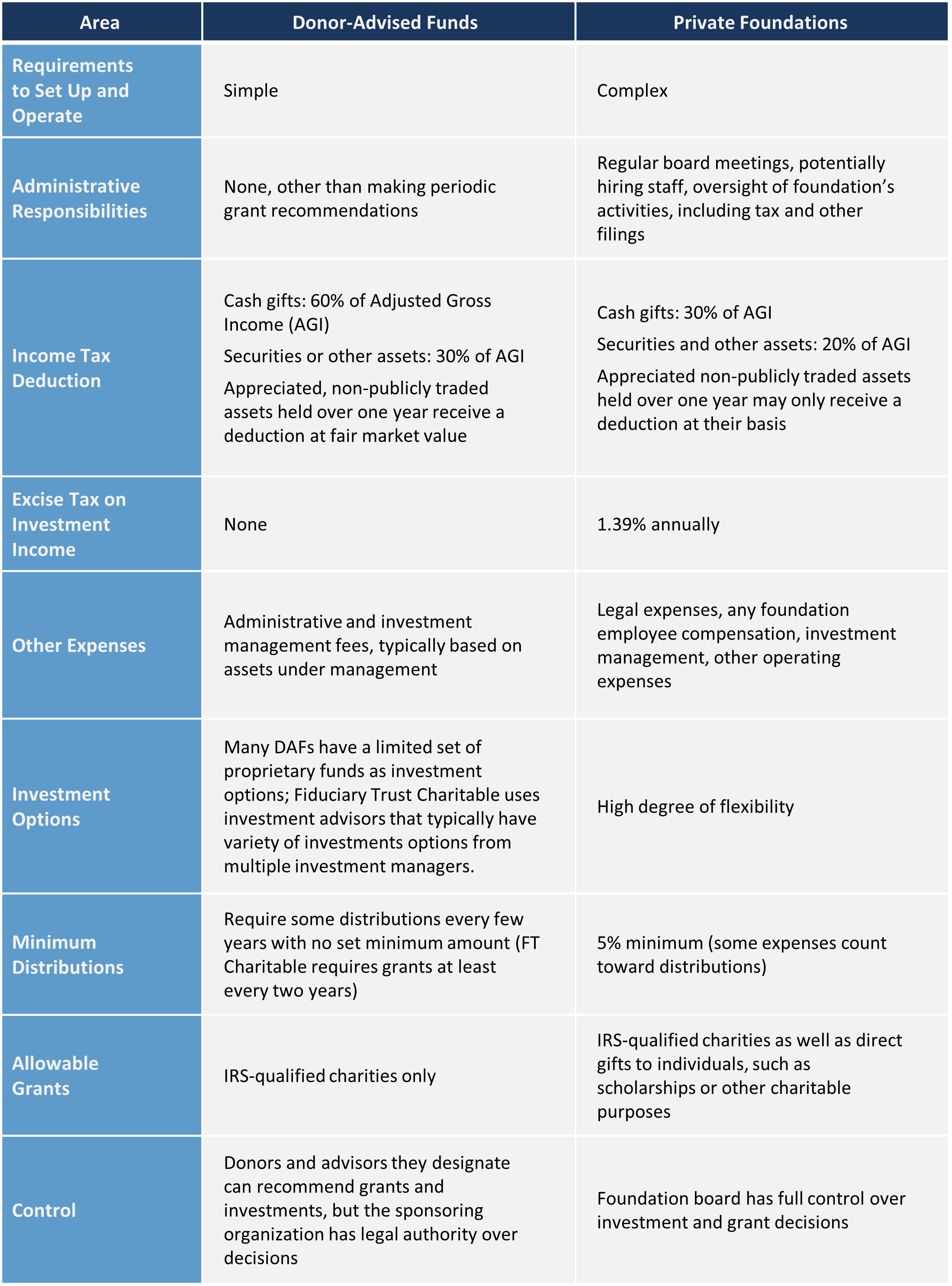
The internal mechanics of these foundations involve a board of directors or trustees who oversee the distribution of funds. By law, these entities must meet a minimum annual payout—traditionally 5% of the average market value of their non-charitable use assets—to maintain their tax-exempt status. This requirement ensures that wealth is actively being deployed for the public good rather than simply accumulating in a tax-advantaged environment.
Beyond the financial metrics, private foundations shape philanthropy by setting agendas. When a multi-billion dollar entity prioritizes climate resilience or pandemic preparedness, it creates a "crowding-in" effect, where other donors, NGOs, and governments align their resources and strategies with those priorities. This "shaping" influence is what distinguishes the most powerful foundations from simple grant-making bodies.
1. The Bill & Melinda Gates Foundation: Catalytic Philanthropy
The Bill & Melinda Gates Foundation remains the world’s most influential private foundation, fundamentally altering how global health and development are approached. Founded with the philosophy that "every life has equal value," the foundation has pioneered a model known as "catalytic philanthropy." This approach involves using private capital to fill gaps that markets and governments cannot, specifically in areas with high risk but potentially massive social returns.
Focus Areas and Strategy
In 2026, the foundation continues to focus on its core pillars: Global Health, Global Development, and U.S. Education. Their work in global health is perhaps their most visible contribution, having been instrumental in the near-eradication of polio and the dramatic reduction of deaths from malaria, tuberculosis, and HIV/AIDS. They achieve this through the Global Fund and Gavi, the Vaccine Alliance—entities that the foundation helped create and continues to fund.
Shaping the Sector
The Gates Foundation shapes philanthropy by emphasizing data and rigorous metrics. They introduced the concept of "Grand Challenges," which provides grants to scientists and researchers worldwide to solve specific, high-priority problems. This "venture capital" mindset toward social issues has forced other foundations to become more focused on measurable results and Return on Investment (ROI) in a social context.
2. The Ford Foundation: Advancing Social Justice
While the Gates Foundation focuses heavily on technical and scientific solutions, the Ford Foundation represents the vanguard of social justice philanthropy. Established in 1936 by Edsel and Henry Ford, the foundation underwent a radical transformation under the leadership of Darren Walker, who steered the organization toward addressing the root causes of inequality.
Addressing Structural Inequality
The Ford Foundation’s strategy, often referred to as "Ford’s Five," targets the drivers of inequality: entrenched prejudice, unfair economic rules, failed government oversight, a lack of civic participation, and the erosion of the arts. By 2026, the foundation has further refined its "Mission Investments" program, where it allocates a portion of its endowment directly into investments that generate both social impact and financial return, bridging the gap between grantmaking and capital markets.
Long-term Institutional Support
A key way the Ford Foundation shapes the sector is through its commitment to "BUILD" (Building Institutions and Networks). Unlike many foundations that prefer short-term, project-based funding, Ford provides multi-year, flexible general operating support. This empowers grassroots organizations to build their own infrastructure, ensuring sustainability long after a specific grant period ends. This shift has influenced many other foundations to reconsider the "overhead myth" and invest more in the organizational health of their grantees.
3. Open Society Foundations: Defending Democracy and Human Rights
Founded by George Soros, the Open Society Foundations (OSF) operate as a global network of entities dedicated to promoting democratic governance, human rights, and legal reform. OSF is unique in its willingness to fund political and systemic advocacy, often in environments where civil society is under threat.
Promoting Open Societies
In 2026, OSF focuses on digital rights, the rule of law, and economic justice. Their grantmaking often supports legal clinics, independent journalism, and organizations that monitor government corruption. By providing a platform for marginalized voices, OSF seeks to ensure that no single group or ideology has a monopoly on truth or power.
Shaping Global Advocacy
OSF shapes philanthropy by demonstrating how private wealth can be used to challenge systemic oppression. They are often the first to enter "closed" societies, providing a blueprint for how foundations can support dissidents and human rights defenders. Their strategy emphasizes that philanthropy is not just about service delivery (like building hospitals) but about changing the laws and structures that make those services necessary in the first place.
4. The Rockefeller Foundation: Scientific Philanthropy and Innovation
The Rockefeller Foundation, one of the oldest in the United States, is often credited with inventing the modern "scientific" approach to giving. Historically responsible for the "Green Revolution" that transformed global agriculture, the foundation has pivoted in 2026 to focus on climate-smart health and energy solutions.
Scaling Solutions through Partnerships
The Rockefeller Foundation specializes in "convening power." They frequently bring together heads of state, corporate CEOs, and NGO leaders to solve complex problems like urban resilience and food security. Their 2026 initiatives prioritize the energy transition in emerging economies, proving that renewable energy can be a primary driver of economic growth.
Impact Measurement and Resilience
Rockefeller has shaped the sector by popularizing the concept of "Resilience"—the ability of systems and communities to survive, adapt, and grow in the face of shocks (like climate disasters or economic collapses). By funding the "100 Resilient Cities" initiative (and its successors), they forced urban planners and philanthropists alike to think about long-term systemic stability rather than just disaster response.
5. Bloomberg Philanthropies: Data-Driven Urban Solutions
Michael Bloomberg’s foundation, Bloomberg Philanthropies, utilizes a unique five-part focus: Public Health, the Environment, Education, Government Innovation, and the Arts. Their approach is heavily influenced by Bloomberg’s background in data and technology, focusing on where the most lives can be saved or improved for every dollar spent.
Empowering City Leadership
Bloomberg Philanthropies is perhaps best known for its focus on cities. Recognizing that mayors and local governments are often more agile than national governments, the foundation provides technical assistance and data training to city officials. Their "What Works Cities" initiative has standardized how municipalities use data to improve public services.
Evidence-Based Policy
By 2026, Bloomberg has significantly shaped philanthropy through aggressive, evidence-based policy advocacy. Their work on tobacco control, road safety, and coal reduction shows how foundations can use data to lobby for legislative changes that have a massive public health impact. They prioritize "low-hanging fruit" where interventions are proven but lack the funding to scale.
Comparative Analysis of Foundation Strategies
The following table compares the primary operational characteristics of these five influential foundations in 2026.
| Foundation | Primary Strategic Focus | Operational Style | Key Influence on Philanthropy |
|---|---|---|---|
| Gates Foundation | Global Health & Education | Catalytic / Results-Oriented | Emphasized metrics and ROI in giving. |
| Ford Foundation | Social Justice & Inequality | Institutional Support / BUILD | Shifted focus to general operating support. |
| Open Society | Human Rights & Democracy | Advocacy / Systemic Change | Proven model for political & legal advocacy. |
| Rockefeller | Climate & Innovation | Scientific / Convening | Pioneered scientific philanthropy & resilience. |
| Bloomberg | Urban Innovation / Public Health | Data-Driven / Policy Advocacy | Standardized data use in municipal government. |
Strategic Trends Shaping Philanthropy in 2026
The actions of these "Big Five" foundations have led to several broader trends across the philanthropic sector. For anyone looking to understand how private wealth is being deployed today, these four trends are essential:
- Trust-Based Philanthropy: Moving away from burdensome reporting requirements, more foundations (led by the example of Ford and newer players like MacKenzie Scott) are trusting grantees to use funds where they are most needed.
- Spend-Down Foundations: While the five examples above are perpetual, there is a growing trend toward "limited-life" or spend-down foundations. These entities aim to exhaust their entire endowment within a set period (e.g., 20 years) to solve urgent crises like climate change immediately rather than preserving capital.
- Collaborative Funding: No single foundation can solve global poverty. In 2026, we see an increase in "pooled funds," where multiple foundations combine their resources to tackle a single issue, such as the Climate Breakthrough Project.
- DEI and Equitable Grantmaking: Foundations are increasingly scrutinizing their own boards and staff to ensure they reflect the communities they serve. This internal reform is seen as a prerequisite for effective external grantmaking.
Regulatory and Technical Considerations
Establishing and maintaining a private foundation involves significant legal and financial oversight. In the United States, the Internal Revenue Service (IRS) governs these entities under strict guidelines.
Payout Requirements and Taxes
As of 2026, foundations must distribute approximately 5% of their asset value annually. Failure to do so results in heavy excise taxes. Additionally, foundations are subject to a flat 1.39% excise tax on their net investment income. This tax is used by the IRS to fund the oversight of the non-profit sector.
Self-Dealing Prohibitions
Strict "self-dealing" rules prevent "disqualified persons" (major donors, board members, and their family members) from financially benefiting from the foundation. This includes a prohibition on the foundation buying or leasing property from a donor or paying unreasonable compensation to family members.
Common Pitfalls for New Foundations
While the examples above provide a roadmap for success, many smaller or newer foundations struggle with several common issues:
- Lack of Focus: Attempting to fund too many disparate causes often leads to a "spray and pray" approach where the impact is diluted.
- High Administrative Costs: Foundations that do not manage their overhead effectively find that a significant portion of their potential grant money is consumed by internal bureaucracy.
- Failure to Collaborate: New donors often want to "reinvent the wheel" rather than joining existing, successful coalitions.
- Poor Due Diligence: Funding organizations without a proven track record or clear financial transparency can lead to wasted resources and reputational damage.
FAQs
What is the difference between a private foundation and a public charity?
A private foundation is typically funded by a single source (individual or family) and primarily makes grants to other organizations. A public charity (like the Red Cross) receives funds from a wide base of public donors and usually operates its own direct programs.
Are donations to private foundations tax-deductible?
Yes, but the limits are generally lower than those for public charities. Typically, cash contributions to a private foundation are deductible up to 30% of the donor's adjusted gross income (AGI), whereas contributions to public charities can be deductible up to 60%.
Can a private foundation be used for political lobbying?
Private foundations are generally prohibited from engaging in direct lobbying or supporting political campaigns. However, they can fund "non-partisan study, analysis, or research" and can engage in broad advocacy regarding social issues, as seen with the Open Society Foundations.
How much money is needed to start a private foundation?
While there is no legal minimum, financial advisors typically suggest an initial endowment of at least $250,000 to $1 million to justify the administrative costs and IRS reporting requirements. For smaller amounts, a Donor-Advised Fund (DAF) is often a more cost-effective alternative.
Who oversees the actions of a private foundation?
In the U.S., the IRS and the State Attorney General’s office of the state where the foundation is incorporated provide oversight. They ensure the foundation adheres to payout requirements and does not engage in prohibited transactions or self-dealing.
Next Actions for Prospective Philanthropists
For those looking to emulate the success of these five foundation examples, the first step is defining a clear mission statement. Philanthropy is most effective when it is focused and leverages the unique skills or assets of the donor.
- Research Existing Models: Use resources like Candid to look up the 990-PF tax returns of existing foundations to see where their money actually goes.
- Consult with Experts: Engage a philanthropic advisor and a tax attorney to determine whether a private foundation, a Donor-Advised Fund, or an LLC (like the Chan Zuckerberg Initiative) is the right vehicle for your goals.
- Start Small: Consider "test-driving" your giving through a DAF before committing to the administrative complexity of a private foundation.
By observing how the Gates, Ford, Rockefeller, Open Society, and Bloomberg foundations operate, donors can learn to move beyond simple charity toward the kind of strategic philanthropy that shapes the world for the better.