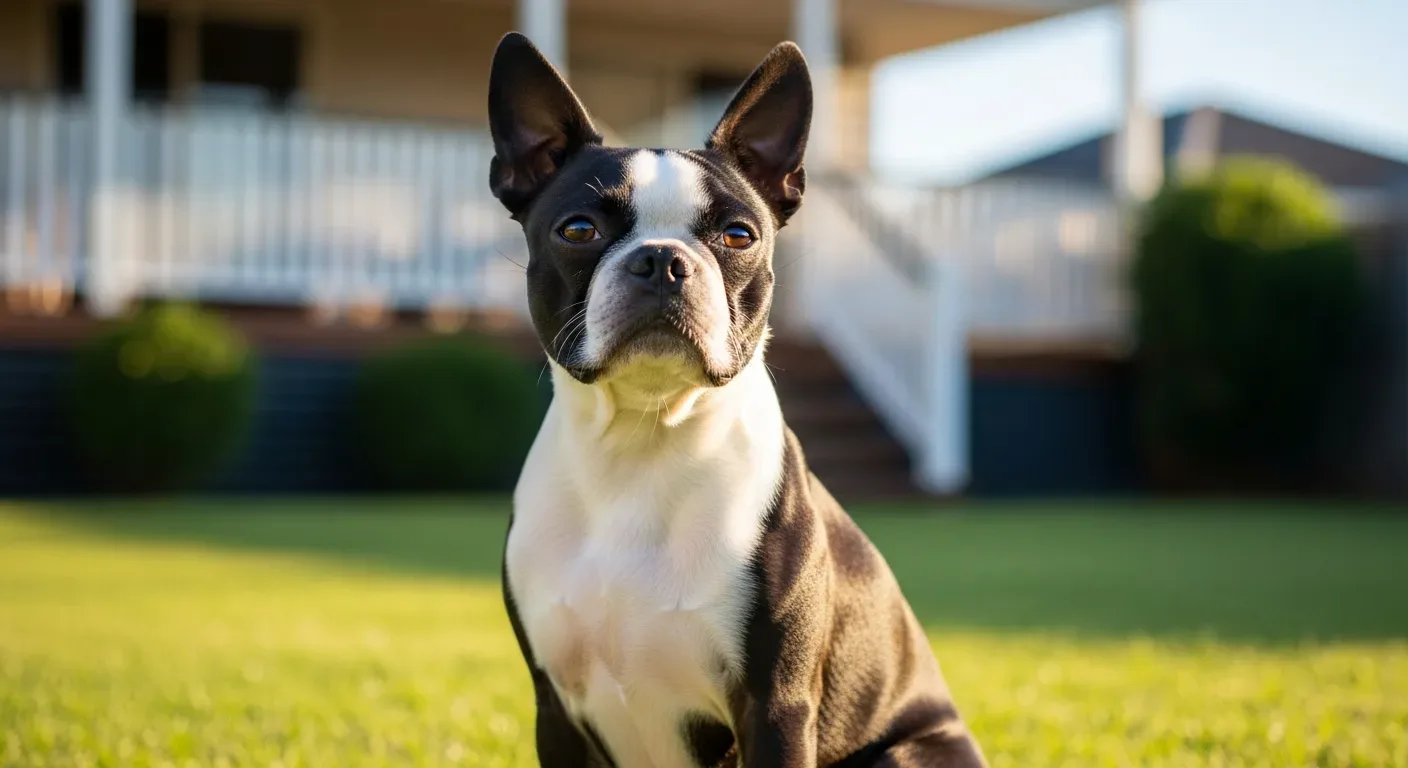
Finding the right shampoo for a Boston Terrier involves balancing the breed's short, fine coat with their famous skin sensitivity, prominent eyes, and frequent need for gentle, frequent baths without stripping natural oils. This review evaluates five top-performing formulas tailored to these specific dermatological traits, examining ingredients, tearless qualities, and soothing properties to help you choose the best option for your dog.
Understanding Boston Terrier Skin and Coat Needs
Boston Terriers are beloved for their tuxedo-like markings, compact muscular frames, and smooth, short coats. However, beneath that sleek exterior lies a skin type that is notoriously prone to allergies, environmental sensitivities, and irritation. Because their hair is very short and lies close to the body, environmental allergens, pollens, and dust mites make direct contact with their epidermis much more easily than with long-haired breeds. Furthermore, Boston Terriers are a brachycephalic breed, meaning their facial wrinkles and folds require specialized cleaning to prevent moisture buildup and subsequent yeast or bacterial infections.
When shopping for a canine shampoo, many owners make the mistake of using human products or cheap, detergent-heavy commercial formulas. Human skin has a different pH balance than canine skin—human skin is more acidic, typically around 5.5, while canine skin ranges from 6.2 to 7.5. Using an inappropriately balanced shampoo strips the acid mantle, leaving the dog vulnerable to pathogens, flaking, and severe itching.
The ideal formula for this breed must be soap-free, hypoallergenic, and formulated with moisturizing agents like oatmeal, aloe vera, or natural essential oils that do not clog pores. Additionally, because these dogs have prominent, vulnerable eyes, tearless or non-irritating face-washing formulations are a major asset during grooming sessions.
Key Criteria for Evaluating Boston Terrier Shampoos
To objectively review the top grooming products on the market, several rigorous criteria must be applied specifically to the physiological profile of Boston Terriers. A great shampoo for this breed cannot simply smell pleasant; it must actively preserve skin health and address common breed-specific ailments.
- pH Balance: Must match canine skin chemistry to prevent dryness, irritation, and disruption of the natural protective barrier.
- Ingredient Safety: Avoidance of harsh sulfates (like sodium lauryl sulfate), artificial parabens, synthetic dyes, and heavy artificial fragrances that trigger allergic dermatitis.
- Soothing and Anti-Itch Properties: Inclusion of proven veterinary-grade or natural anti-inflammatory components such as colloidal oatmeal, pramoxine, or aloe.
- Ease of Rinsing: Short-coated dogs show residue immediately; the formula must rinse completely clean without leaving a film that attracts dirt.
- Tear-Free Facial Compatibility: Gentle enough for cleaning facial folds and around the muzzle without causing severe ocular irritation if accidental contact occurs.
Detailed Reviews of the 5 Best Shampoos
Evaluating the vast marketplace requires filtering out marketing noise and focusing on proven ingredient decks and real-world performance. Below are the five best shampoos reviewed for Boston Terriers, categorized by their primary therapeutic and cosmetic benefits.
1. Earthbath Oatmeal & Aloe Shampoo
Earthbath Oatmeal & Aloe Shampoo is widely considered a gold standard for dogs with sensitive skin, making it an exceptional match for Boston Terriers prone to allergic flare-ups. The formulation centers on colloidal oatmeal and organic aloe vera, two ingredients renowned for their ability to pacify inflamed, itchy, and dry skin.
- Active Ingredients: Colloidal oatmeal (3%), organic aloe vera juice, coconut-based cleansers, botanical extracts.
- Pros: Soap-free formula ensures it will not wash away topical flea and tick applications; biodegradable and cruelty-free; leaves a very light, natural vanilla and almond scent that is not overpowering.
- Cons: Does not contain heavy chemical deodorizers, so persistent "dog odors" require thorough washing rather than masking; lacks heavy conditioning agents, which may require a separate conditioner for extremely dry coats.
From a practical standpoint, this shampoo creates a rich, creamy lather that distributes easily across a short coat and rinses out with minimal effort. It is particularly effective for dogs that suffer from seasonal itching caused by grass or pollen contact, as the oatmeal physically coats the skin to lock in moisture and calm histamine responses.
2. 4-Legger Certified Organic All-Natural Dog Shampoo
For owners committed to a strictly organic and chemical-free lifestyle, 4-Legger offers a United States Department of Agriculture (USDA) certified organic shampoo based on saponified organic oils rather than synthetic detergents. This product stands out for its radical transparency regarding ingredient sourcing, containing zero synthetic chemicals, parabens, or artificial thickeners.
- Active Ingredients: Saponified organic coconut, olive, and jojoba oils, organic lemongrass essential oil, organic aloe vera, rosemary extract.
- Pros: 100% non-toxic and hypoallergenic; excellent for dogs with chemical sensitivities or contact dermatitis; highly concentrated, meaning a small amount goes a long way.
- Cons: Because it lacks synthetic foaming agents, the lather is lighter than traditional shampoos; the organic lemongrass scent is polarizing for some users; liquid consistency is quite watery compared to gel-based formulas.
Boston Terriers with chronic skin issues often benefit immensely from eliminating synthetic surfactants entirely. While the transition from conventional shampoos to an organic soap base requires a brief adjustment period, the long-term health benefits for a sensitive epidermis are substantial.
3. Burt's Bees Tearless Puppy Shampoo with Buttermilk
Even adult Boston Terriers can benefit from puppy-formulated shampoos, particularly when it comes to washing their sensitive faces and wrinkle folds. Burt's Bees Tearless Puppy Shampoo utilizes a 97.5% natural formula centered on nourishing buttermilk and soothing honey to clean without triggering irritation.
- Active Ingredients: Buttermilk, honey, beeswax, colloidal oatmeal, mild plant-based cleansers.
- Pros: Safe for sensitive facial areas and accidental eye contact; highly affordable and widely accessible; pH-balanced specifically for canine skin.
- Cons: Very mild cleaning power may struggle with heavily soiled or mud-caked adult dogs; lacks deep medicinal agents for severe yeast or bacterial dermatitis.
Because Boston Terriers have deep facial folds that trap moisture, saliva, and dirt, using a harsh shampoo in these areas can lead to painful skin fold pyoderma. This tearless formula allows owners to meticulously clean the muzzle and eye rims safely during a full bath.
4. Veterinary Formula Clinical Care Antiparasitic & Antiseborrheic Shampoo
If a Boston Terrier suffers from chronic skin infections, mange, severe flaking, or stubborn scaling, a medicated veterinary option is often required. Veterinary Formula Clinical Care provides a clinical-strength formula designed to treat seborrheic dermatitis, parasitic infections, and secondary bacterial or fungal issues.
- Active Ingredients: Coal tar (2.3%), salicylic acid (2%), colloidal oatmeal (1%).
- Pros: Highly effective at treating stubborn scaling, flaking, and parasite-related skin damage; contains oatmeal to mitigate the drying effects of active medicated ingredients; budget-friendly veterinary option.
- Cons: Strong, medicinal coal tar odor that requires thorough rinsing; can dry out the coat if used too frequently once symptoms subside; requires a 5 to 10-minute contact time to work effectively.
This is not an everyday maintenance shampoo. Instead, it is a targeted therapeutic treatment. For Boston Terriers prone to "stinky skin" caused by bacterial overgrowth in their wrinkles or paws, incorporating this shampoo under veterinary guidance yields rapid improvements.
5. Pura Naturals Pet Organic Wash and Shampoo Bar
Solid shampoo bars have surged in popularity due to their eco-friendly packaging and concentrated formulations. Pura Naturals Pet offers an organic wash bar infused with therapeutic-grade essential oils that provides deep cleansing while remaining exceptionally gentle on short-coated breeds.
- Active Ingredients: Organic coconut oil, organic palm oil, organic olive oil, organic castor bean oil, shea butter, lavender essential oil.
- Pros: Zero plastic waste; highly travel-friendly; rich lather that massages directly into a short coat for superior mechanical cleaning; deeply moisturizing thanks to shea butter.
- Cons: Requires a secure storage dish so it does not melt in the shower; rubbing a bar directly on a wriggly dog can be slightly less convenient than pouring liquid soap.
The friction of the bar against a Boston Terrier's short coat helps lift embedded dirt, dander, and oils from the skin pores much more effectively than watery liquid formulas, making it a surprisingly efficient choice for routine grooming.
| Product Name | Primary Benefit | Key Ingredients | Skin Sensitivity Rating | Best Suited For |
|---|---|---|---|---|
| Earthbath Oatmeal & Aloe | Itch Relief & Moisture | Colloidal Oatmeal, Aloe Vera | High | Everyday maintenance & allergy-prone skin |
| 4-Legger Organic All-Natural | Chemical-Free Cleansing | Saponified Coconut, Lemongrass | Maximum | Severe chemical sensitivities & dermatitis |
| Burt's Bees Tearless Puppy | Gentle Face & Wrinkle Wash | Buttermilk, Honey, Oatmeal | High | Puppies & sensitive facial folds |
| Veterinary Formula Clinical Care | Medicated Treatment | Coal Tar, Salicylic Acid, Oatmeal | Moderate (Therapeutic) | Flaking, scaling, & skin infections |
| Pura Naturals Pet Bar | Zero-Waste Deep Clean | Shea Butter, Olive Oil, Lavender | High | Eco-conscious owners & deep dirt removal |
Comparative Analysis: Choosing the Right Formula
Selecting the optimal product requires weighing specific lifestyle factors, coat conditions, and budget constraints. When comparing these five options, distinct patterns emerge regarding their performance value.
For everyday maintenance on a healthy adult dog, Earthbath Oatmeal & Aloe strikes the optimal balance between cost, performance, and soothing botanical ingredients. It does not require a prescription, smells clean without being cloying, and preserves the skin barrier during frequent summer baths.
However, if your Boston Terrier suffers from diagnosed skin allergies or reacts poorly to mainstream commercial products, 4-Legger Certified Organic eliminates synthetic variables entirely. While it commands a slightly higher price point per ounce and produces a lighter lather, the absence of synthetic detergents prevents chronic flare-ups for hypersensitive animals.
For localized facial cleaning—a daily necessity for wrinkle management—keeping a bottle of Burt's Bees Tearless Puppy Shampoo on hand prevents soap-induced eye irritation. Conversely, if your dog develops acute skin scaling, greasy exudate, or persistent odor stemming from yeast, transitioning temporarily to Veterinary Formula Clinical Care provides the medicinal horsepower necessary to break the cycle of infection.
Step-by-Step Guide to Bathing a Boston Terrier
Even the finest shampoo will underperform if the bathing technique is flawed. Because Boston Terriers have thin coats and sensitive skin, follow this structured protocol to ensure a thorough, irritation-free grooming session:
- Pre-Bath Brushing: Use a soft-bristled rubber curry brush or grooming mitt to loosen dead hair, dried dander, and surface dirt before the dog touches water. This opens the coat and allows the shampoo to reach the skin.
- Water Temperature Control: Fill the tub or basin with lukewarm water. Test the temperature on your inner wrist; water that is too hot strips natural oils and exacerbates itching, while cold water causes shivering and anxiety.
- Thorough Saturation: Wet the coat completely down to the skin. Pay special attention to the chest, underbelly, and thick skin folds around the neck and face.
- Facial and Wrinkle Precaution: Apply a tiny amount of tearless shampoo (or a designated wipe) to clean the facial folds first. Use a damp cloth to wipe out debris inside the wrinkles, then dry them completely afterward to prevent moisture retention.
- Lather and Massage: Apply a quarter-sized amount of your chosen shampoo, starting at the neck and working backward toward the tail. Massage in circular motions for at least 3 to 5 minutes to allow active ingredients like oatmeal or essential oils to penetrate the skin.
- Meticulous Rinsing: Rinse twice as long as you think is necessary. Residue left in a short coat acts as a magnet for dust and causes intense chemical irritation as the coat dries.
- Towel and Air Drying: Use a clean, absorbent microfiber towel to pat the dog dry. Avoid vigorous rubbing, which can chafe sensitive skin. If using a blow dryer, set it to the lowest heat setting to prevent overheating the skin.
Common Grooming Mistakes to Avoid
Many well-meaning dog owners inadvertently damage their Boston Terrier's skin barrier through common grooming errors. Being aware of these pitfalls prevents unnecessary vet visits and skin discomfort:
- Bathing Too Frequently: Unless directed by a veterinarian for a skin condition, bathing a dog more than once every two to three weeks strips the natural lipid barrier, leading to flaking and chronic dryness.
- Neglecting Skin Folds: Leaving facial wrinkles damp after a bath creates a breeding ground for yeast and bacteria. Always dry these areas with a soft cloth or cotton pad.
- Using Human or Dish Soap: Dish soaps are formulated to strip grease from kitchenware and will utterly destroy a dog's protective skin oils. Never use human shampoo, baby wash, or dish detergent.
- Skipping the Patch Test: When introducing a new shampoo, test it on a small patch of skin on the inner thigh and wait 24 hours to monitor for redness, hives, or excessive scratching before executing a full-body bath.
Frequently Asked Questions
How often should I bathe my Boston Terrier?
Most adult Boston Terriers benefit from a bath every three to four weeks. Because they have short coats, they do not trap dirt as heavily as long-haired breeds, but their skin oil production and wrinkle maintenance require regular attention. Bathing more than bi-weekly can cause dry skin unless you are using a specialized moisturizing or therapeutic formula prescribed by a veterinarian.
Can I use human baby shampoo on my Boston Terrier?
While baby shampoo is mild and tear-free, it is still formulated for human skin pH (around 5.5) rather than canine skin pH (6.2 to 7.5). Occasional use in an emergency will not cause permanent harm, but regular use will disrupt the acid mantle of the dog's skin, leading to dryness, flaking, and increased vulnerability to infections.
How do I clean the wrinkles on my Boston Terrier's face?
Facial wrinkles should be cleaned separately from full-body baths at least two to three times a week. Use a damp washcloth with a mild tearless shampoo or specialized canine facial wipes to clean inside the folds. Crucially, follow up by drying the area completely with a soft, clean cloth or cotton ball to prevent moisture-trapping fungal growth.
What causes flaky, dry skin in Boston Terriers even after bathing?
Flaky skin is frequently caused by using a shampoo that is too harsh, rinsing inadequately, bathing too frequently, or underlying environmental and food allergies. If switching to an oatmeal-based, hypoallergenic shampoo and proper rinsing does not resolve the flaking within two weeks, consult a veterinarian to screen for systemic dermatological conditions or nutritional deficiencies.
Conclusion
Choosing the right shampoo for a Boston Terrier transforms grooming from a stressful chore into an effective routine that protects their sensitive skin and enhances their sleek coat. Whether you select the soothing, oatmeal-rich formulation of Earthbath, the chemical-free purity of 4-Legger, or a targeted treatment like Veterinary Formula Clinical Care, prioritizing pH balance and natural ingredients is paramount. Assess your dog's specific skin profile, adhere to proper bathing and drying techniques, and consult a professional veterinarian if persistent skin irritation occurs.