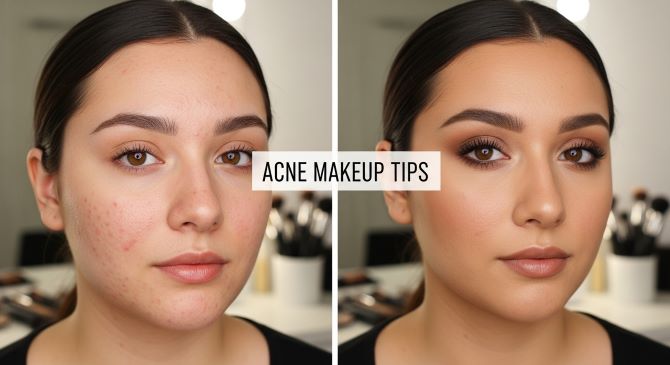
Finding makeup that covers blemishes without clogging pores or triggering new breakouts can feel like a frustrating trial-and-error cycle. Acne-prone skin requires specialized cosmetic formulations that avoid heavy oils, synthetic waxes, and pore-clogging ingredients. The best makeup options for acne balance breathability, skin-soothing active ingredients, and reliable coverage while maintaining a non-comedogenic standard.
Navigating the cosmetic aisle or online storefronts when dealing with acne requires understanding skin-friendly formulations versus traditional heavy coverings. Acne-prone skin often experiences inflammation, excess sebum production, and sensitivity from harsh acne treatments. Applying conventional foundations or concealers over compromised skin can trap bacteria, exacerbate redness, and prolong healing times. Therefore, dermatologists and makeup artists frequently recommend specific product categories designed to respect the skin barrier while delivering a smooth, even complexion.
This guide examines the five best makeup options for acne-prone skin, detailing their formulations, benefits, limitations, and how to select the right product for your unique skin profile. (Note: This guide is for informational purposes and does not replace professional dermatological advice.)
Understanding Acne-Prone Skin and Makeup Interaction
Before evaluating specific product types, it is essential to understand why certain cosmetics cause breakouts while others support skin health. The primary culprit in pore-clogging cosmetics is comedogenicity—the likelihood of an ingredient to block pores (comedones). Heavy mineral oils, isopropyl myristate, certain silicones, and synthetic fragrances frequently trigger micro-comedones, which eventually develop into papules, pustules, or cysts.
Furthermore, acne treatments such as benzoyl peroxide, salicylic acid, and prescription retinoids often leave the skin dry, flaky, or highly sensitive. Applying a thick, matte foundation over dry, peeling acne lesions emphasizes texture rather than hiding it. Modern acne-safe makeup options incorporate skincare ingredients like hyaluronic acid, niacinamide, and zinc oxide to hydrate, calm inflammation, and protect against UV-induced hyperpigmentation without clogging pores.
1. Non-Comedogenic Liquid Foundations
Non-comedogenic liquid foundations are formulated specifically to provide medium-to-full coverage without blocking hair follicles or sebaceous glands. These formulas undergo rigorous testing to ensure they do not provoke breakouts.
Formulation and Benefits
Liquid foundations designed for acne-prone skin typically feature oil-free, water-based, or lightweight silicone-based formulas. Many modern iterations incorporate treatment ingredients. For instance, liquid foundations containing salicylic acid help treat active blemishes while providing coverage, while those with niacinamide help regulate sebum production and reduce post-inflammatory hyperpigmentation.
Unlike heavy cream foundations that settle into pores, high-quality liquid options dry down to a natural or satin finish. They offer buildable coverage, allowing users to apply a sheer layer across the entire face and a denser layer strictly over active breakouts or dark spots.
Limitations and Drawbacks
Even non-comedogenic liquid foundations can cause issues if they contain high concentrations of certain silicones (like dimethicone) that some sensitive individuals react to negatively. Additionally, liquid formulas require thorough removal at the end of the day; failing to double-cleanse can leave residue behind, clogging pores overnight.
2. Mineral Powders (Loose or Pressed)
Mineral makeup has long been a staple in acne-safe routines. Composed of finely milled, natural minerals like titanium dioxide, zinc oxide, and mica, mineral powders offer breathable coverage that sits on top of the skin rather than sinking into pores.
Formulation and Benefits
The absence of synthetic oils, fragrances, chemical dyes, and parabens makes mineral powder exceptionally well-tolerated by acne-prone and reactive skin. Zinc oxide, a primary mineral makeup ingredient, possesses natural anti-inflammatory and mild antibacterial properties, making it beneficial for soothing angry, red blemishes.
Loose mineral powders act as natural oil absorbers throughout the day, making them an excellent choice for individuals with oily, acne-prone skin who struggle with midday shine. They provide a lightweight, second-skin feel that does not weigh down the face or interfere with topical acne medications.
Limitations and Drawbacks
Mineral powders can cling to dry patches caused by acne spot treatments, making flakiness more noticeable. They also typically offer sheer-to-medium coverage, meaning deep cystic breakouts or dark red marks may require a dedicated liquid concealer underneath. Furthermore, pressed mineral powders often require binders that may include ingredients less friendly to ultra-sensitive skin.
3. Tinted Moisturizers and BB Creams
For individuals who prefer a lightweight, natural look without the heavy mask-like effect of traditional foundation, oil-free tinted moisturizers and BB (blemish balm) creams serve as an ideal middle ground.
Formulation and Benefits
Acne-safe tinted moisturizers combine sheer pigment with hydration and skin-protecting antioxidants. When formulated as oil-free and non-comedogenic, they deliver a healthy, dewy glow without exacerbating oiliness. Many BB creams designed for blemish-prone skin include mineral sunscreens (zinc oxide or titanium dioxide) to protect healing acne scars from darkening under UV exposure.
These formulations are easy to apply with clean fingers or a damp makeup sponge, minimizing the friction and irritation that stiff brushes can cause on inflamed skin.
Limitations and Drawbacks
Tinted moisturizers offer minimal coverage. They will not conceal deep blemishes, active cysts, or severe hyperpigmentation without the assistance of a separate concealer. Additionally, hydrating ingredients in some BB creams may feel too rich for extremely oily skin types, potentially leading to breakthrough shine by midday.
4. Medicated Concealers
When dealing with stubborn active breakouts, standard concealers can sometimes trap bacteria inside the lesion or cause further irritation. Medicated concealers bridge the gap between treatment and cosmetic camouflage.
Formulation and Benefits
Medicated concealers feature active acne-fighting ingredients—most commonly salicylic acid—infused directly into the pigment. As you dab the product over a blemish, the active ingredient penetrates the pore to help dissolve the blockage and reduce inflammation while the tint masks the redness.
These products are formulated to be extra-adherent, ensuring that the coverage stays put over raised bumps throughout the day without sliding off or caking.
Limitations and Drawbacks
Because medicated concealers contain active chemical exfoliants, overuse on a single spot can lead to excessive dryness, peeling, and irritation. They also have a limited shade range in some brands, making exact color-matching challenging for diverse skin tones.
5. Water-Based Setting Sprays and Primers
While not coverage products themselves, oil-free, water-based primers and setting sprays are vital components of an acne-safe makeup routine. They create a protective barrier between the skin and the pigment while extending the wear time of cosmetics.
Formulation and Benefits
Acne-safe primers smooth out uneven skin texture and control excess sebum production, preventing foundation from sliding into pores and causing blockages. Water-based setting sprays lock makeup in place without adding heavy waxes or oils that trap heat and sweat against the skin. Many of these sprays include soothing botanicals like green tea extract, aloe vera, or centella asiatica to calm redness throughout the day.
Limitations and Drawbacks
Primers containing heavy silicones can trap oil if not washed off thoroughly. Users must carefully read ingredient labels to ensure their primer and foundation bases are compatible (e.g., pairing water-based primers with water-based foundations) to prevent pilling and separation.
Comparison of Acne-Safe Makeup Options
| Makeup Option | Primary Coverage | Best Skin Type | Key Skin Benefit | Potential Drawback |
|---|---|---|---|---|
| Non-Comedogenic Liquid Foundation | Medium to Full | Combination, Oily, Normal | Buildable coverage; can include skincare actives | Requires thorough double-cleansing |
| Mineral Powder | Sheer to Medium | Oily, Sensitive, Reactive | Absorbs excess oil; anti-inflammatory zinc | Can cling to dry flakes and acne treatments |
| Tinted Moisturizer / BB Cream | Sheer | Normal, Dry-to-Combination | Lightweight hydration; often includes SPF | Minimal coverage for severe blemishes |
| Medicated Concealer | High (Spot) | All acne-prone types | Treats while concealing active breakouts | Can cause localized dryness if overused |
| Water-Based Primer / Spray | None (Prep/Set) | Oily, Acne-Prone | Extends wear; prevents pore-clogging friction | Must match formula base (water vs. silicone) |
Essential Application and Hygiene Rules for Acne-Prone Skin
Choosing the right makeup option is only half the battle; how you apply and maintain your cosmetics significantly impacts your skin's health.
- Sanitize Applicators Regularly: Makeup brushes and sponges harbor bacteria, oil, and dead skin cells. Wash brushes at least once a week with a gentle antibacterial soap or specialized brush cleanser. Sponges should be washed after every use or replaced frequently.
- Practice Double-Cleansing: At the end of the day, break down makeup with a gentle cleansing oil or micellar water, followed by a targeted water-based cleanser. This ensures no pigment, sunscreen, or sebum remains trapped in pores.
- Check Expiration Dates: Liquid foundations and cream products expire typically within 6 to 12 months. Expired makeup can harbor microbial growth that triggers sudden breakouts or skin infections.
- Avoid Touching Your Face: Resist the urge to apply makeup with unwashed fingers. Clean hands prevent the transfer of dirt and bacteria directly onto vulnerable, acne-prone areas.
Frequently Asked Questions
Can I wear makeup if I have cystic acne?
Yes, but you must exercise caution. Choose non-comedogenic, breathable mineral formulas or lightweight liquid foundations. Avoid heavy, occlusive creams that trap heat and bacteria. Always spot-test new products on a small area of your jawline before applying them over active cysts, and ensure you remove all makeup gently every evening.
Does non-comedogenic mean my skin will not break out at all?
Not necessarily. "Non-comedogenic" indicates that a product is formulated not to clog pores, but individual skin sensitivities vary. An ingredient that does not clog pores for most people might still trigger a reaction or sensitivity in your specific skin barrier. Always check ingredient lists and monitor how your skin reacts over a two-week trial period.
Is liquid or powder makeup better for acne?
Neither is universally "better"; it depends on your skin's current state and preference. If your skin is dry and flaky from acne treatments, liquid or cream mineral options prevent clinging. If your skin is excessively oily and prone to midday shine, loose or pressed mineral powders absorb sebum and provide lightweight, breathable coverage.
Should I use sunscreen under my acne makeup?
Sun protection is critical, especially for acne-prone skin, as UV exposure darkens post-inflammatory hyperpigmentation (acne scars). Look for lightweight, oil-free, non-comedogenic physical sunscreens containing zinc oxide or titanium dioxide, or choose an acne-safe BB cream that incorporates broad-spectrum SPF 30 or higher.
How can I cover redness without making my acne look cakey?
Instead of applying a thick layer of heavy foundation across your entire face, use a targeted, green-color-correcting primer or a medicated concealer specifically on red spots. Blend the edges seamlessly into a lightweight tinted moisturizer or sheer liquid foundation for an even, natural finish that does not emphasize texture.
Final Recommendation
When selecting makeup for acne-prone skin, prioritize formulations labeled non-comedogenic, oil-free, and fragrance-free. If your skin is actively inflamed, opt for breathable mineral powders or lightweight liquid foundations infused with soothing agents like niacinamide or zinc oxide. Always maintain strict hygiene with your brushes and sponges, and commit to a thorough double-cleansing routine every night to keep pores clear and healthy.