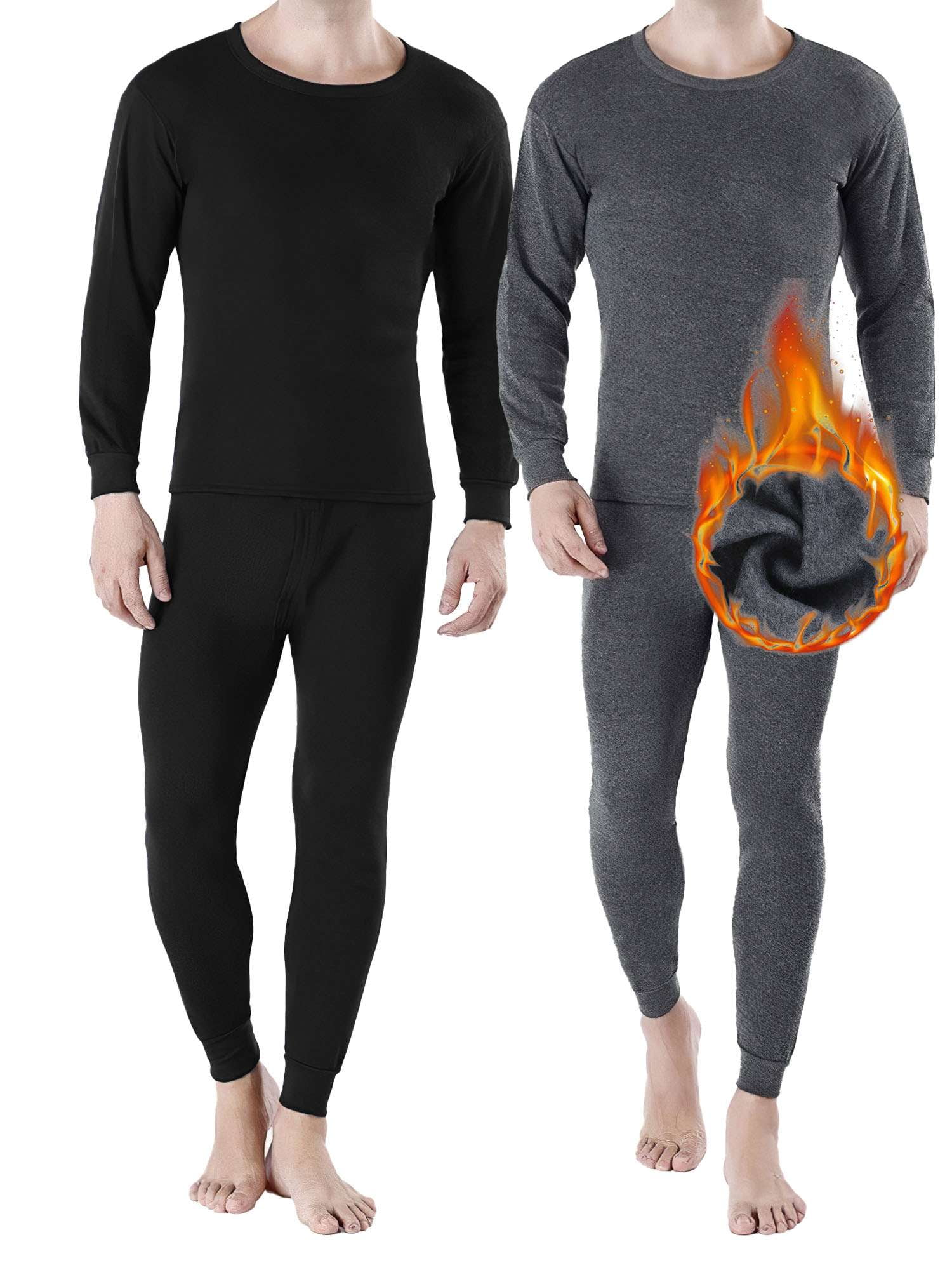
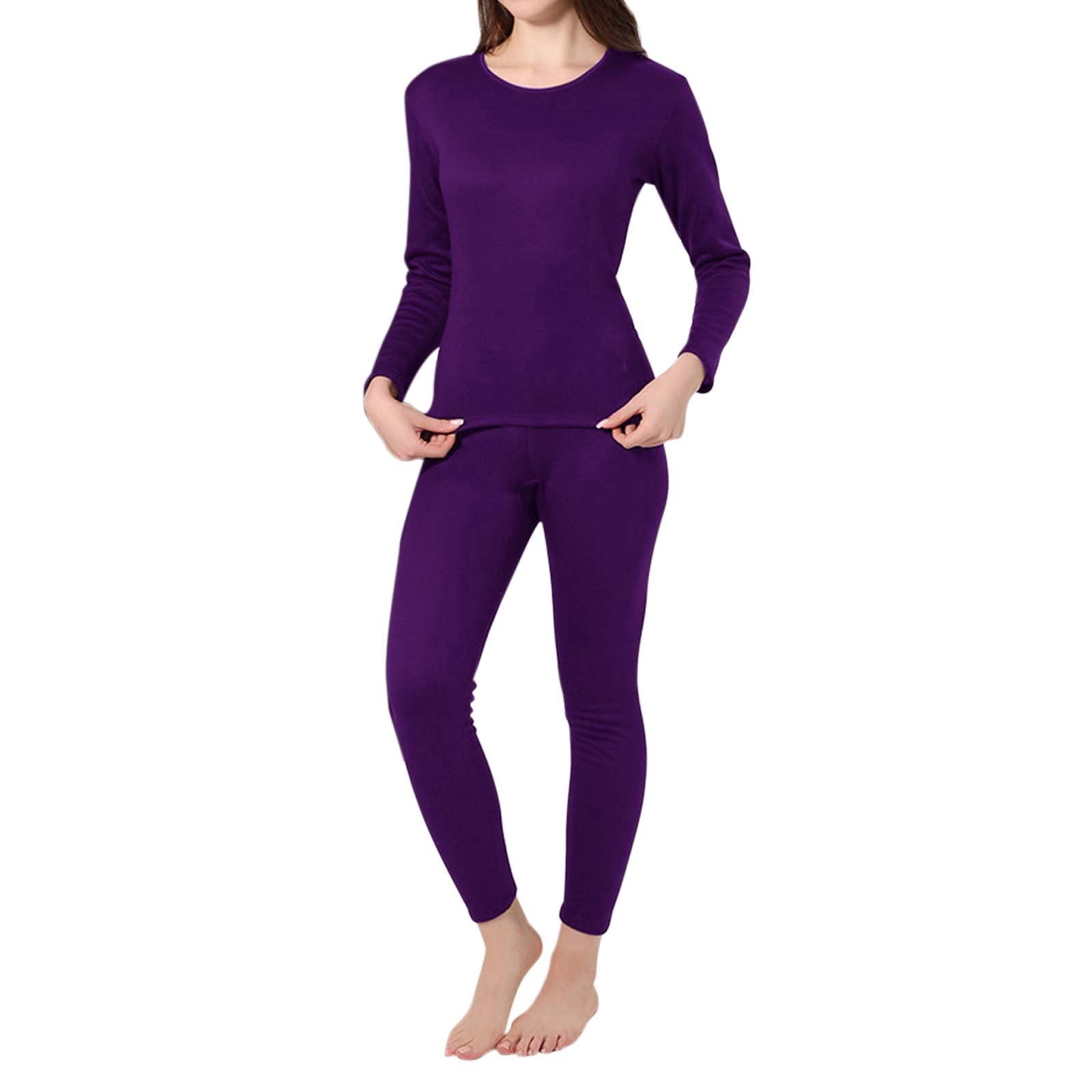
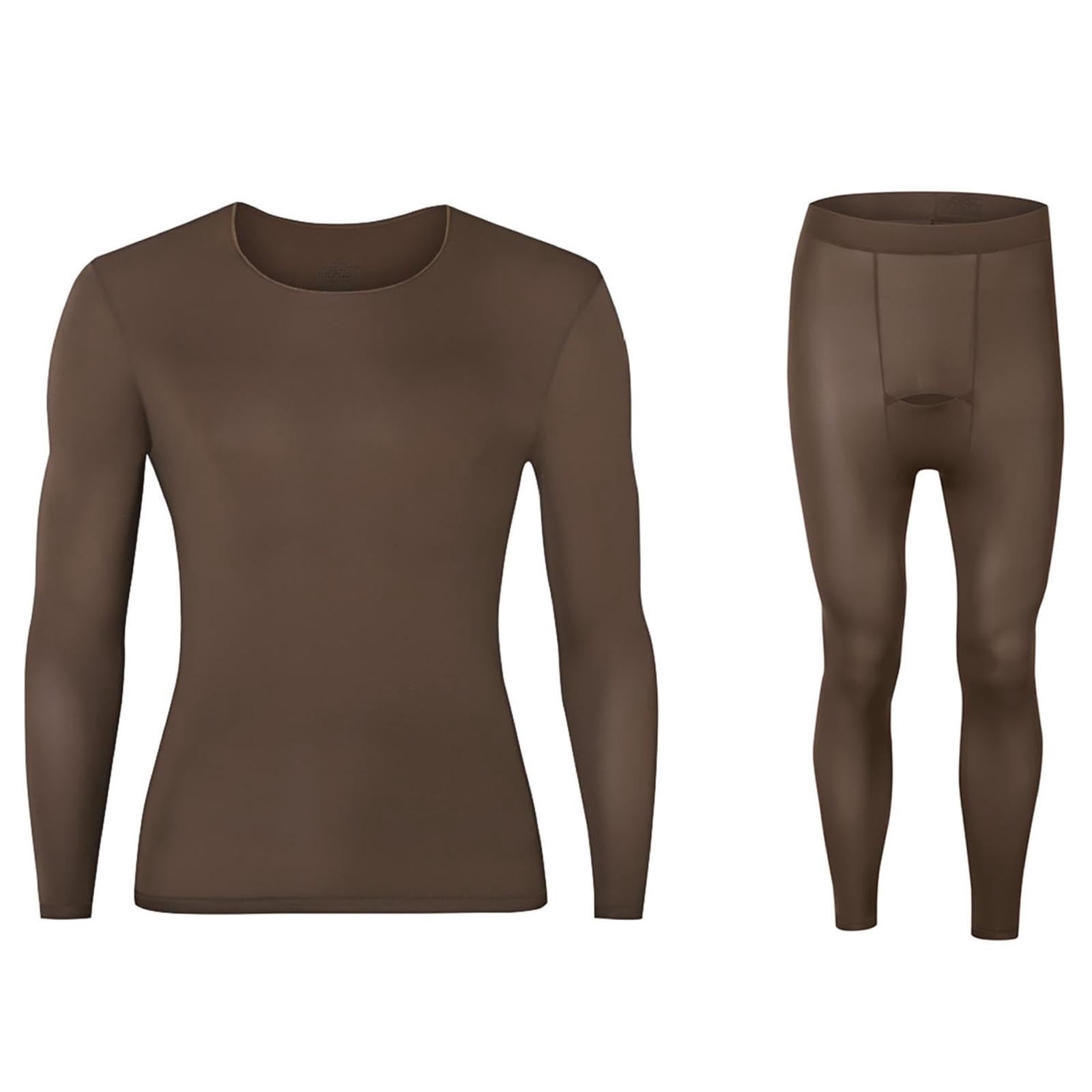
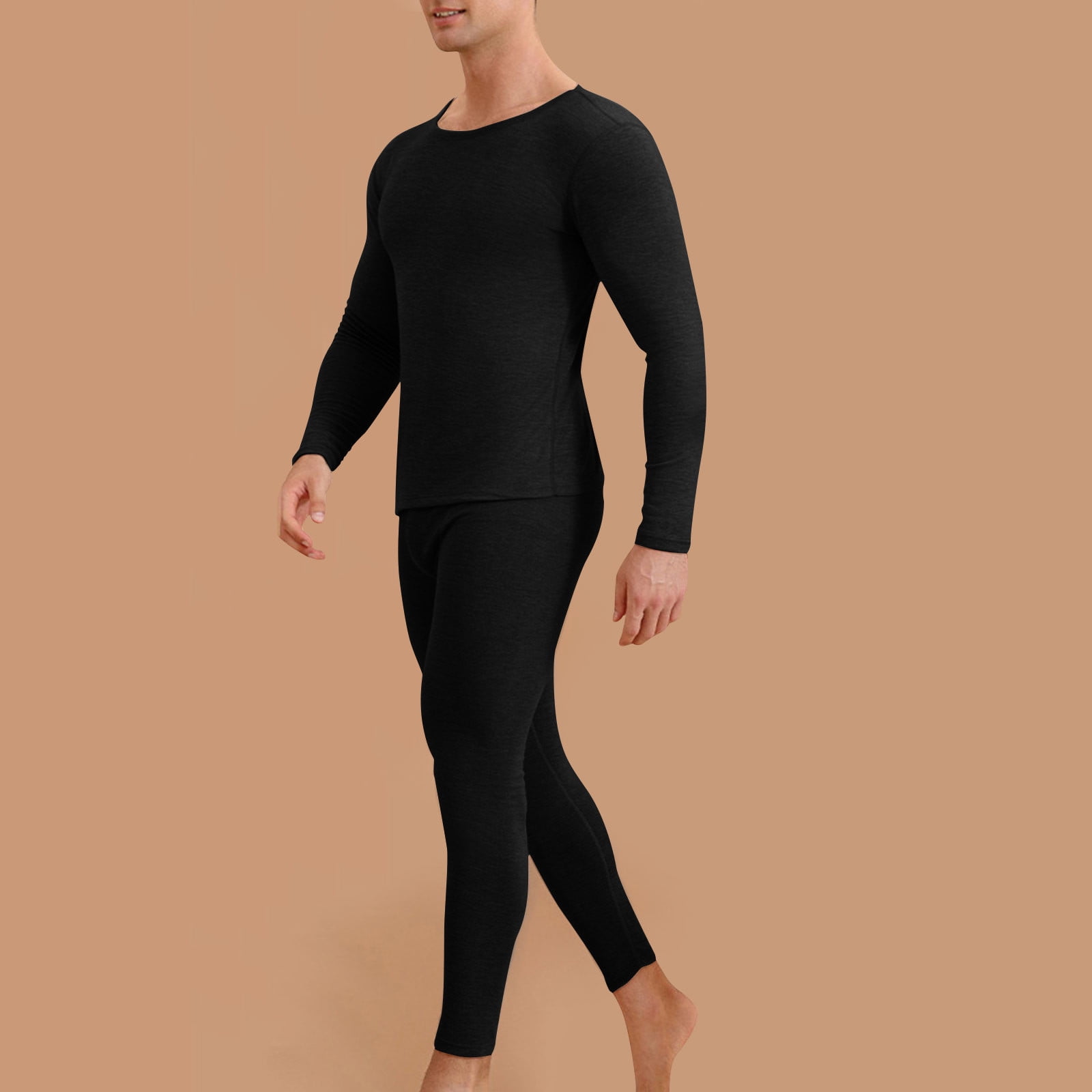
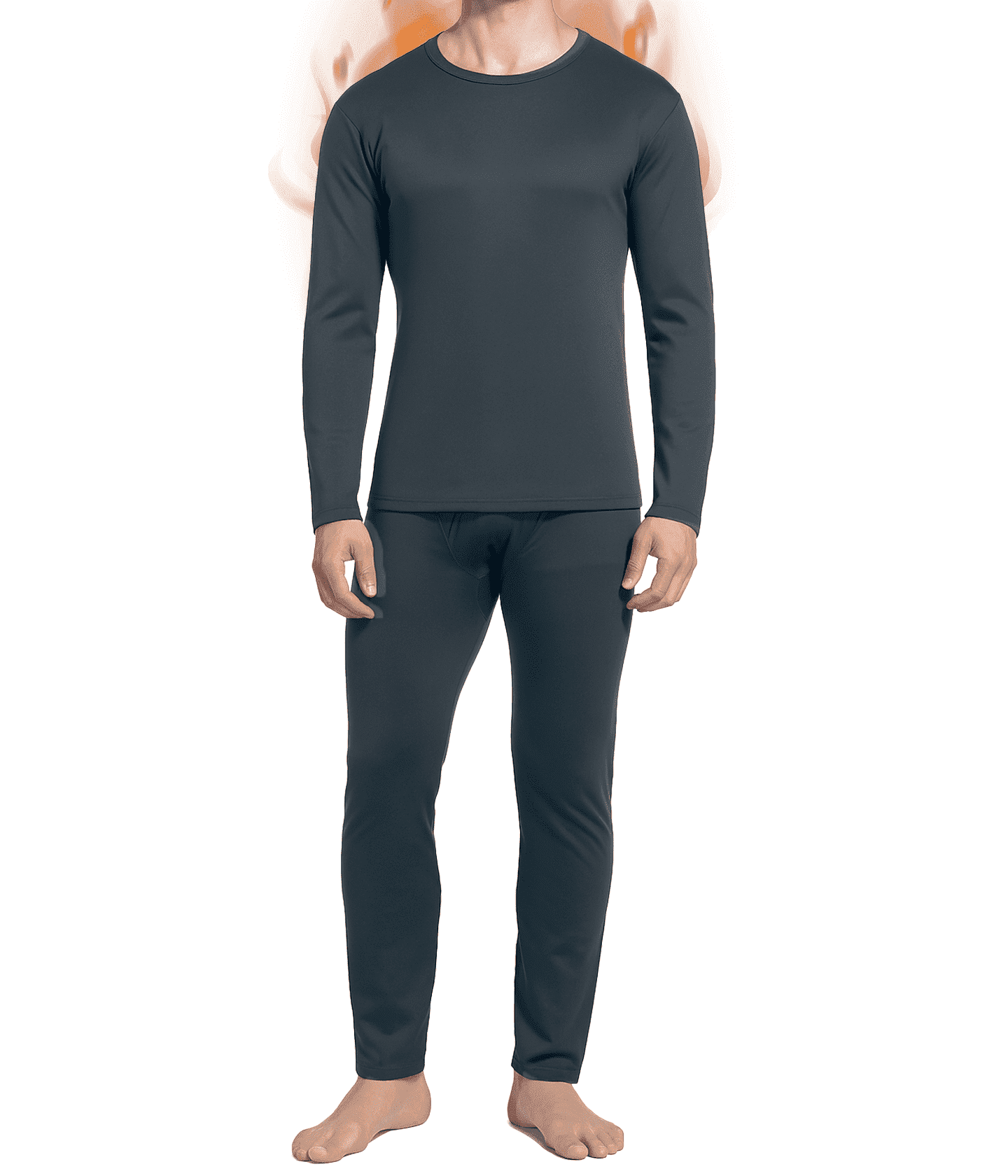
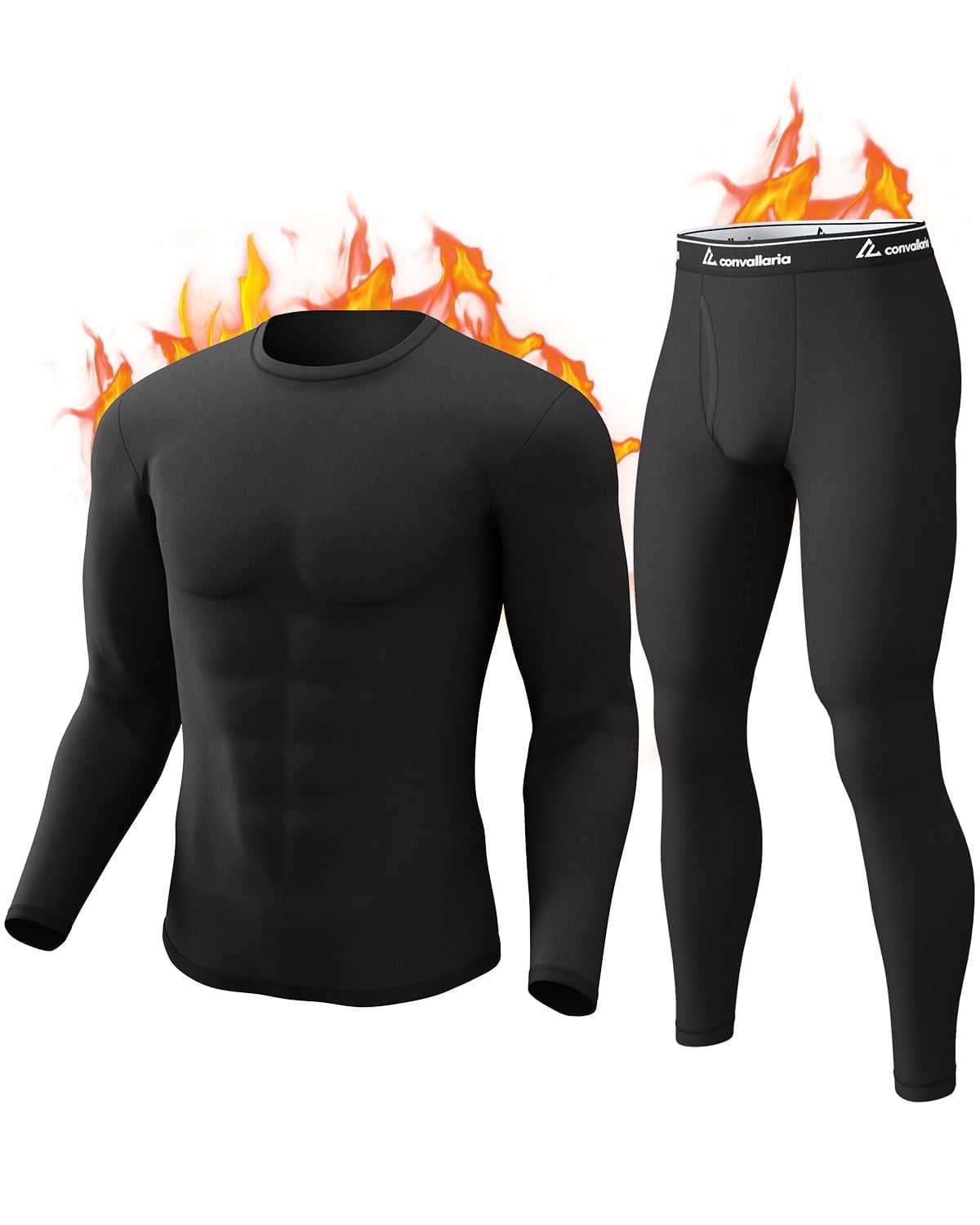
Choosing the right long underwear for cold weather requires balancing warmth, moisture management, fabric weight, and comfort to ensure you stay dry and insulated during winter activities.
When winter temperatures drop, staying warm outdoors—whether you are hitting the ski slopes, shoveling snow, or embarking on an alpine hike—starts from the skin out. Long underwear, commonly referred to as thermal baselayers, forms the critical first line of defense against the elements. A high-performance baselayer does not just trap body heat; its primary job is managing moisture. When you exert yourself in sub-freezing conditions, your body perspires. If your long underwear traps that sweat against your skin, it will quickly cool down and cause hypothermic conditions known as evaporative cooling. Modern technical thermals utilize advanced fabrics like merino wool and specialized synthetic blends to wick moisture away while retaining vital thermal pockets of air.
Navigating the crowded market of winter thermal wear can be overwhelming. Manufacturers offer various weights—from featherlight layers meant for high-output aerobic activities in mild cold to heavyweight expedition-grade garments designed for static stillness in arctic environments. Furthermore, understanding the nuances between natural fibers like merino wool and synthetics like polyester or polypropylene will dictate how the garment handles odors, drying time, and durability. This guide analyzes five of the absolute best long underwear options available for cold weather, breaking down their technical specifications, fabric compositions, ideal use cases, and performance pros and cons to help you make an informed investment for your winter wardrobe.
Understanding Technical Baselayers: Key Factors to Consider
Before examining specific product models, it is essential to understand the technical criteria that separate mediocre long underwear from elite winter gear. Selecting the right baselayer depends heavily on your physiological response to cold, your activity level, and the duration of your outdoor exposure.
Fabric Composition: Merino Wool vs. Synthetics
The debate between natural and synthetic fibers is central to thermal wear performance. Each material brings distinct physical properties to the garment:
- Merino Wool: Sourced from Merino sheep, this natural fiber is renowned for its exceptional warmth-to-weight ratio and natural resistance to odors. Unlike traditional sheep's wool, merino fibers are extremely fine and soft against the skin, eliminating itchiness. Crucially, merino wool retains its insulating properties even when wet, making it a gold standard for backcountry adventures.
- Synthetics (Polyester, Nylon, Polypropylene): Synthetic materials excel at moisture management. They push sweat away from the skin rapidly and dry much faster than wool. Synthetics are typically more durable, abrasion-resistant, and cost-effective. However, they tend to retain body odors more quickly than wool, requiring frequent washing.
- Blends: Many modern manufacturers blend merino wool with synthetic fibers (such as nylon or spandex) to capture the best of both worlds: the odor resistance and warmth of wool combined with the durability, stretch, and quick-drying nature of synthetics.
Fabric Weight and Thermal Ratings
Baselayers are generally categorized by weight, measured in grams per square meter ($g/m^2$ or GSM) for wool and wool blends, or described qualitatively for synthetics:
- Ultralight / Lightweight (100–150 GSM): Designed for high-output activities (running, cross-country skiing) in cool to mildly cold weather, focusing primarily on breathability and sweat evaporation.
- Midweight (150–250 GSM): The most versatile category. Suitable for a wide range of winter activities in freezing temperatures, balancing insulation with moisture transfer.
- Heavyweight / Expedition (250+ GSM): Engineered for severe cold, sub-zero temperatures, or low-activity situations like ice fishing, winter camping, or sitting in a deer blind.
The 5 Best Long Underwear Options for Cold Weather
1. Smartwool Classic Thermal Merino Bottoms (Formerly Midweight)
Best Overall Merino Wool Long Underwear
Smartwool has long been a dominant force in the merino wool baselayer market, and the Classic Thermal Merino Bottoms (built from their interlock knit merino fabric) represent the pinnacle of cold-weather comfort and warmth.
Technical Specifications and Construction
- Material: 100% Responsibly Sourced Merino Wool
- Weight: Midweight (approx. 250 GSM)
- Fit: Slim / Form-fitting
- Key Features: Covered elastic waistband, flatlock seam construction to minimize chafing, and a functional fly on select men's versions.
Performance and Comfort
The 250 GSM fabric provides substantial warmth without feeling bulky. Because it uses 100% merino wool, these bottoms possess natural odor-resistance properties, allowing you to wear them on multi-day winter camping trips without accumulating offensive smells. The moisture management is top-tier; the wool fibers absorb moisture vapor internally while keeping the surface feeling dry against the skin.
Pros and Cons
- Pros: Exceptional warmth-to-weight ratio; naturally antimicrobial and odor-resistant; incredibly soft against the skin; maintains warmth when damp.
- Cons: Higher price point compared to synthetics; requires careful laundering (machine wash cold, gentle cycle, air dry or low tumble) to prevent shrinking.
2. Patagonia Capilene Midweight Bottoms
Best Synthetic Baselayer for High-Output Activities
For those who prioritize rapid drying times, durability, and smooth layering, the Patagonia Capilene Midweight Bottoms are an industry benchmark. Patagonia constructs these from 100% recycled polyester featuring a unique diamond-grid pattern on the interior.
Technical Specifications and Construction
- Material: 100% Recycled Polyester (with miDori bioSoft for added wicking and softness, and HeiQ Mint odor control)
- Weight: Midweight synthetic
- Fit: Form-fitting
- Key Features: Diamond-grid backer enhances breathability and traps warm air; elastic waistband with anti-roll comfort; gusseted crotch for unrestricted mobility.
Performance and Comfort
The internal diamond grid is the engineering marvel of the Capilene Midweight series. It creates microscopic channels that allow air to circulate while maximizing surface area for sweat evaporation. If you are cross-country skiing, mountaineering, or winter running, these thermals pull moisture away from your skin with ferocious efficiency. Furthermore, the inclusion of HeiQ Mint odor control helps mitigate the traditional synthetic drawback of odor retention.
Pros and Cons
- Pros: Dries exceptionally fast; highly durable and abrasion-resistant; made with 100% recycled materials; excellent stretch and freedom of movement.
- Cons: Synthetic material can still hold stubborn odors over years of heavy use compared to pure wool; less insulating than wool when completely soaked.
3. Icebreaker Oasis 200 Leggings
Best Slim-Fit Everyday Thermal Layer
Icebreaker specializes in pure merino wool apparel, and the Oasis 200 Leggings are designed for individuals who want a streamlined, low-profile baselayer that transitions seamlessly from outdoor adventures to everyday urban commuting in freezing climates.
Technical Specifications and Construction
- Material: 100% Merino Wool
- Weight: 200 GSM (Midweight)
- Fit: Slim fit (designed to hug the body closely without restriction)
- Key Features: Offset side seams to prevent chafing under layers; gusseted crotch for mobility; flatlock seams throughout.
Performance and Comfort
At 200 GSM, the Oasis Leggings sit slightly lighter than the Smartwool 250 series, making them extraordinarily versatile. They slide effortlessly beneath slim-fitting jeans, work trousers, or ski shells without bunching up at the knees or ankles. The natural stretch of the merino interlock knit moves organically with your leg muscles, while the breathable wool fibers prevent overheating when you step from freezing outdoor air into a heated building.
Pros and Cons
- Pros: Elegant, low-profile fit under everyday clothing; premium soft merino hand-feel; excellent temperature regulation across changing climates.
- Cons: Thinner fabric is slightly less durable against abrasive surfaces if worn as an outer layer; premium pricing.
4. Helry Hansen Lifa Merino Lightweight/Midweight Pants
Best Dual-Layer Thermal Technology for Extreme Cold
Helly Hansen approaches baselayer engineering differently by combining two distinct fibers into a single, high-performance fabric. Lifa Merino pairs a 100% Lifa® fiber interior with a fine merino wool exterior.
Technical Specifications and Construction
- Material: 57% Merino Wool, 43% Polypropylene (Lifa®)
- Weight: Midweight (approx. 225 GSM)
- Fit: Athletic / Form-fitting
- Key Features: 2-layer construction; Lifa fibers push moisture away instantly; merino wool exterior provides heavy-duty warmth.
Performance and Comfort
The Lifa polypropylene yarn is hydrophobic, meaning it absorbs virtually zero water. When you sweat, the Lifa interior instantly moves moisture through to the merino wool exterior, where it evaporates into the air or disperses across the outer layer. This dual-action system ensures your skin remains completely dry even during intense exertion in sub-zero alpine conditions. It is a favorite among professional ski patrollers, mountaineers, and industrial workers in arctic climates.
Pros and Cons
- Pros: Unmatched moisture-transportation system; very warm for its weight; retains structural integrity and warmth in extreme conditions.
- Cons: Slightly stiffer feel initially compared to 100% merino wool; synthetic interior can develop odor faster than pure wool garments.
5. Under Armour ColdGear Armour Leggings
Best Budget-Friendly Compression Thermal
For those who prefer a tight, muscular compression fit combined with reliable synthetic warmth, the Under Armour ColdGear Armour Leggings offer a dependable, widely accessible option for cold-weather training and everyday wear.
Technical Specifications and Construction
- Material: Polyester and Elastane blend
- Weight: Lightweight to midweight synthetic
- Fit: Compression (ultra-tight, second-skin fit)
- Key Features: Dual-layer fabric with a brushed, ultra-warm interior and a smooth, fast-drying exterior; 4-way stretch material; ergonomic flatlock seams.
Performance and Comfort
Under Armour's ColdGear technology utilizes a brushed interior fleece texture that captures microscopic pockets of body heat while the outer synthetic shell blocks wind and sheds moisture. The high elastane content delivers robust compression, which many athletes appreciate for muscle support and reduced fatigue during winter sports. They are widely available, highly durable, and represent an approachable entry point into technical winter wear.
Pros and Cons
- Pros: Affordable price point; excellent compression and muscle support; widely available; durable against heavy wear and frequent machine washing.
- Cons: Lacks the natural odor resistance of wool; compression fit may feel too restrictive for casual lounging; less effective thermal regulation in extreme static cold.
Comprehensive Comparison of Top Long Underwear
To assist in your final selection, the following table compares key technical specifications, materials, and ideal use cases across all five reviewed products:
| Product Name | Primary Material | Fabric Weight / GSM | Best Use Case | Odor Resistance | Drying Speed |
|---|---|---|---|---|---|
| Smartwool Classic Thermal Merino | 100% Merino Wool | 250 GSM (Midweight) | Cold-weather hiking, skiing, multi-day trips | Excellent | Moderate |
| Patagonia Capilene Midweight | 100% Recycled Polyester | Synthetic Midweight | High-output aerobic sports, running | Moderate (treated) | Fast |
| Icebreaker Oasis 200 | 100% Merino Wool | 200 GSM (Midweight) | Everyday urban commuting, light outdoor recreation | Excellent | Moderate |
| Helly Hansen Lifa Merino | Merino Wool & Polypropylene | 225 GSM (Midweight) | Extreme alpine environments, heavy exertion | High | Fast |
| Under Armour ColdGear Armour | Polyester & Elastane | Synthetic Lightweight | Winter gym workouts, team sports, budget layering | Low | Fast |
Common Mistakes to Avoid When Buying and Wearing Long Underwear
Even the highest quality thermal baselayer will fail to keep you warm if worn or cared for improperly. Avoiding these common pitfalls will maximize the lifespan and performance of your gear:
- Choosing Cotton Materials: Never wear cotton long underwear in cold weather. Cotton absorbs moisture (sweat) and holds it directly against your skin, destroying your thermal insulation and drastically increasing the risk of hypothermia. Adhere strictly to wool or synthetics.
- Sizing Too Large: A baselayer must fit snugly against your skin to function correctly. If your long underwear is loose or baggy, air will circulate freely between the fabric and your skin, preventing your body from warming those micro-layers of trapped air.
- Ignoring Care Instructions: High-end merino wool garments require specific laundering. Using standard laundry detergents with enzymes, fabric softeners, or washing on high heat can strip natural lanolin from wool, cause severe shrinkage, or degrade synthetic moisture-wicking treatments. Always consult and follow the garment care tag.
- Over-Layering for Activity Level: Putting on an expedition-weight heavyweight thermal for a vigorous cross-country ski session will cause you to overheat and sweat profusely. Match your baselayer weight to your anticipated exertion level, not just the outdoor thermometer.
Frequently Asked Questions
Should long underwear fit tight or loose?
Long underwear should fit snugly, acting as a "second skin." A close fit is essential because it allows the fabric to efficiently wick sweat directly from the skin's surface and trap a thin layer of body-warmed air. Loose thermal wear creates dead air space that permits cold drafts to circulate.
Can I wear merino wool thermals in the washing machine?
Yes, most modern merino wool baselayers are machine washable, but you must take precautions. Wash them on a gentle, cold-water cycle using a mild, wool-safe liquid detergent. Avoid bleach and fabric softeners entirely, and always line dry or tumble dry on low heat to prevent fiber damage and shrinkage.
Do synthetic baselayers smell bad quickly?
Synthetic fibers like polyester and nylon are notorious for harboring odor-causing bacteria because oil from your sweat clings to plastic fibers. However, many modern synthetics—such as Patagonia's Capilene—incorporate antimicrobial treatments (like HeiQ Mint or silver ions) to suppress bacterial growth and reduce odor buildup between washes.
What is GSM and why does it matter for thermals?
GSM stands for Grams per Square Meter, which measures the density and weight of a fabric. A higher GSM number indicates a thicker, heavier fabric designed for colder temperatures (e.g., 250+ GSM), while a lower GSM number indicates a lighter, more breathable fabric meant for milder conditions or intense physical output (e.g., 100–150 GSM).
Can I wear long underwear on its own without pants over them?
While some heavyweight synthetic leggings or thick merino tights are styled to double as yoga pants or running tights, traditional long underwear is designed strictly as a foundational baselayer. Most technical thermals feature thin, high-stretch fabrics that may be translucent when stretched and lack external utility pockets or heavy-duty abrasion resistance.
Final Recommendation
Your ideal choice of long underwear ultimately hinges on your personal winter activities. If you prioritize maximum warmth, natural odor control, and comfort during multi-day excursions or alpine skiing, invest in the Smartwool Classic Thermal Merino Bottoms. If your winter routine involves high-output aerobic exertion where rapid drying time and moisture management are paramount, choose the Patagonia Capilene Midweight Bottoms. For everyday urban wear under office attire or jeans, the Icebreaker Oasis 200 Leggings offer unmatched slim-profile versatility.