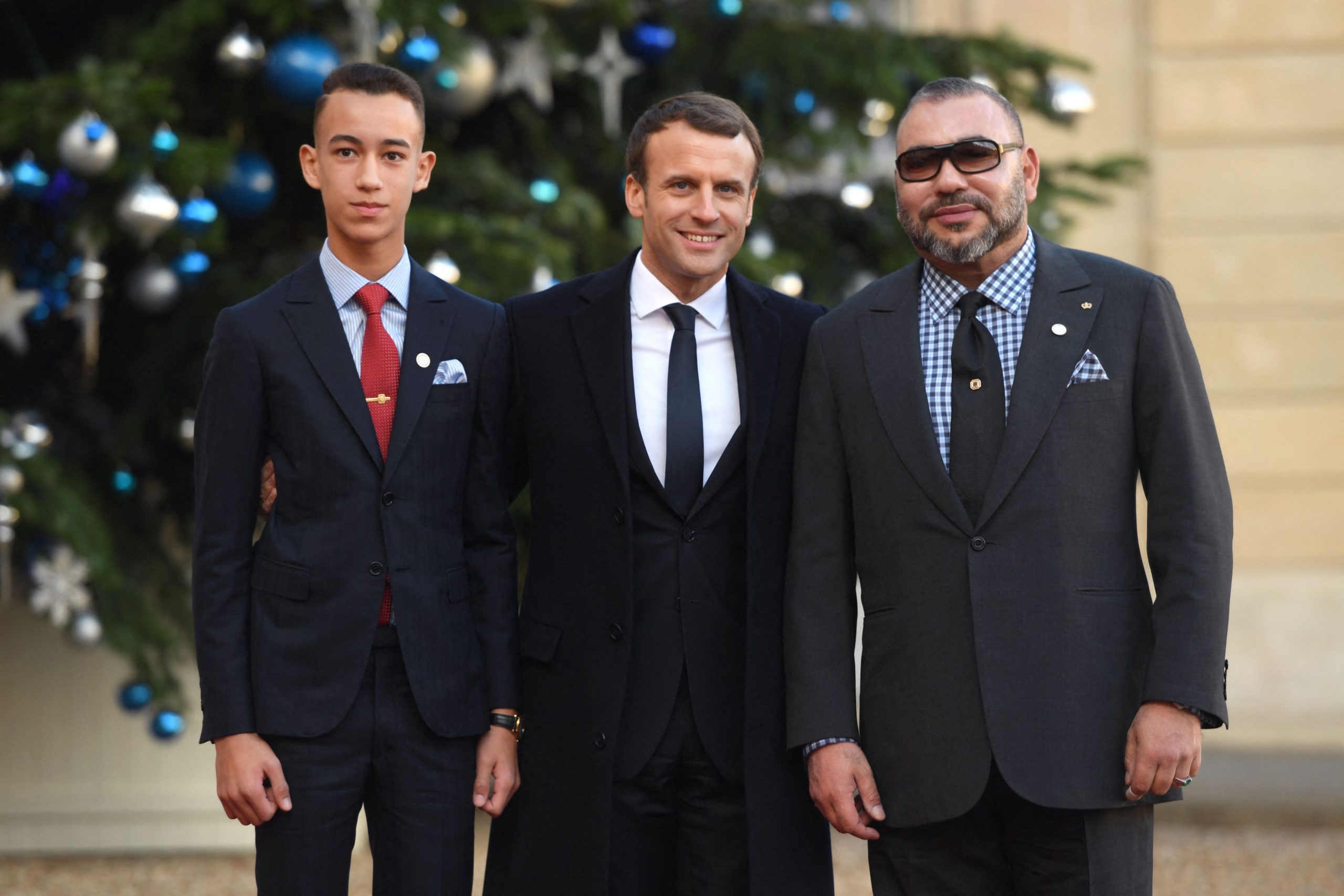
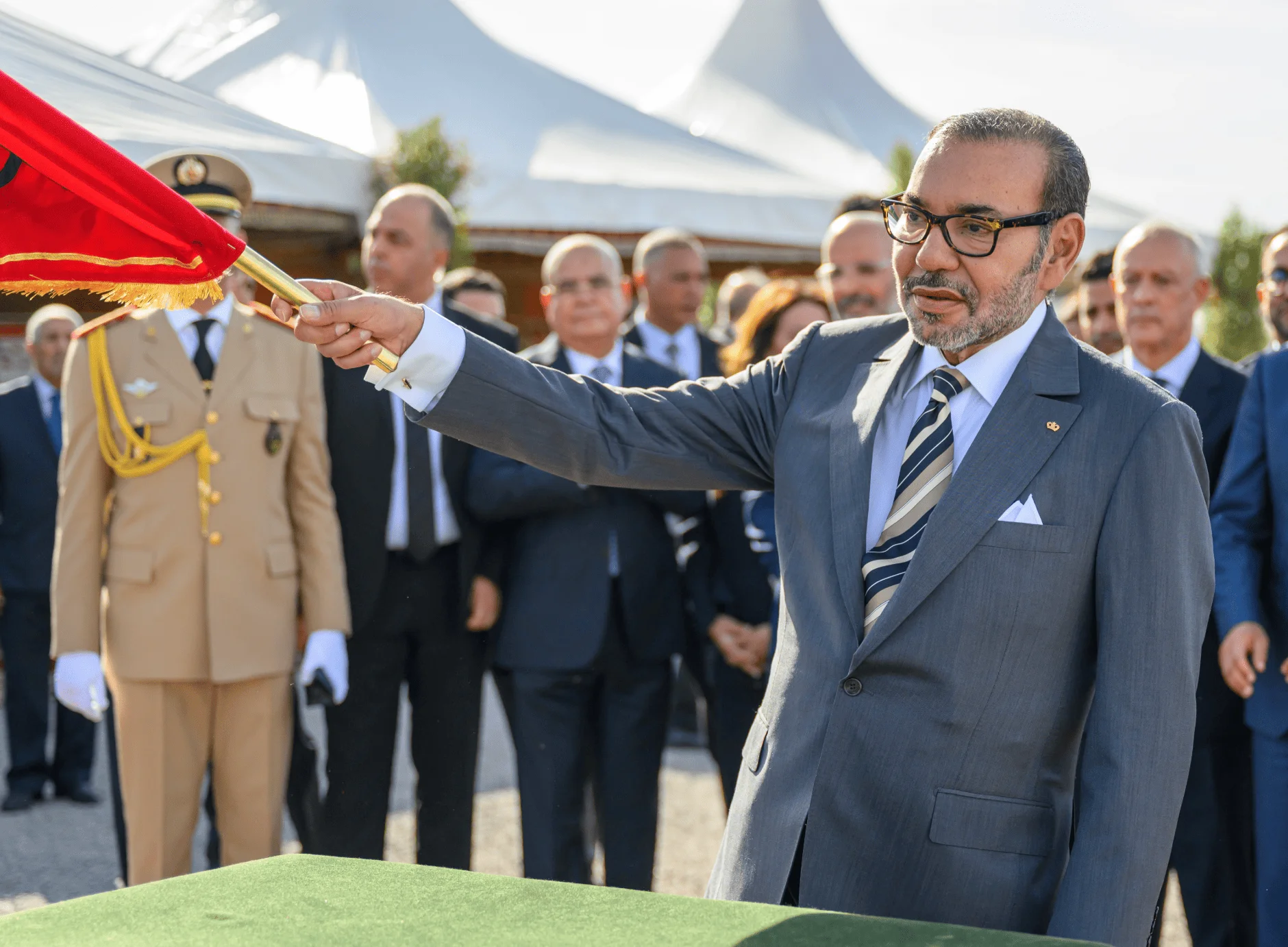
King Mohammed VI of Morocco has an estimated net worth of approximately $5.7 billion, largely derived from his controlling stake in Al Mada, a massive private equity holding company with extensive investments in banking, mining, renewable energy, telecommunications, and retail, alongside commercial agriculture and real estate.
Context and Valuation of King Mohammed VI's Wealth
The $5.7 billion benchmark valuation of King Mohammed VI’s fortune gained widespread global recognition following detailed wealth analyses published by Forbes. This valuation placed the Moroccan monarch among the wealthiest royals in the world and established him as the richest king on the African continent.
Evaluating the fortune of a reigning monarch requires a clear distinction between state assets, sovereign heritage properties, and private equity. Unlike standard corporate figures whose net worth relies primarily on publicly traded shares, sovereign net worth estimates combine personal shareholdings, royal family trusts, private estate valuations, and income generated from diversified commercial enterprises. In Morocco, the royal wealth portfolio is managed through private holding structures that operate parallel to, but distinct from, the national treasury of the Kingdom of Morocco.
The financial profile of the Moroccan monarchy evolved significantly under King Mohammed VI, who ascended the throne in July 1999 following the passing of his father, King Hassan II. Over his reign, the management of the royal family’s wealth transitioned from traditional land holdings and domestic commercial stakes into a modernized, Pan-African private equity model.
The Primary Wealth Engine: Siger and Al Mada Holdings
The cornerstone of King Mohammed VI’s multi-billion-dollar fortune is his primary private holding entity, Siger (an anagram of the Latin Regis, meaning "of the king"). Siger holds the controlling interest in Al Mada, one of the largest private equity firms in Africa.
Al Mada was formed through a major corporate restructuring. Historically, the royal family held majority control over two massive conglomerates: the Société Nationale d'Investissement (SNI) and Omnium Nord-Africain (ONA). In 2010, SNI and ONA merged to consolidate their operational efficiency, before officially rebranding as Al Mada in 2018. This corporate evolution shifted the firm’s focus from domestic market leadership to broader investment across the African continent.
- Siger Holding (Royal Family Entity)
- Al Mada Holding (Private Equity Firm)
- Attijariwafa (Banking)
- Nareva (Energy)
- Managem (Mining)
- Inwi (Telecoms)
- Marjane (Retail)
- Al Mada Holding (Private Equity Firm)
Al Mada maintains influential or controlling stakes in key sectors of the Moroccan and regional economies:
1. Financial Services and Banking
Al Mada is the primary shareholder in Attijariwafa Bank, the largest financial institution in Morocco and one of the largest banking groups in Africa. Attijariwafa Bank operates across more than 25 countries, primarily in North, West, and Central Africa, as well as Europe. Its multi-billion-dollar balance sheet and substantial dividend payouts form a core stream of liquidity for the royal holding structure.
2. Mining and Strategic Raw Materials
Through Managem Group, a publicly traded mining company on the Casablanca Stock Exchange, Al Mada controls significant extraction operations. Managem operates mines in Morocco and across sub-Saharan Africa, producing cobalt, gold, copper, silver, zinc, and lead. Its position as a supplier of high-purity cobalt—critical for global battery production and electric vehicle supply chains—has elevated its strategic capital value.
3. Renewable and Thermal Energy
Nareva Holding, energy subsidiary of Al Mada, is a major player in Morocco's power generation sector. Nareva develops and operates renewable energy projects, particularly wind energy installations and solar farms, alongside conventional thermal power generation. The company built major wind projects included under Morocco's Integrated Wind Energy Program and partnered on key infrastructure projects supporting the nation's energy transition.
4. Telecommunications
Al Mada holds a controlling interest in Wana Corporate, which operates under the commercial brand Inwi. As the third-largest telecommunications network operator in Morocco, Inwi provides mobile, broadband, and digital payment services, generating steady subscription revenue.
5. Retail and Consumer Goods
Marjane Holding is the retail arm of Al Mada, operating hypermarkets, supermarkets, and shopping centers across every major urban center in Morocco. Marjane maintains dominant market share in modern retail distribution. Historically, the holding group also owned controlling shares in Cosumar (sugar processing) and Lesieur-Afrique (edible oils), though it later divested portions of these consumer manufacturing assets to reallocate capital into pan-African services and infrastructure.
Commercial Agriculture: Les Domaines Agricoles
Beyond industrial private equity, a distinct source of royal income comes from commercial agribusiness, managed through Les Domaines Agricoles (originally established as Les Domaines Royaux).
Les Domaines Agricoles is one of Morocco’s premier agricultural production and export conglomerates. It manages thousands of hectares of prime irrigated arable land across regions such as the Souss Valley, the Gharb plain, and the Haouz region near Marrakesh.
- Les Domaines Agricoles
- Citrus & Fruits (Export Grade)
- Dairy & Livestock (Chergui Brand)
- Organic Produce (Domestic/Export)
- Nursery & Tech (R&D Units)
Key operational segments include:
- Citrus and Fruit Production: High-yield production of clementines, oranges, and stone fruits tailored for export markets in Western Europe, North America, and the Gulf states.
- Dairy Products and Processing: Operation of large-scale dairy farms under commercial labels such as Chergui, supplying pasteurized milk, cheeses, and cultured dairy products to the domestic consumer market.
- Specialty and Organic Farming: Production of high-value crops, including organic vegetables, dates, olive oil, and aquaculture products (such as farmed trout).
- Agri-Technology and Nurseries: Advanced tissue culture labs and seed distribution networks supplying domestic agricultural producers with propagation materials.
Real Estate Portfolio, Palaces, and Personal Assets
The physical estate assets of King Mohammed VI encompass both sovereign properties maintained for governance and personal real estate holdings acquired privately.
Royal Palaces Network
The Moroccan royal household maintains an extraordinary network of royal palaces (Dar al-Makhzen) located in major cities including Rabat, Marrakesh, Fez, Meknes, Casablanca, Agadir, Tangier, and Tetouan. While these historic properties function primarily as public state heritage institutions and official administrative seats, their maintenance and operational upkeep represent substantial physical capital assets.
State Civil List Budget
The operational costs of the Royal Household are governed by a specific budgetary allocation voted on annually by the Parliament of Morocco. Known as the Civil List, this state budget covers official travel, diplomatic functions, personnel salaries for thousands of royal staff members, and routine maintenance of official residences. This administrative budget operates separately from the personal wealth generated by Siger and Al Mada.
Private International Real Estate and Assets
In addition to heritage properties within Morocco, King Mohammed VI holds significant private real estate internationally. Notable holdings reported by global media include luxury residential properties in France, including a multi-million-euro mansion located near the Eiffel Tower in Paris and historic country estates.
His personal assets also include:
- Maritime Assets: High-value luxury yachts, such as the Badis I, one of the largest sail yachts built internationally.
- Private Aviation: Personal access to long-range executive aircraft managed through state and royal flight operations.
- Automobiles and Collectibles: Extensive private collections of vintage and high-performance automobiles, luxury horology, and fine art.
Breakdown of Key Assets and Economic Influence
The table below outlines the core components of the wealth structure attributed to King Mohammed VI and the royal family holding entities:
| Asset / Entity Name | Primary Sector | Ownership Structure | Strategic Role & Operational Footprint |
|---|---|---|---|
| Siger Holding | Private Holding Company | Personal/Royal Family | Ultimate owner of family shares in Al Mada and strategic investments. |
| Al Mada | Private Equity / Conglomerate | Majority owned via Siger | Pan-African investment fund operating in 20+ countries. |
| Attijariwafa Bank | Banking & Financial Services | Controlled via Al Mada | Largest bank in Morocco; major financial presence across North/West Africa. |
| Managem Group | Mining & Metals | Listed (Controlled by Al Mada) | Global producer of cobalt, zinc, copper, silver, and gold across Africa. |
| Nareva Holding | Renewable & Thermal Energy | Subsidiary of Al Mada | Major private power producer; developer of wind and solar installations. |
| Inwi (Wana Corporate) | Telecommunications | Joint venture via Al Mada | Third-largest mobile and fixed internet provider in Morocco. |
| Marjane Holding | Retail & Commercial Property | Subsidiary of Al Mada | Dominant hypermarket and supermarket retail network in Morocco. |
| Les Domaines Agricoles | Agribusiness & Exports | Royal Family Owned | Major exporter of citrus, dairy, dates, and organic produce to Europe. |
| International Real Estate | Luxury Property | Private Holdings | High-value residential estates in Paris, rural France, and international cities. |
Economic Strategy and Transformation Under Mohammed VI
The management of royal capital under King Mohammed VI reflects a broader structural evolution in Morocco's political economy. During the late 20th century, royal holdings were often scrutinized for their commanding presence in basic domestic commodity sectors, including sugar, flour, and edible oils.
In response to both global economic integration and internal economic reforms, the monarch initiated a strategic pivot around 2010. The goal was to shift royal capital away from protected consumer staples and direct it into capital-intensive, high-risk infrastructure and regional expansion.
- Legacy Model (Pre-2010)
- Focus on domestic consumer goods
- Commodity markets (sugar, oil)
- Protected local industrial bases
- Modern Strategy (Post-2018)
- Strategic exit from consumer goods
- Capital deployed into banking
- Renewable energy & green tech
- Pan-African financial expansion
This strategic restructuring delivered key macroeconomic impacts:
- Pan-African Banking and Trade Integration: By leveraging Attijariwafa Bank, Moroccan capital helped facilitate bilateral trade and corporate investments between North and West Africa, supporting Morocco's geopolitical re-engagement with the African Union.
- Support for National Green Transition: Nareva’s investments aligned directly with Morocco's national energy target of generating over 52% of its electrical capacity from renewable sources, securing long-term power purchase agreements (PPAs).
- Pivoting to High-Tech Value Chains: Investments through Managem focused on critical tech inputs like battery-grade cobalt, positioning the firm to participate in European and North American electric vehicle production chains.
While critics historically pointed to market concentration concerns due to the dual role of the monarch as head of state and dominant commercial investor, the modernization of Al Mada into a professionalized private equity fund helped formalize governance structures and separate direct executive oversight from day-to-day operations.
Frequently Asked Questions
What is the primary source of King Mohammed VI's $5.7 billion net worth?
The primary source of King Mohammed VI's net worth is his controlling stake in Siger, which holds majority equity in Al Mada. Al Mada is a major private equity firm with investments in Attijariwafa Bank, Managem mining group, Nareva renewable energy, Inwi telecommunications, and Marjane retail.
Does the state budget of Morocco directly pay for the King's net worth?
No, the King's net worth is separate from the Moroccan state budget. The parliament approves an annual Civil List allocation to fund the official administrative, operational, and staffing costs of the Royal Household. The monarch's personal net worth is generated through private enterprise dividends, capital appreciation, and commercial investments managed by Siger and Al Mada.
How does King Mohammed VI rank among the world's richest monarchs?
According to historical rankings by business publications such as Forbes, King Mohammed VI consistently ranks among the top ten richest monarchs globally and is recognized as the wealthiest reigning king in Africa, alongside sovereign figures from Middle Eastern nations and Brunei.
What role does Al Mada play in the Moroccan economy?
Al Mada is one of the largest private investment funds in Africa. It drives development by investing in key national sectors like banking, green energy, logistics, and telecommunications. Rather than restricting operations to Morocco, Al Mada actively deploys capital across West and Central Africa.
Are the royal palaces counted in the King's personal net worth?
Most official royal palaces in Morocco are state-owned historical properties maintained under the royal domain for official state duties and cultural heritage. Forbes and independent economic analysts exclude public state infrastructure from personal net worth, focusing instead on personal equity holdings, private company dividends, and unencumbered private real estate assets.
Financial Perspective and Key Takeaways
Understanding the $5.7 billion net worth of King Mohammed VI requires viewing it not merely as accumulated personal cash, but as a complex private equity portfolio closely integrated into the wider African economy.
Key points for researchers, financial analysts, and regional observers include:
- Equity Concentration: The majority of the wealth is locked in corporate equity across high-market-cap sectors (banking, mining, energy, and telecom) rather than simple liquid reserves.
- Corporate Restructuring: The evolution from domestic monopolies (ONA/SNI) to a regional venture strategy (Al Mada) transformed royal wealth management into a modern investment model focused on African growth.
- Analytical Disparity: Sovereign net worth figures are periodic estimations compiled by external media using public market capitalization data, corporate filings, and real estate valuations. They represent commercial asset values subject to global market fluctuations.
Disclaimer: Financial valuations, corporate shareholding figures, and net worth estimates presented in this analysis are based on historical financial reporting, corporate disclosures, and independent media assessments. They are provided strictly for educational and analytical purposes and do not constitute formal investment or financial advice.