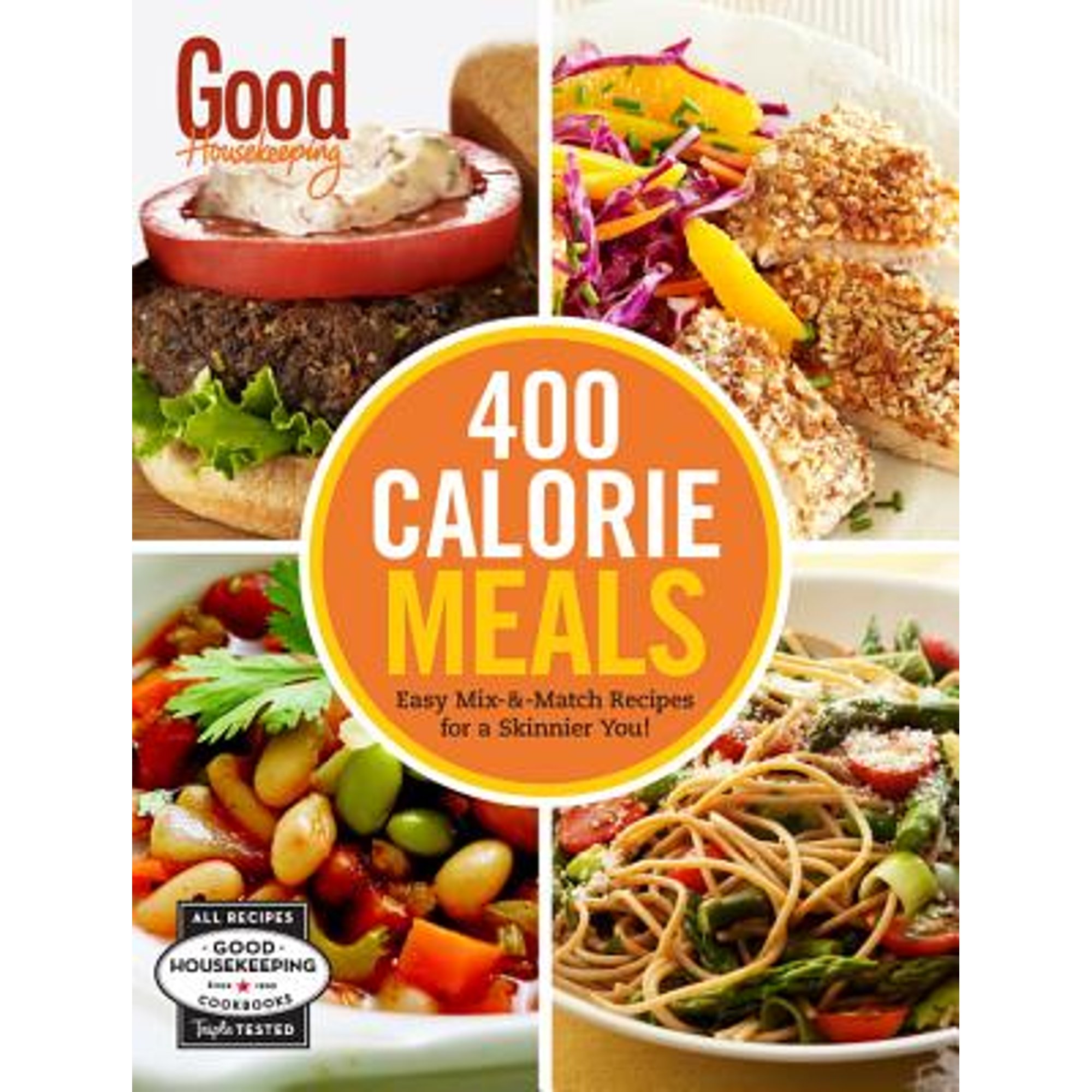
Foods that provide approximately 400 calories while maintaining high satiety are typically characterized by a combination of lean protein, high dietary fiber, and significant physical volume. Options such as Greek yogurt with chia seeds, lentil-based stews, and grilled salmon paired with cruciferous vegetables are ideal because they slow gastric emptying and regulate hunger hormones like ghrelin and leptin.
The Science of Satiety: Why 400 Calories is the "Sweet Spot"
In the landscape of nutritional planning in 2026, the 400-calorie threshold has emerged as a gold standard for weight management and metabolic health. This caloric range is substantial enough to constitute a complete meal—triggering the body’s mechanical and chemical signals of fullness—without exceeding the typical energy requirements of a sedentary or moderately active lifestyle.
Satiety is not merely the absence of hunger; it is a complex physiological response influenced by the Satiety Index. This index measures how long various foods keep a person full. Foods that score high on this list usually share three characteristics: high protein content, high fiber, and high water content (volume). When you consume a 400-calorie meal that hits these three markers, your body initiates a "ileal brake" mechanism, slowing down the movement of food through the digestive tract and extending the duration of nutrient absorption.
Furthermore, 400 calories allow for a balanced macronutrient profile. Unlike a 100-calorie snack, which rarely provides enough protein or fat to sustain energy, a 400-calorie portion can accommodate the 20–30 grams of protein necessary to stimulate muscle protein synthesis and promote long-term metabolic efficiency.
Protein-First Options: The Building Blocks of Fullness
Protein is the most satiating macronutrient. It has a higher thermic effect of food (TEF) than carbohydrates or fats, meaning the body burns more energy simply processing it. For a 400-calorie meal, prioritizing lean animal or high-quality plant proteins ensures that the "fullness" signals reach the brain effectively.
Greek Yogurt and Berry Parfaits
A large serving of plain, non-fat Greek yogurt (approx. 1.5 cups) provides nearly 35 grams of protein for only 150-180 calories. By adding half a cup of raspberries and two tablespoons of chia seeds, you reach the 400-calorie mark while adding over 10 grams of fiber. The thick consistency of the yogurt combined with the gelatinous fiber of the chia seeds creates a dense bolus in the stomach, which physically signals the stretch receptors to inform the brain that the body is satisfied.
Grilled Chicken Breast with Leafy Greens
A 6-ounce grilled chicken breast is roughly 280 calories and packed with 50 grams of protein. To round this out to 400 calories, one can add a massive salad of spinach, arugula, and cucumbers with a light balsamic vinaigrette. The sheer volume of the greens provides "bulk" without many calories, while the lean protein ensures the satiety lasts for three to five hours. This combination is particularly effective for those following a low-glycemic diet to avoid insulin spikes that lead to subsequent "crashes" and hunger.
Fiber-Rich Plant Proteins: Longevity for Your Hunger
While animal proteins are excellent for immediate satiety, plant-based proteins—specifically legumes and pulses—are the champions of "staying power" due to their dual-threat nature of protein and fiber.
Lentils and Chickpeas
Lentils contain about 18 grams of protein and 15 grams of fiber per cooked cup. A 400-calorie serving of lentil soup or a Mediterranean chickpea salad provides a slow-release energy source. Fiber slows the absorption of glucose into the bloodstream, preventing the rapid rise and fall of blood sugar. Research from the National Institutes of Health has consistently shown that individuals who consume pulses daily report higher levels of fullness compared to those who consume equivalent calories from refined grains.
Quinoa Bowls
Quinoa is a complete protein, meaning it contains all nine essential amino acids. A cup of cooked quinoa is about 220 calories. By mixing it with black beans, diced tomatoes, and a small amount of avocado, you create a 400-calorie powerhouse. The complex carbohydrates in the quinoa provide a steady stream of fuel, while the fiber in the beans ensures the meal feels "heavy" in a beneficial way.
High-Volume Vegetables: Tricking the Stretch Receptors
One of the most effective strategies for staying satisfied on 400 calories is the concept of Volumetrics. This involves eating foods that have low energy density—meaning they have few calories per gram of weight. Water-rich vegetables allow you to eat a large physical quantity of food, which satisfies the psychological need to see a full plate and the physical need to expand the stomach.
Cruciferous Vegetables (Broccoli, Cauliflower, Brussels Sprouts)
Cruciferous vegetables are incredibly dense in nutrients but low in calories. For example, you can eat four cups of steamed broccoli for only 120 calories. When paired with a 4-ounce portion of lean steak or tofu, you reach 400 calories but feel as though you have eaten a massive feast. The high sulfur content and fiber in these vegetables require significant chewing time, which also helps the brain register fullness before the meal is even finished.
"Zoodles" and Spaghetti Squash
Replacing traditional pasta with zucchini noodles (zoodles) or spaghetti squash is a classic volumetrics tactic. While 400 calories of traditional pasta is a relatively small bowl (about 2 cups cooked with light sauce), 400 calories of zoodles with a turkey bolognese sauce could fill two large dinner plates. This volume prevents the "empty stomach" feeling that often accompanies calorie-restricted diets.
Comparison of 400-Calorie Satiety Profiles
The following table compares common 400-calorie meal configurations based on their primary satiety drivers.
| Meal Type | Primary Protein Source | Fiber Content (Est.) | Volume Level | Expected Satiety Duration |
|---|---|---|---|---|
| Greek Yogurt Parfait | Whey/Casein (Dairy) | 10g - 12g | Medium | 3 - 4 Hours |
| Lentil & Vegetable Stew | Plant-based Pulses | 15g - 18g | High | 4 - 5 Hours |
| Grilled Salmon & Asparagus | Fish (Omega-3) | 5g - 7g | Medium-High | 3.5 - 4 Hours |
| Quinoa & Black Bean Bowl | Ancient Grains/Beans | 12g - 14g | Medium | 4 Hours |
| Lean Beef & Broccoli Stir-fry | Red Meat | 6g - 8g | Very High | 4 - 5 Hours |
| Egg White & Veggie Omelet | Egg Whites | 4g - 6g | High | 2.5 - 3 Hours |
The Crucial Role of Healthy Fats in Satiety
While protein and fiber are the leaders in satiety, fats play a supportive role by triggering the release of cholecystokinin (CCK) and peptide YY (PYY), hormones that signal the gallbladder to release bile and the brain to recognize fullness.
However, because fat contains 9 calories per gram (compared to 4 calories for protein and carbs), it must be used sparingly in a 400-calorie framework. A thumb-sized portion of avocado, a tablespoon of olive oil, or a small handful of almonds (approx. 10-12 nuts) can be the difference between a meal that leaves you hungry in an hour and one that carries you through to your next scheduled eating window.
In 2026, nutritionists emphasize "smart fats"—those high in Omega-3 fatty acids, like those found in sardines or walnuts—which may also have anti-inflammatory properties that support metabolic health. Adding these to a 400-calorie meal plan provides the sensory satisfaction (mouthfeel) that lean protein alone sometimes lacks.
Common Pitfalls: Why Some 400-Calorie Foods Fail
Not all 400-calorie portions are created equal. A "satiety trap" occurs when you consume calories that are easily digested or lack structural complexity.
- Liquid Calories: A 400-calorie commercial smoothie might contain high amounts of fruit sugar (fructose) without the structural fiber found in whole fruit. Because liquids bypass much of the mechanical digestion process and exit the stomach quickly, they often leave the individual hungry within 60 minutes.
- Refined Carbohydrates: A large bagel is approximately 300-400 calories. However, because it is made of refined white flour, it causes a rapid spike in blood glucose followed by a sharp insulin response. This often leads to "rebound hunger," where the body craves more sugar shortly after eating.
- Ultra-Processed "Diet" Foods: Many pre-packaged 400-calorie frozen meals are high in sodium and low in actual fiber or high-quality protein. While the calorie count is correct, the lack of micronutrients and volume often results in a lack of long-term satisfaction.
Strategies for Maximum Satisfaction in 2026
To make the most of a 400-calorie meal, consider these evidence-based strategies used by clinical dietitians:
- The "Water First" Rule: Drinking 16 ounces of water before a 400-calorie meal can increase the sensation of fullness by pre-distending the stomach.
- Temperature Matters: Warm foods (like soups or roasted meats) tend to be more satisfying than cold foods. The heat slows down the pace of eating, allowing the body's natural satiety signals time to reach the hypothalamus.
- Textural Variety: A meal that requires more chewing (crunchy vegetables, chewy grains) is more satisfying than soft, uniform textures. The act of mastication is a sensory cue to the brain that significant nutrition is being consumed.
Frequently Asked Questions
Can I stay full on 400 calories if I am very active?
If you have a high activity level, 400 calories may not be sufficient for a primary meal. However, you can maximize satisfaction by timing these meals around your workouts. Consuming a 400-calorie meal high in complex carbohydrates and protein after a workout helps replenish glycogen and repair muscle, which can provide a deeper sense of recovery and fullness than eating the same calories during a period of inactivity.
Is it better to eat 400 calories all at once or split it?
For satiety, it is generally better to eat the full 400 calories in one sitting. This allows the stomach to reach the "threshold of distention" required to trigger fullness hormones. Small, frequent "grazing" of 100-200 calories often fails to fully suppress ghrelin, leading to a constant, low-level feeling of hunger throughout the day.
Which 400-calorie food has the most volume?
Vegetable-based soups (without heavy cream) and large salads are the volume leaders. For example, a massive bowl of vegetable minestrone made with broth, cabbage, zucchini, and a small amount of beans can reach nearly 24 ounces in weight while staying under 400 calories. This physical mass is the most effective way to satisfy "volume eaters."
Why do I feel hungry soon after a 400-calorie pasta dish?
Traditional pasta is very energy-dense and low in fiber. 400 calories of pasta is a relatively small volume (about 1.5 to 2 cups). Because it is primarily simple starch, it digests quickly. To make it more satisfying, you would need to reduce the pasta portion by half and replace that volume with high-fiber vegetables and a lean protein like shrimp or turkey.
Are "zero-calorie" noodles a good addition to a 400-calorie meal?
Konjac or "shirataki" noodles are almost entirely water and fiber. While they can help bulk up a 400-calorie meal to an enormous size, they lack significant nutrients. They are best used as a supplement to a meal that already contains high-quality protein and fats, rather than as a primary source of satisfaction.
Practical Recommendation
To achieve lasting satisfaction on a 400-calorie budget, prioritize a "3-Part Plate" strategy:
- Fill 50% of your plate with high-volume, low-calorie vegetables (greens, peppers, broccoli).
- Dedicate 25% to a lean protein (at least 25-30g of protein).
- Use the remaining 25% for a high-fiber starch (sweet potato, lentils, or quinoa).
This balanced approach ensures that you satisfy the physical, chemical, and psychological requirements for fullness. Always check nutrition labels or use a verified database like USDA FoodData Central to ensure your portions align with your 400-calorie goal, as small errors in cooking oils or dressings can quickly add 100-200 "hidden" calories that do not contribute to satiety.