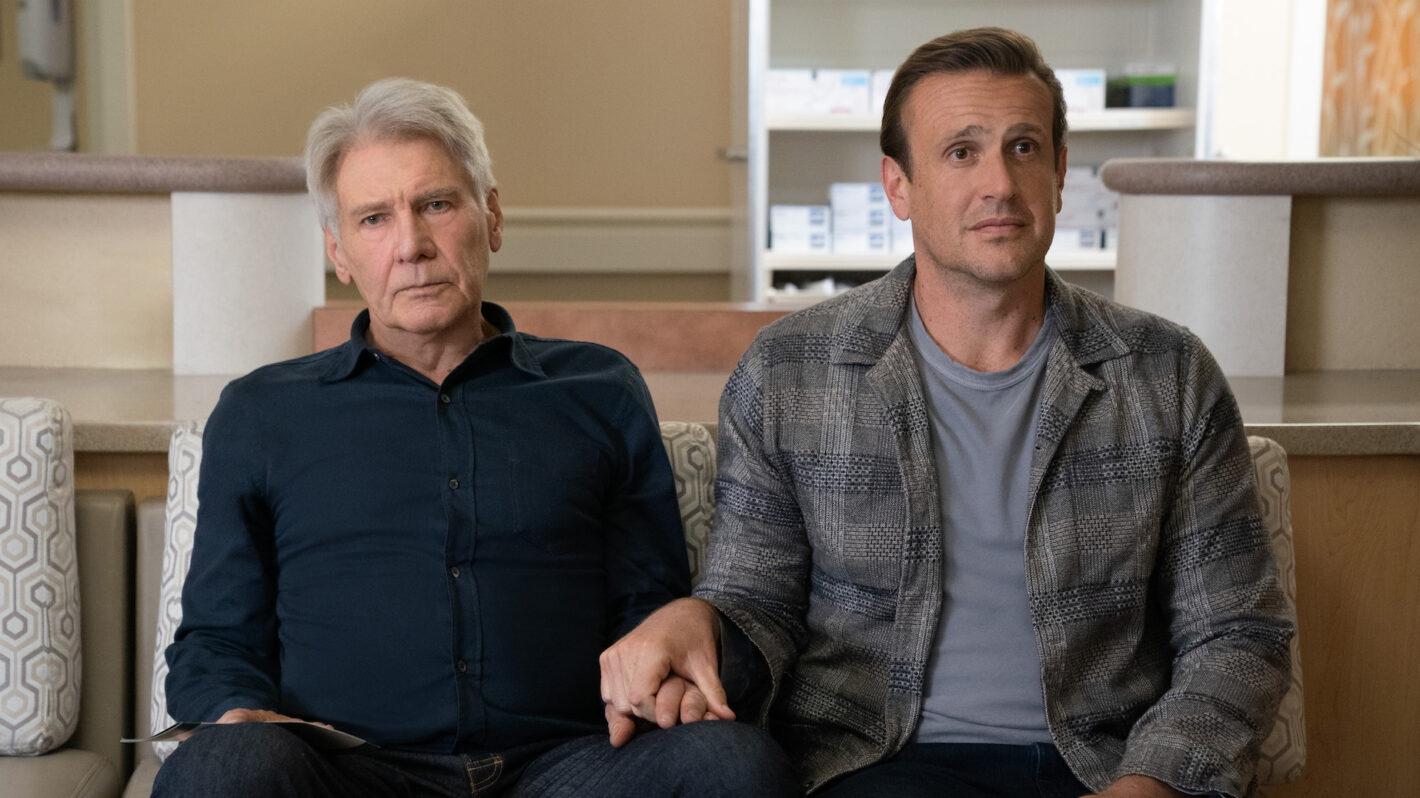
Season 4 of Apple TV+’s critically acclaimed comedy-drama Shrinking brings back its core ensemble while introducing fresh creative dynamics, expanding on the therapeutic journeys, professional shifts, and eccentric neighborly interactions that define the series.
The return of Apple TV+’s Shrinking for its fourth season marks another chapter in the lives of its deeply flawed, fiercely loyal group of therapists, friends, and family members. Created by Bill Lawrence, Jason Segel, and Brett Goldstein, the series has carved out a unique space in contemporary television by blending heavy emotional grief with fast-paced, often chaotic comedy. As the narrative progresses into its fourth season, the spotlight shines brightly on the evolution of its ensemble cast, featuring returning favorites, pivotal character arcs, and subtle dynamic shifts that redefine how these individuals interact with one another and their patients. Understanding these cast highlights provides a clear lens through which to view the thematic and emotional progression of the series.
1. Jason Segel as Jimmy Laird: Navigating Middle-Aged Growth and Unconventional Therapy
At the center of Shrinking remains Jason Segel’s portrayal of Jimmy Laird, a grieving therapist who famously broke professional and ethical boundaries by dispensing brutally honest, unfiltered advice to his patients. Across the preceding seasons, Jimmy has journeyed from a state of paralyzing despair following the sudden death of his wife to a more grounded, albeit still chaotic, attempt at personal stability.
In Season 4, Segel’s performance anchors the show's balancing act between laugh-out-loud comedy and poignant emotional vulnerability. The highlights of Jimmy’s arc this season center on his maturity as both a father to his teenage daughter, Alice, and as a mentor figure. No longer defined solely by his initial grief spiral, Jimmy is forced to confront the long-term consequences of his past behavioral choices. Segel brings a grounded weariness coupled with enduring optimism to the role, demonstrating how Jimmy continues to apply his own therapeutic breakthroughs to his daily life, even when he stumbles.
- Core Professional Evolution: Moving away from reckless intervention tactics toward sustainable, long-term patient care.
- Interpersonal Dynamics: Deepening his emotional availability with Alice while navigating complex dating and social landscapes.
- Performance Tone: Balancing slapstick physical comedy with raw, empathetic dramatic delivery.
2. Harrison Ford as Dr. Paul Rhoades: Balancing Professional Legacy and Personal Vulnerability
Harrison Ford’s turn as Dr. Paul Rhoades, the dry-witted, Parkinson’s-afflicted senior therapist and mentor to Jimmy and Gaby, continues to be a standout element of the series. Ford brings a deadpan comedic timing and profound gravitas to a character who is outwardly gruff yet fiercely protective of his colleagues.
Season 4 highlights for Paul revolve around his confrontation with his own physical mortality and professional legacy. While earlier seasons established his diagnosis and his resistance to slowing down, the fourth season explores his evolving relationships with his estranged family and his colleagues who have become his surrogate support system. Ford portrays Paul with a remarkable economy of expression, using subtle shifts in posture and timing to convey the weight of decades of psychological practice meeting the reality of aging.
"Ford’s performance proves that sharp wit and emotional depth are timeless, anchoring the show's most cynical observations with unexpected tenderness."
3. Jessica Williams as Gaby: Career Ambition and Emotional Independence
Jessica Williams as Gaby has consistently served as the energetic, sharp-tongued heartbeat of the cognitive behavioral therapy clinic. Gaby’s journey has explored professional burnout, complicated friendships, and the messy pursuit of romantic fulfillment following a divorce.
In Season 4, Gaby steps further into her professional power, demanding recognition and autonomy within her career. Williams infuses the character with magnetic charisma, rapid-fire comedic delivery, and deeply moving vulnerability. The highlights of Gaby’s storyline this season involve setting firm boundaries in her personal relationships and evaluating what she truly wants out of life, independent of Jimmy’s perpetual chaos or her past marital regrets. Her scenes with Harrison Ford's Paul remain a masterclass in comedic and dramatic chemistry.
4. Christa Miller as Liz: The Neighborhood Anchor and Unsung Therapist
While Jimmy, Paul, and Gaby practice therapy professionally, Christa Miller’s Liz is widely recognized by fans as the unofficial, neighborhood therapist of the cul-de-sac. As Jimmy’s next-door neighbor and Alice’s surrogate mother figure, Liz has spent the series managing everyone else's crises while occasionally neglecting her own empty-nest transition.
Season 4 highlights for Liz focus on her re-identifying herself outside of her caretaking duties. Miller brings incredible comedic timing and fierce loyalty to the screen, ensuring that Liz is never reduced to a stereotype of a nagging neighbor. Her storyline delves into her marriage with Sean and her evolving dynamic with the wider group, proving that emotional labor often happens outside of formal clinical settings.
Comprehensive Ensemble Dynamics Comparison
To understand how these four central figures drive the narrative momentum of Shrinking Season 4, it is useful to examine their primary narrative functions, comedic styles, and thematic focus areas within the ensemble.
| Character | Actor | Primary Narrative Focus | Comedic Style | Thematic Contribution |
|---|---|---|---|---|
| Jimmy Laird | Jason Segel | Fatherhood, personal stability, professional ethics | Slapstick, verbal self-deprecation, emotional outbursts | Grief recovery and self-forgiveness |
| Dr. Paul Rhoades | Harrison Ford | Aging, legacy management, health adaptation | Deadpan, cynical, observational | Dignity in decline and mentorship |
| Gaby | Jessica Williams | Career advancement, romantic autonomy, self-worth | Rapid-fire banter, expressive physical comedy | Professional empowerment and boundary-setting |
| Liz | Christa Miller | Empty-nest syndrome, neighborhood mediation, marriage | Sarcastic, hyper-vigilant, protective | Informal caretaking and community bonds |
Frequently Asked Questions
What is the primary focus of Shrinking Season 4?
Season 4 focuses on long-term personal growth, professional maturity, and the shifting dynamics within the core group of characters. Rather than focusing solely on acute grief, the narrative examines how these individuals maintain their progress and support one another through routine life challenges.
How has Harrison Ford’s character evolved by Season 4?
Dr. Paul Rhoades evolves from a guarded, hyper-independent veteran therapist into someone more willing to accept help, confront his physical limitations openly, and deepen his emotional investments in his surrogate family at the clinic.
Are there new recurring cast members introduced in Season 4?
While the core ensemble remains the driving force of the narrative, the series continues to integrate recurring guest stars who challenge the main characters' perspectives and introduce fresh situational comedy to the cul-de-sac and clinic settings.
Where can I watch Shrinking Season 4?
Shrinking is an Apple Original series and streams exclusively worldwide on Apple TV+. Subscription requirements and local availability depend on regional Apple TV+ service terms.
Final Recommendation
For viewers tracking the trajectory of modern comedy-dramas, paying close attention to the interplay between Segel’s chaotic earnestness and Ford’s grounded cynicism offers a masterclass in ensemble writing. To fully appreciate Season 4, re-examine the closing arcs of Season 3, particularly regarding professional boundaries and domestic partnerships, as these provide the direct springboard for the character evolutions highlighted above.