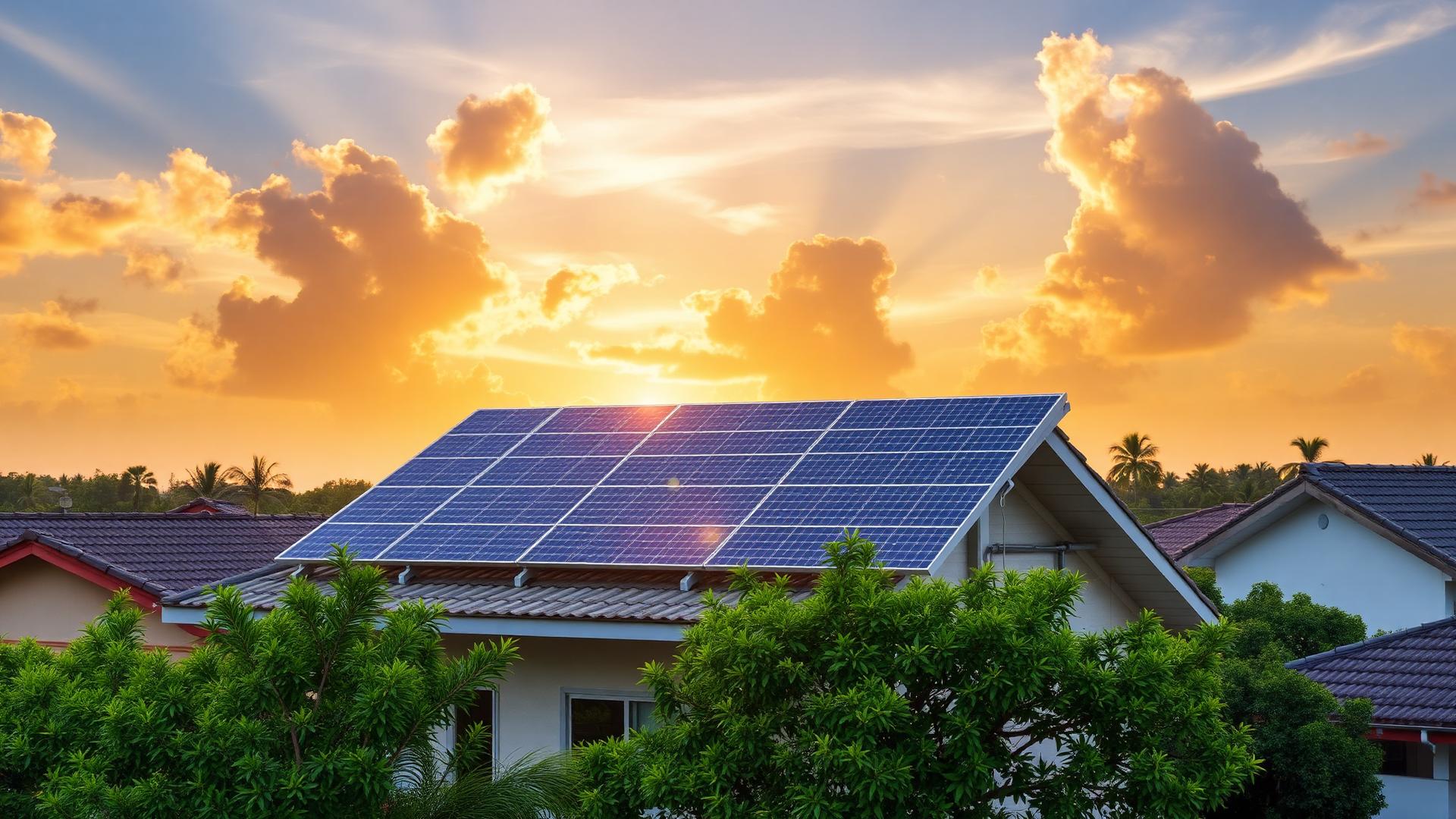
Selecting a 24-volt solar panel system in the Philippines requires balancing local irradiance levels, battery chemistry, and electrical load requirements. A 24-volt configuration is ideal for mid-sized off-grid setups, offering better efficiency than 12-volt systems by reducing current flow and cable thickness requirements while remaining compatible with common 24V deep-cycle battery banks and MPPT controllers.
Understanding 24-Volt Solar Systems in the Philippine Context
In the Philippines, solar energy adoption continues to grow as homeowners and businesses look for reliable power solutions, particularly in remote areas or to mitigate the impact of frequent power interruptions. A 24-volt solar panel installation is often considered the "sweet spot" for many residential and agricultural applications. Unlike 12-volt systems, which are typically reserved for very small, portable, or low-draw setups, 24-volt systems provide the necessary capacity to run standard home appliances—such as high-efficiency refrigerators, fans, and LED lighting—without excessive wiring losses.
The archipelago’s geography, characterized by high humidity, intense heat, and a monsoon season, necessitates careful component selection. When you opt for a 24-volt system, you are essentially committing to a mid-range architecture that bridges the gap between simple entry-level kits and massive, high-voltage grid-tied arrays.
Key Components of a 24-Volt Installation
To successfully deploy a 24-volt system, you must ensure that all components are electronically compatible. A mismatch in voltage or capacity can lead to system degradation or, in extreme cases, fire hazards.
1. Solar Photovoltaic (PV) Panels
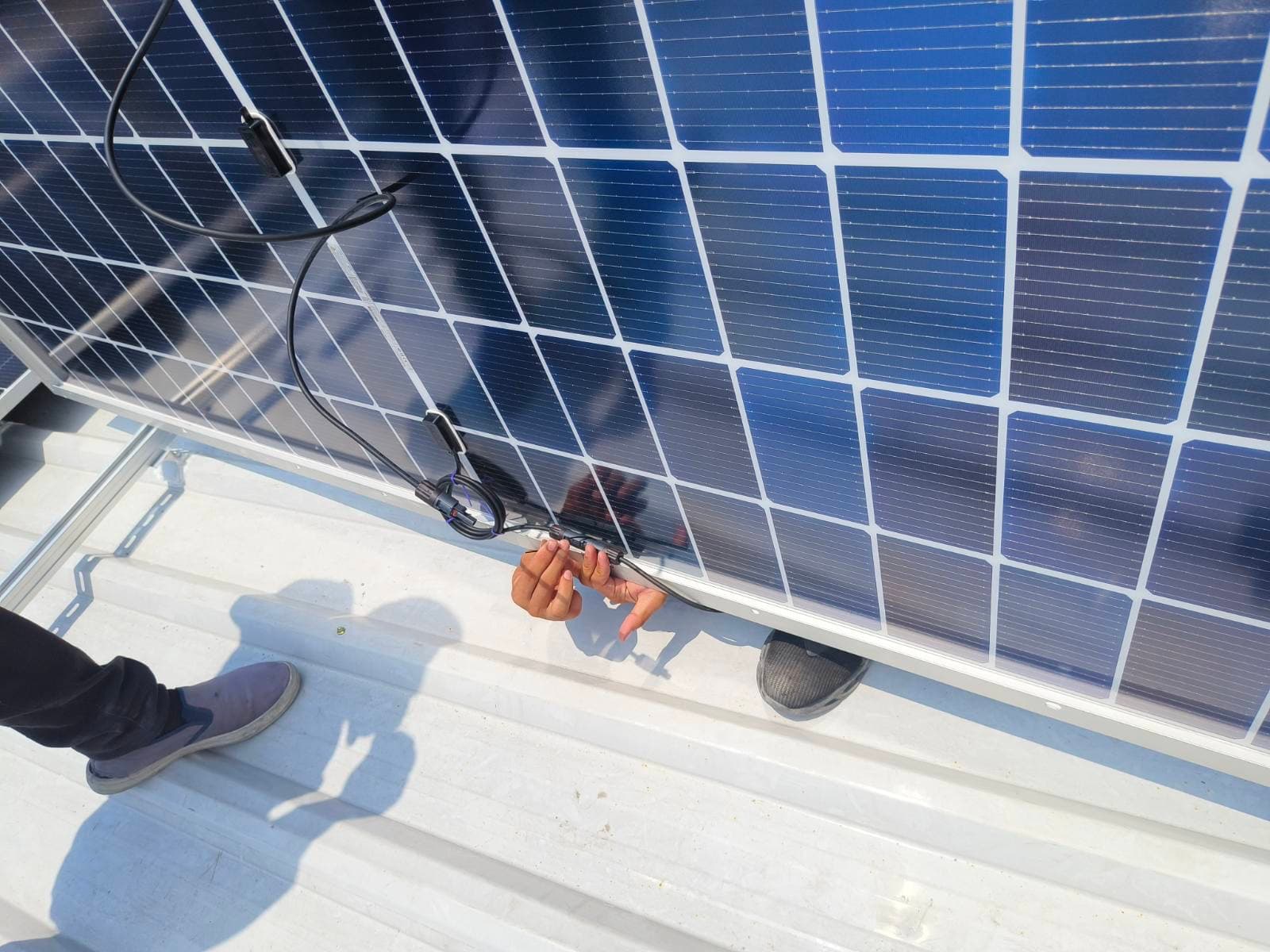
Most modern solar panels are rated for "12-volt" or "24-volt" operation. A true 24-volt panel usually consists of 72 cells. However, in the 2026 market, many installers use two 12-volt panels connected in series to achieve the necessary voltage for a 24-volt bank. When buying panels in the Philippines, verify the Open Circuit Voltage (Voc) and Short Circuit Current (Isc) on the back label.
2. Charge Controllers
The Maximum Power Point Tracking (MPPT) controller is the heart of your system. For a 24-volt setup, the MPPT controller must be rated to handle the total current from your solar array and be programmed specifically for a 24-volt battery bank. Avoid cheap Pulse Width Modulation (PWM) controllers if you are maximizing efficiency, as they do not convert excess voltage into charging current, resulting in significant power waste in hot tropical conditions.
3. Battery Bank
For a 24-volt system, you will generally wire two 12-volt deep-cycle batteries in series. Popular technologies in the Philippines include:
- Lead-Acid/AGM: Affordable but requires ventilation and has shorter lifespans in high-heat environments.
- Lithium Iron Phosphate (LiFePO4): Increasingly common in 2026, these offer longer lifespans, better thermal stability, and higher depth of discharge, making them ideal for the Philippine climate.
4. Inverters
An inverter converts your 24V DC battery power to 220V AC for your appliances. Always select a "Pure Sine Wave" inverter. Modified sine wave inverters can damage sensitive electronics, including modern LED televisions and inverter-style air conditioning units, which are prevalent in the Philippines.
Site Assessment and Capacity Planning
Before purchasing hardware, you must calculate your energy consumption. This is a common failure point for DIY installations.
- Inventory Your Loads: List every appliance you intend to power and their wattage ratings (found on the back of the device).
- Estimate Daily Usage: Multiply the wattage by the number of hours the device runs per day (Watt-hours).
- Factor in Inefficiency: Include a 20% buffer for conversion losses and the fact that Philippine solar insolation (sunlight availability) varies significantly between the dry and wet seasons.
- Determine Panel Quantity: Based on the average 4.5 peak sun hours in the Philippines, calculate how many panels you need to replenish the battery bank each day.
Comparative Guide for Solar System Voltages
| Feature | 12-Volt System | 24-Volt System | 48-Volt System |
|---|---|---|---|
| Best Use Case | Small lighting/camping | Homes/Small Offices | Large homes/Commercial |
| Cable Thickness | Very Thick (Expensive) | Moderate | Thin (Cost-effective) |
| Current (Amps) | High | Moderate | Low |
| Efficiency | Lower | High | Very High |
| Component Availability | High | High | Medium |
Installation Best Practices for the Philippines
Managing Tropical Heat
High temperatures reduce the efficiency of solar panels. When mounting, ensure there is at least 6 to 8 inches of space between the panels and your roof to allow for airflow. If possible, install panels facing South to maximize exposure throughout the year.
Safety and Wiring
Always use UV-rated cabling for outdoor runs, as the tropical sun will degrade standard indoor wiring within months. Install a circuit breaker between the panels and the controller, and another between the battery and the inverter. Ensure all connections are tightened using proper crimping tools; loose connections under the Philippine humidity will quickly oxidize, creating resistance and potential fire risks.
Grounding
Given the Philippines' propensity for thunderstorms, a robust grounding system is non-negotiable. Connect your solar rack to a dedicated grounding rod driven deep into the soil to mitigate the risk of surge damage from lightning strikes.
Common Mistakes to Avoid
- Undersizing the Battery Bank: In the Philippines, the rainy season can reduce solar output for days at a time. Ensure your battery bank has at least two days of "autonomy" (stored power) to bridge these gaps.
- Ignoring Voltage Drop: Even at 24 volts, long cable runs cause voltage drops. Keep the distance between your charge controller and your battery bank as short as possible.
- Mixing Battery Types: Never mix old and new batteries, or different brands, in the same series bank. The weakest battery will dictate the performance of the entire system.
Frequently Asked Questions
Can I run an air conditioner on a 24-volt solar system?
Yes, but you will need a large battery bank and a high-capacity inverter. Even an efficient "inverter-style" AC unit consumes significant power. Ensure your solar array is large enough to replenish the batteries daily, as AC units are rarely used only during sunlight hours.
Does the humidity in the Philippines damage solar panels?
High-quality, certified solar panels (IEC 61215/61730 standard) are designed to withstand humidity. However, you should ensure that the junction box on the back of the panel is properly sealed and that your installation uses stainless steel or galvanized hardware to prevent rust.
What is the advantage of MPPT over PWM in the Philippines?
In the Philippines, high temperatures cause panels to lose voltage. An MPPT controller can "boost" this lower voltage back into the optimal charging range for your 24V batteries, whereas a PWM controller would simply lose that power, resulting in a much slower charge time.
How often should I perform maintenance on my 24-volt system?
Check your connections every six months for oxidation. If you are using flooded lead-acid batteries, check the water levels monthly. For lithium (LiFePO4) and sealed AGM batteries, maintenance is minimal, focusing mostly on keeping the solar panels clean of dust, bird droppings, and leaf debris.
Recommendation for Next Steps
To begin your installation, prioritize a load analysis to establish exactly how much power you need. Once the math is finalized, source your components from reputable Philippine suppliers who provide local warranties. Prioritize an MPPT charge controller and, if your budget allows, move toward LiFePO4 battery technology for superior performance in the Philippine climate. If you are unfamiliar with DC electrical work, consult with a licensed professional to ensure your installation meets safety standards and local building codes.