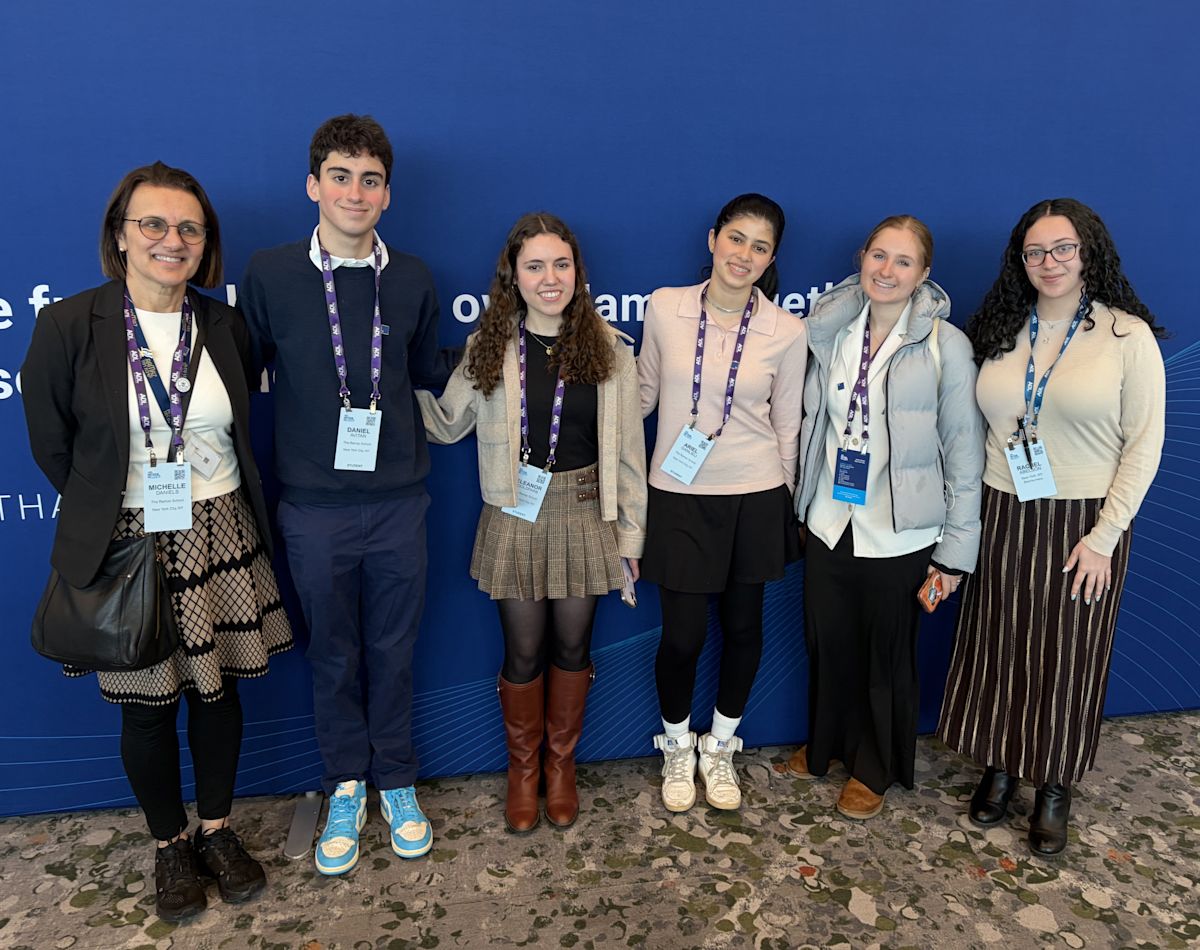
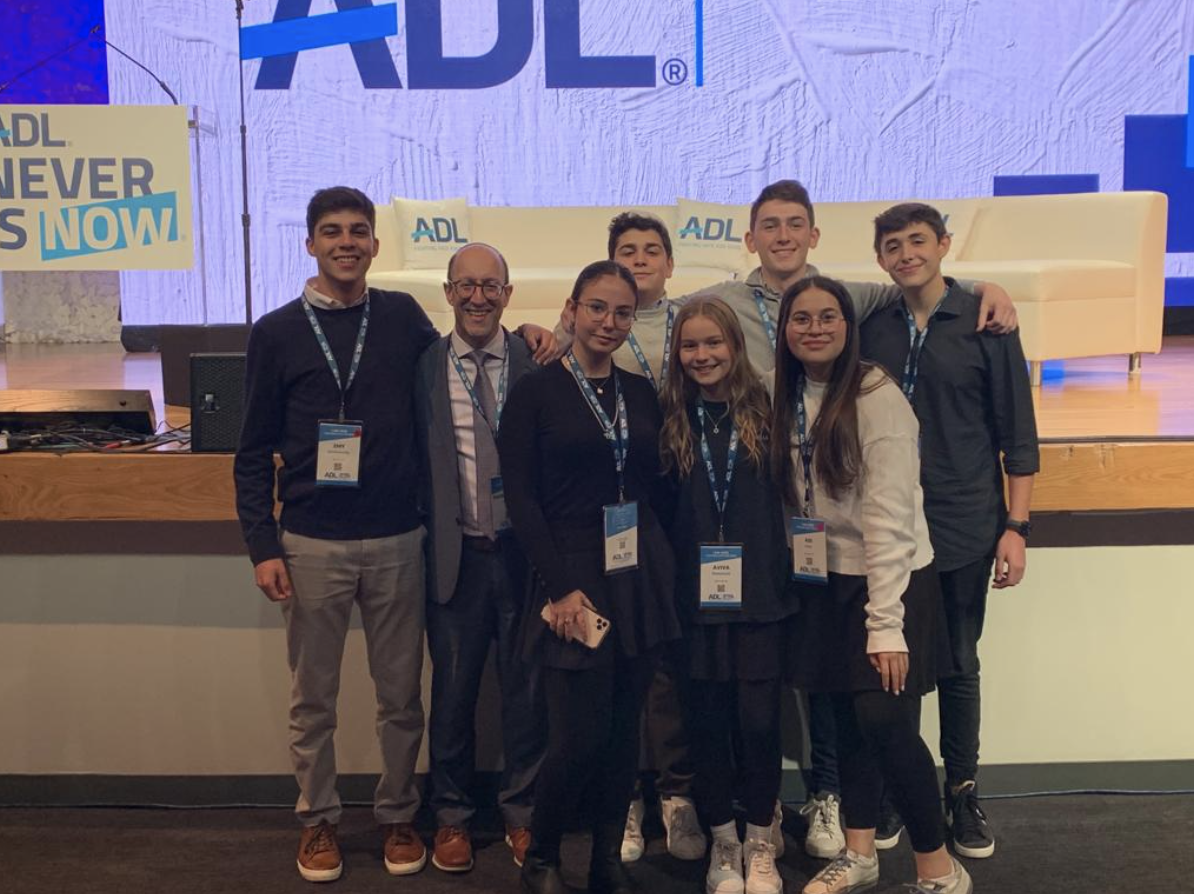
The 2026 ADL Summit Never Is Now serves as the premier global convening for leaders, activists, and policymakers dedicated to combating antisemitism, hate, and extremism. This year’s summit highlighted the integration of AI-driven moderation tools, the formalization of international cross-border coalitions against digital harassment, and a renewed emphasis on educational initiatives designed to address rising polarization in academic and workplace environments.
The Evolution of Never Is Now in 2026
The ADL’s Never Is Now summit has historically functioned as the largest annual event focused on the fight against antisemitism. By 2026, the summit evolved into a more tactical, outcome-oriented platform, shifting focus from high-level advocacy to the implementation of scalable, technology-backed interventions. The 2026 iteration specifically addressed the intersection of emerging generative AI technologies and the rapid spread of hate speech across decentralized social platforms.
Attendees were primarily composed of civil rights advocates, corporate social responsibility (CSR) officers, government representatives, and educational administrators. The primary intent of the 2026 gathering was to facilitate the transition from defensive reactive strategies to proactive systemic prevention. This year saw a significant expansion in the technical depth of sessions, moving away from anecdotal accounts to data-driven methodology regarding the tracking and reporting of hate crimes.
Strategic Priorities: Digital Safety and AI Accountability
A primary pillar of the 2026 summit was the introduction of the "AI Integrity Initiative." Recognizing that language models and recommendation engines can inadvertently amplify extremist rhetoric, the ADL presented new frameworks for platforms to audit their algorithms for bias.
- Algorithmic Transparency: The summit emphasized the necessity for social media companies to provide independent researchers with access to data feeds. This is designed to allow for the real-time detection of hate speech clusters before they transition from online discourse to offline mobilization.
- Harm Reduction Frameworks: Tech leaders discussed the deployment of "friction-based" design in user interfaces. By introducing intentional delays or mandatory verification checkpoints for viral, inflammatory content, platforms aimed to reduce the velocity of misinformation.
- Cross-Platform Data Sharing: A landmark development in 2026 was the movement toward a unified, privacy-compliant, industry-wide database for flagging known extremist actors, ensuring that a ban on one platform does not lead to an immediate migration to another.
Addressing Hate in the Workplace and Academic Institutions
The 2026 summit dedicated substantial time to addressing the rising friction within professional and academic spaces. As organizations face legal and cultural pressure to maintain inclusive environments, the ADL provided updated guidelines on managing internal discourse without infringing on civil liberties.
For human resources (HR) and diversity, equity, and inclusion (DEI) practitioners, the summit emphasized the "Neutrality and Civility" model. This approach suggests that companies and universities should focus on setting clear, enforceable standards for behavior—prohibiting harassment and discriminatory conduct—rather than attempting to police political viewpoint. The goal is to move the needle toward a culture where ideological disagreement is distinct from identity-based intimidation.
Comparative Analysis of Summit Focus Areas
The following table summarizes the shift in thematic focus between recent summits and the 2026 iteration, reflecting the maturation of the organization's strategic approach.
| Focus Area | 2024–2025 Approach | 2026 Strategic Evolution |
|---|---|---|
| Digital Content | Reporting and manual takedowns | Algorithmic audit and AI integration |
| Corporate Policy | Declarations of inclusion | Enforceable behavioral standards |
| Legal Advocacy | Legislative lobbying | Global anti-hate standard-setting |
| Education | Awareness-based curricula | Interactive, evidence-based intervention |
Educational Initiatives: Beyond Awareness
The "Never Is Now" 2026 agenda highlighted that awareness campaigns alone are insufficient for modern demographics. The focus transitioned toward cognitive resilience training. Educators were provided with modules that teach students how to identify sophisticated propaganda techniques. This shift acknowledges that modern hate speech often masks itself within legitimate political critique or complex socioeconomic arguments.
By utilizing interactive, digital-first learning platforms, the ADL aims to reach students who spend the majority of their time in virtual environments. These programs are designed to be modular, allowing them to be integrated into existing high school and college humanities curricula without requiring extensive overhaul of established lesson plans.
Legal and Policy Implications
A critical highlight of the 2026 summit was the review of international legal standards. As jurisdictions in both the United States and the European Union update their digital services acts, the ADL provided a comparative overview of how domestic policies interact with international human rights standards.
Organizations are now being advised to prepare for a "compliance-first" environment. This includes:
- Documentation: Maintaining logs of internal investigations into hate speech reports.
- Verification: Implementing third-party auditing of moderation performance.
- Engagement: Establishing clear, transparent appeal processes for users who believe they were incorrectly flagged or sanctioned.
Navigating Potential Challenges and Criticisms
Despite the progress highlighted at the 2026 summit, several challenges remain. A recurring theme in panel discussions was the tension between safety and censorship. Many privacy advocates at the summit voiced concerns about the potential for "over-moderation," where legitimate discourse might be throttled by automated systems.
The ADL’s response, as presented during the keynote sessions, was to advocate for "human-in-the-loop" systems. This implies that while AI can identify, categorize, and flag content, final high-stakes decisions—particularly those involving permanent suspension—should involve human review to ensure context and nuance are captured.
Implementing Summit Recommendations: A Practical Guide
For organizations looking to align with the standards discussed at the 2026 ADL Summit, the following steps are recommended as a starting point:
- Conduct a Risk Audit: Assess current digital channels for potential exposure to extremist content or coordinated harassment campaigns.
- Standardize Response Protocols: Ensure that internal policies for handling harassment are clearly documented and consistently applied across all departments or branches.
- Invest in Literacy: Provide training for employees or students on the nature of modern extremism, focusing on how information is manipulated to radicalize individuals.
- Engage with Peers: Participate in industry-specific working groups to share threat intelligence and best practices for community moderation.
Frequently Asked Questions (FAQ)
What was the primary theme of the 2026 ADL Summit Never Is Now? The 2026 summit centered on the integration of artificial intelligence in combating online hate and the implementation of scalable, evidence-based systems to address rising polarization in professional and academic settings.
How does the 2026 approach to AI differ from previous years? Previous years focused heavily on reporting and human-led moderation. In 2026, the focus shifted to "algorithmic integrity," requiring platforms to submit their recommendation and moderation engines to third-party audits to prevent the amplification of extremist content.
Are the guidelines from the summit legally binding? No, the guidelines and recommendations presented by the ADL are advisory. However, they are designed to help organizations stay ahead of evolving legal and regulatory frameworks, such as the Digital Services Act in Europe, which may have binding enforcement mechanisms.
Can individual users benefit from the resources shared at the summit? Yes. The ADL released a series of toolkits for individuals, including guides on identifying misinformation and strategies for engaging in constructive digital discourse, which are available to the public through the organization's web portal.
What is the "Human-in-the-Loop" strategy mentioned at the summit? This strategy advocates for using AI to handle the volume of content moderation while ensuring that trained human moderators perform the final review of ambiguous or high-stakes content to prevent errors and ensure context-sensitive enforcement.
Moving Forward
The 2026 ADL Summit Never Is Now signaled a permanent shift toward a more technical, collaborative approach to fighting hate. For stakeholders, the mandate is clear: passive observation is no longer an option. By adopting the frameworks discussed—ranging from algorithmic transparency to robust, human-centric moderation policies—organizations can better position themselves to protect their communities and contribute to a more stable, inclusive information environment. Next steps involve immediate integration of these modules into internal governance structures and continued participation in the global coalition against digital extremist mobilization.