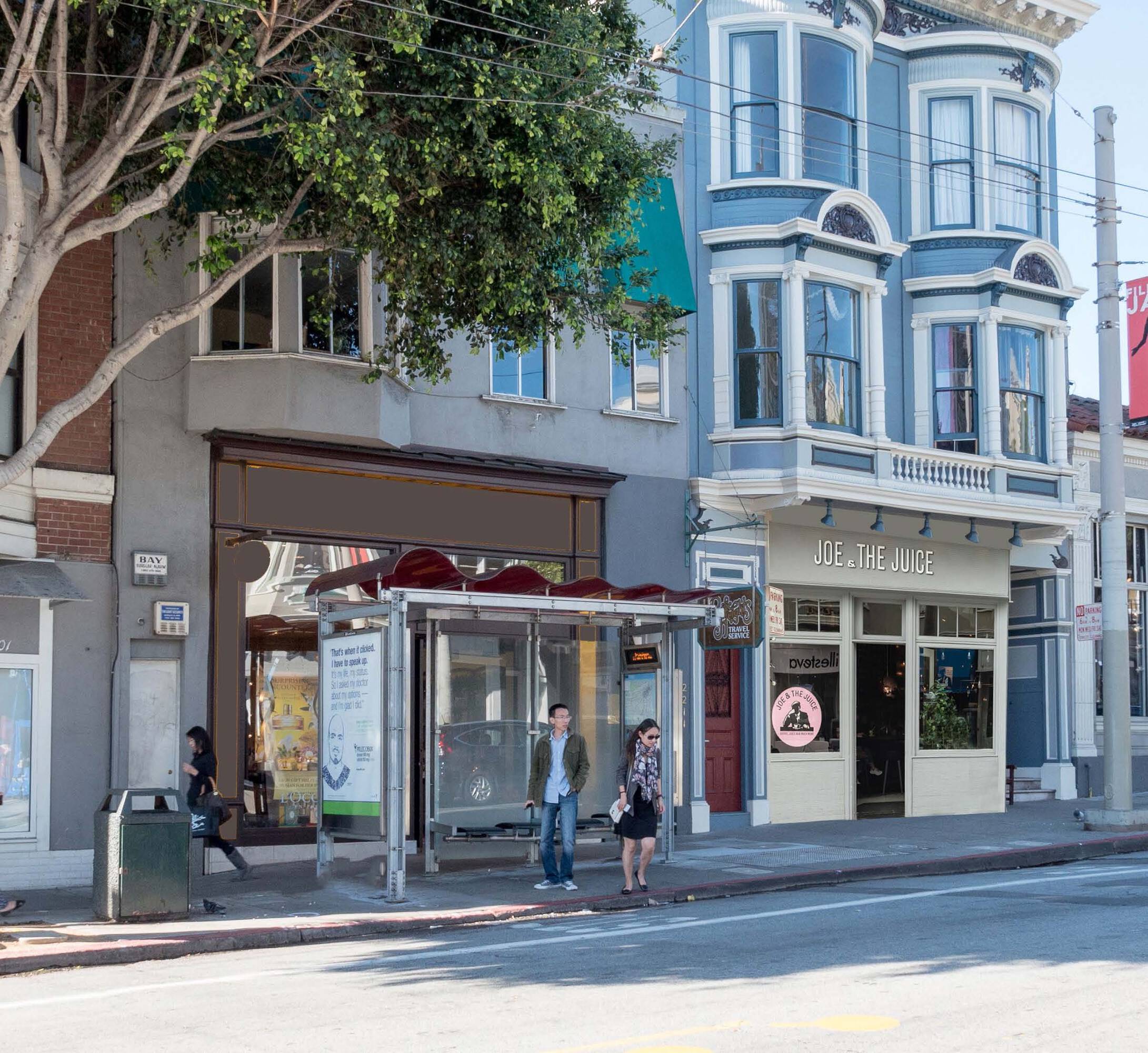
The address 2021 Fillmore Street San Francisco represents a prominent commercial and architectural landmark located in the heart of Pacific Heights and Lower Pacific Heights, one of the city’s most historically rich and economically vibrant shopping corridors. This location anchors a bustling neighborhood known for upscale retail, historic Victorian architecture, and a dynamic urban community, serving as a focal point for both local residents and visitors navigating San Francisco’s iconic commercial districts.
Introduction to the Fillmore Street Corridor
Fillmore Street is one of San Francisco's most distinctive thoroughfares, stretching from the northern waterfront down through Pacific Heights, Japantown, and the Western Addition. Within this long span, the section surrounding the 2000 block—specifically properties like 2021 Fillmore Street—functions as a prime retail and lifestyle hub. This segment of the street sits firmly within a high-density, affluent neighborhood characterized by pedestrian-friendly sidewalks, boutique storefronts, and a mix of historic and modern architectural styles.
Navigating the urban landscape of San Francisco requires an understanding of how individual addresses integrate into larger neighborhood frameworks. The 2000 block of Fillmore Street is positioned between Pine Street and California Street, placing it in a zone heavily trafficked by shoppers, diners, and local professionals. Recognizing the significance of 2021 Fillmore Street involves looking beyond a single parcel of land to examine the zoning regulations, commercial history, and architectural preservation guidelines that shape this coveted corridor.
Architectural and Urban Context in Pacific Heights
The physical structures along Fillmore Street tell a story of San Francisco's urban development spanning over a century. Properties in the Pacific Heights and Lower Pacific Heights areas often blend late 19th-century or early 20th-century craftsmanship with modern commercial storefront renovations.
- Mixed-Use Zoning: Most parcels along this stretch of Fillmore Street feature ground-floor retail space with residential units or office spaces situated on the upper floors.
- Architectural Preservation: The neighborhood falls under specific urban planning guidelines designed to protect the historic character of the streetscape, ensuring that new developments or storefront modifications complement the traditional Victorian and Edwardian aesthetics nearby.
- Pedestrian Scale: Unlike the large-scale commercial malls found in downtown San Francisco, the Fillmore corridor maintains a human scale, featuring narrow storefronts, sidewalk displays, and continuous walking paths that encourage foot traffic.
Urban planners and local historians often analyze blocks like the 2000 block of Fillmore to understand how neighborhood commercial districts survive and adapt over decades. The physical configuration of buildings at addresses like 2021 Fillmore Street reflects a classic San Francisco urban model: high-density residential living sitting directly above vibrant, street-facing commerce.
Commercial Evolution and Economic Landscape
The commercial life of Fillmore Street has undergone several transformations. Historically serving as a neighborhood-serving commercial strip, it has evolved into a nationally recognized destination for luxury boutiques, high-end dining, and specialty services.
Properties along this corridor experience high demand due to the affluent demographics of the surrounding Pacific Heights residential base. Retail spaces in this block must navigate strict local ordinances, zoning laws managed by the San Francisco Planning Department, and competitive leasing markets.
| Feature / Aspect | 2000 Block of Fillmore Street Context |
|---|---|
| Primary Zoning | Neighborhood Commercial (NC-3 or similar local neighborhood commercial district designations) |
| Typical Use | Ground-floor retail/food service with upper-story residential or commercial offices |
| Pedestrian Traffic | High volume, driven by local residents, destination shoppers, and weekend visitors |
| Neighborhood Identity | Upscale, historic, boutique-oriented, pedestrian-friendly |
| Regulatory Oversight | San Francisco Planning Department, Department of Building Inspection (DBI) |
Businesses operating in this area benefit from strong local foot traffic but must also contend with the city's complex regulatory environment, including permitting processes for signage, outdoor dining, and structural renovations.
Regulatory Environment and Property Compliance
Operating, leasing, or managing a property at an address like 2021 Fillmore Street in San Francisco requires strict adherence to municipal codes. The San Francisco Planning Code and the San Francisco Building Code govern everything from allowable business types to seismic retrofitting requirements.
Permitting and Land Use
When a commercial space changes hands or undergoes significant remodeling, property owners must secure proper authorization from city agencies. This includes verifying that the proposed use aligns with the specific Neighborhood Commercial District controls for Fillmore Street, which often restrict formula retail to preserve independent business diversity.
Seismic and Safety Standards
Given San Francisco's geographic location, buildings along Fillmore Street are subject to rigorous safety and seismic retrofit regulations. Older masonry and wood-frame structures frequently undergo structural evaluations to ensure compliance with modern earthquake safety standards, protecting both occupants and the surrounding public right-of-way.
Frequently Asked Questions
What neighborhood is 2021 Fillmore Street located in?
This address is located in Lower Pacific Heights, immediately adjacent to Pacific Heights, placing it in one of San Francisco's most prominent residential and commercial districts.
What types of businesses typically occupy the Fillmore Street corridor?
The corridor is primarily known for upscale independent boutiques, specialty restaurants, cafes, art galleries, and neighborhood-serving professional services rather than large corporate box stores.
How does San Francisco regulate commercial properties on Fillmore Street?
Commercial properties are regulated by the San Francisco Planning Department and the Department of Building Inspection, which enforce zoning laws, historic preservation rules, and specific neighborhood commercial district controls.
Is parking readily available near the 2000 block of Fillmore Street?
Like much of San Francisco, parking along Fillmore Street relies heavily on metered street parking and nearby residential permit restrictions, making public transit, rideshares, or walking preferred options for many visitors.
What are the main architectural styles found in this part of Fillmore Street?
The area features a mix of early-to-mid 20th-century commercial buildings, Edwardian facades, and Victorian residential architecture situated directly above or adjacent to retail storefronts.
Practical Next Steps for Researchers and Visitors
For those looking to visit, research, or conduct business activities related to 2021 Fillmore Street San Francisco, utilizing official municipal resources is essential. Prospective business owners should consult the San Francisco Planning Department's zoning maps and property information portal to verify current code requirements, active permits, and historical property data. Visitors planning a trip to the corridor should check local transit schedules via San Francisco Municipal Transportation Agency (SFMTA) lines, as several major bus routes serve the Fillmore Street corridor directly.