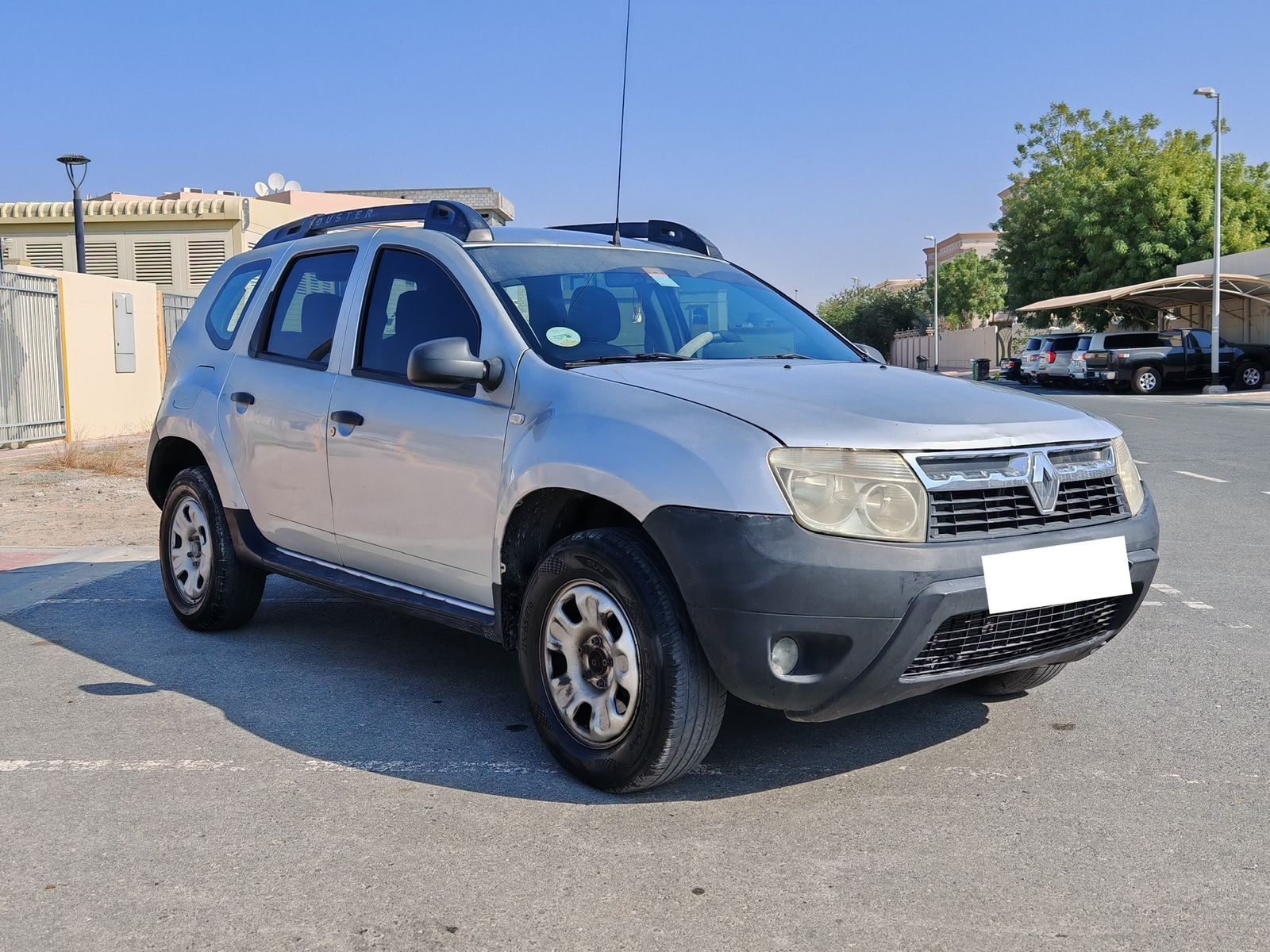
The 2015 Renault Duster represents the definitive "Phase 2" facelift of the first-generation SUV, offering a balance of rugged mechanical simplicity and improved interior refinement. This model year is particularly valued in the 2026 used car market for its robust K9K diesel engine, Nissan-sourced 4WD system, and class-leading suspension tuning that handles degraded road surfaces with exceptional composure.
The Evolution of the 2015 Renault Duster
By 2015, the Renault Duster had established itself as a global powerhouse, bridging the gap between flimsy crossovers and expensive ladder-frame SUVs. Built on the proven B0 platform, the 2015 iteration addressed many of the "utilitarian" complaints of the original 2012 launch. This facelift introduced a more sophisticated "Comet Grey" color palette, redesigned "double-optic" headlamps with daytime running lights, and a significantly upgraded dashboard.
In the 2026 context, the 2015 Duster is often viewed as a "sweet spot" vehicle. It lacks the over-complicated electronic architecture of modern 2020s SUVs while providing essential modernities like the MediaNAV touchscreen system and Bluetooth connectivity. For buyers looking for a vehicle that can be maintained outside of expensive dealership networks, the 2015 model's mechanical layout is highly accessible.
Technical Specifications: Powertrains and Performance
The 2015 Duster was offered with a variety of engines depending on the regional market (primarily India, South America, and Eastern Europe). The most significant variants revolved around the 1.5-liter dCi (Diesel Common-rail injection) and the 1.6-liter or 2.0-liter petrol units.
The 1.5 dCi Diesel Engine (K9K)
The K9K engine is the backbone of the Duster's legacy. In 2015, it was available in two primary states of tune:
- 85 PS Variant: Paired with a 5-speed manual transmission, this version utilized a fixed-geometry turbocharger. It was optimized for city driving and maximum fuel efficiency, offering linear power delivery and minimal turbo lag.
- 110 PS Variant: This was the enthusiast's choice, featuring a variable-geometry turbocharger (VGT) and a 6-speed manual gearbox. The 110 PS version provided 245 Nm of torque, making it a capable highway cruiser and a strong performer in off-road conditions when paired with the AWD system.
Petrol Engine Options
In markets like Brazil and Russia, the 2.0-liter F4R engine was popular, producing roughly 143 hp. However, in other regions like India, the 1.6-liter K4M petrol was the standard, delivering 104 PS. While the petrol units lacked the torque of the diesel, they were praised for their refinement and lower long-term maintenance costs regarding fuel injection systems.
Transmission and Drivetrain
The 2015 Duster featured a notable 6-speed manual transmission where the first gear was exceptionally short. This design choice was intentional, acting as a "crawler gear" to compensate for the lack of a low-range transfer case in the 4WD models. The 4WD system itself was borrowed from the Nissan X-Trail, featuring a rotary controller with three modes:
- 2WD: Power sent only to the front wheels for fuel economy.
- Auto: Torque automatically distributed to the rear wheels when slip is detected.
- Lock: A 50:50 torque split for mud, sand, or snow, functional up to approximately 60 km/h.
Detailed Specifications Table (2015 Model Year)
| Feature | 1.5 dCi (110 PS) Diesel | 1.6L Petrol (K4M) | 2.0L Petrol (F4R) |
|---|---|---|---|
| Engine Displacement | 1461 cc | 1598 cc | 1998 cc |
| Max Power | 110 PS @ 4000 rpm | 104 PS @ 5750 rpm | 143 hp @ 5750 rpm |
| Max Torque | 245 Nm @ 1750 rpm | 148 Nm @ 3750 rpm | 195 Nm @ 4000 rpm |
| Transmission | 6-Speed Manual | 5-Speed Manual | 6-Speed MT / 4-Speed AT |
| Drive Type | FWD or AWD | FWD | FWD or AWD |
| Fuel Tank Capacity | 50 Liters | 50 Liters | 50 Liters |
| Ground Clearance | 205 mm - 210 mm | 205 mm | 210 mm |
| Boot Space | 475 L (408 L for AWD) | 475 L | 408 L (AWD) |
Interior Comfort and Technology Upgrades
The 2015 facelift was a turning point for Renault’s interior design philosophy. Prior to this, the Duster was criticized for having a "budget" feel with ergonomically challenged controls (such as the power window switches located on the center console).
Ergonomic Improvements
In the 2015 model, Renault moved the power window switches to the door armrests—a small change that significantly improved daily usability. The instrument cluster was redesigned to include a more comprehensive multi-information display, providing data on fuel range, average speed, and ambient temperature.
Infotainment and Connectivity
The MediaNAV system became a staple in the higher trims (RxZ or Adventure editions). This 7-inch touchscreen offered navigation, Bluetooth telephony, and USB/AUX inputs. While it lacked the smartphone mirroring (Apple CarPlay/Android Auto) that became standard in later years, the 2015 unit was known for its simplicity and resistive touch screen that could be operated even while wearing gloves—a nod to its rugged utility.
Market Positioning and 2026 Resale Value
In 2015, the Duster occupied a unique space. It was more affordable than the Hyundai Creta but offered better off-road hardware. As of 2026, the market for the 2015 Renault Duster has shifted toward three specific buyer profiles:
- The Budget Off-Roader: Enthusiasts seek out the 110 PS AWD variants as "project cars" because they are one of the few monocoque SUVs that can genuinely handle light-to-medium overlanding.
- The Rural Commuter: Because of its legendary suspension (MacPherson struts with coil springs in the front and a multi-link setup in the AWD rear), it remains a favorite in areas with poor road infrastructure.
- The Value Seeker: With 11 years of depreciation by 2026, a 2015 Duster offers significantly more metal and capability per dollar than a newer, smaller hatchback.
Current Pricing Trends (2026 Estimates)
In the 2026 used market, a well-maintained 2015 Renault Duster typically fetches between 25% and 35% of its original invoice value, depending on the mileage and the status of the diesel injectors. The AWD models command a premium of roughly 15-20% over their FWD counterparts due to their rarity and the specific mechanical advantage they provide.
Common Reliability Issues and Inspection Points
For those considering a 2015 Duster in 2026, several age-related factors must be verified. While the vehicle is mechanically sound, specific components have known lifespans.
Injector Health (Diesel Models)
The Piezo injectors in the 110 PS dCi engine are sensitive to fuel quality. By 2026, many of these vehicles will have reached the 150,000 km mark, where injector clogging or failure becomes a possibility. Prospective buyers should check for "hunting" at idle or excessive black smoke under acceleration.
Suspension Bushings
The Duster’s ability to "fly" over potholes comes at a cost to its rubber components. The lower control arm bushings and link rods often require replacement every 40,000 to 60,000 km. During a test drive in 2026, any clunking sounds from the front end usually indicate that a suspension refresh is due.
Timing Belt Intervals
The K9K engine uses a timing belt rather than a chain. Renault recommends replacement every 4 years or 60,000 to 80,000 km (whichever comes first). A 2015 model should ideally be on its third timing belt by 2026. Failure to verify this can lead to catastrophic engine damage if the belt snaps.
Rust and Body Integrity
While the Duster features decent galvanization, early models were known for minor rust spots around the door sills and the exhaust muffler. In 2026, a thorough underbody inspection is mandatory, especially for vehicles located in coastal or high-salt environments.
The 2015 Duster vs. Competitors
To understand the 2015 Duster’s market impact, one must compare it to its contemporaries. Its primary rivals were the Ford EcoSport, the Hyundai Creta (launched mid-2015), and its "twin," the Nissan Terrano.
- vs. Ford EcoSport: The EcoSport offered better safety tech and a more "urban" feel, but it was much smaller inside and lacked the Duster's sheer trunk capacity and ride quality.
- vs. Hyundai Creta: The Creta revolutionized the segment with premium interiors and features like ventilated seats. However, the 2015 Creta could not match the Duster's "magic carpet" ride on broken roads or its mechanical AWD system.
- vs. Nissan Terrano: The Terrano was essentially a rebadged Duster with slightly more premium styling. Today, the Duster is often preferred in the used market because Renault’s service network was historically more widespread in certain regions, making parts easier to find in 2026.
Frequently Asked Questions
1. Is the 2015 Renault Duster compatible with modern E20 fuel?
The 2015 petrol models were designed for E10 (10% ethanol) blends. While they can run on E20 in a pinch, long-term use in 2026 may require upgrading fuel lines and seals to prevent ethanol-related corrosion. The diesel models are unaffected by ethanol mandates but require high-quality ultra-low sulfur diesel (ULSD) to protect the injectors.
2. How many kilometers can the 1.5 dCi engine last?
With proper maintenance—specifically frequent oil changes (every 10,000 km) and timely timing belt replacements—the K9K engine is known to exceed 300,000 km. The turbocharger usually requires an overhaul or replacement around the 200,000 km mark.
3. Was the 2015 Duster available with an automatic transmission?
In 2015, the automatic options were limited. In South American markets, a 4-speed torque converter was available with the 2.0L engine. In other markets like India, the "Easy-R" AMT (Automated Manual Transmission) didn't arrive until the 2016 model year. Most 2015 units found today will be manual.
4. What is the actual fuel economy of the 2015 Duster 110 PS AWD?
While official figures often claimed 19-20 km/l, real-world usage in 2026 (considering engine age) typically yields 13-15 km/l in the city and 17-18 km/l on the highway. Using the AWD "Auto" mode slightly increases fuel consumption compared to "2WD" mode.
5. Does the 2015 Duster have a high maintenance cost?
The Duster is generally considered "moderate" in maintenance costs. While basic service (filters/oil) is inexpensive, specialized parts like the AWD rear shock absorbers or the dCi fuel injectors can be pricey compared to simpler hatchbacks.
Practical Recommendation for 2026 Buyers
If you are looking at a 2015 Renault Duster today, prioritize the 110 PS Diesel AWD variant if you plan on doing any adventure travel or rural driving. It remains one of the most capable and honest SUVs ever built for the price. However, if your driving is strictly urban, the 85 PS Diesel is the more sensible choice due to its lack of turbo lag and simpler fixed-geometry turbocharger, which is cheaper to repair.
Ensure the service history shows a timing belt change within the last three years and check the condition of the MediaNAV screen for dead pixels or touch unresponsiveness. If the mechanicals are sound, the 2015 Duster is a vehicle that still feels relevant, capable, and remarkably comfortable even over a decade after its release.