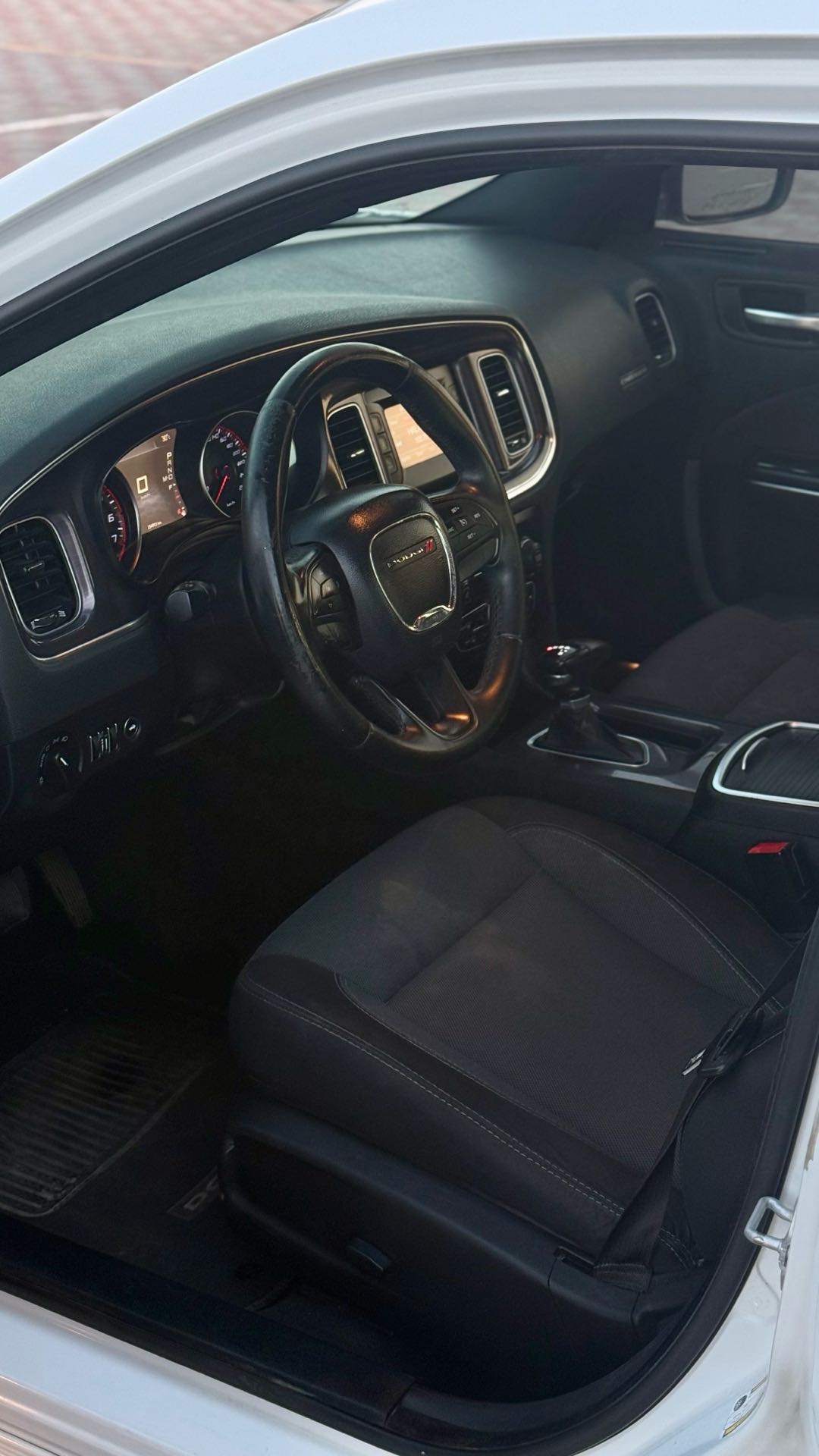
The 2015 Dodge Charger SE interior represents a pivotal moment in the vehicle's history, bridging the gap between utilitarian fleet-style configurations and modern, driver-centric cockpit designs. When Dodge rolled out the heavily refreshed 2015 Charger, the base SE trim received a complete cabin overhaul alongside its exterior facelift. This evolution touched everything from dashboard geometry and gauge clusters to upholstery options, infotainment technology, and structural ergonomics, establishing a baseline that influenced subsequent model years.
Historical Context and the 2015 Facelift Genesis
To understand the 2015 Dodge Charger SE interior timeline, one must look at the vehicle's background leading up to that model year. The seventh-generation Charger debuted for the 2011 model year, bringing back sculpted body lines and a heavily revised cabin that replaced the polarizing, utilitarian plastics of the 2006-2010 models. However, critics and consumers frequently noted that the 2011-2014 interior still suffered from hard plastics, uninspired center stacks, and a somewhat dated instrument cluster.
For the 2015 model year, Dodge implemented a mid-cycle refresh that went far beyond mere sheet metal changes. The design team, led by Ralph Gilles and his interior styling group, sought to inject a driver-focused, premium aesthetic even into the entry-level SE trim. Drawing heavy inspiration from the iconic 1969 Charger, the interior layout adopted a wrapped, cockpit-style dashboard. This transition marked a departure from the blocky, squared-off architecture of the previous four years, introducing flowing lines, premium soft-touch surfaces, and an entirely new electronics ecosystem powered by Uconnect.
Phase One: Pre-Production and Concept Announcements (Late 2013 to Mid-2014)
The timeline of the 2015 Charger SE interior officially began taking public shape months before vehicles reached showroom floors.
- Design Sign-Off (Late 2013): Dodge finalized the driver-centric cockpit layout, transitioning away from the crosshair-inspired center stack of the 2011-2014 models toward an asymmetrical, asymmetrical driver-oriented pod configuration.
- New Steering Wheel Introduction (Early 2014): Engineers integrated a thick-rimmed, three-spoke steering wheel featuring integrated paddle shifters (though standard on automatic SE models, the layout changed to accept electronic shifter inputs) and reorganized cruise, audio, and Bluetooth controls.
- The New York International Auto Show Reveal (April 2014): Dodge officially pulled the sheet off the refreshed 2015 Charger. While much of the press focused on the aggressive new front fascia and rear LED racetrack lighting, interior reveals highlighted the brand-new 7-inch reconfigurable digital cluster display and the upgraded 5-inch Uconnect touchscreen standard on the SE trim.
Phase Two: Manufacturing Launch and Showroom Arrival (Summer to Fall 2014)
Production of the 2015 Dodge Charger SE commenced in the summer of 2014 at FCA’s Brampton Assembly Plant in Ontario, Canada. The integration of the new interior architecture required retooling assembly lines to accommodate more complex wiring harnesses, soft-touch dashboard skins, and advanced electronic modules.
- Assembly Line Integration (July–August 2014): Workers began assembling the new one-piece instrument panel carrier. Unlike the multi-piece bolted assembly of the 2011-2014 models, the 2015 dashboard utilized a seamless injection-molded core covered in premium grain textures designed to mimic stitched leather, even on the base SE.
- First Deliveries and Fleet Allocations (October–November 2014): Early production models hit dealership lots and fleet hubs. Because the SE served as the primary entry-level and police-adjacent trim, interior durability tests were heavily scrutinized. The cloth bucket seats introduced a new Houndstooth-style or premium knit fabric weave engineered to withstand high-wear usage while offering enhanced lateral bolstering compared to older flat-bottom seats.
Architectural Breakdown of the 2015 Charger SE Cabin
The 2015 Dodge Charger SE interior introduced several distinct ergonomic and technological zones that defined its day-to-day living experience. Analyzing these zones clarifies why this specific year represents a watershed moment for the nameplate.
Driver Cockpit and Instrument Cluster
The focal point of the 2015 SE interior is the redesigned instrument cluster. Dodge replaced the traditional analog gauges with a dual-pod analog setup flanking a standard 7-inch reconfigurable Thin Film Transistor (TFT) customizable cluster display.
- Customization: Drivers could use steering wheel-mounted controls to toggle through vehicle diagnostics, fuel economy readouts, turn-by-turn navigation prompts, and digital speedometer layouts.
- Ergonomics: The steering column featured manual tilt and telescoping adjustments, ensuring that drivers of varying statures could achieve an optimal driving position relative to the newly angled center console.
Center Stack and Infotainment Evolution
Even at the base SE tier, the 2015 model eliminated the small, outdated screen options of the past.
- Uconnect 5.0: The SE featured a standard 5.0-inch touchscreen display integrated seamlessly into the center stack bezel. This system handled Bluetooth streaming, hands-free calling, climate controls, and vehicle settings.
- Rotary Dials and Hard Buttons: Recognizing that touch-only controls frustrate drivers, Dodge retained tactile, rubberized rotary knobs for climate control temperature and audio volume, flanked by ergonomic toggle switches for hazard lights and traction control.
- Electronic Shifter: The mechanical shift lever was replaced by a modern, leather-wrapped electronic shifter (often referred to as a "monostable" shifter), which provided precise, short-throw shifting for the standard TorqueFlite 8-speed automatic transmission.
| Model Year Range | Standard Infotainment Screen | Cluster Technology | Dashboard Material Quality | Steering Wheel Design |
|---|---|---|---|---|
| 2011–2014 | 4.3-inch Uconnect (Base) | Dual analog dials with basic monochrome text display | Hard plastics with minimal texturing | 4-spoke bulky steering design |
| 2015 | 5.0-inch Uconnect touchscreen | Dual analog dials with 7-inch TFT color reconfigurable display | Soft-touch grain textured instrument panel carrier | 3-spoke performance-contoured steering wheel |
Materials, Comfort, and Interior Dimensions
Despite being the entry-level trim, the 2015 Dodge Charger SE maintained the full-size sedan's immense spatial advantages. Built on a generous 120.4-inch wheelbase, the cabin offered class-leading interior volume, making it a favorite for families and long-distance commuters alike.
Seating and Upholstery
The SE came standard with premium Houndstooth cloth front bucket seats.
- Support: Engineers increased foam density in the seat bolsters and redesigned the seat frames to reduce fatigue during extended road trips.
- Adjustability: Standard configurations included manual 6-way driver seat adjustment with 2-way power lumbar support, while passenger seating relied on manual adjustments.
- Rear Accommodations: The 60/40 split-folding rear bench seat offered ample legroom (40.1 inches) and headroom, comfortably seating three adults across while incorporating rear-seat climate vents and dual USB charging ports in later production runs and package upgrades.
Storage and Practicality
The center console was deepened and widened to accommodate larger items, featuring a rubberized storage tray, a 12-volt power outlet, and an auxiliary/USB media hub hidden beneath the armrest lid. Dual front cup holders featured ambient ring lighting (depending on optional packages), and deep door pockets could easily hold large water bottles and maps.
Phase Three: Long-Term Reception and Post-2015 Legacy (2016–Present)
Following its launch, the interior layout established in the 2015 model year proved so successful that Dodge carried its core architecture forward largely unchanged through the remainder of the vehicle's production run.
- Software Updates (2016–2017): While the physical dashboard architecture remained identical, subsequent years saw the integration of updated Uconnect software versions, improving processing speeds and adding smartphone integration compatibility (Apple CarPlay and Android Auto became widely integrated across higher trims, though base SE units occasionally required specific radio upgrades).
- Trim Consolidation (Later Years): Dodge eventually phased out the "SE" nomenclature in favor of streamlined trim hierarchies, but the design language—the driver-focused cockpit, the 7-inch cluster, and the wrap-around dashboard—remained the direct descendant of the 2015 refresh.
Common Interior Wear Points and Maintenance Considerations
For owners and prospective buyers evaluating a used 2015 Dodge Charger SE, understanding how the interior ages provides crucial practical value.
- Electronic Shifter Calibration: The electronic shifter module occasionally required software flashes or calibration checks if drivers experienced issues registering park or drive positions.
- Uconnect Screen Delamination: Like many FCA vehicles of this era using early touchscreen hardware, some units experienced bubbling or "ghost touching" due to adhesive breakdown under extreme heat. Replacing or upgrading the screen assembly remains a common aftermarket fix.
- Driver Seat Bolster Wear: Due to the aggressive bolstering introduced in 2015, the outer fabric edge of the driver's seat is prone to friction wear from daily entry and exit. Preventive conditioning of the fabric and regular cleaning help preserve the material.
Conclusion
The 2015 Dodge Charger SE interior timeline illustrates a masterclass in mid-cycle refreshes. By transitioning a full-size, value-oriented base model into a driver-focused, tech-forward cockpit, Dodge ensured that the Charger appealed not just to muscle car enthusiasts, but to everyday sedan buyers seeking comfort, modern electronics, and timeless layout ergonomics. Its blend of tactile controls, a massive 7-inch digital cluster, and cavernous passenger space solidified its status as a high-water mark for base-trim automotive design.