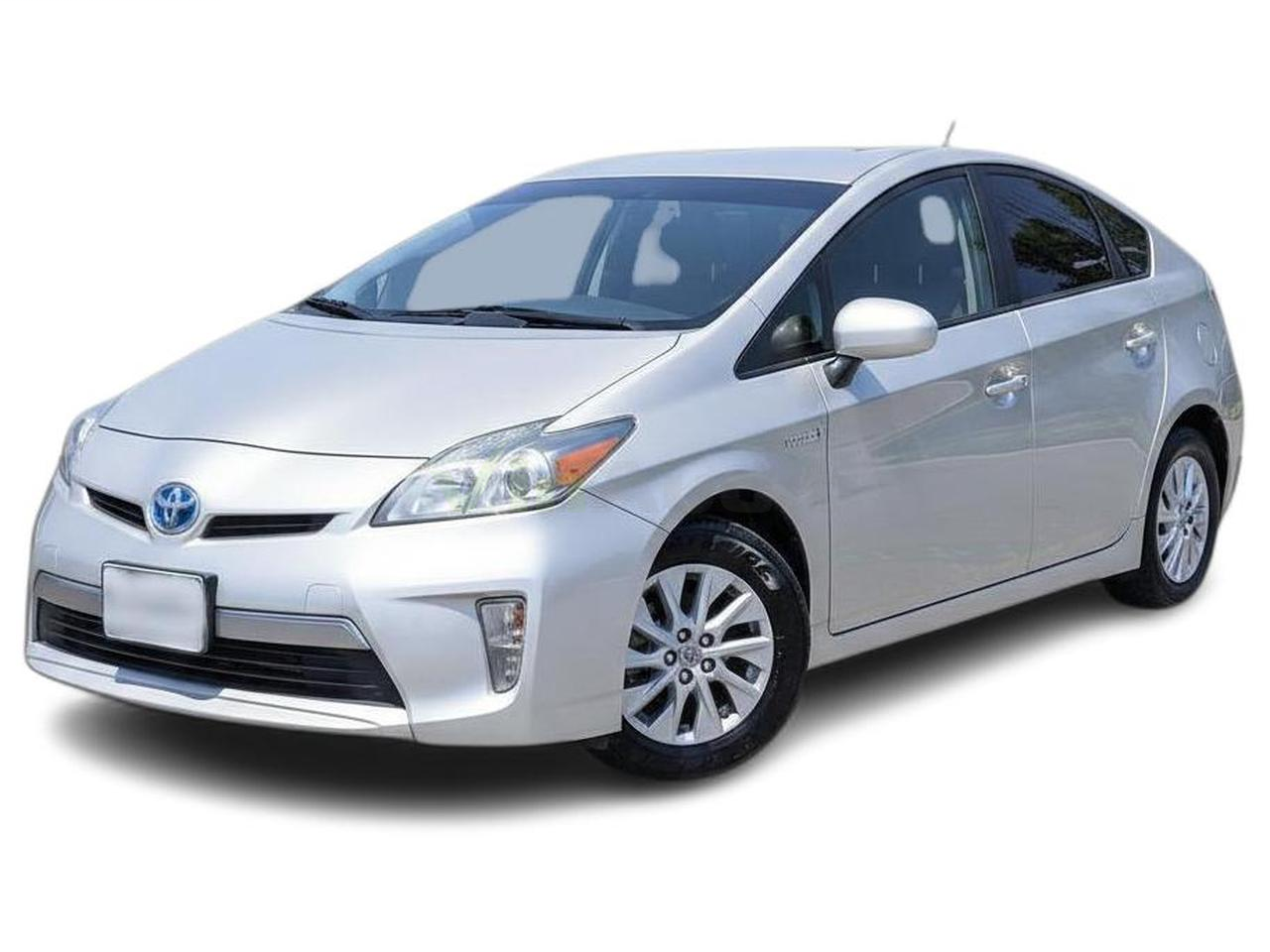
The 2013 Toyota Prius remains a highly practical used vehicle in 2026, offering exceptional fuel efficiency (50 MPG combined) and legendary mechanical durability. While aging infotainment and potential hybrid battery replacements are significant factors, its low operating costs and massive cargo space make it a premier choice for budget-conscious commuters and high-mileage drivers.
Evolution of the Third Generation Prius
By the 2013 model year, the third-generation Toyota Prius (internal code XW30) had reached a state of relative maturity. Having debuted in 2010 and received a mid-cycle refresh in 2012, the 2013 version benefited from several iterative improvements in interior materials, sound deadening, and electronic stability. In the landscape of 2026, this vehicle represents a "sweet spot" for buyers who want a proven hybrid platform without the complexity of modern large-screen infotainment systems or the high entry price of newer models.
The 2013 Prius was built on the Toyota New MC platform, designed to maximize interior volume while maintaining a low drag coefficient of 0.25. This aerodynamic efficiency is not just a marketing statistic; it is the primary reason the car remains competitive with much newer vehicles in terms of highway fuel economy. Even thirteen years after its release, few non-hybrid vehicles can match the Prius's ability to slip through the air, reducing wind noise and fuel consumption simultaneously.
Performance and Hybrid Synergy Drive
The heart of the 2013 Prius is the 1.8-liter 2ZR-FXE four-cylinder engine operating on the Atkinson cycle. Unlike a standard Otto cycle engine, the Atkinson cycle leaves the intake valve open longer during the compression stroke, allowing for greater thermal efficiency at the cost of some low-end torque. Toyota compensates for this lack of torque using two electric motors integrated into the Hybrid Synergy Drive (HSD) system.
The total system output is 134 horsepower. While this figure sounds modest by 2026 standards, the instantaneous torque provided by the electric motors makes the car feel adequately "peppy" during city driving and stop-and-go traffic. The Power Split Device, a planetary gearset that replaces a traditional transmission, provides a smooth, shift-free experience. However, under heavy acceleration—such as merging onto a highway—the engine can become quite vocal as it holds a high-RPM drone to provide maximum power.
Fuel Economy Realities in 2026
The EPA originally rated the 2013 Prius at 51 MPG city and 48 MPG highway. In real-world conditions in 2026, many owners find that high-mileage units still achieve mid-to-high 40s. Efficiency can be impacted by the health of the hybrid battery and the condition of the Low Rolling Resistance (LRR) tires. If a used Prius is fitted with standard all-season tires rather than LRR variants, expect a 2–4 MPG penalty.
Interior Comfort and Utility
The interior of the 2013 Prius is a study in functional design, characterized by its "flying buttress" center console. This elevated bridge puts the gear selector and climate controls within easy reach while providing a large storage bin underneath.
Space and Ergonomics
The Prius is technically a mid-size car according to the EPA, and it feels like it. Rear-seat legroom is generous enough for adult passengers, and the hatchback design offers 21.6 cubic feet of cargo space. When the 60/40 split rear seats are folded flat, the Prius can accommodate surprisingly large items, rivaling some small crossovers.
In 2026, the interior materials may show their age. Toyota used a significant amount of "Ecofine" plant-derived plastics in the 2013 model. While environmentally friendly, these plastics are hard to the touch and can develop rattles over time. Prospective buyers should check for wear on the "SofTex" synthetic leather (available on higher trims), which generally holds up better than real leather but can crack if not maintained.
Dated Technology
The 2013 Entune infotainment system is the most significant reminder of the car's age. The small touchscreen, lack of Apple CarPlay/Android Auto, and slow response times are starkly different from modern interfaces. Most 2026 owners opt to install an aftermarket double-DIN head unit to bring modern smartphone connectivity to the cabin, which is a relatively straightforward upgrade for this specific model.
Critical Maintenance and Common Issues
Buying a 2013 Prius in 2026 requires an understanding of its specific mechanical vulnerabilities. While Toyota's reputation for reliability is well-earned, thirteen years of service life will inevitably lead to wear.
The Hybrid Battery (Traction Battery)
The nickel-metal hydride (NiMH) battery pack in the 2013 Prius typically lasts between 10 and 15 years or roughly 150,000 to 200,000 miles. By 2026, many original batteries are reaching the end of their chemical life.
- Signs of Failure: Frequent internal combustion engine (ICE) cycling, rapid fluctuations on the battery state-of-charge gauge, and the "Red Triangle of Death" on the dashboard.
- Cost: In 2026, replacement options range from refurbished packs ($1,000–$1,500) to new OEM units ($2,000–$2,800). This should be viewed as a "maintenance item" rather than a catastrophic failure.
Engine Concerns: Oil Consumption and Head Gaskets
The 2013 model year included updated piston rings compared to the 2010–2011 models, which significantly reduced oil burning issues. However, high-mileage engines may still consume some oil. Owners should check oil levels every 1,000 miles.
A more serious concern for Gen 3 Prius models is the Exhaust Gas Recirculation (EGR) system. Over time, the EGR cooler and valve can become clogged with carbon soot. If left uncleaned, this leads to engine knocking, which eventually causes the head gasket to fail. In 2026, any 2013 Prius with over 120,000 miles should have its EGR system inspected and cleaned to prevent a multi-thousand-dollar engine repair.
The Brake Actuator and Booster
The 2013 Prius uses an electronically controlled braking system. The brake actuator and booster assembly are known to fail on some units, characterized by a barking or wheezing sound from the engine bay and a stiff brake pedal. Toyota previously offered extended warranty coverage for this, but those programs have largely expired by 2026. A replacement can be expensive ($1,500+), making it a critical inspection point.
2013 Prius Trim Levels and Features
Toyota offered the 2013 Prius in several numbered trim levels, alongside a special "Persona Series" edition. Understanding these trims is essential for determining used market value.
| Trim Level | Key Features | Notable Upgrades |
|---|---|---|
| Prius Two | Basic Entry | Cruise control, keyless entry (driver door only), 15-inch wheels. |
| Prius Three | Tech Focus | Navigation, Entune App Suite, Rearview camera, Smart Key on three doors. |
| Prius Four | Luxury Comfort | SofTex heated seats, Power driver’s seat, JBL Premium Audio, Auto-dimming mirror. |
| Prius Five | Performance/Tech | 17-inch alloy wheels, LED Headlamps, Fog lamps, optional Advanced Tech package. |
| Persona Series | Aesthetic Special | 17-inch dark finish wheels, Charcoal SofTex with black accents, unique badges. |
The Advanced Technology Package (available only on the Prius Five) is a rare find in 2026. It included early versions of Adaptive Cruise Control, Lane Keep Assist, and a Pre-Collision System. While primitive compared to modern TSS (Toyota Safety Sense), these features add a layer of safety that was ahead of its time in 2013.
Safety and Crash Test Ratings
The 2013 Toyota Prius was an IIHS Top Safety Pick. It performed well in moderate overlap front, side, and roof strength tests. However, it received a "Small" rating in the then-new Small Overlap Front test, which simulates hitting a pole or tree with the front corner of the vehicle.
Standard safety equipment includes:
- Seven airbags (including a driver's knee airbag).
- Anti-lock brakes (ABS) with Electronic Brakeforce Distribution.
- Stability Control (VSC) and Traction Control.
- Smart Stop Technology, which reduces engine power when the brake and accelerator are pressed simultaneously.
Cost of Ownership in 2026
The primary appeal of a 2013 Prius today is the Total Cost of Ownership (TCO). Maintenance is generally limited to 10,000-mile synthetic oil changes and long-life coolant flushes. Because the hybrid system uses regenerative braking, the physical brake pads and rotors can last 100,000 miles or more, provided the calipers are serviced to prevent seizing in salt-belt climates.
Insurance premiums for the 2013 Prius are typically low, reflecting its status as a safe, non-sporty vehicle. Furthermore, as a Partial Zero Emission Vehicle (PZEV) in certain states, it may still benefit from minor local registration incentives or emissions test exemptions depending on jurisdictional rules in 2026.
Frequently Asked Questions
Is the 2013 Prius still a good buy in 2026?
Yes, provided the vehicle has a documented service history. It is one of the most reliable vehicles produced in that era. The main caveat is the age of the hybrid battery. If the battery has already been replaced by a previous owner, the car's value increases significantly.
How many miles can a 2013 Prius last?
With proper maintenance, specifically regarding the EGR system and oil changes, these vehicles regularly exceed 300,000 miles. Many are used in taxi and ride-share fleets worldwide, which is a testament to their durability under harsh conditions.
Can I drive the 2013 Prius if the hybrid battery dies?
No. The Prius cannot operate as a traditional gasoline car if the hybrid battery fails completely. The hybrid battery is required to start the engine and to provide the necessary counter-torque within the transmission. If the battery is weak, the car may run in a "limp mode" with severely reduced power, but total failure will leave the vehicle undrivable.
Does the 2013 Prius have Bluetooth?
Yes, all trims of the 2013 Prius came standard with Bluetooth hands-free calling and music streaming. However, the interface is dated, and it may struggle to sync with some 2026 smartphone operating systems for advanced features like contact syncing.
What is the difference between the 2013 Prius and the Prius v or Prius c?
The standard Prius (Liftback) is the subject of this review. The Prius v is a larger wagon version with more cargo space but lower fuel economy (approx. 42 MPG). The Prius c is a smaller, subcompact hatchback designed for city use with a less powerful 1.5L engine and simpler interior.
Final Recommendation for Buyers
The 2013 Toyota Prius is an excellent choice for individuals prioritizing utility and low running costs over driving excitement or modern aesthetics. In 2026, it serves as an ideal "first car" for students, a reliable secondary vehicle for families, or a high-efficiency tool for long-distance commuters.
Before purchasing, prioritize a Pre-Purchase Inspection (PPI) that includes a specialized hybrid battery health test. Ensure the EGR system has been cleaned and check for signs of coolant leaks near the exhaust manifold. If these specific areas are addressed, the 2013 Prius is likely to provide several more years of trouble-free, high-MPG service.