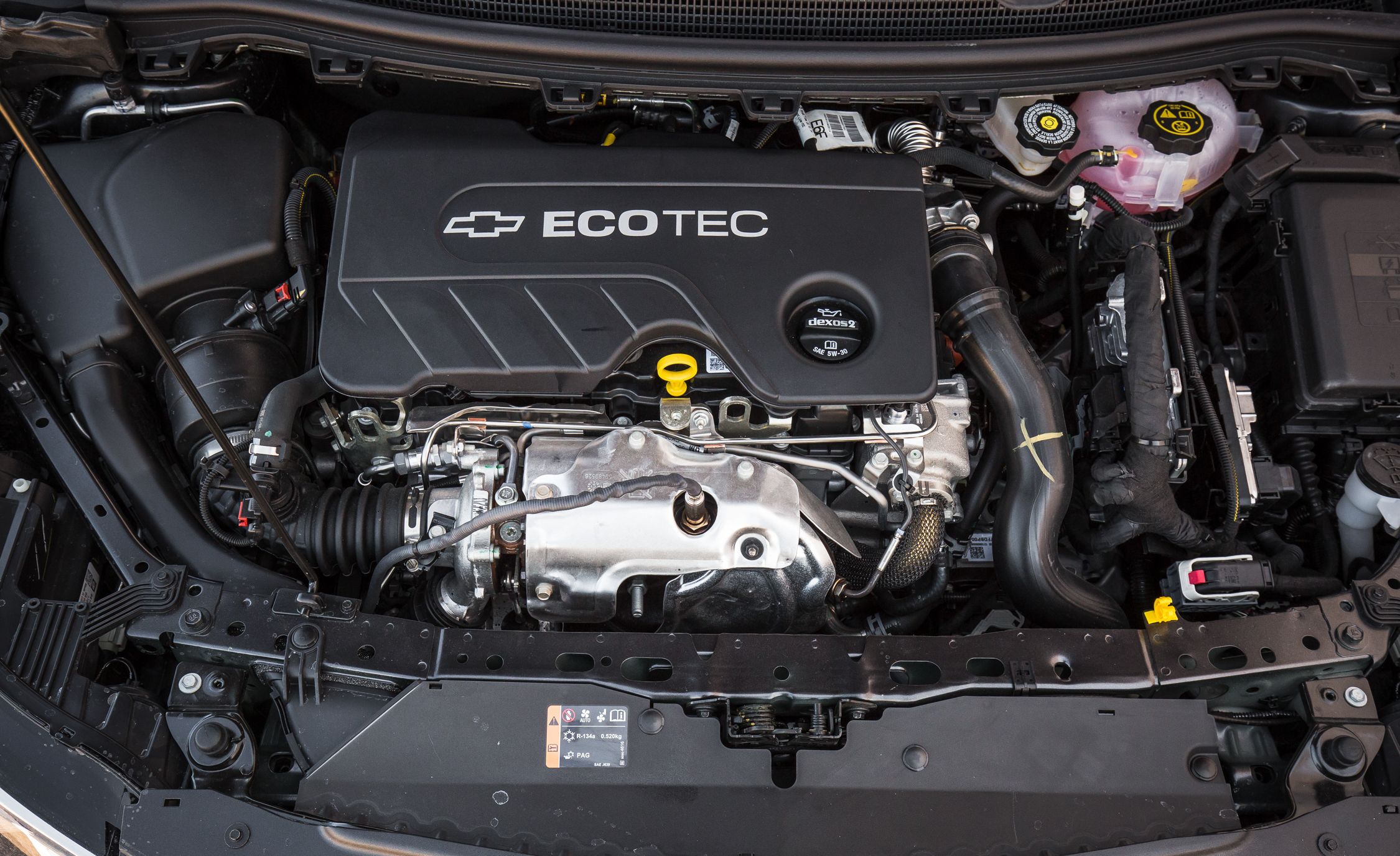
The 2011 Chevrolet Cruze LT is equipped with a 1.4L Ecotec turbocharged inline-four engine, delivering 138 horsepower and 148 lb-ft of torque. Designed for fuel efficiency and daily commuting, this engine requires diligent maintenance—specifically regarding the cooling system, PCV valve, and turbocharger longevity—to remain reliable over its lifespan.
The 2011 model year marked the debut of the Chevrolet Cruze in the North American market, replacing the Cobalt. As a "global car," the Cruze was engineered to meet a variety of international standards, but the specific powertrain configuration of the LT trim level became the benchmark for the model's reliability profile. Understanding this engine requires a deep dive into its mechanical architecture, common failure points, and the necessary upkeep to ensure the vehicle remains roadworthy in 2026.
Engine Architecture: The 1.4L LUJ Turbo
The heart of the 2011 Chevrolet Cruze LT is the LUJ engine, part of the General Motors Ecotec family. This engine was a significant departure from the naturally aspirated powerplants found in older small-displacement GM vehicles. By utilizing a small-frame turbocharger, Chevrolet aimed to provide the low-end torque of a larger engine with the fuel economy of a four-cylinder.
Key Specifications
The LUJ engine features a cast-iron block for durability and an aluminum cylinder head to minimize weight and improve heat dissipation. It uses a dual overhead camshaft (DOHC) design with four valves per cylinder and variable valve timing (VVT). The integration of the turbocharger directly into the exhaust manifold assembly was a space-saving measure, though this placement creates high thermal loads that demand high-quality synthetic oil to prevent "coking"—a process where oil degrades and clogs the oil feed lines.
Critical Maintenance Requirements
To ensure the longevity of a 2011 Cruze LT, owners must adhere to a strict maintenance schedule. Because the engine is forced-induction, it is more sensitive to thermal stress than non-turbo engines.
Oil Changes and Lubrication
Using full synthetic oil is not optional for the 1.4L turbo engine. Conventional or synthetic-blend oils may break down prematurely under the heat generated by the turbocharger. Owners should adhere to a 5,000 to 7,000-mile interval, even if the vehicle’s Oil Life Monitor (OLM) suggests a longer period. The turbo’s internal bearings rely on a consistent flow of clean oil to prevent premature wear.
Cooling System Integrity
The 2011 Cruze is notorious for cooling system issues. The plastic components, specifically the water outlet (also known as the thermostat housing) and the coolant reservoir tank, are prone to cracking or leaking over time. By 2026, many original cooling components will have already been replaced, but if a vehicle you are inspecting still features the original parts, they should be considered a "time bomb" and replaced preemptively to avoid an engine-killing overheat.
The PCV System Dilemma
Perhaps the most significant technical challenge for the 2011 Cruze LT engine is the Positive Crankcase Ventilation (PCV) system. The intake manifold contains a check valve that is prone to failure. When this valve fails, it can cause excessive pressure in the crankcase, leading to blown valve cover gaskets, oil leaks, and eventually damage to the crankshaft seals. Diagnosing a failing PCV system early—often evidenced by an audible whistle or an oil leak at the crankshaft seal—can save an engine from catastrophic failure.
Comparison of Key Component Lifespans
| Component | Expected Service Interval/Lifecycle | Symptom of Failure |
|---|---|---|
| Timing Belt/Chain | 100,000 - 120,000 miles | Timing slack, rough idle |
| PCV Check Valve | 60,000 - 80,000 miles | Whistling sound, oil leaks |
| Coolant Reservoir | 50,000 - 70,000 miles | Coolant odor, low coolant light |
| Turbocharger Unit | 120,000+ miles | Power loss, blue smoke |
| Spark Plugs | 60,000 miles | Engine misfire, poor economy |
Addressing Common Troubleshooting Scenarios
When a 2011 Cruze LT experiences issues, the check engine light (CEL) usually triggers a diagnostic trouble code (DTC). Because the engine relies heavily on sensor data for air-fuel ratios, do not ignore these alerts.
Understanding Misfires (P0300-P0304)
If you experience a stutter or hesitation under load, the ignition coil pack is the most common culprit. The 2011 Cruze LT utilizes an "electronic ignition module" (coil rail) that sits directly on top of the spark plugs. This unit is exposed to intense engine bay heat and is a known wear item. If you replace the coil pack, always replace the spark plugs at the same time to ensure the new coil functions optimally.
Turbocharger Performance Issues
If the engine feels "sluggish" or lacks the expected pull, check the wastegate actuator and the bypass valve. Over the years, the rubber diaphragm within the bypass valve can tear, leading to a loss of boost pressure. This results in the turbo "spinning" but failing to compress the intake air effectively.
Coolant Leaks
If you notice the scent of maple syrup (the distinct smell of Dex-Cool coolant) inside or outside the cabin, inspect the radiator side tanks and the water outlet housing on the driver’s side of the engine. A low coolant level will trigger a sensor on the dash, but waiting for the light to turn on is often waiting until the system is already dangerously low.
Longevity and Ownership in 2026
By 2026, the youngest 2011 Chevrolet Cruze LT is 15 years old. The viability of this engine today depends entirely on how the previous owners managed the heat-sensitive components mentioned above. When purchasing or maintaining one of these vehicles, prioritize vehicles with documented service history showing recent cooling system overhauls and consistent oil changes.
If you are currently experiencing "oil consumption," it is vital to check the turbo return line and the valve cover gasket. Often, what appears to be "burning oil" is actually a series of small, manageable leaks that have accumulated over time due to high crankcase pressure caused by the aforementioned PCV valve failure.
Frequently Asked Questions
1. Is the 2011 Cruze LT engine reliable? It is moderately reliable if maintained properly. It is not a "set it and forget it" engine; it requires awareness of its specific cooling and ventilation flaws. If the PCV system is updated and the cooling system is kept in good repair, the engine block itself is capable of high mileage.
2. What type of oil should I use for the 2011 Cruze 1.4L Turbo? You must use a full synthetic oil that meets the dexos1 Gen 3 specification. This ensures the oil has the thermal stability required to protect the turbocharger bearings from overheating and forming deposits.
3. Why do I hear a whistling sound from the engine bay? A whistling sound is almost always indicative of a failed PCV check valve within the intake manifold. This draws air through the seals, creating a vacuum leak and an audible high-pitched whistle. It should be addressed immediately to prevent further oil seal damage.
4. How often should the spark plugs be changed? Chevrolet recommends changing the spark plugs every 60,000 miles. Because this is a turbocharged engine, worn plugs can lead to "knocking" or pre-ignition, which can cause significant damage to the pistons over time.
5. Is it worth repairing a turbocharger on a 2011 Cruze? By 2026, many aftermarket remanufactured turbo units are available at reasonable costs. If the engine internals are sound, replacing a failing turbo is often a cost-effective way to extend the life of the vehicle, provided the cause of the turbo failure (such as an oil blockage) is corrected.
Final Recommendation
To keep your 2011 Chevrolet Cruze LT running effectively, adopt a proactive replacement strategy. Do not wait for the cooling system or the PCV system to fail on the side of the road. If the car has over 100,000 miles and these components have not been replaced, consider performing a "refresh" of the cooling hoses, thermostat housing, and the PCV valve assembly. By staying ahead of these known failure points, you can preserve the performance of the Ecotec 1.4L engine for many more years of service.