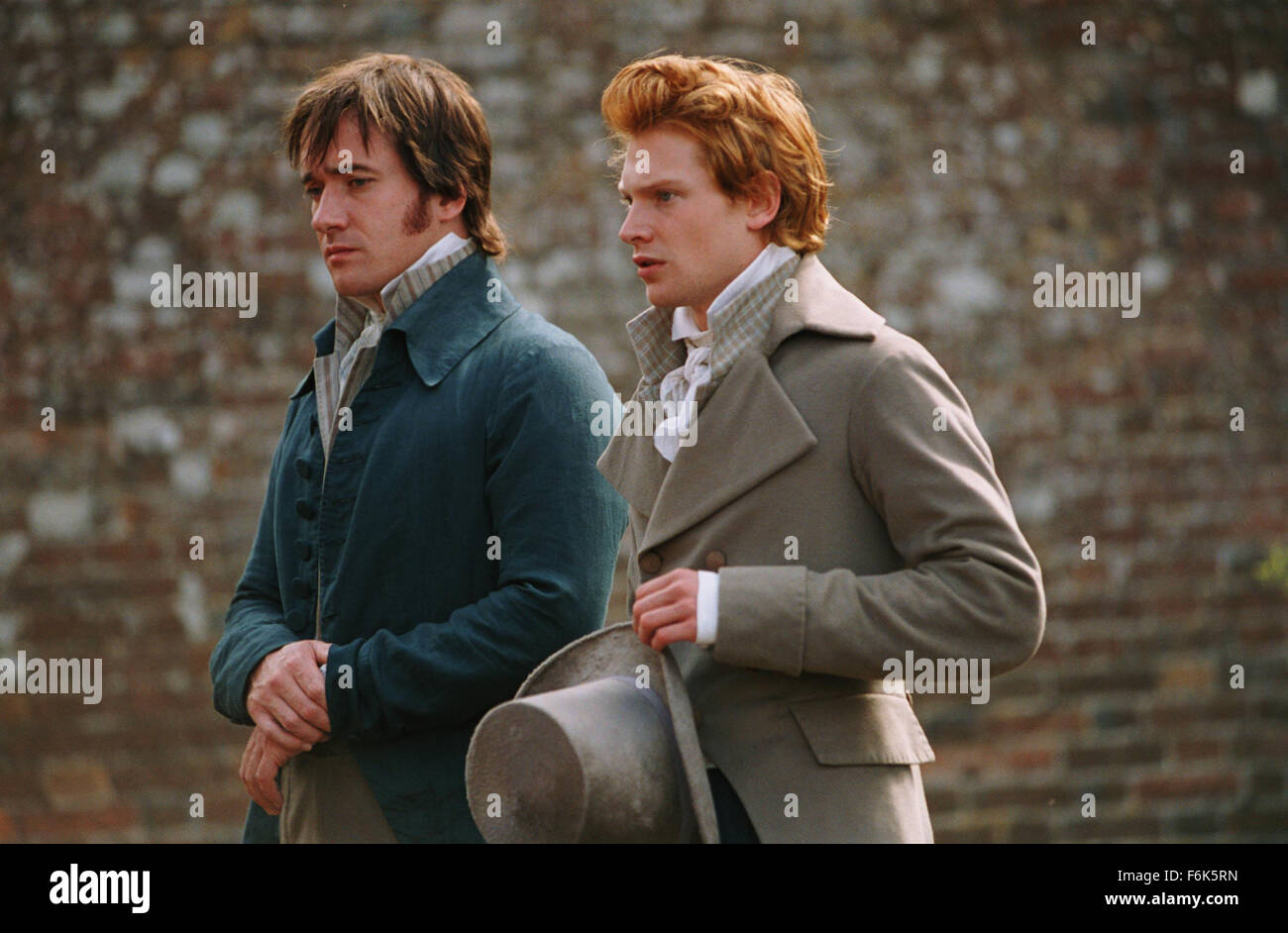
The 2005 adaptation of Jane Austen’s Pride & Prejudice, directed by Joe Wright, redefined the visual and emotional landscape of period drama. At the center of its vibrant ensemble is Charles Bingley, brought to life by British actor Simon Woods. His casting choices and the subsequent cultural echoes reflect a distinct shift away from rigid television formality toward a more naturalistic, romanticized, and youth-driven aesthetic in cinematic adaptations of classic literature.
Introduction to the 2005 Adaptation and Cinematic Context
When Joe Wright took the helm of Working Title Films' 2005 adaptation of Pride & Prejudice, the shadow of the definitive 1995 BBC television serial loomed large. For a decade, Colin Firth’s brooding Mr. Darcy and Crispin Bonham-Carter’s amiable Mr. Bingley set the standard for small-screen adaptations. Wright, however, sought to strip away the museum-piece formality that often defined Austen adaptations on screen. He envisioned a sweatier, more tactile 18th-century England—one that captured the raw energy of rural youth, muddy hems, bustling country dances, and natural sunlight.
To achieve this tonal shift, the casting process prioritized actors who could embody organic charm over theatrical stiffness. Simon Woods stepped into the role of Charles Bingley, bringing a distinct physical and psychological interpretation to the character. Rather than playing Bingley as a mere walking wallet or a generic, smiling cipher, Woods infused him with an eager, boyish vulnerability. This choice was foundational to Wright's directorial vision, anchoring the film's exploration of class mobility, youthful impulse, and emotional sincerity.
Character Conception: Who Is Charles Bingley in Austen's Canon?
In Jane Austen's 1813 novel, Charles Bingley is characterized by his cheerful disposition, unpretentious manners, and genuine fondness for others. Unlike his haughty sister Caroline and his fiercely proud friend Fitzwilliam Darcy, Bingley lacks snobbery. His fortune, newly acquired through trade rather than inherited through ancient lineage, places him in a delicate social position within the landed gentry, making him an attractive yet vulnerable catch for ambitious mothers like Mrs. Bennet.
Key Literary Traits of Charles Bingley
- Affability: He is universally liked for his pleasant manners and willingness to dance with everyone at a ball.
- Pliancy: He is easily influenced by the opinions of those he trusts, most notably Mr. Darcy and his sisters.
- Optimism: He views the world and people around him through an inherently generous lens, blinding him initially to malicious motivations.
Translating these traits to the screen requires an actor who can project effortless warmth without appearing simple-minded. Previous iterations often leaned too heavily into caricature, presenting Bingley as a perpetually grinning lightweight. The 2005 production sought to ground him in a more believable social reality, highlighting the genuine affection between him and Jane Bennet, played by Rosamund Pike.
The Casting Process: Selecting Simon Woods
The search for the 2005 Mr. Bingley required finding an actor who possessed a specific blend of privileged ease and open-hearted sincerity. Simon Woods, a Cambridge graduate with classical theater training, entered the production with credits in television and stage work. His physical appearance—bright eyes, expressive features, and a slightly disheveled elegance—aligned perfectly with Joe Wright’s visual mandate to move away from powdered wigs and immaculate cravats.
Woods’s chemistry with Rosamund Pike was a primary driver in his selection. In romantic comedies and dramas alike, the central romance often commands the spotlight, but the secondary romance between Bingley and Jane serves as the emotional baseline of Pride & Prejudice. While Elizabeth and Darcy spar with intellectual and emotional armor, Bingley and Jane connect through an immediate, unshielded gentleness. Woods projected this transparency effortlessly, making his sudden, coerced departure from Netherfield Park feel genuinely tragic rather than merely plot-convenient.
| Adaptation Year | Medium | Mr. Actor | Directorial / Stylistic Focus |
|---|---|---|---|
| 1980 | BBC TV Series | Terry Wilts | Faithful, theatrical, stage-bound television production style. |
| 1995 | BBC TV Serial | Crispin Bonham-Carter | Polished, upper-class gentility, emphasizing social decorum. |
| 2005 | Feature Film | Simon Woods | Naturalistic, youth-driven, tactile, and emotionally vulnerable. |
| 2016 | Feature Film | Douglas Booth | Satirical, stylized mashup (Pride and Prejudice and Zombies). |
Cultural Echoes: Redefining the Regency Gentleman
The casting of Simon Woods as Mr. Bingley contributed significantly to the broader cultural impact of the 2005 film. By modernizing the emotional beats of the character while retaining historical costume and setting, the film resonated deeply with a new generation of viewers who found traditional period dramas inaccessible.
Shifting Notions of Masculinity on Screen
Historically, cinematic depictions of Regency gentlemen relied on stoicism, emotional restraint, and severe authority. Woods’s Bingley challenged this by validating emotional openness. His character cries, panics, blushes, and displays unbridled joy without losing his status as a gentleman. This representation helped pave the way for a more sensitive archetype of period-drama masculinity in the 21st century, where vulnerability is not coded as weakness.
The Visual and Aesthetic Legacy
Joe Wright’s stylistic choices—handheld cameras, natural lighting, and long tracking shots—depended heavily on actors who could move through spaces naturally. Woods’s performance fit seamlessly into this documentary-style framing of historical fiction. The cultural echo of this approach can be seen in subsequent historical romances, which increasingly favored gritty realism and youthful ensemble casts over stiff, theatrical stagings.
Fan Reception and Critical Appraisal
Upon its release, the 2005 film polarized purists while winning over mainstream audiences and critics. While some Austen traditionalists objected to the liberties taken with the source material's social etiquette—such as the casual atmosphere of the Bennet household and the mud-splattered interiors—Simon Woods’s portrayal of Bingley received widespread praise.
Critics noted that Woods managed to make a character who is often overshadowed by the turbulent chemistry of Darcy and Elizabeth feel vital and compelling. His performance highlighted the cruelty of the class pressures that separated him from Jane, giving emotional weight to a subplot that can sometimes feel perfunctory. Fan communities online quickly embraced his earnest portrayal, cementing his version of Bingley as a beloved benchmark in modern Austen fandom.
Common Misconceptions Regarding the 2005 Supporting Cast
When analyzing period adaptations, viewers often attribute directorial choices solely to the actors, overlooking the collaborative machinery of casting directors (such as Jina Jay in this production) and screenwriters (such as Deborah Moggach).
- Misconception: Simon Woods was cast purely for his physical resemblance to historical portraits of Regency youths.
- Reality: While his aesthetic fit Wright's vision, his audition emphasized comedic timing and emotional openness, particularly in scenes depicting social awkwardness and infatuation.
- Misconception: The character of Bingley was significantly rewritten from the novel to appeal to modern audiences.
- Reality: The core traits of Bingley—his good nature, susceptibility to Darcy's influence, and genuine love for Jane—remain faithful to Austen's text, though compressed to fit a two-hour feature film runtime.
Summary of Impact and Subsequent Roles
Simon Woods’s portrayal of Charles Bingley remains a defining element of the 2005 Pride & Prejudice. By balancing privilege with profound emotional accessibility, he helped anchor a film that continues to influence how classic literature is adapted for contemporary audiences. The casting choice proved that breathing new life into old characters does not require subverting their core identities, but rather finding the human truth within them.
For viewers revisiting the film or exploring the broader history of Austen adaptations, understanding the casting choices provides a window into the evolving cultural tastes of the 21st century.
Frequently Asked Questions
Who played Mr. Bingley in the 2005 movie?
British actor Simon Woods played Charles Bingley in Joe Wright's 2005 feature film adaptation of Pride & Prejudice. He is widely recognized for this role, as well as subsequent television work before transitioning into corporate writing and journalism.
How does the 2005 Mr. Bingley differ from the 1995 version?
While Crispin Bonham-Carter’s 1995 Bingley leaned into polished upper-class gentility and traditional BBC period-drama restraint, Simon Woods’s 2005 portrayal emphasized youthful vulnerability, physical naturalism, and an unshielded emotional openness that aligned with the film's gritty, romantic aesthetic.
Why was Simon Woods's casting important for the film's tone?
Woods's ability to project earnest affection and a lack of cynicism helped ground the romantic subplots. His chemistry with Rosamund Pike (Jane Bennet) provided the emotional sincerity necessary to balance the more volatile relationship between Elizabeth Bennet and Mr. Darcy.
Did Simon Woods continue acting after the 2005 Pride & Prejudice?
Yes, Woods appeared in several television projects, including the historical drama series Rome, before eventually stepping away from professional acting to pursue a career in journalism and corporate writing.
What are the main cultural echoes of the 2005 Pride & Prejudice casting?
The film's casting choices popularized a youth-driven, tactile, and emotionally expressive style of period drama. It demonstrated that classical literature could be adapted with modern sensibilities without losing the emotional core of the original text, influencing subsequent casting trends in historical romance media.
Next Actions and Exploration
To further explore the nuances of this adaptation, consider comparing the 2005 screenplay with Austen's original novel to observe how dialogue and character dynamics were compressed. Additionally, viewing the 1995 BBC adaptation alongside the 2005 film offers a clear masterclass in how differing directorial philosophies alter character interpretation.