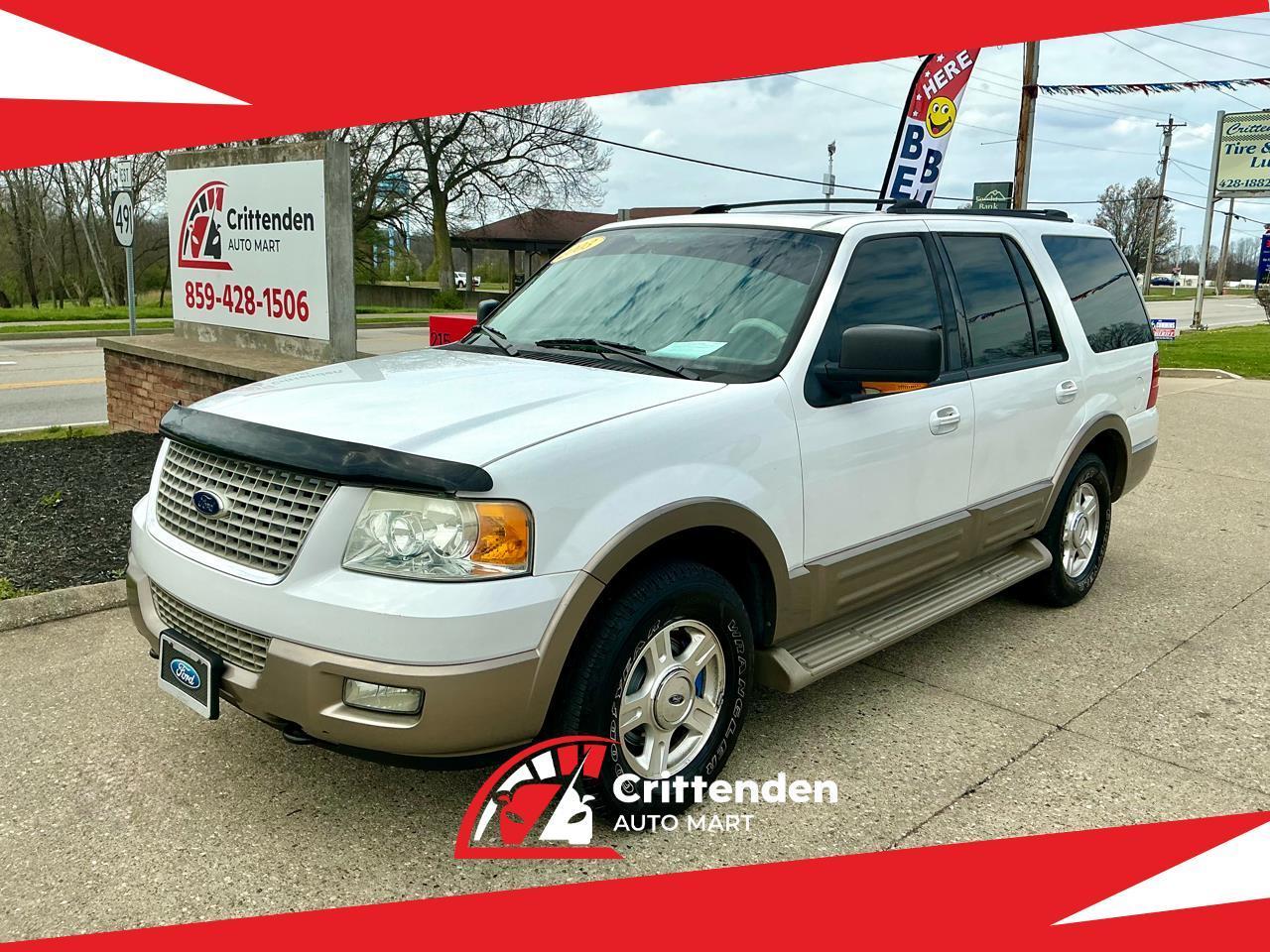
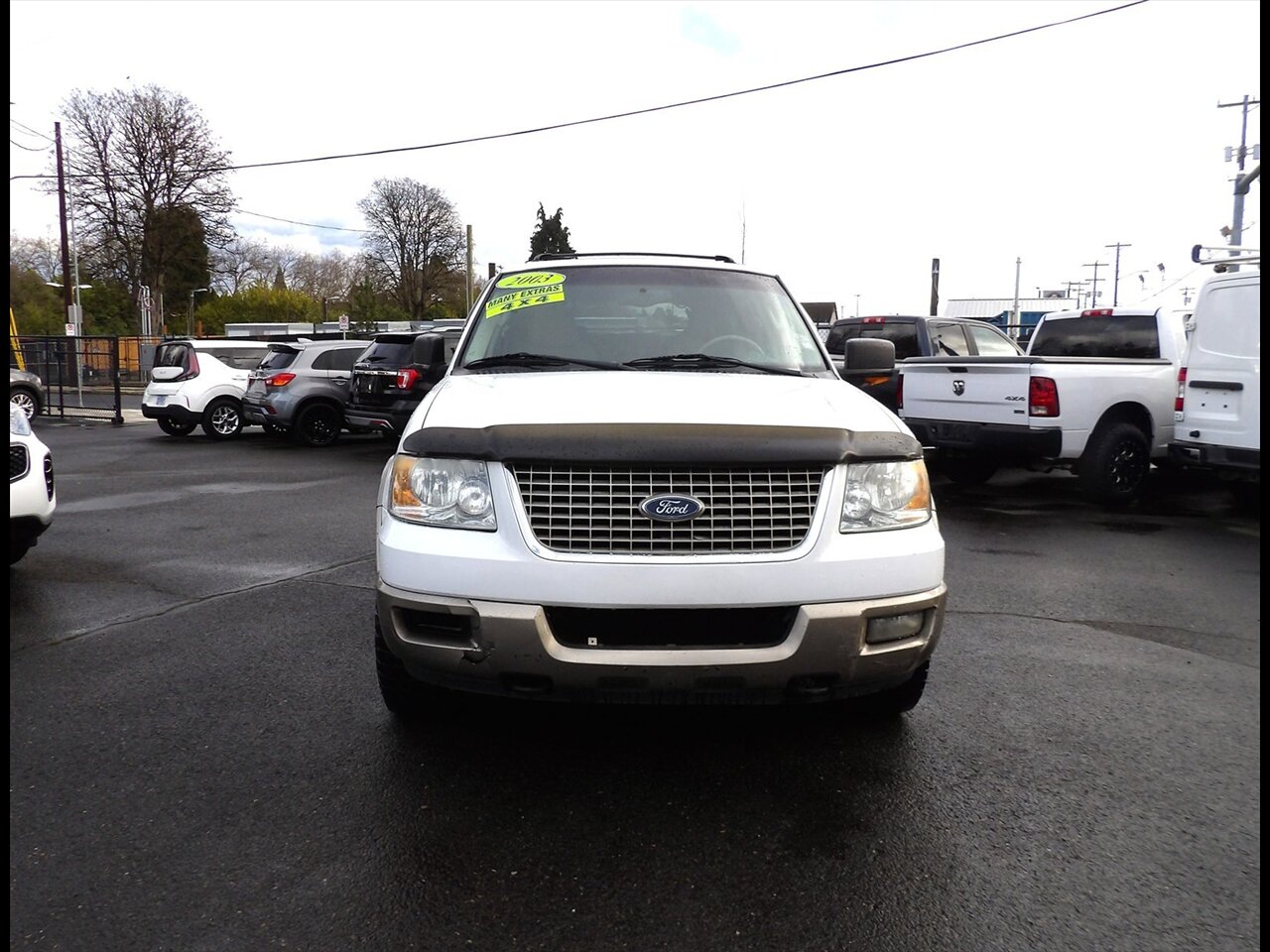
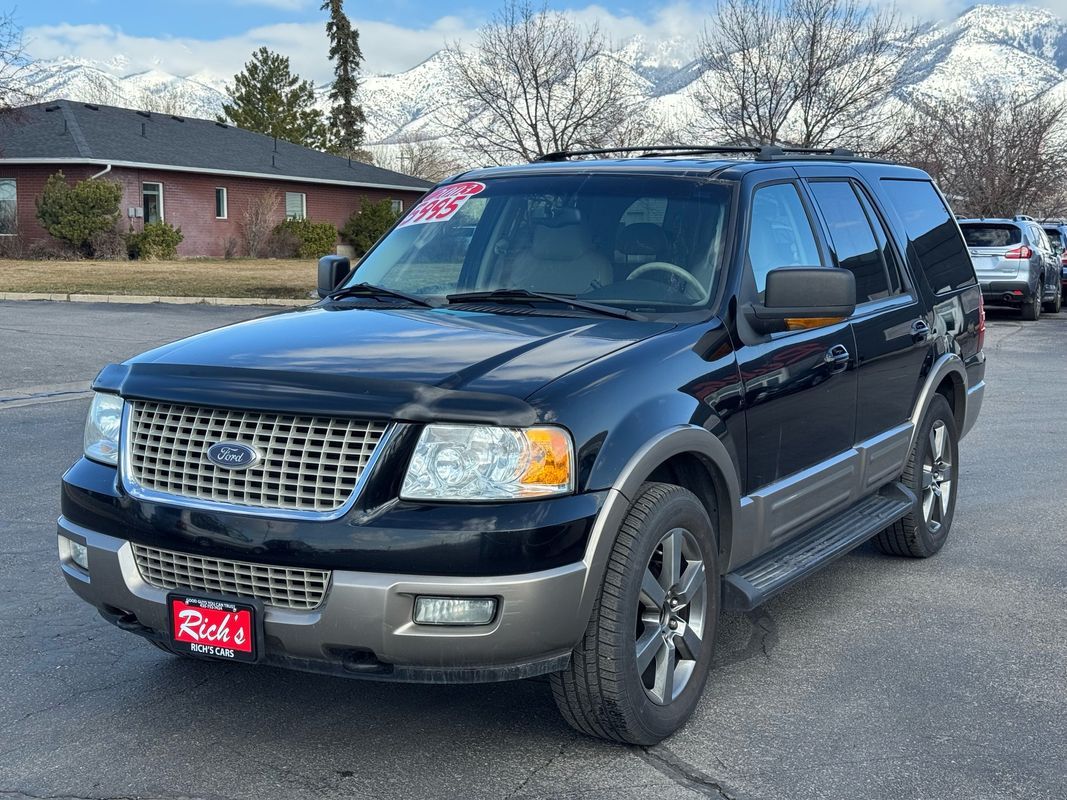
The 2003 Ford Expedition Eddie Bauer 5.4L V8 represents a major evolutionary leap for Ford's full-size SUV lineup, introducing a fully redesigned independent rear suspension, a hydroformed frame, and a much-refined interior. Positioned as a luxury-leaning trim, the Eddie Bauer edition combines rugged utility with upscale comfort, heavy-duty towing capacity, and family-oriented versatility.
Introduction to the 2003 Ford Expedition Eddie Bauer
When Ford introduced the completely redesigned second-generation Expedition for the 2003 model year, it addressed nearly every criticism leveled against its predecessor. Among the various trim levels, the Eddie Bauer edition stood out as the quintessential choice for buyers seeking upscale luxury paired with utilitarian capability. Featuring signature two-tone exterior paint, premium leather seating, and an array of comfort-oriented amenities, this trim bridged the gap between a rugged workhorse and a plush family cruiser.
At the heart of this generation is a robust platform paired with a proven power plant. The 2003 model year marked a foundational shift for the vehicle, transitioning to an independent rear suspension (IRS) system that vastly improved ride comfort and interior packaging. For prospective buyers, automotive enthusiasts, or restorers looking back at this era of American full-size SUVs, understanding the mechanical specifications, design choices, and operational characteristics of the 2003 Ford Expedition Eddie Bauer 5.4L V8 is essential for evaluating its capabilities and long-term ownership dynamics.
Exterior Design, Platform Architecture, and Dimensions
The 2003 redesign was far more than a simple cosmetic refresh; it utilized a completely new, stiffer hydroformed frame designed to reduce flex and improve crash safety ratings. The exterior styling embraced a more commanding, truck-based presence with softer, more aerodynamic contours than the first generation, while retaining a boxy enough profile to maximize interior cargo room.
As an Eddie Bauer edition, the vehicle featured distinctive two-tone paint treatments—typically pairing a primary body color with Pueblo Gold or Arizona Beige lower accent cladding, bumpers, and wheel-lip moldings. This aesthetic gave the SUV a distinct visual separation from the base XLT and the more chrome-heavy Limited trims. Standard exterior elements included running boards, fog lamps, privacy glass, and signature Eddie Bauer badging on the front fenders.
Dimensionally, the vehicle occupied a substantial footprint on the road. It spanned roughly 206 inches in overall length, stood nearly 78 inches tall, and possessed a wheelbase of 119 inches. This massive footprint translated directly into interior spaciousness, though it required drivers to adapt to tighter parking spaces and urban maneuvering limits.
Powertrain Specifications: The 5.4L Triton V8
The primary motivation for the 2003 Expedition Eddie Bauer came from Ford's modular engine family, specifically the 5.4-liter Triton SOHC V8. This engine was engineered to deliver strong low-end torque, making it well-suited for moving a heavy, multi-passenger SUV and towing heavy trailers.
- Engine Type: 5.4L Triton V8 (Modular, SOHC, 16-valve)
- Horsepower: 260 hp @ 4,500 rpm
- Torque: 350 lb-ft @ 2,500 rpm
- Fuel Induction: Sequential Multiport Electronic Fuel Injection
- Transmission: 4-speed automatic (4R75W)
- Drivetrain Layout: Available rear-wheel drive (2WD) or Control Trac four-wheel drive (4WD)
The 4-speed automatic transmission featured electronic shift scheduling, providing smooth gear changes under normal acceleration and holding gears appropriately when towing. The Control Trac 4WD system offered multiple modes—including 2-High, 4-High, 4-Low, and an automatic 4-Auto setting that engaged the front wheels seamlessly whenever rear-wheel slip was detected.
Revolutionary Independent Rear Suspension and Chassis Dynamics
One of the most significant engineering breakthroughs for the 2003 model year was the abandonment of the traditional live rear axle in favor of an independent rear suspension (IRS) setup. Prior to this, nearly all full-size domestic SUVs relied on solid rear axles, which often compromised ride quality and third-row packaging.
The new IRS architecture utilized upper and lower control arms, coil springs, and heavy-duty shock absorbers. This design allowed each rear wheel to react to road imperfections independently, drastically reducing body roll, minimizing head-toss for rear-seat passengers, and improving overall straight-line tracking over rough pavement.
Furthermore, the IRS layout lowered the vehicle's floor pan. This engineering choice enabled the introduction of the class-exclusive PowerFold third-row seat—a mechanical marvel for its time that allowed the rearmost seats to fold completely flat into the floor at the push of a button, creating a flat loading surface without requiring passengers to manually remove and store heavy bench seats.
Interior Luxury, Comfort, and Seating Versatility
The Eddie Bauer trim level was defined by its cabin appointments, which drew inspiration from the outdoor apparel brand's aesthetic. The interior featured premium two-tone leather seating surfaces, distinct stitching, and wood-grain dash accents that elevated the environment above standard utility vehicles.
| Feature Category | Eddie Bauer Trim Specification |
|---|---|
| Seating Configuration | Standard 8-passenger capacity with front bucket seats, 40/20/40 split-bench second row, and fold-flat third row |
| Upholstery | Two-tone premium leather with embroidered Eddie Bauer logos |
| Climate Control | Dual-zone electronic automatic temperature control for front passengers with rear auxiliary controls |
| Audio System | Premium Audiophile sound system with in-dash 6-disc CD changer and subwoofer |
| Convenience | Power-adjustable pedals, memory driver seat, and steering-wheel-mounted audio/climate controls |
The seating layout offered exceptional flexibility. The second-row bench featured a center section that could slide forward to keep a small child within reach of front occupants. The aforementioned PowerFold third row transformed the cargo area from a multi-passenger transporter into a cavernous hauling space effortlessly. Cargo capacity behind the first row exceeded 110 cubic feet, making the Expedition a practical alternative to cargo vans of the era.
Towing Capabilities and Utility Performance
For buyers who purchased the Expedition to haul boats, campers, or livestock trailers, the 5.4L V8 powertrain and robust chassis provided competitive utility metrics. When properly equipped with the optional heavy-duty towing package—which included an upgraded radiator, transmission oil cooler, and a Class IV receiver hitch—the 2003 model was rated to tow up to 8,900 pounds in rear-wheel-drive configurations (slightly less for 4WD variants due to added vehicle weight).
The vehicle also incorporated standard safety and stability technologies relevant to towing, such as the Belt-Minder system and enhanced anti-lock braking systems (ABS) with electronic brakeforce distribution. The sheer mass of the vehicle, combined with its long wheelbase, provided stable highway tracking even when pulling large trailers across crosswinds.
Fuel Economy and Operational Realities
Driving a full-size SUV powered by a mid-2000s V8 engine comes with distinct operational trade-offs, primarily regarding fuel consumption. The 2003 Ford Expedition Eddie Bauer 5.4L V8 is a heavy vehicle—weighing well over 5,500 pounds empty—and its aerodynamics reflect its boxy profile.
Under EPA testing guidelines of the era, owners typically experienced fuel economy figures ranging from 12 to 14 mpg in city driving and roughly 16 to 18 mpg on the highway. In real-world mixed driving conditions, particularly when utilizing the 4WD system or towing heavy loads, single-digit fuel economy was common. Fuel tank capacity stood at 28 gallons, providing a respectable cruising range despite the thirst of the Triton engine.
Common Mechanical Considerations and Maintenance
As with any vehicle from the early 2000s, long-term ownership of the 2003 Expedition requires awareness of specific mechanical tendencies documented by technicians and long-term owners over decades of service.
- Spark Plug Retention: Early versions of the 2003 5.4L 2-valve Triton engine featured cylinder heads with relatively few thread threads for the spark plugs. Under certain conditions, spark plugs could blow out of the cylinder head, requiring thread inserts (such as Time-Sert kits) for permanent repair.
- Exhaust Manifold Leaks: The factory exhaust manifold studs on Triton V8s are known to rust, snap, or stretch over time, leading to an annoying ticking noise upon cold startup that seals up once the metal expands.
- Suspension Air Shocks: Many Eddie Bauer models were equipped with an optional air-suspension system designed to level the vehicle when loaded. Over time, air compressors fail, or rubber air lines and bladders develop leaks, prompting many owners to convert the system to traditional coil springs and shock absorbers.
- Transmission Durability: The 4R75W automatic transmission is generally robust if fluid and filter changes were performed regularly, but neglected units can experience torque converter shudder or internal component wear.
Frequently Asked Questions
What is the difference between the Expedition XLT, Eddie Bauer, and Limited trims?
The XLT served as the entry-level utility trim with cloth seats and basic features. The Eddie Bauer trim added distinct two-tone exterior styling, upgraded leather seating, premium audio, and luxury interior trim. The Limited trim offered a more monochromatic luxury appearance package with similar high-end features to the Eddie Bauer but without the outdoor-themed branding.
Does the 2003 Ford Expedition Eddie Bauer have a third-row seat?
Yes, it features a standard third-row bench seat. In the Eddie Bauer trim, this is frequently equipped with the innovative PowerFold feature, allowing the seat to fold flat into the floor electronically via buttons located in the cargo area.
Can the 2003 Expedition run on E85 ethanol fuel?
No. The standard 5.4L SOHC V8 engine in the 2003 model year is designed to run on standard gasoline (87 octane or higher). Flex-fuel capability was introduced on later model years and engine variants.
How much weight can a 2003 Expedition 5.4L tow?
When properly equipped with the heavy-duty towing package, rear-wheel-drive models can tow up to 8,900 pounds. Four-wheel-drive models have a slightly reduced towing capacity, typically around 8,600 pounds, due to the additional weight of the transfer case and front differential.
Is the independent rear suspension reliable?
The independent rear suspension architecture is structurally durable and vastly improves ride quality. However, control arm bushings, ball joints, and wheel bearings will eventually wear out over high mileage and require replacement, just like any complex suspension layout.
Conclusion and Buying Guidance
The 2003 Ford Expedition Eddie Bauer 5.4L V8 remains a significant milestone in the evolution of the American full-size utility vehicle. By combining a comfortable independent rear suspension, a versatile fold-flat third row, and an upscale interior aesthetic, Ford created a benchmark family hauler. For those examining used examples or maintaining an existing vehicle, prioritizing models with documented service histories, verified cooling and spark plug maintenance, and rust-free frame structures ensures the best possible ownership experience.