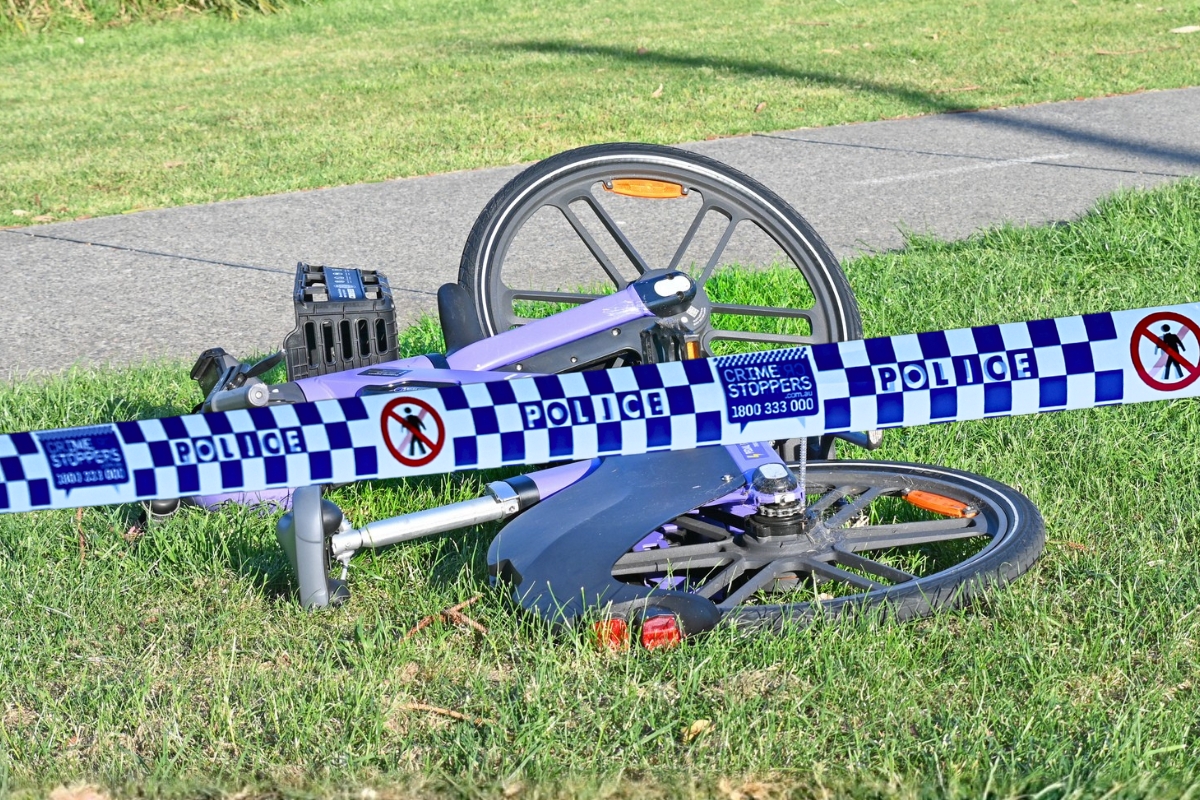
The tragic loss of two teenagers serves as a devastating reminder of the vulnerabilities facing young people today, prompting communities, families, and safety advocates to re-examine the underlying causes of youth mortality and the urgent need for comprehensive intervention strategies.
Understanding the Scope of Youth Tragic Losses
The sudden and unexpected death of young people profoundly impacts families, educational institutions, and entire municipalities. When incidents result in the loss of two teenage lives, the ripple effects extend far beyond immediate relatives, sparking public discourse on community safety, mental health support, and systemic vulnerabilities. Public safety data consistently shows that adolescent mortality is driven by a complex interplay of environmental factors, behavioral choices, infrastructural hazards, and social pressures.
Analyzing these tragic occurrences requires moving past immediate grief to examine systemic precursors. Researchers in adolescent psychology and public health emphasize that teenage decision-making is influenced by developmental changes in the prefrontal cortex—the area of the brain responsible for risk assessment and impulse control. Understanding this biological context helps contextualize why young people may engage in high-risk behaviors without fully comprehending the permanent consequences. Consequently, community leaders and educators must implement protective structures that compensate for these developmental vulnerabilities.
Furthermore, public data surrounding youth fatalities often highlights disparities across different demographics. Socioeconomic factors, geographic location, and access to resources significantly influence the safety and well-being of adolescents. Urban versus rural environments present distinct risk profiles, ranging from traffic infrastructure challenges to variations in emergency medical response times. Recognizing these variables is essential for designing targeted interventions that address the root causes of preventable tragedies rather than merely treating the symptoms.
Primary Contributing Factors in Adolescent Fatalities
To understand why fatal incidents involving teenagers occur with alarming frequency, experts categorize risks into distinct, measurable domains. Traffic collisions, substance misuse, mental health crises, and interpersonal violence represent the leading categories of adolescent mortality worldwide. Each category demands a specialized analytical approach and distinct preventative measures.
Motor vehicle accidents remain a leading cause of death among teenagers. Inexperience behind the wheel, nighttime driving, distracted driving involving mobile devices, and peer passenger distraction drastically increase collision risks. Graduated driver licensing (GDL) laws have been implemented in many jurisdictions to mitigate these risks by phasing in driving privileges, yet enforcement and parental oversight remain critical variables in ensuring adolescent road safety.
Mental health challenges and substance use disorders also contribute significantly to preventable youth deaths. The pressures of academic performance, social media integration, and economic anxiety can exacerbate underlying psychological vulnerabilities. Without adequate access to professional mental health interventions, adolescents may resort to coping mechanisms that escalate personal danger. The table below outlines the primary categories of adolescent mortality, their primary risk factors, and recommended preventative strategies.
| Category of Risk | Primary Contributing Factors | Recommended Preventative Strategies |
|---|---|---|
| Motor Vehicle Collisions | Driver inexperience, distractions, speeding, peer passengers | Graduated licensing laws, parental driving limits, defensive driving courses |
| Mental Health Crises | Depression, anxiety, social isolation, academic stress | School-based counseling, crisis hotlines, accessible psychiatric care |
| Substance Misuse | Peer pressure, easy access, self-medication for trauma | Community education, strict retail enforcement, early intervention programs |
| Interpersonal Violence | Conflict escalation, access to weapons, gang involvement | Conflict resolution training, community policing, safe-school initiatives |
Community Responses and Immediate Support Mechanisms
When a community experiences the profound loss of young lives, the immediate aftermath requires a structured, compassionate, and organized response. Schools, local government agencies, and non-profit organizations must collaborate to provide grief counseling and psychological first aid to affected students and families.
Trauma-informed care is essential in these situations. Grief manifests differently in adolescents compared to adults; teenagers may experience emotional numbness, anger, survivor's guilt, or sudden behavioral changes. Educational institutions must activate crisis intervention teams composed of licensed social workers, psychologists, and grief counselors to support students. Providing a safe, non-judgmental space for expression helps prevent complicated grief reactions and long-term psychological distress.
Beyond emotional support, community leaders often use these tragic milestones to advocate for structural changes. Whether the incident involves a dangerous intersection requiring traffic signals, a lack of youth recreational facilities, or gaps in local mental health infrastructure, public advocacy can transform private sorrow into public reform. Engaging youth in these advocacy efforts also empowers them, helping them regain a sense of agency and control in the wake of tragedy.
Preventative Frameworks and Long-Term Safety Initiatives
Preventing future tragedies requires sustained commitment from policymakers, law enforcement, educators, and parents. A reactive approach is insufficient; communities must proactively identify hazards and establish robust safety nets for adolescents.
Education and awareness campaigns form the first line of defense. Programs designed to teach safe driving habits, digital citizenship, drug awareness, and conflict resolution must be integrated into standard secondary school curricula. However, education alone is rarely enough without environmental modifications. For instance, municipalities must routinely audit infrastructure near schools and popular youth gathering spots to ensure adequate lighting, crosswalks, and speed enforcement.
Parental involvement remains a pivotal protective factor. Open communication between adolescents and caregivers builds trust, making teenagers more likely to seek help when facing dangerous situations or emotional crises. Establishing clear, consistent boundaries regarding vehicle use, curfews, and digital interactions provides adolescents with the framework they need while their executive functioning skills continue to develop.
Frequently Asked Questions
What are the most common causes of accidental death among teenagers?
Motor vehicle crashes, accidental poisonings (including prescription and illicit drug overdoses), and drowning are among the leading causes of accidental death for individuals aged 15 to 19, according to public health reporting agencies.
How can schools effectively support students after a tragedy?
Schools can deploy crisis response teams, offer grief counseling drop-in centers, provide staff training on recognizing trauma symptoms, and maintain open communication with families while respecting their privacy and mourning processes.
What signs indicate that a teenager may be struggling with severe mental health issues?
Significant changes in sleeping or eating habits, withdrawal from social activities, sudden drops in academic performance, expressed feelings of hopelessness, and reckless or self-destructive behavior are key indicators requiring professional evaluation.
How do graduated driver licensing programs improve teen driving safety?
Graduated driver licensing systems reduce early driving risks by introducing privileges in stages—typically beginning with supervised driving, moving to limited unsupervised driving with passenger or nighttime restrictions, and finally granting full driving privileges once maturity and experience are demonstrated.
Where can families find resources for youth grief support?
National organizations such as the Dougy Center, the National Child Traumatic Stress Network, and local hospice or hospital-affiliated grief centers offer specialized resources, support groups, and literature tailored to families navigating the loss of a child or peer.
Recommended Next Actions and Resources
For families, educators, and community members seeking to foster safer environments and support grieving youth, taking proactive steps is vital. Review local school district emergency response plans, advocate for improved community infrastructure where hazards exist, and ensure that adolescents know how to access confidential mental health services such as the 988 Suicide & Crisis Lifeline. By combining empathetic support with rigorous safety measures, communities can honor the memory of those lost by protecting the lives of those who remain.