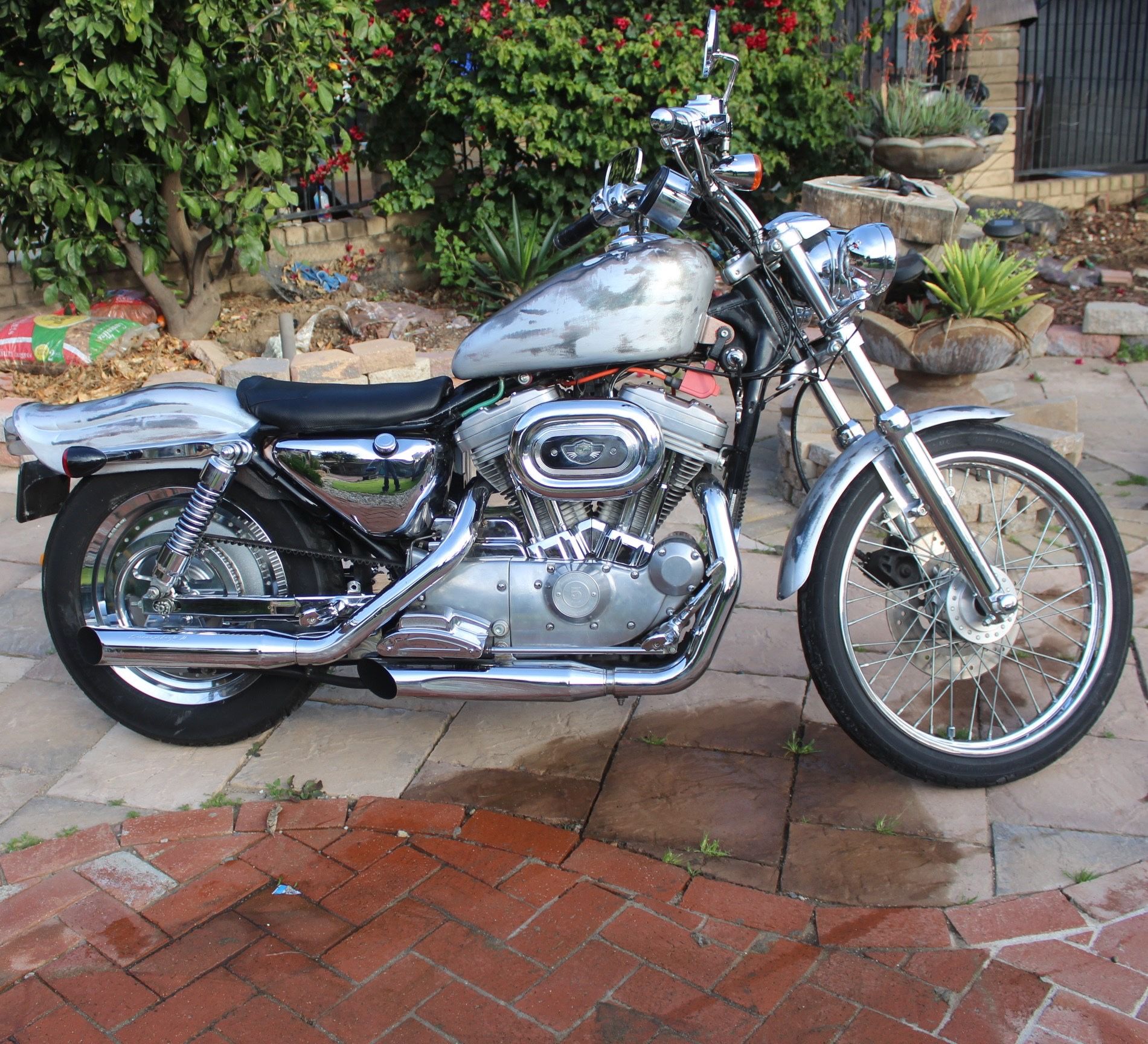
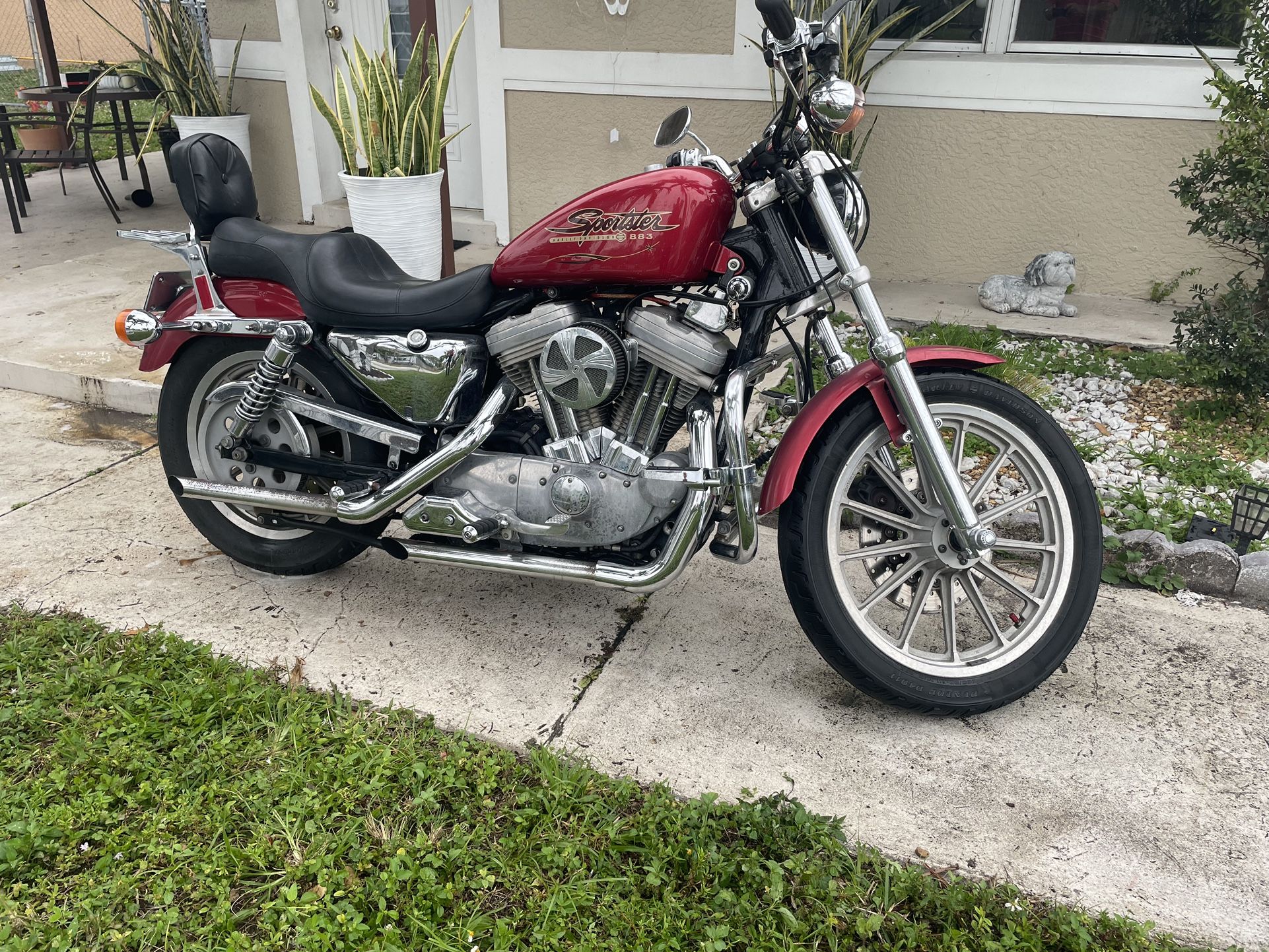
The 1997 Harley-Davidson Sportster 883 (XLH883) represents a pivotal point in the "rigid-mount" Evolution era, characterized by its 883cc V-twin engine, 5-speed transmission, and belt final drive. As a "modern classic" in 2026, it is celebrated for its mechanical simplicity, narrow chassis, and the raw, tactile feedback provided by an engine bolted directly to the frame.
The Evolution of the Sportster: Contextualizing 1997
To understand the 1997 Sportster 883, one must look at the lineage of the XL platform, which Harley-Davidson introduced in 1957. While the early decades were defined by the "Ironhead" engine, the most significant shift occurred in 1986 with the introduction of the Evolution engine. This aluminum-head powerplant resolved many of the thermal and reliability issues of its predecessor, setting the stage for the 1997 model.
By the mid-1990s, the Sportster had transitioned from a hardcore performance machine to a versatile entry point into the Harley-Davidson lifestyle. The 1997 model year sits comfortably within the "Second Generation Evo Sportster" period (1991–2003). This specific window is highly regarded by enthusiasts because it combined the modern 5-speed gearbox (introduced in 1991) and the reliable belt drive (standardized for the 883 in 1993) with the traditional rigid-mount frame.
In the broader timeline, 1997 was a year of refinement rather than revolution. Harley-Davidson focused on improving the electrical systems and rider ergonomics, ensuring the 883 remained the "Standard" of the lineup—a blank canvas for customization that could handle daily commuting and weekend cruising with equal aplomb.
Technical Specifications of the 1997 Sportster 883
The heart of the 1997 Sportster 883 is the air-cooled, 45-degree V-twin Evolution engine. While it lacks the sheer displacement of its 1200cc sibling, the 883 is often praised for its "rev-happy" nature and legendary durability.
Engine and Drivetrain
The engine features a bore of 3.0 inches and a stroke of 3.8 inches. This undersquare design prioritizes low-end torque, which is essential for city riding. In 1997, the 883 produced approximately 50 horsepower and 48 lb-ft of torque at the crankshaft. While these numbers seem modest by 2026 standards, the linear power delivery makes the bike exceptionally manageable for riders of all skill levels.
Fueling is handled by a 40mm Keihin CV (Constant Velocity) carburetor. This piece of hardware is a cornerstone of the 1997 model's identity. Unlike earlier butterfly-style carburetors or later fuel injection systems, the CV carb automatically adjusts for atmospheric pressure and altitude, providing smooth throttle response across varying conditions. For owners in 2026, the CV carb remains a favorite because it is easily tunable and rebuildable with basic hand tools.
Chassis and Suspension
The 1997 Sportster utilizes a tubular steel cradle frame. Because the engine is a stressed member bolted directly to the frame without rubber isolators, the rider feels every combustion cycle. This "rigid-mount" design contributes to the bike's narrow profile and light weight (approximately 490 lbs dry), but it also means significant vibration is felt through the handlebars and footpegs at highway speeds.
- Front Suspension: 39mm leading-link telescopic forks.
- Rear Suspension: Dual coil-over shocks with adjustable preload.
- Braking: Single disc front and rear with single-piston calipers.
Defining Features and 1997 Model Year Changes
While the 1997 model looks nearly identical to the 1996 version, several subtle updates improved the ownership experience. Harley-Davidson transitioned toward more robust electrical connectors and integrated a more reliable electronic speedometer.
The Electronic Speedometer and Instrumentation
One of the key identifiers of the late-90s Sportster is the move away from cable-driven speedometers to electronic units. The 1997 model features a transmission-mounted speed sensor. This change eliminated the common failure point of broken speedometer cables and allowed for more accurate readings. The instrument cluster remained minimalist, featuring a single speedometer with an odometer and basic indicator lights for oil pressure, neutral, and high beams.
Ergonomics and Aesthetics
In 1997, Harley-Davidson offered the 883 in three primary configurations:
- XLH883 Standard: The base model with mid-mount controls and a solo or dual seat.
- XLH883 Hugger: Designed for shorter riders, featuring a lowered suspension and a "buckhorn" handlebar to reduce reach.
- XLH883 Deluxe: Often included a two-up seat and additional chrome trim.
The 1997 gas tank—often referred to as the "Peanut Tank"—held 3.3 gallons of fuel. While this limited the range to roughly 120–140 miles depending on riding style, it preserved the iconic slim silhouette that has defined the Sportster for 70 years.
A Comprehensive Timeline: 1986 to 2004
The following table contextualizes the 1997 Sportster 883 within the Evolution engine era, highlighting the major technical shifts that preceded and followed it.
| Era/Year | Engine Type | Transmission | Key Milestone |
|---|---|---|---|
| 1986 | Evolution 883 | 4-Speed | First year of the Evolution engine; replaced the Ironhead. |
| 1991 | Evolution 883 | 5-Speed | Introduction of the 5-speed transmission and oil filter relocation. |
| 1993 | Evolution 883 | 5-Speed | Belt drive becomes standard on all 883 models, replacing the chain. |
| 1995 | Evolution 883 | 5-Speed | Electronic speedometer replaces the mechanical cable drive. |
| 1997 | Evolution 883 | 5-Speed | Refined wiring harnesses and improved seat/ergonomic options. |
| 1998 | Evolution 883 | 5-Speed | Introduction of the XL 883 Custom with a 21-inch front wheel. |
| 2004 | Evolution 883 | 5-Speed | Major Shift: Frame redesigned with rubber engine mounts; weight increases. |
Performance and Riding Experience
Riding a 1997 Sportster 883 is a visceral experience. Without the rubber mounts found on 2004 and later models, the "vibes" are a constant companion. At idle, the bike shakes with a rhythmic lope. As the RPMs climb, the vibrations smooth out slightly but never truly disappear.
Handling Dynamics
The 1997 Sportster is arguably one of the most "flickable" Harleys ever made. Its narrow tires (typically a 100/90-19 front and 130/90-16 rear) allow for quick turn-in. However, the lean angle is limited by the low-mounted footpegs, particularly on the Hugger models. The suspension is functional but rudimentary; riders often find that the stock rear shocks are under-damped for heavier loads or aggressive riding.
Braking and Safety
Braking performance is adequate for its era but requires a firm grip. The single-piston calipers lack the "bite" of modern four-piston systems. In the context of 2026, many owners choose to upgrade to stainless steel braided brake lines and high-friction pads to improve safety in modern traffic.
Maintenance, Reliability, and Known Issues
The 1997 XLH883 is widely considered a "bulletproof" motorcycle, provided basic maintenance is performed. Because it lacks complex electronics and liquid cooling systems, it is an ideal candidate for DIY mechanics.
Common Mechanical Points of Interest
- Primary Chain Tension: The Sportster uses a primary chain to transmit power from the crank to the clutch. This requires periodic adjustment through an inspection port to prevent excessive noise or wear.
- The "Sportster Leak": While the Evo engine is much drier than the older Shovelheads or Ironheads, the 1997 models can still develop "weeping" at the base gaskets or rocker box covers. Replacing these with modern multi-layer steel (MLS) gaskets usually solves the problem permanently.
- Stator and Charging System: The charging system is generally reliable, but the stator (located behind the primary drive) can fail after 30 years of heat cycles. Symptoms include a battery that won't hold a charge despite a good voltage regulator.
- Carburetor Cleaning: Modern ethanol-blended fuels can clog the small jets in the Keihin CV carb if the bike sits for several months. Regular use or the use of fuel stabilizers is recommended.
Service Intervals
In 2026, owners should follow a strict 5,000-mile service interval. This includes changing the engine oil (2.5–3.0 quarts of 20W-50), the primary/transmission fluid, and inspecting the drive belt for cracks or debris. The drive belt itself can often last over 50,000 miles if kept properly tensioned and free of stones.
The 1997 Sportster 883 in 2026: Market Value and Collectibility
As of 2026, the 1997 Sportster 883 has entered the realm of "affordable vintage." While it doesn't command the astronomical prices of 1940s Knuckleheads, it has seen a steady increase in value as clean, unmolested examples become rarer.
The appeal of the 1997 model lies in its purity. It is the last of the "small-frame" Sportsters that can be easily stripped down into a chopper, bobber, or tracker. In the current market, a well-maintained 1997 XLH883 with under 20,000 miles typically sells for between $3,500 and $5,500, depending on the region and included accessories.
Potential buyers should look for:
- Original paint (Harley's 1997 color palette included Vivid Black, States Blue Pearl, and Victory Red).
- Service records indicating regular oil changes.
- A clean title and matching frame/engine numbers.
Customization Potential: Why the '97 is a Builder's Favorite
The 1997 Sportster 883 is often referred to as a "1200-in-waiting." One of the most popular modifications is the 1200cc Conversion. Because the 883 and 1200 share the same bottom end and crankcases, owners can install larger cylinders and pistons to nearly double the horsepower without sacrificing reliability.
Furthermore, the 1997 frame is highly compatible with aftermarket parts. From "Frisco-style" gas tanks to "Sissy bars" and "Ape hanger" handlebars, the 1997 model's standardized mounting points make it one of the easiest motorcycles to personalize. The lack of a complex ECU (Engine Control Unit) means that modifications to the exhaust or intake only require simple carburetor jetting changes rather than expensive digital re-mapping.
Frequently Asked Questions
Is the 1997 Sportster 883 fuel-injected?
No, the 1997 Sportster 883 uses a 40mm Keihin CV carburetor. Harley-Davidson did not introduce electronic fuel injection (EFI) to the Sportster lineup until the 2007 model year. The carburetor on the 1997 model is highly regarded for its reliability and ease of maintenance.
Can the 1997 Sportster 883 handle highway speeds?
Yes, the 1997 Sportster 883 can comfortably maintain highway speeds of 65–75 mph. However, because it is a rigid-mount model with a 5-speed transmission, the vibrations at speeds above 70 mph can be significant. It is capable of reaching a top speed of approximately 100 mph, though it is not designed for sustained high-speed travel.
How does the 1997 model compare to the 2004 "Rubber-Mount" Sportster?
The 1997 model is lighter (by about 50–70 lbs) and narrower than the 2004 models. The 1997 model offers a more "raw" and connected riding experience, whereas the 2004 and later models are much smoother and more comfortable for long-distance touring due to the rubber-isolated engine mounts.
What is the fuel capacity of a 1997 883 Sportster?
The standard 1997 Sportster 883 comes with a 3.3-gallon "peanut" fuel tank. Some custom or "Deluxe" versions may have been fitted with a larger 4.2-gallon tank, but the 3.3-gallon version is the iconic factory standard for the era.
Are parts still available for a 1997 Sportster?
Absolutely. Harley-Davidson produced hundreds of thousands of Evolution Sportsters between 1986 and 2003. Both OEM (Original Equipment Manufacturer) and aftermarket parts are widely available in 2026 through dealerships, specialized vintage shops, and online retailers.
Final Recommendation for Owners and Buyers
If you are looking for a motorcycle that captures the traditional Harley-Davidson experience without the weight of a full-size touring bike, the 1997 Sportster 883 is an excellent choice. Its place in the timeline marks the peak of the rigid-mount Evolution era—a time when the bikes were simple enough to be serviced in a home garage but modern enough to be used as daily transportation.
For those purchasing one in 2026, prioritize mechanical integrity over cosmetic upgrades. A bike that starts easily, idles steadily, and shows no signs of major oil leaks is a valuable asset. Once the mechanical foundation is secure, the 1997 Sportster 883 remains one of the best platforms in the world for creating a custom machine that reflects your personal style.