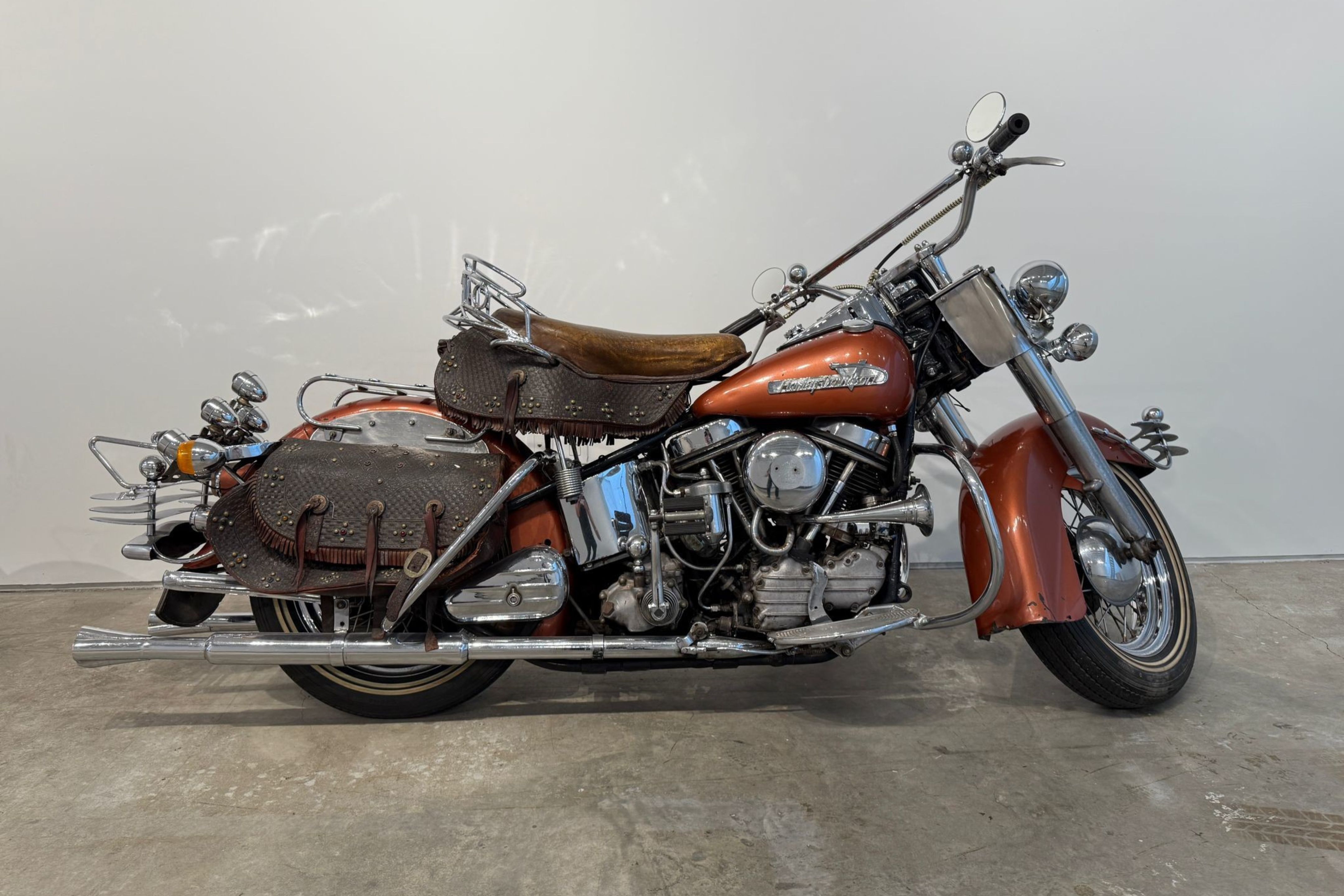
The 1955 Harley-Davidson lineup represented a transitional era for the Milwaukee manufacturer, defined by the refinement of the Panhead engine, the introduction of the K-model evolution, and a strategic pivot toward consumer-friendly touring and high-performance sport motorcycles. This production year consolidated Harley-Davidson’s position in the post-war market while setting the technical stage for the structural innovations of the late 1950s.
The State of Harley-Davidson Manufacturing in 1955
By 1955, Harley-Davidson was navigating a complex competitive landscape. Domestic sales faced pressures from an influx of lightweight, agile British imports, while the domestic manufacturing infrastructure remained anchored in heavy-duty, reliable V-twin technology. The 1955 production cycle was characterized by incremental improvements to existing platforms—specifically the FL Hydra-Glide series and the K-model sport bikes—rather than radical engine redesigns.
Manufacturing at the Juneau Avenue facility and the subsequent expansion into satellite production areas during this period focused on metallurgical durability and assembly line optimization. For the enthusiast and collector, 1955 serves as a benchmark for late-era "rigid" aesthetics meeting modern overhead-valve (OHV) performance. The company’s focus was clear: maintain the loyalty of the traditional American touring rider while competing for the younger demographic emerging in the mid-1950s.
The Panhead: The FL Hydra-Glide Platform
The crown jewel of 1955 production was the FL Hydra-Glide. Featuring the 74-cubic-inch (1,200cc) OHV Panhead engine, this model was the pinnacle of American long-distance comfort. The "Hydra-Glide" nomenclature, introduced in 1949, referred to the telescopic front suspension that replaced the older Springer front ends. By 1955, this system had been refined to offer superior dampening characteristics compared to the early versions.
Engine Architecture and Performance
The 1955 Panhead utilized a two-piece rocker box design, which had replaced the earlier "knucklehead" style. Key technical specifications included:
- Displacement: 74 cubic inches (1,208 cc)
- Compression Ratio: 7.2:1 (standard FL) or 8.0:1 (high compression FLH)
- Valvetrain: Overhead Valve (OHV)
- Lubrication: Dry sump system
The 1955 model year is particularly noted by collectors for the continued evolution of the hydraulic lifters. While the early implementation of these lifters in the late 1940s faced reliability challenges, the 1955 units benefited from years of factory adjustments, making them arguably the most reliable iteration of the Panhead to date.
The K-Model Sport Line: Transitioning to the Sportster
While the FL series dominated the touring market, the K-model series—specifically the KH—was the focus of Harley-Davidson’s sporting aspirations. The K-model featured a unit-construction engine, meaning the transmission and engine shared a single casing, a design philosophy that differed significantly from the separate transmission housings of the Big Twins.
The 1955 KH was a 55-cubic-inch (883cc) side-valve machine. This model was essential for the company's competitive standing in flat-track racing and provided the developmental DNA for the Sportster, which would launch in 1957. Collectors value the 1955 KH for its rare "in-between" status: it possesses the classic side-valve architecture but incorporates the refinements that signaled the end of the flathead era in high-performance applications.
Technical Comparison of 1955 Core Models
Understanding the 1955 lineup requires distinguishing between the heavy-duty touring machines and the mid-size sport performance cycles. The table below outlines the primary differences for identification and acquisition purposes.
| Feature | FL Hydra-Glide (Big Twin) | KH Model (Sport) |
|---|---|---|
| Engine Type | Panhead (OHV) | Flathead (Side-valve) |
| Displacement | 74 ci (1,200 cc) | 55 ci (883 cc) |
| Transmission | Separate (4-speed) | Unit-construction (4-speed) |
| Primary Use | Touring / Heavy Utility | Sport / Competition |
| Frame | Rigid/Swingarm evolution | Rigid-style rear |
Addressing Maintenance and Authenticity
For those looking to restore or maintain a 1955 Harley-Davidson, identifying original components is a significant challenge. Because these motorcycles were often modified by owners for increased power or aesthetic customization in the decades following 1955, finding a "numbers-matching" machine is rare.
Verification Steps for 1955 Production
- VIN and Serial Number Location: Harley-Davidson serial numbers for 1955 are stamped on the left side of the engine crankcase. Verify these numbers against the frame neck if possible, though frame numbers were not consistently applied in a centralized database by the factory in 1955.
- Component Casting Dates: Many transmission and engine components feature date codes. These are vital for proving that the bike remains as close to its factory-delivered configuration as possible.
- Finish and Trim: 1955 was a year where paint schemes were becoming more elaborate. Authentic restorations should consult original paint charts to avoid over-customizing with modern finishes.
Common Troubleshooting Areas
- Oil Leaks: As with most pre-1960s Harleys, the primary and engine cases were prone to weeping. Modern seal technology can mitigate this, but purists often accept some level of seepage as part of the machine's character.
- Electrical System: 1955 models utilized 6-volt electrical systems. Conversion to 12-volt systems is a common modification for riders who intend to use their motorcycles frequently, as it allows for brighter lighting and more reliable ignition.
Safety and Operational Considerations in 2026
Riding a 1955 Harley-Davidson in modern traffic requires a recalibration of operator expectations. Unlike modern touring bikes, the 1955 FL has a significant dry weight and a different center of gravity.
- Braking: The 1955 models rely on drum brakes. These are sufficient for moderate speeds but lack the immediate bite and fade resistance of modern disc brakes. Riders must maintain significant following distances and anticipate stopping maneuvers well in advance.
- Tire Technology: Do not attempt to use period-correct tire compounds. Modern vintage-style tires, which offer the aesthetic of 1955 but utilize modern rubber compounds, are essential for safety on public roads.
- Fuel Requirements: The 7.2:1 or 8.0:1 compression ratios are forgiving, but modern ethanol-blended fuels can damage vintage fuel lines and carburetor components. The use of an ethanol-stabilizer or high-octane pure gasoline is highly recommended to protect the fuel system.
The Collector’s Perspective
In 2026, the market for 1955 Harley-Davidson motorcycles is robust. These bikes are categorized as "Pre-Unit" or "Early OHV" icons. Their value is driven not just by rarity, but by their usability. A well-sorted 1955 FL Hydra-Glide is still capable of highway speeds and remains one of the most comfortable vintage rides available for long-distance rally events.
When considering a purchase, prioritize machines with complete mechanical documentation over those with purely aesthetic "show" restorations. A bike that has been serviced regularly and ridden is often more reliable than one that has sat in a collection for twenty years, as the gaskets and internal seals of a 1955 machine will harden and fail if not lubricated by regular operation.
Frequently Asked Questions
What makes the 1955 Hydra-Glide different from the 1954 model?
The 1955 FL Hydra-Glide introduced subtle refinements to the rocker oiling system and improved internal tolerances in the Panhead engine. While there were no radical visual departures from the 1954 model, the 1955 version is widely considered a more refined and "sorted" iteration of the post-war Big Twin.
Can a 1955 KH Model keep up with modern traffic?
The 1955 KH is a high-revving, agile machine, but it lacks the top-end speed and modern safety features required for interstate travel in 2026. It is best suited for secondary roads and urban environments, where its lower weight and responsive handling can be enjoyed safely.
Is the 1955 model year considered a "collector's item"?
Yes, the 1955 production year is highly sought after. It occupies the "sweet spot" for many collectors—it features the modern OHV engine and telescopic front suspension, yet retains the classic, uncluttered styling of the early post-war era.
What are the main parts availability issues for 1955 Harley-Davidsons?
Engine and transmission internals are widely available through specialized reproduction houses. The primary challenges involve original sheet metal, specific trim items, and period-correct electrical accessories, which often require extensive searching in secondary markets or high-end fabrication to replace.
Should I modify my 1955 Harley-Davidson for daily use?
Modifications for reliability, such as 12-volt electrical systems or modern ignition, are generally accepted in the vintage community and do not significantly impact the value of a rider-quality motorcycle. However, avoid permanent modifications to the frame or engine cases to preserve long-term historical value.
Final Recommendation for Owners and Enthusiasts
To preserve the legacy of a 1955 Harley-Davidson, focus on a "sympathetic restoration" approach. This involves replacing failing mechanical components with high-quality, period-accurate parts while retaining the original finish and patina where possible. If you are preparing to ride your 1955 model in 2026, ensure the hydraulic lifters are correctly calibrated and that you have inspected the cooling fins for blockages. Regular lubrication schedules are the single most important factor in keeping these engines running for another seventy years. Whether you are a restorer or a casual rider, the 1955 Harley-Davidson remains a testament to a period when American engineering shifted from basic utility to the beginnings of the modern touring experience.