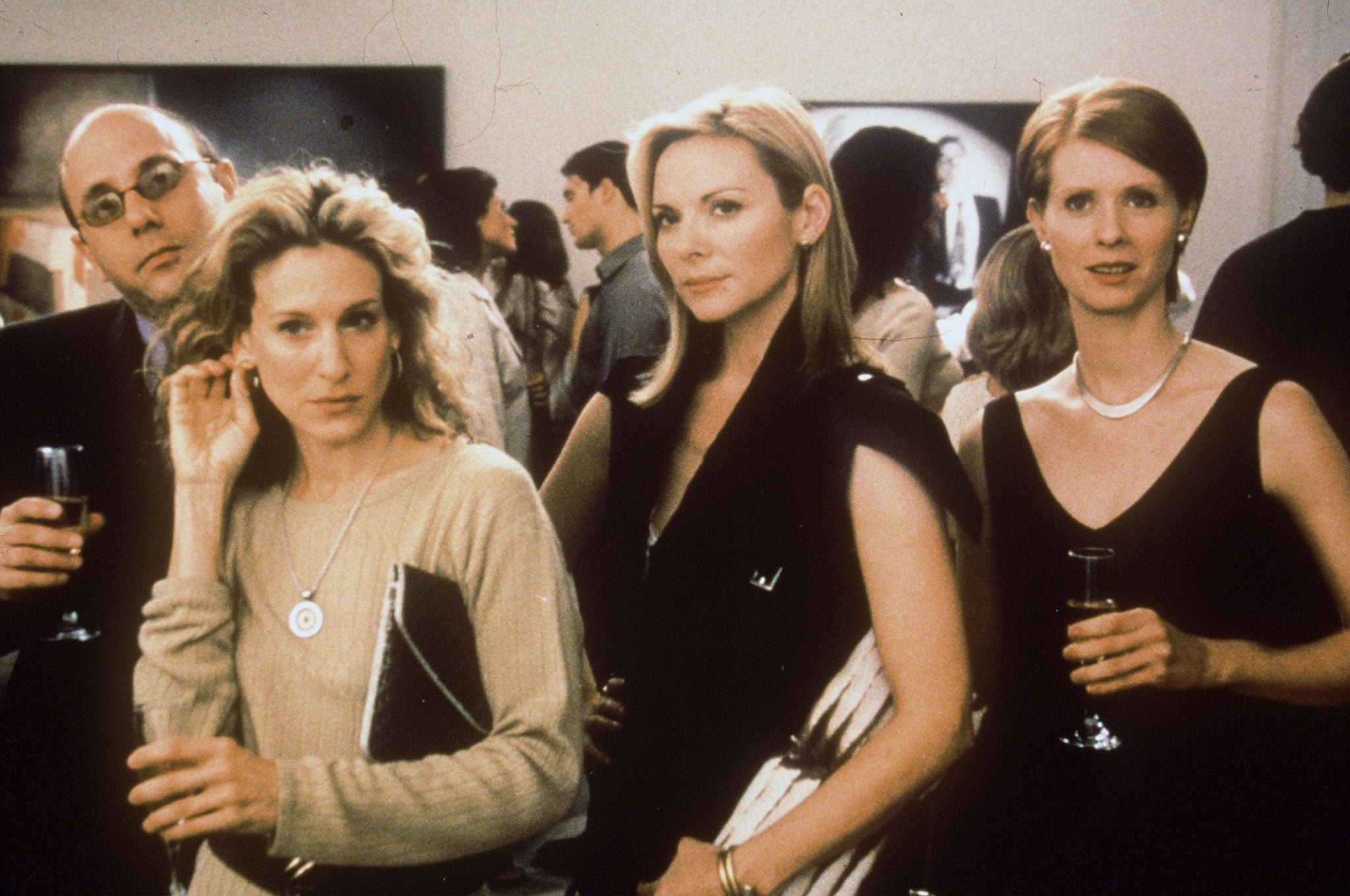
Season two of the iconic television series Sex and the City solidified the show's cultural footprint, expanding its narrative depth through a structured arc of 18 episodes that tested the resilience, romance, and professional lives of its central characters. Released originally on HBO, this sophomore run balanced sharp comedic timing with vulnerable examinations of modern dating, friendship dynamics, and urban independence in New York City. Understanding how these 18 episodes were structured, which cast members anchored the narrative, and how the production evolved provides a comprehensive look at a defining era of television history.
The Structural Blueprint: Anatomy of an 18-Episode Season
Unlike the shorter 12-episode format of its freshman run, season two expanded its canvas to 18 episodes, allowing writers to explore secondary storylines, recurring guest stars, and deeper character flaws. This extended length gave the creators—led by Darren Star and executive producer Michael Patrick King—the necessary room to develop serialized emotional arcs while maintaining the signature episodic essay format narrated by columnist Carrie Bradshaw.
The expansion reflects a growing confidence in the ensemble's chemistry and the distinct voices of the characters. Rather than rushing through casual dating scenarios, the 18-episode structure allowed for multi-episode narrative threads, such as Carrie's complicated cyclical relationship with Mr. Big, Miranda's navigation of demanding corporate law alongside unexpected romance, Charlotte's idealistic pursuit of traditional courtship, and Samantha's unyielding exploration of sexual autonomy without societal constraints.
Narrative Themes Across the 18 Installments
Throughout these 18 episodes, the thematic focus shifted from pure observational comedy about dating rituals to a more nuanced exploration of personal growth. Key thematic pillars examined during this season include:
- The Complexity of Exes: Navigating post-breakup boundaries, particularly through Carrie and Mr. Big's continued gravitational pull toward one another.
- Professional Ambition versus Personal Fulfillment: Highlighting the sacrifices required to maintain demanding careers in Manhattan without sacrificing emotional health.
- The Evolution of Female Solidarity: Demonstrating how the core quartet relied on brunch rituals and late-night phone calls to process heartbreak, career failures, and lifestyle changes.
- Challenging Societal Timelines: Examining the anxiety surrounding marriage, child-rearing, and aging in a youth-obsessed culture.
Core Cast and Character Arc Evolution
The central cast of Sex and the City remained the bedrock of the series during season two, with each actress bringing distinct nuances to their respective roles. The chemistry among the four leads deepened significantly as the writers tailored the dialogue to the performers' specific strengths.
Sarah Jessica Parker as Carrie Bradshaw
As the central narrator and fashion-forward sex-columnist, Carrie faced immense emotional turbulence in season two. The dynamic between Carrie and Chris Noth’s character, Mr. Big, dominated a significant portion of the narrative arc. Carrie's internal monologues bridged the gap between sophisticated urban cynicism and romantic idealism, making her the relatable anchor for the audience even when making questionable romantic choices.
Kim Cattrall as Samantha Jones
Samantha’s storylines in season two pushed boundaries by aggressively deconstructing double standards surrounding female sexuality. Cattrall portrayed Samantha with an unapologetic confidence that balanced humor, vulnerability, and fierce loyalty to her friends. Her encounters throughout the 18 episodes challenged conventional television tropes regarding aging, career success, and sexual independence.
Kristin Davis as Charlotte York
Charlotte provided a compelling foil to Samantha's liberationist philosophy. As the traditional art dealer seeking a fairy-tale romance and marriage, Charlotte's journey in season two involved confronting the reality that real-world relationships rarely align with storybook expectations. Davis infused Charlotte with a blend of endearing naïveté and surprising inner strength.
Cynthia Nixon as Miranda Hobbes
Miranda's narrative trajectory in season two grounded the show's more whimsical elements in gritty, cynical reality. As a corporate litigator balancing professional stress with dating fatigue, Nixon portrayed Miranda's sharp wit and occasional emotional armor with precision. Her storylines often addressed the literal and emotional labor required to survive as a single professional woman in New York.
Episode Breakdown and Production Milestones
The 18-episode sequence of season two aired between June 6, 1999, and October 3, 1999. During this period, the production crew solidified the visual aesthetic of the show, utilizing authentic New York City locations, high-end costume design led by Patricia Field, and innovative camera work that treated the city as a fifth character.
| Episode Range | Primary Narrative Focus | Key Character Developments |
|---|---|---|
| Episodes 1–5 | Re-entry into dating, fallout from season one finales, and redefining single life. | Carrie and Big navigate remaining friends; Miranda deals with career burnout. |
| Episodes 6–12 | Deepening emotional stakes, professional milestones, and confronting personal insecurities. | Charlotte re-evaluates her dating criteria; Samantha faces unexpected health and relationship scares. |
| Episodes 13–18 | Climax of core relationship conflicts, emotional resolutions, and seasonal cliffhangers. | The dramatic conclusion of the Carrie-Big dynamic leading into the season finale. |
Comparative Analysis: Season One vs. Season Two
To understand the significance of the 18-episode second season, it is helpful to compare its production and narrative choices with the introductory first season.
- Format and Pacing: Season one consisted of only 12 episodes, serving as an experimental testing ground for tone and character voice. Season two's 18 episodes allowed for slower, more character-driven storytelling.
- Costume and Visual Identity: While season one established the upscale New York backdrop, season two marked the point where Patricia Field’s costume design became a defining cultural phenomenon, dictating real-world fashion trends.
- Supporting Cast Integration: Season two integrated recurring male counterparts and professional colleagues more effectively, giving the ensemble richer contexts outside of their brunch conversations.
Frequently Asked Questions
How many episodes are in season two of Sex and the City?
Season two consists of 18 episodes, making it significantly longer than the 12-episode first season and allowing for more serialized character development across the run.
Who are the four main cast members of the series?
The primary cast features Sarah Jessica Parker as Carrie Bradshaw, Kim Cattrall as Samantha Jones, Kristin Davis as Charlotte York, and Cynthia Nixon as Miranda Hobbes.
When did season two originally air on television?
Season two originally aired on HBO between June 6, 1999, and October 3, 1999, capturing late-90s New York culture and fashion.
Did the second season change the show's overall tone?
While maintaining its witty and candid approach to dating, season two deepened the emotional stakes, moving away from purely satirical commentary toward more serialized and vulnerable character arcs.
Practical Recommendations for Viewers and Researchers
For researchers, media scholars, or modern viewers revisiting season two, examining the 18 episodes requires paying attention to the subtle shifts in late-90s media representation. To fully appreciate this block of episodes, note how the writers balance episodic dating mishaps with long-term emotional growth. Pay close attention to the wardrobe choices, as season two marked a pivotal turning point in establishing the show as a global fashion authority. Approach the viewing experience chronologically rather than jumping across episodes, as the emotional progression—particularly regarding Carrie and Mr. Big—relies heavily on sequential continuity.