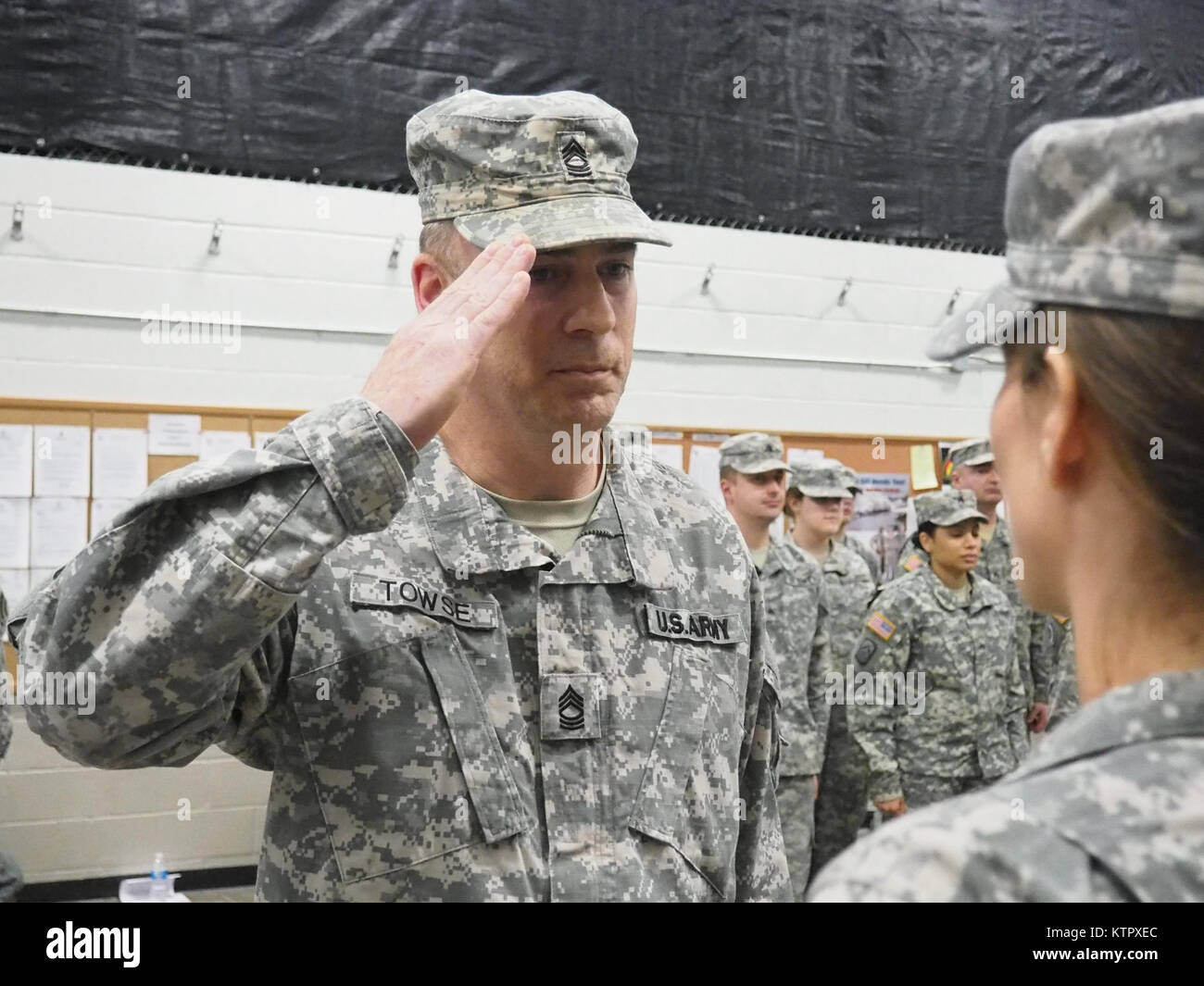
Reaching the rank of Master Sergeant within a 12-year window requires an exceptional combination of sustained high performance, continuous professional military education, leadership versatility, and strategic career management. Across various military branches, this milestone signifies a transition into senior non-commissioned officer leadership, where technical expertise converges with high-level organizational management.
Achieving this rank in a dozen years means outpacing standard promotion timelines, demanding meticulous adherence to performance metrics, evaluation reports, and competitive board selections.
Understanding the Master Sergeant Rank and Responsibility
The Master Sergeant (often abbreviated as MSgt) occupies a critical tier within the enlisted leadership structure. In the United States Air Force and Marine Corps, for example, a Master Sergeant (E-7) is a technical expert and a first-line leader who bridges the gap between junior enlisted personnel, junior officers, and senior command staff.
Moving from entry-level enlistment to this senior non-commissioned officer tier in just 12 years requires navigating accelerated promotion paths. This trajectory is rarely achieved by accident; it demands a deliberate approach to career milestones from day one.
Personnel must master their primary operational specialty—often referred to as a Military Occupational Specialty (MOS), Air Force Specialty Code (AFSC), or rating—while simultaneously developing broad administrative and leadership competencies. The transition into this rank shifts daily responsibilities from executing tactical tasks to managing large teams, orchestrating complex logistics, mentoring subordinate non-commissioned officers, and advising commanders on troop welfare and mission readiness.
Prerequisites and Early Career Foundations (Years 1 to 4)
Laying the groundwork for an accelerated promotion timeline begins during the initial enlistment contract. During the first four years, a service member must establish an unblemished record of discipline, physical fitness, and technical proficiency.
| Career Phase | Primary Objectives & Milestones |
|---|---|
| Years 1 - 4 | Technical mastery, PME completion, physical fitness |
| Years 5 - 8 | Leadership roles, civilian degree pursuit, awards |
| Years 9 - 12 | Board preparation, senior NCO academy, selection |
Achieving Technical and Operational Excellence
The foundation of any rapid advancement is undeniable competence in your primary duty. Service members aiming for a 12-year Master Sergeant promotion cannot afford periods of mediocre performance.
- Earning top-tier ratings on performance evaluations is mandatory.
- Securing primary duty certifications, safety credentials, and advanced operational qualifications ahead of peers sets a baseline of reliability.
- Taking on high-visibility tasks within the unit demonstrates immediate value to command structures.
Early Professional Military Education (PME)
Milestone education programs are built into every branch's career progression model. To stay ahead of the traditional curve, members must complete correspondence courses, leadership schools, and developmental training at the earliest possible eligibility window. Waiting for mandatory cutoff dates introduces unnecessary risk into an accelerated timeline.
Mid-Career Acceleration and Leadership Expansion (Years 5 to 8)
As the service member transitions into non-commissioned officer ranks (such as Sergeant or Staff Sergeant), the criteria for advancement shift from individual technical skill to team leadership and organizational impact.
Broadening Assignments and Special Duties
To separate oneself from a competitive peer group, a service member should seek out broadening assignments that test leadership in diverse environments.
- Serving as an instructor, recruiter, or drill instructor often yields high consideration on promotion boards, provided the member maintains high performance ratings.
- Taking charge of larger sections, maintenance shifts, or administrative branches proves that the individual can manage resources and personnel effectively.
Continuing Education and Credentialing
While performance evaluations carry the most weight, academic achievements and professional credentials strengthen a personnel record. Enrolled service members frequently utilize tuition assistance programs to complete associate or bachelor's degrees, alongside industry-recognized certifications relevant to their field. This dual focus on military duties and self-improvement signals a readiness for senior leadership responsibilities.
Senior NCO Preparation and the Promotion Board (Years 9 to 12)
The final stretch toward Master Sergeant involves navigating complex central evaluation boards, where selection files are scrutinized by senior leaders who never meet the candidates in person. Every document in the personnel record must tell a cohesive story of sustained excellence and progressive responsibility.
Mastering Performance Evaluations and Records Review
Centralized promotion boards rely entirely on historical documentation. Service members must perform routine audits of their official military personnel records to ensure accuracy regarding awards, decorations, training certificates, and fitness scores. A single missing decoration or an unverified training record can negatively impact a board score.
Senior-Level Professional Military Education
By year nine or ten, candidates must complete senior non-commissioned officer academy courses, either in residence or via structured distance learning equivalents. Graduating at the top of these classes or earning distinguished graduate honors provides a distinct competitive advantage during board reviews.
Common Obstacles on the 12-Year Track
Attempting to reach the E-7 grade in 12 years introduces distinct challenges. Understanding these hurdles helps candidates adjust their strategies before career momentum stalls.
- Stagnant Performance Reports: A single average or poorly written evaluation report can permanently derail an accelerated trajectory, as promotion boards look for consistent upward trends.
- Geographic and Operational Constraints: Certain career fields experience slower promotion quotas due to force shaping, manning caps, or restricted supervisory vacancies.
- Balancing Work and Academics: Pursuing degrees and leadership positions simultaneously while maintaining operational readiness frequently leads to burnout if time management is neglected.
Frequently Asked Questions
Is achieving Master Sergeant in 12 years common across all military branches?
No, promotion tempos vary significantly between branches due to distinct up-or-out policies, force structures, and personnel management laws. While attainable in fast-moving career fields within the Air Force or Space Force, it represents an aggressive exception in branches with slower historical promotion rates.
Do college degrees guarantee an accelerated promotion to Master Sergeant?
No. While higher education contributes to promotion points or board scoring metrics in certain branches, it cannot compensate for mediocre performance reports, disciplinary infractions, or a lack of leadership experience.
What is the most critical factor evaluated by central promotion boards?
Sustained superior performance documented through consecutive evaluation reports carries the highest weight. Boards look for clear evidence that the candidate has consistently outperformed peers in progressively more demanding leadership roles.
Can prior-service or enlisted-to-officer transition programs impact this timeline?
This 12-year timeline applies specifically to continuous enlisted service. Individuals with prior broken service or those who transition between active and reserve components must account for how cumulative active federal service time is calculated for promotion eligibility.
How do physical fitness scores affect accelerated promotions?
Physical fitness assessments are a mandatory prerequisite for promotion consideration. Sub-maximal scores or profile restrictions that prevent full participation can render a candidate ineligible for board review regardless of their technical qualifications.
Next Steps for Ambitious Service Members
Personnel aiming for this milestone should immediately schedule a career counseling session with their senior enlisted leader or command mentor. Review your official personnel record to identify administrative gaps, evaluate your current education and qualification status against the requirements of the next pay grade, and map out a precise timeline for remaining professional military education milestones.