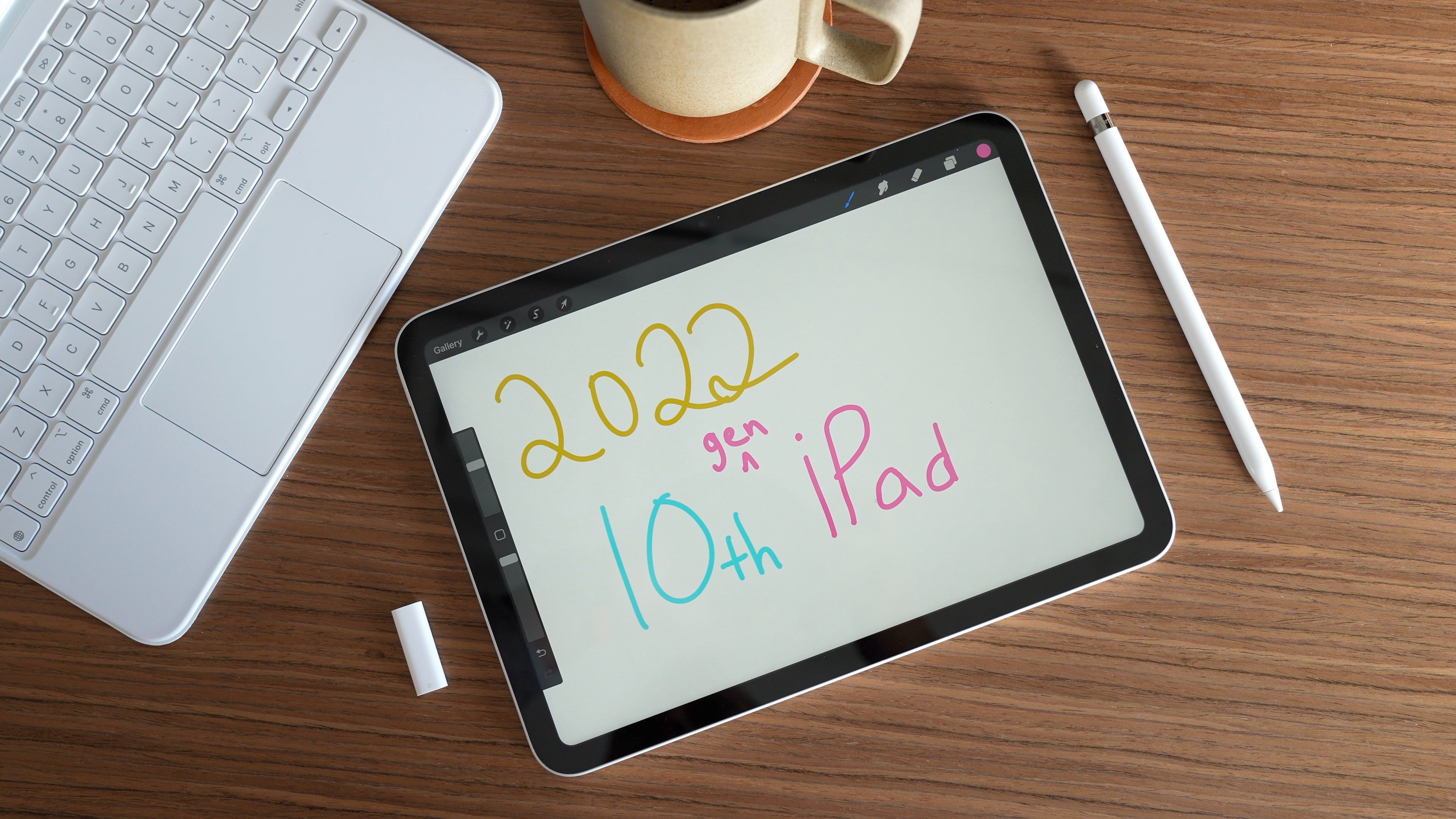
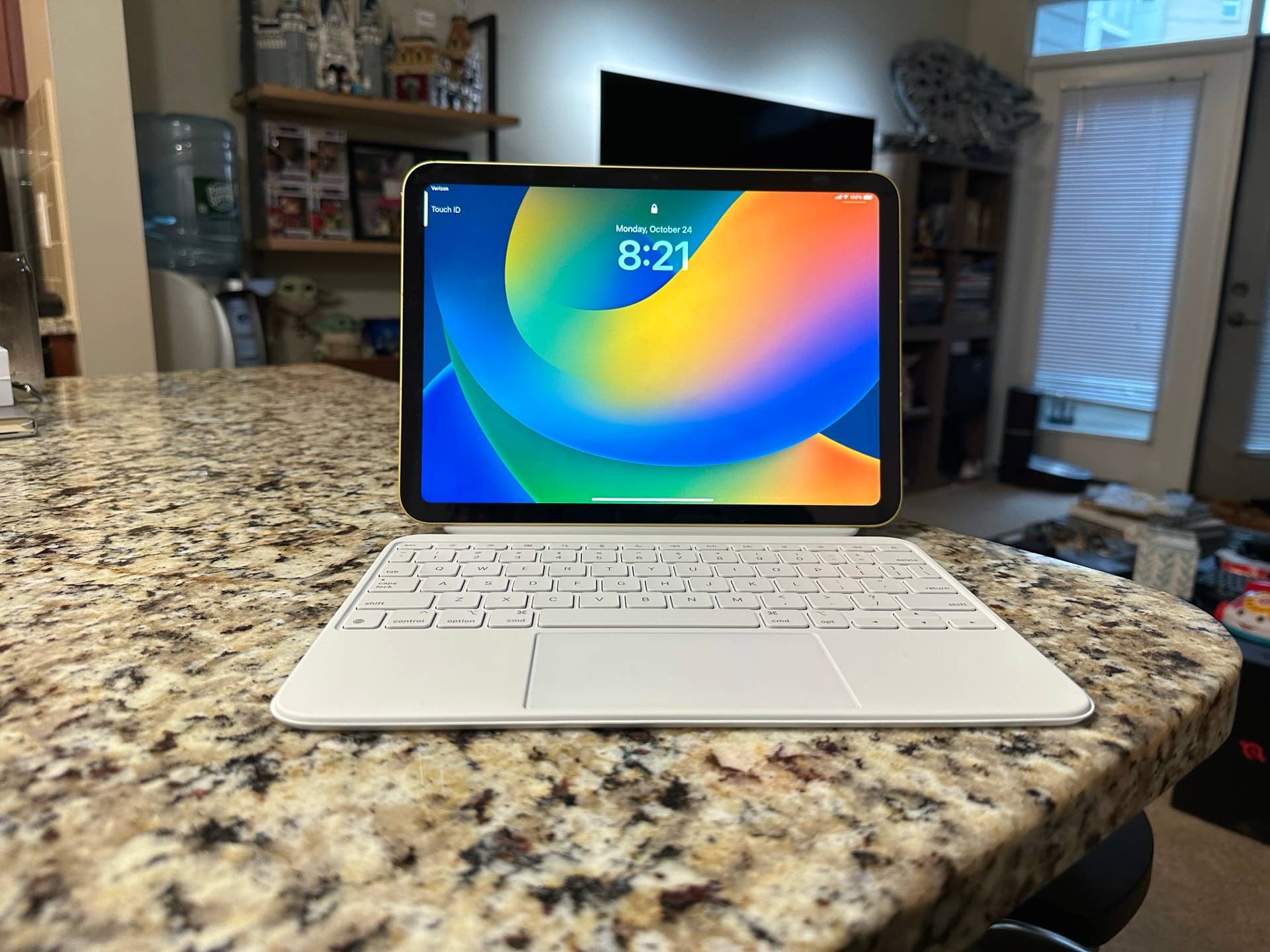
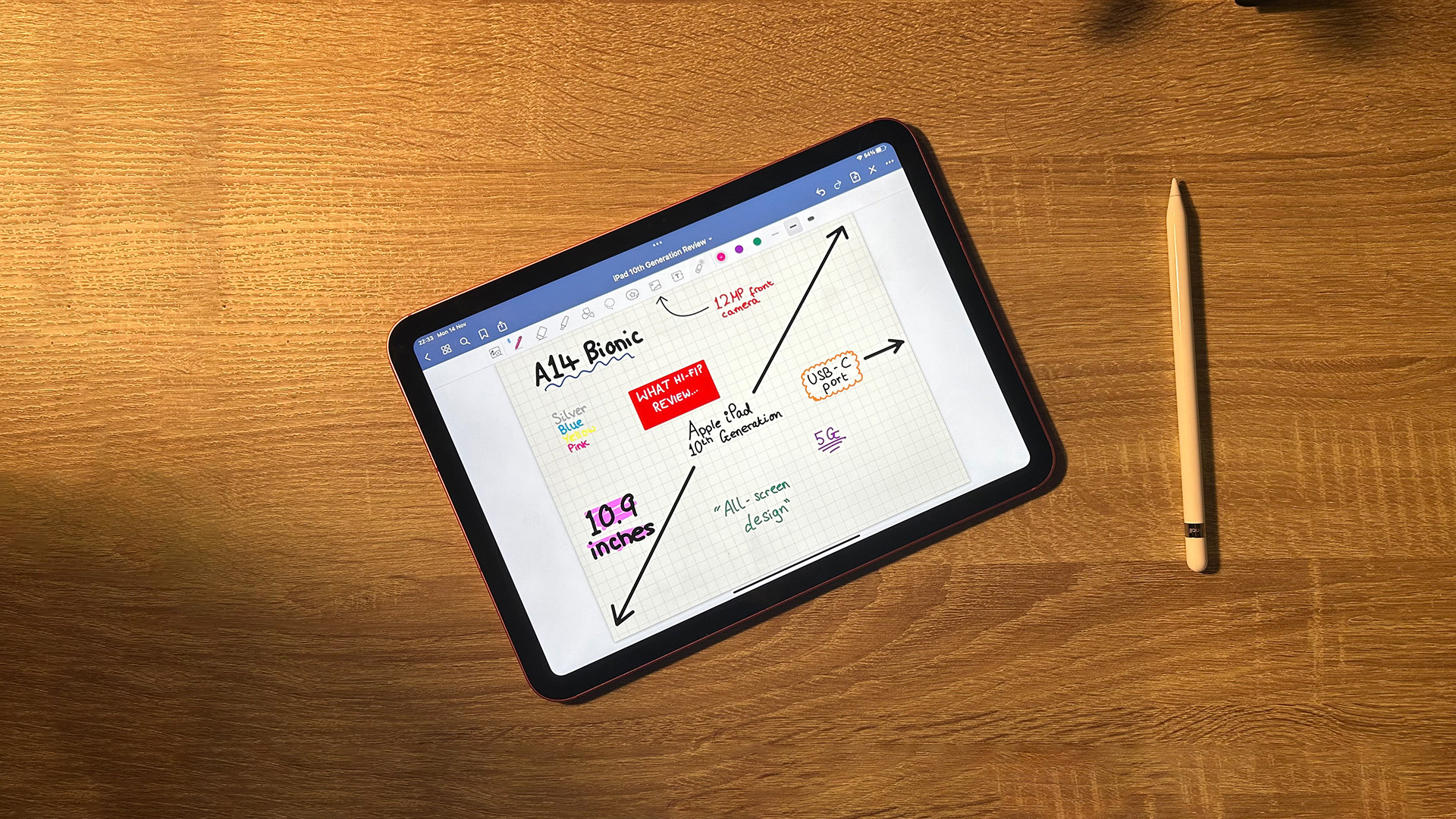
The 10th generation iPad represents a radical departure from its predecessors, introducing a contemporary all-screen design, a USB-C port, a landscape-oriented front camera, and compatibility with the redesigned Magic Keyboard Folio. While it bridges the gap between budget tablets and pro models, its higher entry price and legacy accessory support require a closer look to determine if it remains the ideal choice for everyday users.
Released to overhaul Apple's baseline tablet lineup, the 10th generation iPad arrives with a complete external redesign that mimics the more expensive iPad Air and iPad Pro models. Gone are the thick bezels and the iconic physical Home button that defined the entry-level iPad for nearly a decade. In their place is a flat-edged aluminum chassis, a larger display, and updated internal hardware tailored for web browsing, media consumption, and casual productivity.
Evaluating this device requires assessing how its modernization impacts daily usability, performance longevity, and overall value. For prospective buyers navigating a crowded tablet market, understanding how the 10th generation iPad balances updated specifications against its increased cost is essential for making an informed purchasing decision.
Design and Display Evolution
The most striking change to the 10th generation iPad is its exterior architecture. Moving to a uniform, slim bezel design allowed Apple to expand the screen size from the 10.2 inches of the 9th generation to a more expansive 10.9-inch Liquid Retina display. This panel features a resolution of 2360 by 1640 pixels, a maximum brightness of 500 nits, and True Tone support for adjusting color temperature based on ambient lighting.
However, prospective buyers should note certain display characteristics. Unlike the iPad Air, the display on the 10th generation iPad is non-laminated, meaning there is a tiny air gap between the outer glass and the underlying LCD panel. This can result in a slight hollow sound when tapping the screen with a stylus and a minor reduction in perceived visual crispness under bright direct lighting. It lacks an anti-reflective coating and does not support the wider P3 wide color gamut, sticking instead to the standard sRGB spectrum.
Biometrics have also shifted. With the removal of the Home button, Touch ID has been integrated into the top power button. This implementation is fast and reliable, mirroring the user experience found on recent iPad Air and iPad mini models.
Performance and A14 Bionic Capabilities
Under the hood, the 10th generation iPad is powered by the A14 Bionic chip, featuring a 6-core CPU and a 4-core GPU, alongside a 16-core Neural Engine. Stepping up from the A13 Bionic found in the previous generation, the A14 Bionic delivers noticeable speed improvements in multitasking, graphic-intensive mobile gaming, and web rendering.
While the A14 Bionic handles everyday tasks with ease, it is worth examining how it manages modern workloads:
- Multitasking: Stage Manager is not officially supported on this base model, keeping multitasking limited to standard Split View and Slide Over paradigms.
- Gaming: Popular titles run smoothly at high frame rates, benefiting from the updated GPU architecture.
- Productivity: Document editing, PDF annotation, and video streaming operate without stutter or lag.
The base configuration starts with 64GB of storage, with a higher tier offering 256GB. For users who plan to store large offline media libraries or handle heavy file management, the 64GB threshold can fill up quickly, making the storage tier selection an important financial and practical consideration.
Camera System Upgrades and Landscape Orientation
One of the most requested and strategically significant changes to the 10th generation iPad involves its front-facing camera. For the first time on any iPad, the 12-megapixel ultra-wide FaceTime camera has been relocated to the long landscape edge.
This placement fundamentally changes video conferencing dynamics. When the tablet is docked in a landscape keyboard case or positioned on a stand, the camera aligns naturally with the user's eyes, eliminating the off-center gaze that plagued older models. It also supports Center Stage, automatically panning and zooming to keep the user framed during movement.
On the rear, a single 12-megapixel wide camera captures sharp photos and supports 4K video recording at up to 60 frames per second. While tablets are rarely the primary device for serious photography, the rear sensor is more than capable of document scanning, augmented reality applications, and casual media capture.
Connectivity and the Shift to USB-C
The adoption of USB-C marks a major milestone for Apple's entry-level tablet line, bringing it in line with modern connectivity standards. This port facilitates faster data transfer speeds, external monitor connections through adapters, and simplified charging by allowing users to share cables with modern smartphones, laptops, and accessories.
Cellular models of the 10th generation iPad introduce 5G connectivity, providing faster cellular data speeds in supported areas compared to the 4G LTE capabilities of the 9th generation. Wi-Fi 6 ensures robust, stable connections on compatible wireless networks.
| Feature | 9th Generation iPad | 10th Generation iPad | iPad Air (5th Generation) |
|---|---|---|---|
| Display Size | 10.2 inches | 10.9 inches | 10.9 inches |
| Processor | A13 Bionic | A14 Bionic | M1 Chip |
| Connector | Lightning | USB-C | USB-C |
| Front Camera | 12MP Portrait (Top Edge) | 12MP Ultra Wide (Landscape Edge) | 12MP Ultra Wide (Landscape Edge) |
| Apple Pencil Support | Apple Pencil (1st Gen) | Apple Pencil (1st Gen via Adapter) | Apple Pencil (2nd Gen) |
Apple Pencil Compatibility Challenges
While modernization brings many benefits, the 10th generation iPad introduced a complicated situation regarding Apple Pencil support. The tablet only supports the first-generation Apple Pencil, which charges via a Lightning connector.
Because the iPad itself features a USB-C port, connecting and charging the pencil requires a specialized USB-C-to-Apple-Pencil adapter. This hardware mismatch has drawn criticism from reviewers and users alike for creating an awkward charging process that requires an extra dongle and cable. Furthermore, the magnetic charging and pairing capabilities found on the iPad Air with the second-generation Apple Pencil are absent here.
Battery Life and Everyday Endurance
Apple rates the 10th generation iPad for up to 10 hours of surfs-up web browsing or video playback over Wi-Fi. In real-world testing, this estimate holds remarkably steady. Mixed usage involving web browsing, streaming video, email management, and occasional document editing easily gets a full workday of usage out of a single charge.
The included 20W USB-C power adapter and cable allow for reasonably fast replenishment, taking roughly two and a half hours to go from zero to full capacity. Battery longevity remains a strong suit for Apple's tablet ecosystem, with power management tools keeping standby drain to an absolute minimum.
Value Proposition and Market Positioning
When evaluating the 10th generation iPad, pricing is a critical metric. Apple initially positioned this model at a higher price tier than the traditional entry-level baseline, a move compounded by keeping the older 9th generation iPad in the lineup as a lower-cost alternative for budget-conscious buyers and educational institutions.
| Factor | Assessment |
|---|---|
| Build Quality | Premium aluminum chassis with flat sides and modern aesthetics. |
| Performance | Reliable daily speed via A14 Bionic, suitable for students and casual users. |
| Ecosystem Friction | Requires adapters for the first-generation Apple Pencil. |
| Overall Value | Excellent screen and USB-C port, balanced against a higher initial investment. |
For users upgrading from an aging 6th or 7th generation iPad, the 10th generation model delivers a massive upgrade in screen estate, processing speed, and modern ports. However, budget-focused buyers who already own a first-generation Apple Pencil and prioritize lower cost over modern styling may find the previous generation model to be a more practical fit.
Frequently Asked Questions
Does the 10th generation iPad support Stage Manager?
No, Stage Manager requires an M-series processor (such as the M1 or M2) or specific later A-series chips with virtual memory swap capabilities not present in the A14 Bionic. The 10th generation iPad is restricted to standard Split View and Slide Over multitasking modes.
How do I charge the first-generation Apple Pencil on this iPad?
Because the tablet uses a USB-C port and the pencil uses a Lightning connector, you cannot plug the pencil directly into the iPad. You must use a USB-C-to-Apple-Pencil adapter paired with a standard charging cable to charge and pair the accessory.
Can I use my old iPad cases with the 10th generation model?
No. Due to the larger 10.9-inch display, flatter chassis edges, relocation of the camera, and removal of the Home button, cases designed for the 9th generation or older 10.2-inch iPads are physically incompatible.
Is the display fully laminated?
No, the 10th generation iPad features a non-laminated display. There is a small air gap between the outer glass panel and the LCD screen underneath, which does not impact touch sensitivity but can produce minor reflections and a slight hollow sound during use.
What is included in the box?
The retail box includes the 10th generation iPad, a USB-C charge cable, and a 20W USB-C power adapter. Accessories such as the Apple Pencil and Magic Keyboard Folio are sold separately.
Final Recommendation
The 10th generation iPad successfully modernizes Apple's most popular tablet form factor, bringing a vibrant screen, USB-C versatility, and a well-placed landscape camera to a broader audience. While the accessory compatibility quirks—specifically regarding the Apple Pencil—require minor workarounds, the overall package delivers exceptional longevity and performance for students, families, and casual media consumers. Buyers seeking a reliable, future-proof home tablet with a contemporary aesthetic will find this model a dependable investment.