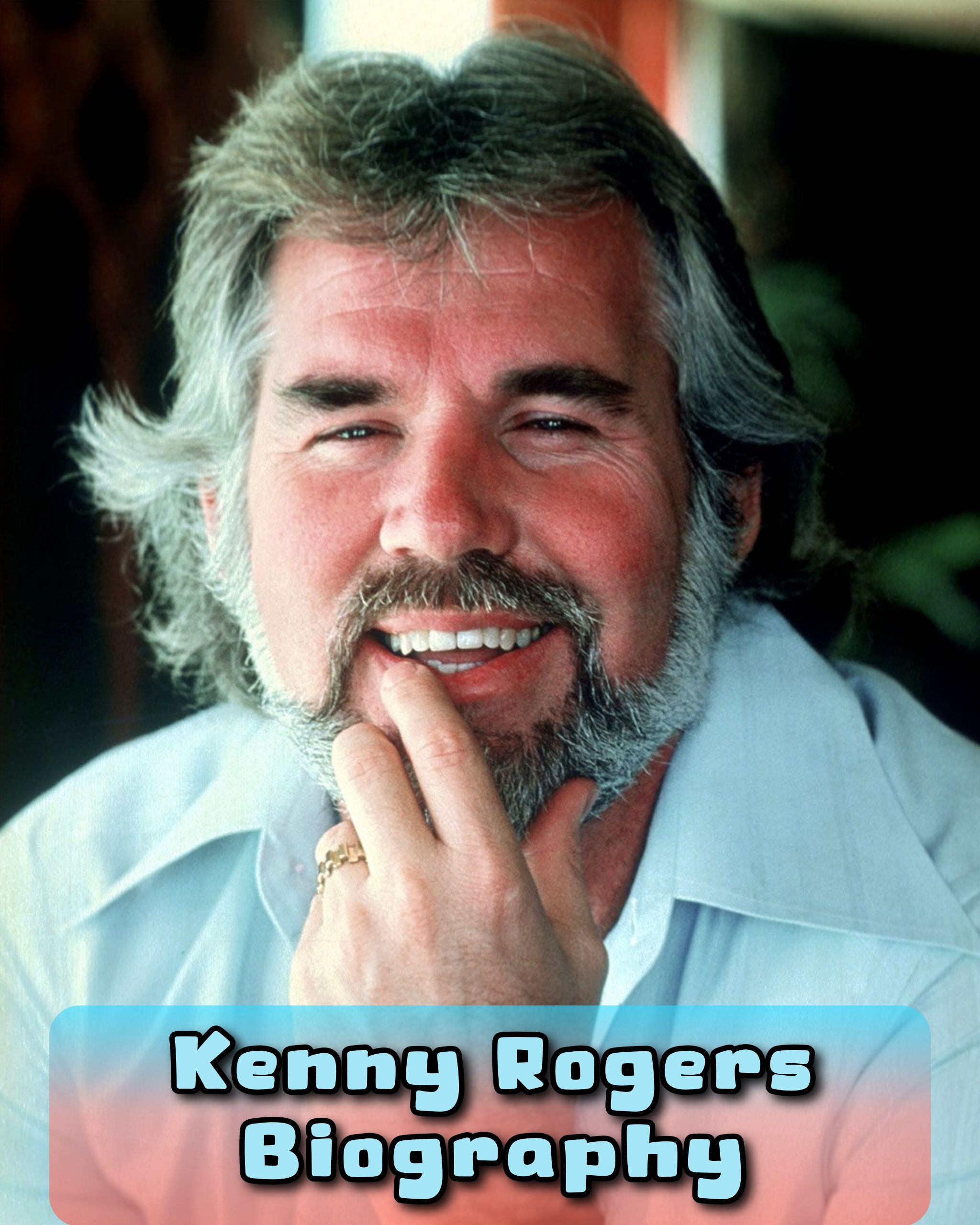
Kenny Rogers passed away on March 20, 2020, meaning that a decade later, the music industry and fans worldwide reflect on a career that spanned six decades, crossed multiple genres, and redefined what it meant to be a crossover superstar. Known just as much for his distinctive gravelly voice, warm bearded persona, and narrative-driven storytelling as for timeless hits like "The Gambler" and "Islands in the Stream," Rogers left an indelible mark on American culture that continues to resonate years after his passing.
The Passing of a Legend: Revisiting March 2020
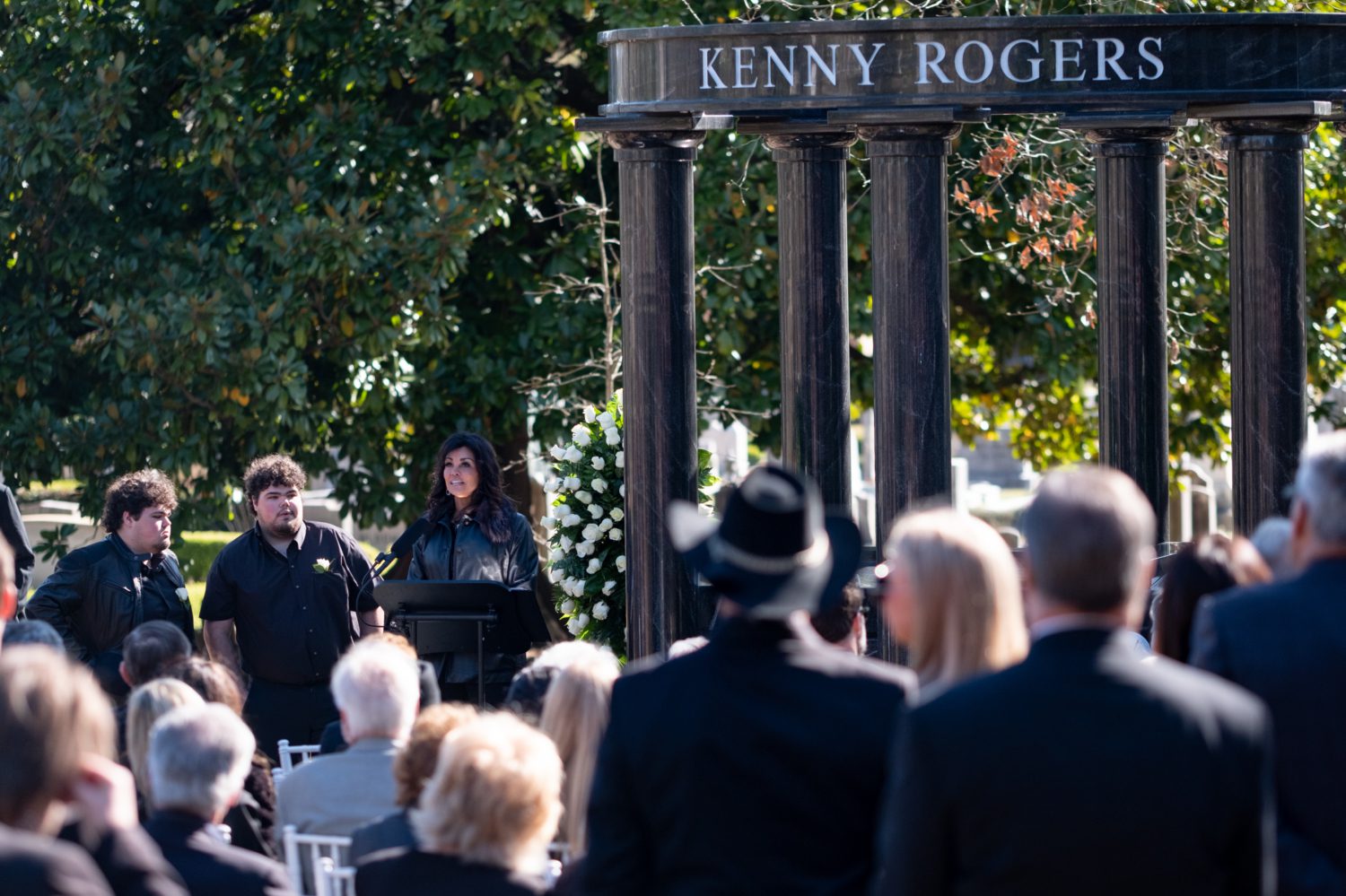
When Kenny Rogers died of natural causes at his home in Sandy Springs, Georgia, at the age of 81, the entertainment world was already navigating the unprecedented disruptions of the early COVID-19 pandemic. Because large-scale public gatherings were severely restricted, fans were initially unable to gather for traditional stadium tributes or massive public memorials. Instead, the global response moved online, with fellow musicians, actors, and millions of listeners sharing memories, personal anecdotes, and favorite tracks across digital platforms.
The subdued initial mourning period paradoxically allowed for a deeply personal wave of appreciation. Without a singular, centralized national memorial event immediately following his passing, tribute celebrations were decentralized. Musicians from pop, rock, and country genres recorded acoustic home performances of his signature songs. Television networks quickly scheduled retrospective specials, reminding casual viewers of the immense breadth of his catalog—ranging from his psychedelic rock beginnings with The First Edition to his decades-long dominance of the country charts.
A Musical Evolution: From Psychedelia to Country Royalty
To understand the weight of Kenny Rogers's legacy, one must examine how he navigated multiple distinct musical eras. Born in Houston, Texas, in 1938, Rogers did not start out as a traditional country artist. He participated in various musical groups during the late 1950s and 1960s, most notably joining the folk-rock ensemble The New Christy Minstrels before co-founding Kenny Rogers and The First Edition.
The First Edition fused rock, folk, and psychedelic pop, producing provocative and genre-bending hits such as "Just Dropped In (To See What Condition My Condition Was In)" and "Ruby, Don't Take Your Love to Town." These early years proved crucial in shaping his stage presence and television appeal, teaching him how to command an audience through visual performance as well as vocal delivery.
| Era | Primary Musical Style | Key Hit Songs / Albums | Cultural Impact |
|---|---|---|---|
| 1960s – Early 1970s | Folk, Rock, Psychedelic Pop | "Just Dropped In," "Ruby, Don't Take Your Love to Town" | Established his early crossover appeal and theatrical stage presence. |
| Late 1970s – 1980s | Country Pop, Narrative Ballads | "The Gambler," "Lucille," "Coward of the County" | Redefined country music storytelling and bridged pop charts. |
| 1980s | Pop-Country Duets, Adult Contemporary | "Islands in the Stream," "We've Got Tonight" | Cemented status as a global superstar through high-profile collaborations. |
| 1990s – 2010s | Traditional Country, Gospel, Touring | "Buy Me a Rose," Water & Bridges | Transitioned into a legacy touring artist and celebrated elder statesman. |
When Rogers launched his solo country career in the mid-1970s, he deliberately cultivated a persona that appealed to listeners who might not have previously considered themselves country fans. Songs like "Lucille" (1977) won him his first Grammy Award and signaled a shift toward narrative-driven country pop. He did not merely sing about heartbreak or rural life; he told detailed, dramatic short stories set to music, engaging the listener's imagination in a cinematic way.
The Definitive Cultural Impact of "The Gambler"
No discussion of Kenny Rogers is complete without examining "The Gambler." Written by Don Schlitz and released in 1978, the song became Rogers's signature anthem and defined his public image for the rest of his life. The track's central refrain—"You've got to know when to hold 'em, know when to fold 'em, know when to walk away, and know when to run"—transcended music to become a permanent idiom in global business, politics, and everyday conversation.
The cultural resonance of "The Gambler" extended far beyond the three-minute radio edit. Rogers capitalized on the song's massive success by starring in a hugely popular series of television movies beginning in 1980, portraying the fictional card shark Brady Hawkes. These films solidified his status as an actor and television presence, proving that his personal brand could successfully expand across multiple entertainment mediums. Even decades after its release, poker players, athletes, and corporate leaders regularly quote the song's pragmatic wisdom, cementing Rogers as a cultural philosopher of sorts.
Collaborations That Defined an Era
Rogers was famously collaborative, demonstrating a unique ability to blend his warm, expressive baritone with voices from entirely different musical backgrounds. His partnership with Dolly Parton remains one of the most successful and beloved musical pairings in entertainment history. Their 1983 duet "Islands in the Stream," written by the Bee Gees and produced by Barry Gibb, topped both the Billboard Hot 100 and Country charts, becoming an enduring pop-culture touchstone.
Beyond Dolly Parton, Rogers recorded successful duets with Dottie West, Sheena Easton ("We've Got Tonight"), and Kim Carnes ("Don't Fall in Love with a Dreamer"). These collaborations expanded his audience base and kept his sound fresh across changing radio landscapes. Other artists consistently sought him out because he brought emotional authenticity and mainstream credibility to every project he touched.
Business Acumen, Photography, and Life Beyond the Stage
While music formed the core of his public identity, Kenny Rogers was also an astute businessman and a talented visual artist. He understood branding long before modern digital marketing made personal branding a standard industry practice. From his endorsement deals with major corporations to his entrepreneurial ventures in restaurants and real estate, Rogers managed his career with a clear strategic vision.
In his later years, he dedicated substantial energy to photography, a passion that resulted in critically acclaimed books such as Kenny Rogers' America and Making Peace with 360. His photographic work showcased an observant eye for landscape and portraiture, earning him respect in artistic circles completely separate from the country music establishment. This multifaceted creativity prevented him from becoming a stale nostalgia act; he remained genuinely curious about the world and committed to artistic expression in various forms.
Preserving the Catalog: Streaming, Vinyl, and New Generations
In the years following his death, the consumption of Kenny Rogers's catalog has experienced shifts common to legendary artists. Streaming platforms have introduced his extensive discography to younger listeners who discover "Islands inp the Stream" or "The Gambler" through film soundtracks, social media trends, or algorithmic music recommendations.
Furthermore, the vinyl resurgence has driven renewed interest in his classic 1970s and 1980s gatefold albums. Audiophiles and casual collectors alike seek out original pressings of The Gambler and Kenny, appreciating the rich analog warmth of his original studio recordings. Record labels have responded with anniversary reissues, remastered digital collections, and high-definition music videos, ensuring that his visual and sonic legacy remains pristine and accessible.
Frequently Asked Questions About Kenny Rogers's Life and Legacy
What were Kenny Rogers's most successful songs?
His most commercially successful and iconic songs include "The Gambler," "Lucille," "Coward of the County," "Lady," and his famous duet with Dolly Parton, "Islands in the Stream." These tracks dominated both country and pop charts during the late 1970s and 1980s.
How many Grammy Awards did Kenny Rogers win?
Kenny Rogers won three competitive Grammy Awards throughout his career: Best Male Country Vocal Performance for "Lucille" (1977), Best Male Country Vocal Performance for "The Gambler" (1979), and a collaborative Grammy. He was also honored with the Country Music Association's Willie Nelson Lifetime Achievement Award in 2013 and was inducted into the Country Music Hall of Fame in 2013.
Did Kenny Rogers write his own songs?
While Rogers co-wrote a few tracks during his career, he was primarily an interpreter of songs rather than a prolific songwriter. His true genius lay in his ability to select exceptional material written by top Nashville and pop songwriters—such as Don Schlitz, Lionel Richie, and the Bee Gees—and transform them into massive narrative hits through his distinctive vocal phrasing.
What was Kenny Rogers's connection to acting and television?
Beyond his music career, Rogers starred in numerous television specials and successful film franchises, most notably the Gambler movie series (1980–1994) in which he played Brady Hawkes. He also appeared in television series like The Muppet Show and Dr. Quinn, Medicine Woman, showcasing a natural comfort in front of the camera.
How is Kenny Rogers remembered in country music history today?
He is remembered as one of the ultimate crossover artists who helped expand country music's global audience. By blending traditional storytelling with pop-friendly production values and sophisticated stage presentation, he paved the way for modern country superstars who regularly cross over into pop and adult contemporary markets.
Final Reflections and Continuing Appreciation
Ten years after his passing, Kenny Rogers remains a towering figure whose contributions to popular music continue to invite study and enjoyment. He proved that longevity in the entertainment industry requires adaptability, artistic curiosity, and genuine connection with listeners. Whether through the timeless wisdom of a card-playing metaphor, the effortless harmony of a legendary duet, or the warm cadence of a master storyteller, his voice endures across generations, reminding us all of the enduring power of a great song well sung.