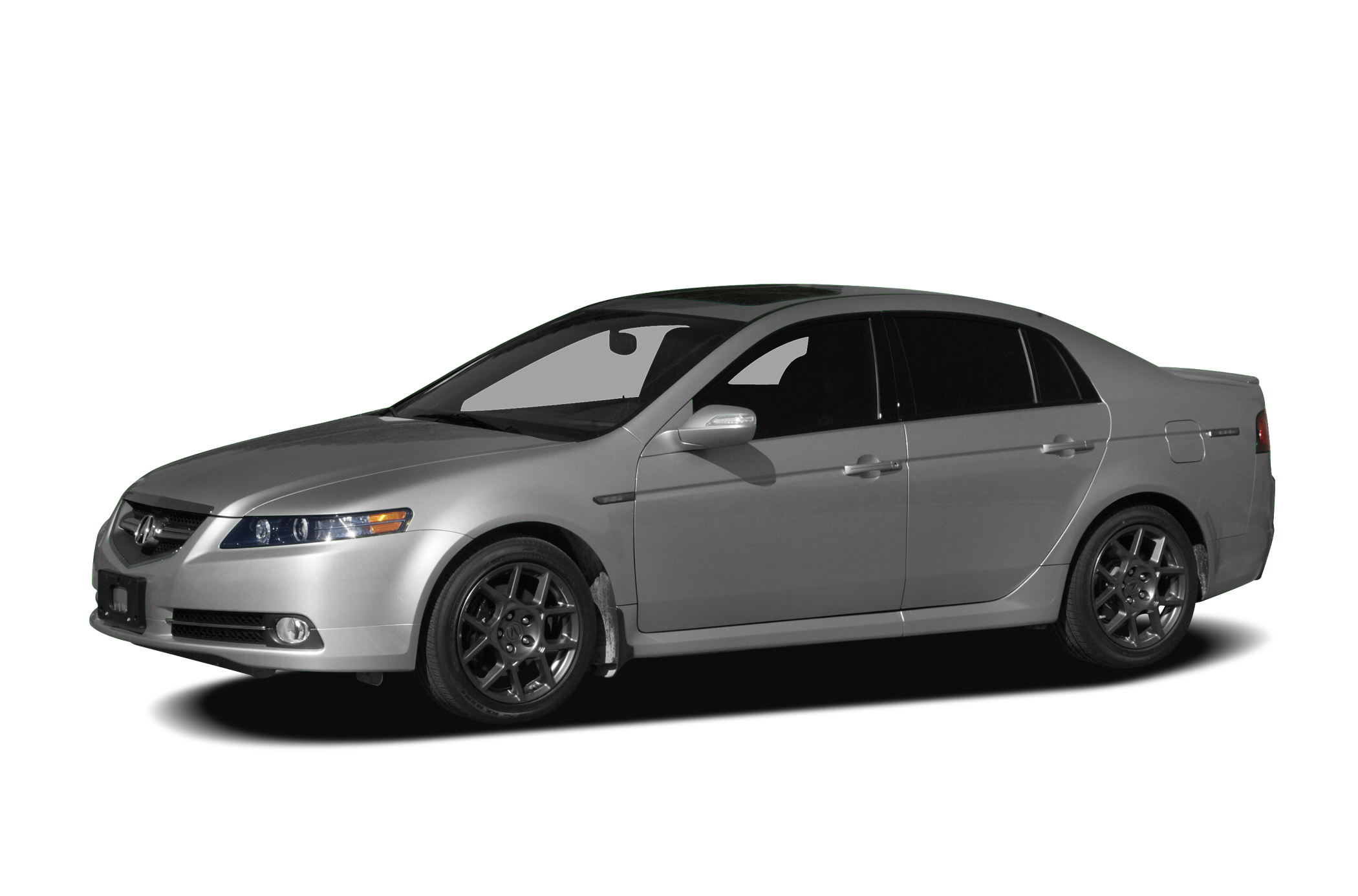
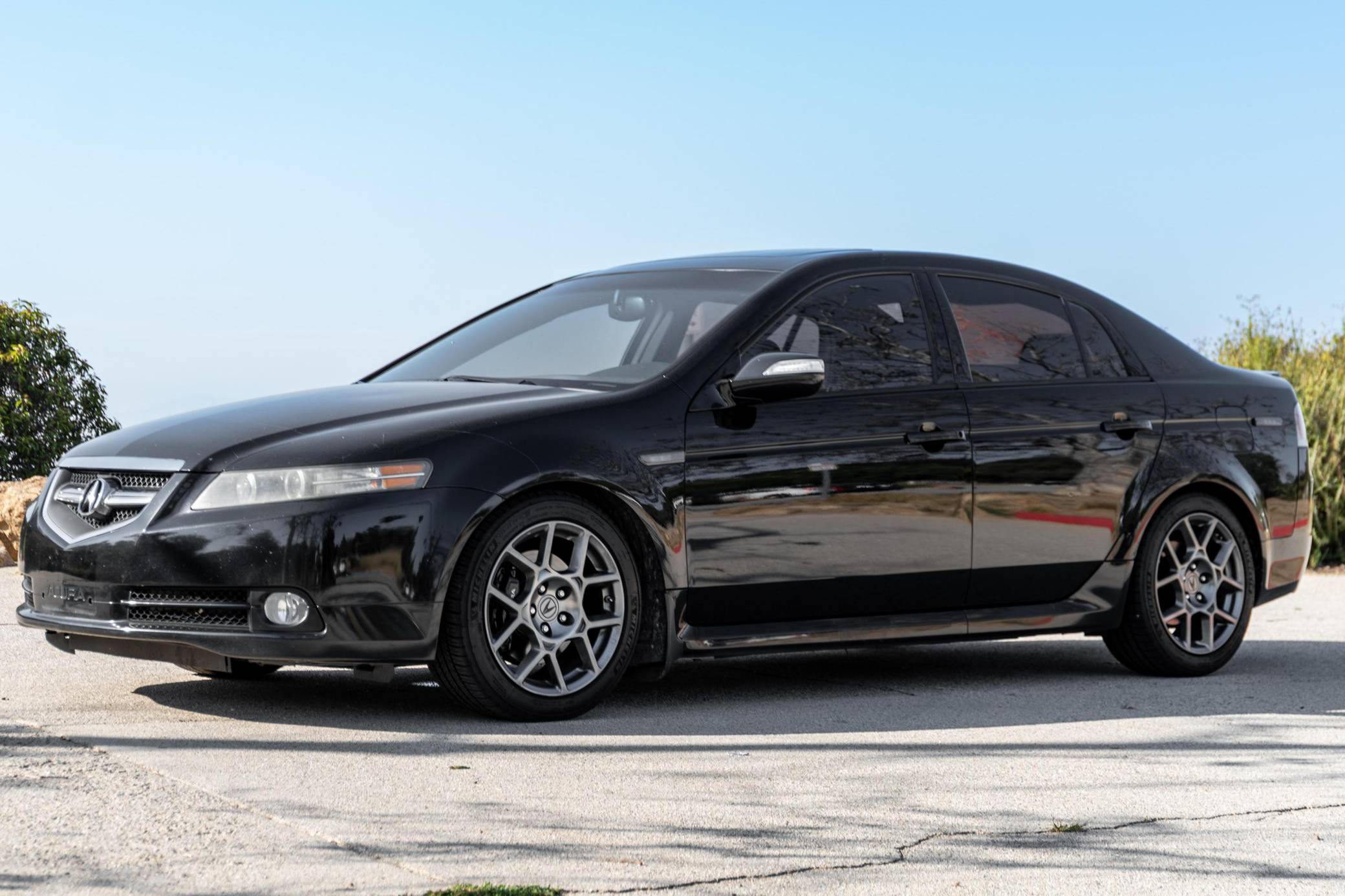
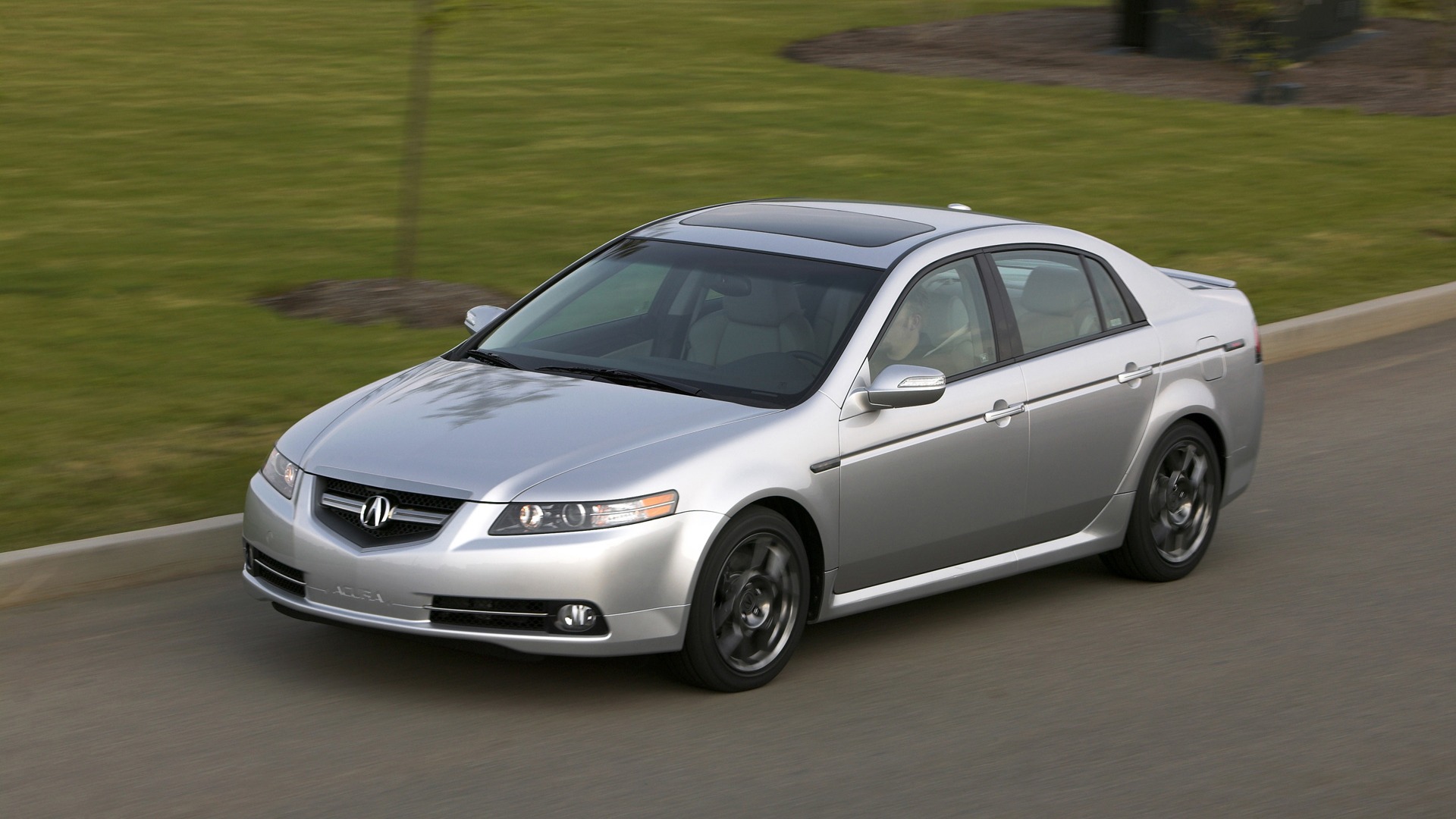
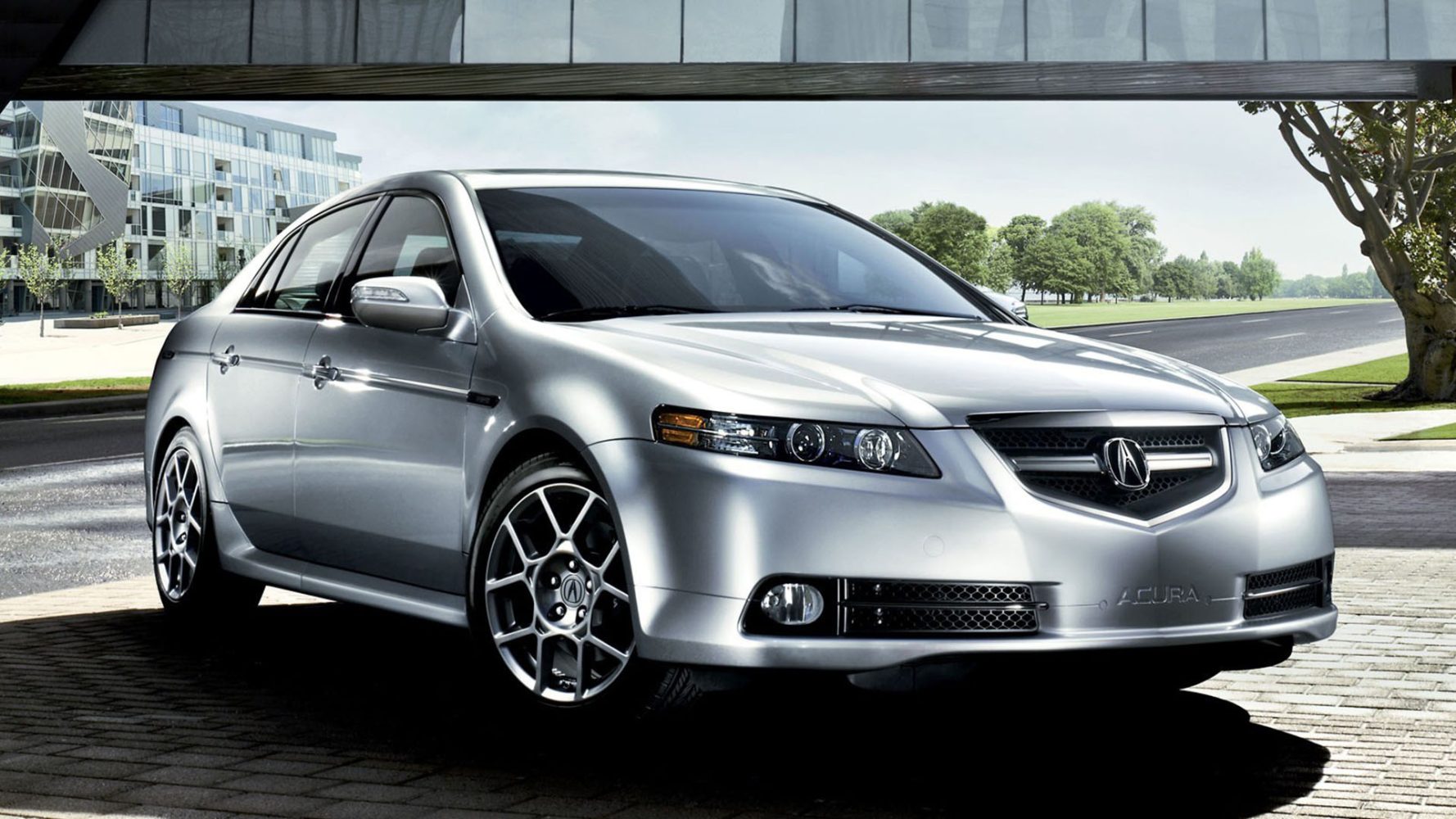
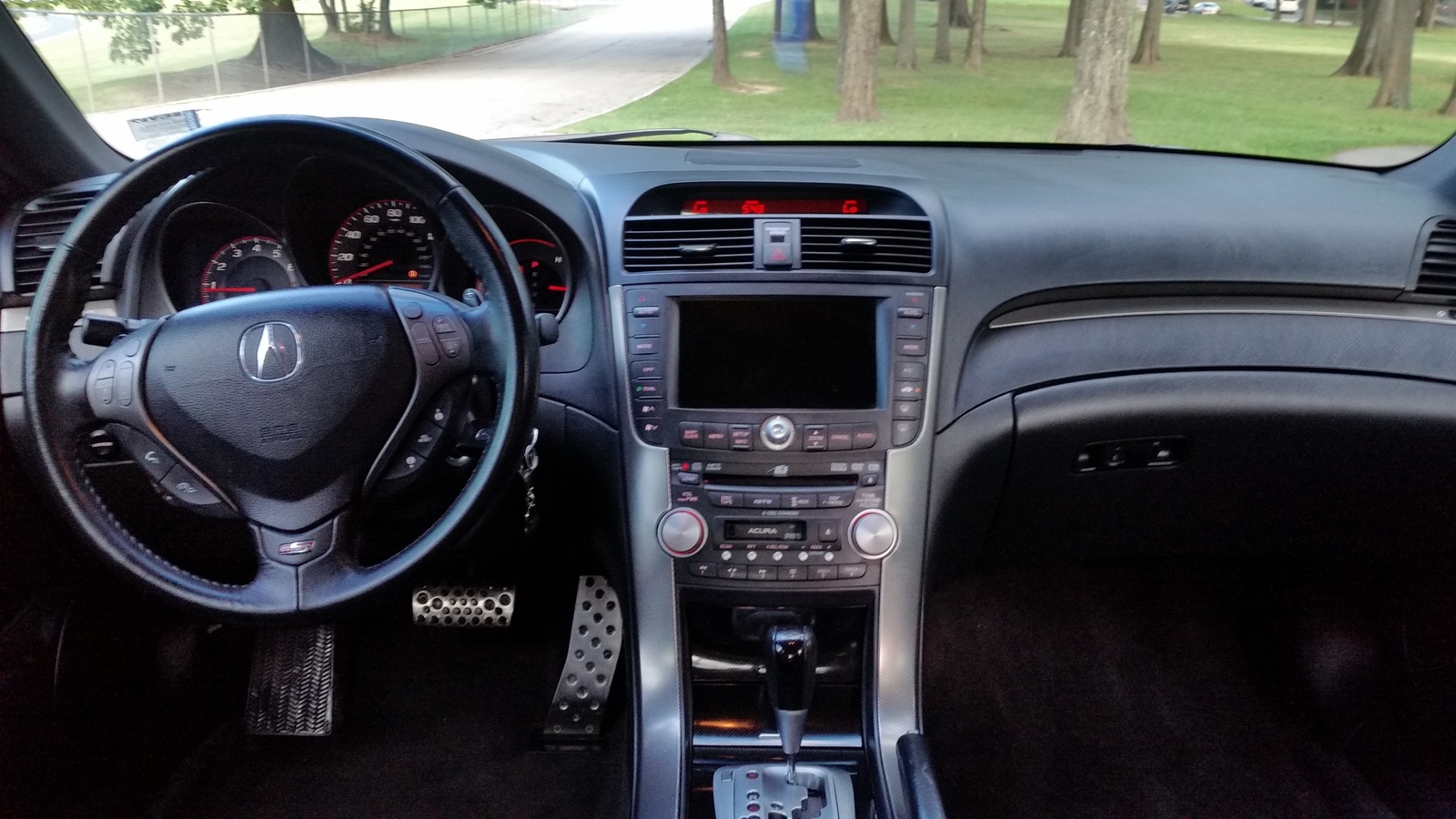
The 2008 Acura TL is widely regarded as the final iteration of the third-generation platform, maintaining the performance output of 258 horsepower for the base model and 286 horsepower for the Type-S variant. While the 2008 model year did not introduce radical mechanical re-engineering compared to the 2007 refresh, it solidified the high-performance standards established during that era of Acura’s design language.
Understanding the 2008 Acura TL Powertrain Architecture
To analyze the performance of the 2008 Acura TL, one must first recognize that the vehicle was offered in two distinct powertrain configurations. The standard TL was powered by a 3.2-liter V6 engine, while the more aggressive Type-S featured a larger 3.5-liter V6.
The 3.2-liter V6 engine, utilizing Acura’s VTEC (Variable Valve Timing and Lift Electronic Control) system, produced 258 horsepower at 6,200 rpm and 233 lb-ft of torque at 5,000 rpm. This engine was specifically designed for a balance between executive luxury cruising and responsive acceleration. Because of the SAE J1349 testing standards adopted by the automotive industry, these figures reflected a realistic assessment of the engine's output under load.
Conversely, the Type-S model was designed to bridge the gap between a standard luxury sedan and a performance-oriented sports car. Its 3.5-liter displacement allowed for an output of 286 horsepower at 6,200 rpm and 256 lb-ft of torque at 5,000 rpm. The inclusion of these specific figures in the 2008 lineup represented Acura's focus on maintaining competitive standing in the mid-size luxury segment against rivals from German and Japanese competitors.
Contextualizing the 2008 Model Year Evolution
Many potential owners or enthusiasts often search for "2008 Acura TL changes" in anticipation of a mid-cycle refresh. However, the most significant mechanical and aesthetic updates for this generation actually occurred in the 2007 model year. By 2008, the car had already undergone the transition to the Type-S designation, which introduced the larger engine, quad exhaust tips, Brembo front brakes, and retuned suspension geometry.
The 2008 model year functioned as a "carryover" year. This means the engineering team focused on quality control and trim-level consolidation rather than altering the horsepower output. For a buyer today in 2026, understanding this is vital for parts sourcing. If you are looking for performance upgrades or maintenance kits, parts labeled for the 2007–2008 TL are generally interchangeable because the powertrain specifications remained static across both years.
Comparison Table: 2008 Acura TL Performance Specs
| Feature | 3.2L V6 (Base) | 3.5L V6 (Type-S) |
|---|---|---|
| Horsepower | 258 hp @ 6,200 rpm | 286 hp @ 6,200 rpm |
| Torque | 233 lb-ft @ 5,000 rpm | 256 lb-ft @ 5,000 rpm |
| Valvetrain | 24-Valve SOHC VTEC | 24-Valve SOHC VTEC |
| Transmission | 5-Speed Automatic | 6-Speed MT or 5-Speed AT |
| Curb Weight | ~3,550 lbs | ~3,580 lbs |
The Impact of Transmission Choice on Power Delivery
In the 2008 Acura TL, the "feel" of the horsepower is heavily dictated by the transmission choice. The base 3.2-liter model was exclusively paired with a five-speed automatic transmission featuring Sequential SportShift. This gearbox was engineered for smooth, linear power delivery, favoring comfort over aggressive downshifts.
The Type-S, however, offered a more visceral experience. While it was also available with the five-speed automatic, the rare six-speed manual transmission model remains the gold standard for enthusiasts. The manual gearbox allowed the driver to hold the 3.5-liter engine in the peak power band, making the 286-horsepower rating feel significantly more substantial than it might in an automatic application.
If you are researching this vehicle for purchase in 2026, it is essential to distinguish between these configurations. The manual transmission in the Type-S also included a limited-slip differential, which allowed the driver to put that power to the ground more effectively during cornering, a distinct advantage over the open-differential automatic models.
Maintenance Considerations for Sustaining Factory Horsepower
Maintaining the rated horsepower in an aging vehicle requires rigorous attention to the powertrain’s health. As these vehicles approach two decades of age, the factory-rated horsepower can easily be compromised by common maintenance oversights.
- Air Intake Integrity: The intake system on the J-series engines is sensitive to debris. A clogged air filter or a cracked intake boot will disrupt the air-fuel ratio, preventing the engine from reaching its peak output.
- Ignition System Health: The 2008 TL utilizes a direct ignition system. If the ignition coils are failing, even intermittently, the engine will suffer from "misfire events" that may not always trigger a check-engine light but will certainly result in a loss of power.
- VTEC Solenoid Function: The VTEC system relies on specific oil pressure to engage the high-RPM camshaft profiles. Using the incorrect viscosity of motor oil or failing to clean the VTEC solenoid screen can result in a "flat" feeling at high RPMs, essentially rendering the engine unable to access its top-end power.
- Fuel Quality and Injectors: With high-compression engines, carbon buildup on the valves is a known issue. Regular use of top-tier gasoline and periodic cleaning of the fuel injectors can ensure that the engine continues to atomize fuel correctly, maintaining the torque levels intended by the factory.
Performance Limitations and Real-World Usage
While the 286 horsepower of the Type-S was impressive for a front-wheel-drive sedan in 2008, it is important to acknowledge the limitations of the platform. The vehicle relies on front-wheel drive, which creates inherent limitations in traction during hard acceleration. Torque steer—the tendency of the steering wheel to pull during aggressive acceleration—is a characteristic of the Type-S that drivers must manage.
In 2026, drivers accustomed to modern vehicles with advanced all-wheel-drive systems and sophisticated traction control may find the 2008 TL’s power delivery to be somewhat "raw." The vehicle does not possess the electronic aids found in newer luxury performance cars, meaning the driver is more directly responsible for managing the power in slick or uneven road conditions.
Frequently Asked Questions (FAQ)
Does the 2008 Acura TL have more horsepower than the 2007 model? No. Both the 2007 and 2008 model years share identical powertrain specifications. The major horsepower increase for the TL line occurred during the transition from the 2006 to the 2007 model year with the introduction of the Type-S trim.
Is it possible to increase the 2008 TL horsepower with aftermarket parts? Yes, though improvements are generally modest without forced induction. Common modifications include high-flow exhaust systems, cold air intakes, and ECU re-flashes. However, these gains are often marginal and may impact long-term reliability.
How does the transmission affect the Type-S performance? The six-speed manual transmission is widely considered the most effective way to utilize the 286-horsepower engine. It includes a limited-slip differential that improves traction and allows for more aggressive acceleration compared to the five-speed automatic.
What is the recommended fuel for the 2008 Acura TL? Premium unleaded gasoline (91 octane or higher) is required to achieve the factory-rated horsepower. Using lower-octane fuel will cause the engine’s knock sensors to retard ignition timing, resulting in a noticeable decrease in performance.
Why does my 2008 TL feel sluggish despite the horsepower rating? Sluggishness in a 2008 TL is typically due to deferred maintenance. Check the condition of your spark plugs, ensure the air filter is clean, and confirm that your oil is at the correct level and viscosity, as the VTEC system depends on optimal oil pressure to perform correctly.
Recommendations for Owners and Enthusiasts
If you are currently the owner of a 2008 Acura TL, the best way to honor the vehicle’s original performance is to strictly adhere to the manufacturer’s maintenance schedule, specifically regarding the timing belt and water pump service interval (typically 105,000 miles). Ignoring this service can result in catastrophic engine failure, which would effectively end the vehicle's lifespan.
For those looking to purchase a used model in 2026, prioritize vehicles with comprehensive service records. A stock, well-maintained 2008 Acura TL Type-S remains one of the most reliable and balanced "modern classics" of the 2000s. Focus on finding a low-mileage example, as the chassis and engine are known to be durable, but they do require consistent care to maintain their peak output and driving dynamics. When test driving, pay close attention to the smoothness of the transmission shifts and the responsiveness of the engine above 4,000 rpm, where the VTEC system should engage with a distinct transition in power delivery.