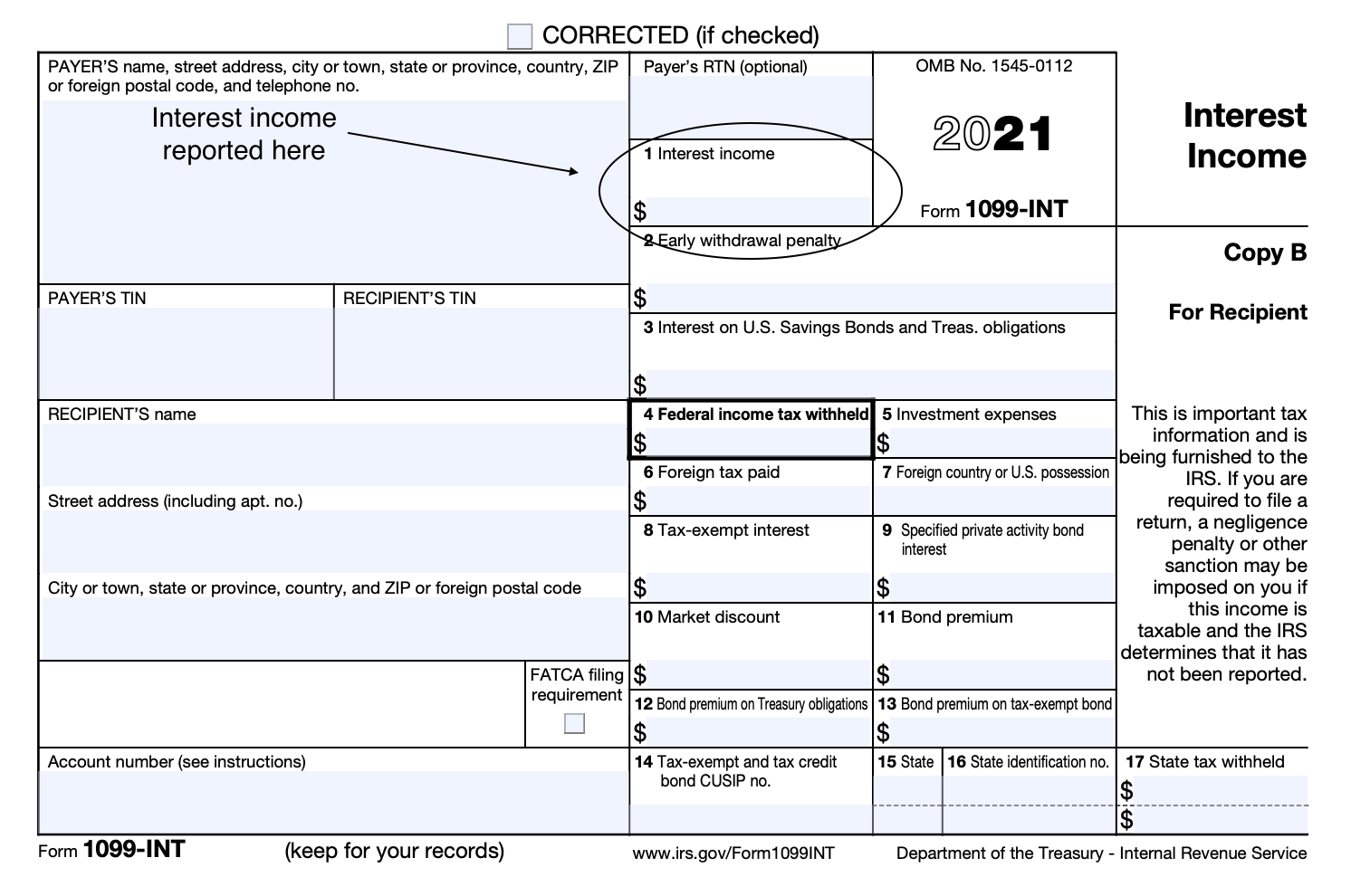
Life insurance dividends are generally considered a return of excess premiums rather than taxable income, but there are specific scenarios where these payments trigger 1099 reporting requirements. Policyholders must distinguish between non-taxable returns of principal and taxable interest earnings, as these classifications dictate whether an insurance company issues an IRS Form 1099-INT or 1099-DIV to the policyholder and the Internal Revenue Service.
The Nature of Life Insurance Dividends
To understand reporting requirements, one must first understand what a "dividend" is in the context of life insurance. Unlike dividends from corporate stocks, which represent a distribution of company profits to shareholders, dividends from a life insurance policy are typically issued by mutual insurance companies. These represent a return of a portion of the premium paid by the policyholder. Because this money was originally paid with after-tax dollars, the return of that premium is generally not considered income by the IRS.
However, complexity arises when those dividends are left to accumulate within the policy. When dividends remain with the insurance company, they often earn interest. While the dividend payment itself is non-taxable, the interest generated by those dividends is taxable. This is the primary trigger for 1099 reporting.
Why 1099 Forms Are Issued
The Internal Revenue Service mandates that insurance companies report certain financial transactions to ensure tax compliance. When a policyholder earns interest on dividends held by the insurer, the insurance company acts as a financial intermediary. Under the Internal Revenue Code, the insurer is required to report this interest income if it exceeds specific thresholds—most commonly $10 or more in a calendar year.
The primary forms involved in this reporting process include:
- Form 1099-INT: Used to report the interest earned on dividends that have been left on deposit with the insurance company.
- Form 1099-DIV: While less common for standard whole life insurance, this form may be used if the dividends are classified differently based on specific policy structures or if they exceed the cumulative premiums paid.
- Form 1099-R: Used when a policy is surrendered or matures, reporting the distribution of earnings that exceed the "investment in the contract" (the cost basis).
Differentiating Taxable vs. Non-Taxable Dividends
The tax treatment of your life insurance dividends hinges on whether the payment creates a taxable event. The following table summarizes the common scenarios encountered by policyholders regarding reporting and tax liability.
| Dividend Action | Tax Status | IRS Reporting Requirement |
|---|---|---|
| Dividends applied to reduce premiums | Non-taxable | Generally no reporting |
| Dividends taken as cash | Non-taxable (up to basis) | No, unless exceeding cost basis |
| Dividends left to accumulate interest | Interest is taxable | Yes, Form 1099-INT |
| Dividends used to purchase paid-up additions | Non-taxable | No |
| Dividends used to pay off policy loans | Non-taxable | No, unless exceeding basis |
Note: "Basis" refers to the total premiums paid into the policy minus any dividends previously received.
When You Will Receive a 1099 Form
You should expect to receive a 1099 form from your life insurance company if you have earned at least $10 in interest on accumulated dividends during the tax year. These forms are typically mailed or made available through secure digital portals by January 31st of the following year.
If you do not receive a form, it does not necessarily mean you have no tax obligations. If you received interest income or experienced a taxable gain on your policy, you are legally responsible for reporting that income on your federal tax return, even if the insurance company was not required to send you a 1099 form. Always cross-reference your internal financial records with the documentation provided by your insurer.
Reporting Requirements for Policy Surrenders
A critical, often overlooked aspect of life insurance reporting occurs when a policy is surrendered, matures, or is partially withdrawn. If the total amount received from the policy—including cash dividends and cash values—exceeds the total premiums paid into the policy, the difference is considered taxable gain.
In this instance, the insurance company will issue a Form 1099-R. This form details the gross distribution and the taxable amount. The taxable amount is essentially the profit you made on the policy. Even if your dividend history was "non-taxable" throughout the life of the policy, the cumulative effect of those values being returned upon surrender can trigger a final reporting event.
Identifying Discrepancies and Troubleshooting
If you receive a 1099 form that you believe is incorrect, the first step is to contact the issuing insurance company’s customer service or policyholder services department. Common discrepancies include:
- Incorrect Social Security Number: A typo in your identifying information can cause the IRS to flag your return.
- Duplicate Reporting: Occasionally, a system error might generate multiple forms for the same interest earnings.
- Interest Earned on Dividends vs. Dividends Paid: The insurer may have reported the total dividend amount instead of just the interest, leading to an inflation of your reported income.
- Timing Differences: If you withdrew dividends late in the year, the insurer might have credited them to the wrong tax period.
If the insurance company acknowledges an error, they will issue a "Corrected" version of the 1099 form. Always maintain the original erroneous form for your records alongside the corrected version to provide a clear audit trail.
Managing Your Records for Tax Season
To navigate 1099 reporting effectively, maintain a "Policy File" that includes the original policy contract, annual statements, and all 1099 forms received over the years. Because life insurance policies can span decades, finding documentation from 20 or 30 years ago is essential for calculating your cost basis when a taxable event eventually occurs.
If you have misplaced your 1099 forms for the current year, most major insurance carriers provide digital access via their official websites. Log in to your account and navigate to the "Tax Documents" or "Statements" section. If you cannot locate the document, request a duplicate from the company’s tax department; they are required to keep copies of all filed information returns for several years.
Professional Advice and Limitations
While this guide provides an overview of reporting standards, individual tax situations vary based on state laws, the specific type of life insurance product (e.g., universal vs. whole life), and the history of your policy withdrawals.
Financial and tax laws are subject to change. This information is intended for educational purposes and should not be construed as professional tax or legal advice. If you are dealing with a large cash value withdrawal, an exchange of policies (such as a 1035 exchange), or are unsure about your cost basis, consult with a certified public accountant or a tax attorney who specializes in insurance products.
Frequently Asked Questions
1. Does receiving a 1099 for life insurance dividends mean I have to pay tax on the dividend itself?
No. In most cases, the dividend is a return of premium and is not taxable. The 1099-INT is specifically for the interest that the dividend earned while it sat in your account. You only pay taxes on that interest, not on the original dividend amount.
2. Can I use the 1099 form to calculate my cost basis?
The 1099 form is a record of income for the IRS, not a statement of your total cost basis. To determine your cost basis, you must review your policy’s historical premium payment records. Your insurer may be able to provide a "Statement of Benefits" or "Cost Basis Report" upon request.
3. What if I get a 1099-INT for a policy I already surrendered?
It is possible to receive a 1099-INT for interest earned up until the date of surrender. If the interest was earned during the calendar year, even if the policy was closed shortly after, the insurer is still required to report that income.
4. Are dividends on variable life insurance reported the same way?
Variable life insurance dividends (often called "excess interest" or returns) are treated differently because they are tied to investment accounts. These are more likely to have taxable components compared to dividends from traditional whole life policies. Always review the specific 1099-DIV or 1099-INT provided for your variable products, as they may contain more complex tax reporting requirements.
5. What is the $10 threshold for 1099 reporting?
The IRS generally requires financial institutions to report interest income of $10 or more. If you earned less than $10, the company is typically not required to send a form, but you are still technically responsible for reporting all income, regardless of the amount, on your tax return.
Next Actions
If you are currently managing a life insurance policy, verify that your contact information is up to date with your insurer to ensure you receive your tax forms promptly. If you have significant accumulated dividends, request an annual statement from your provider that clearly separates your "accumulated interest" from your "cash value." Keeping these figures clearly labeled in your tax file will simplify your filings in 2026 and beyond.