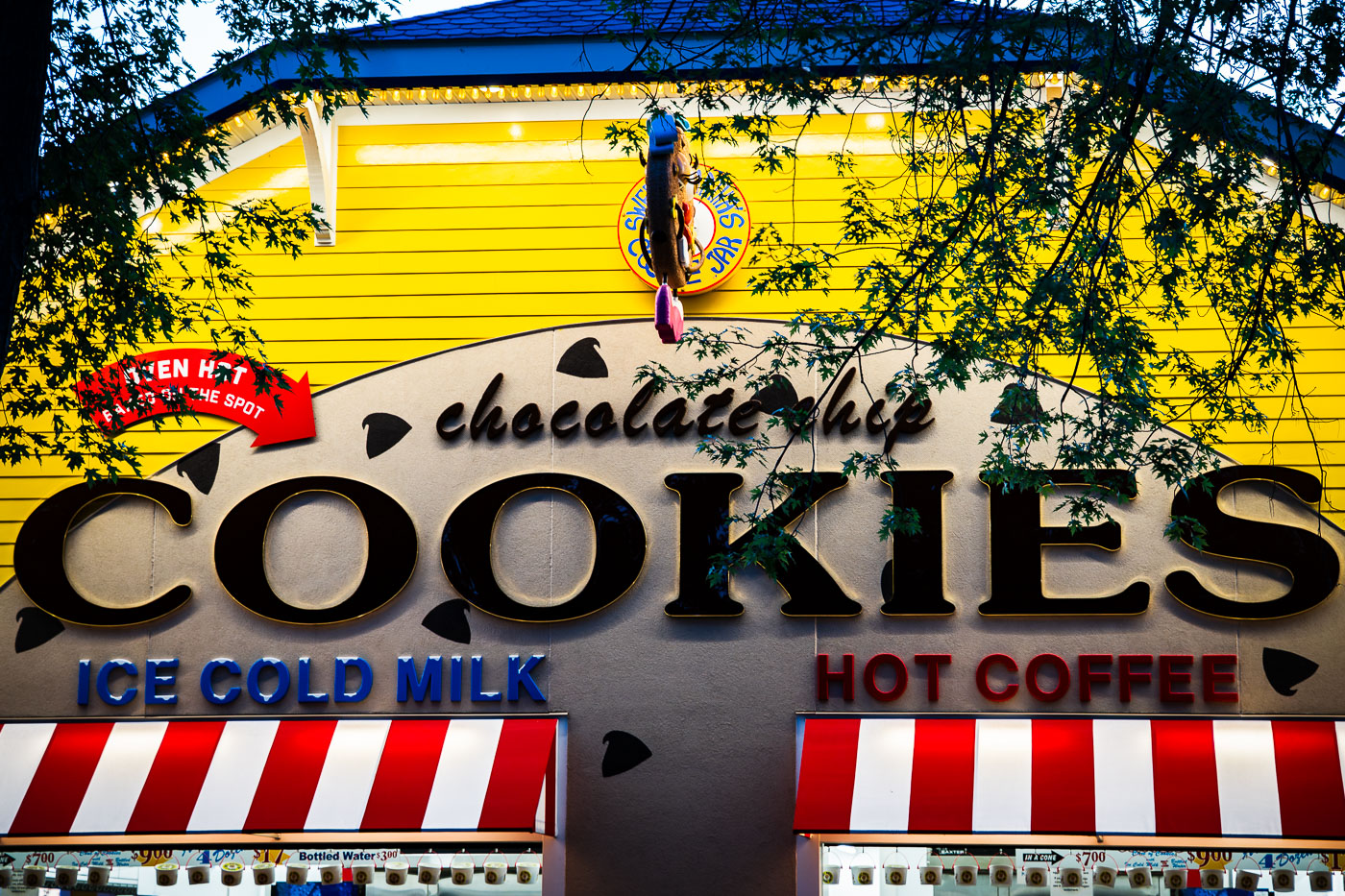
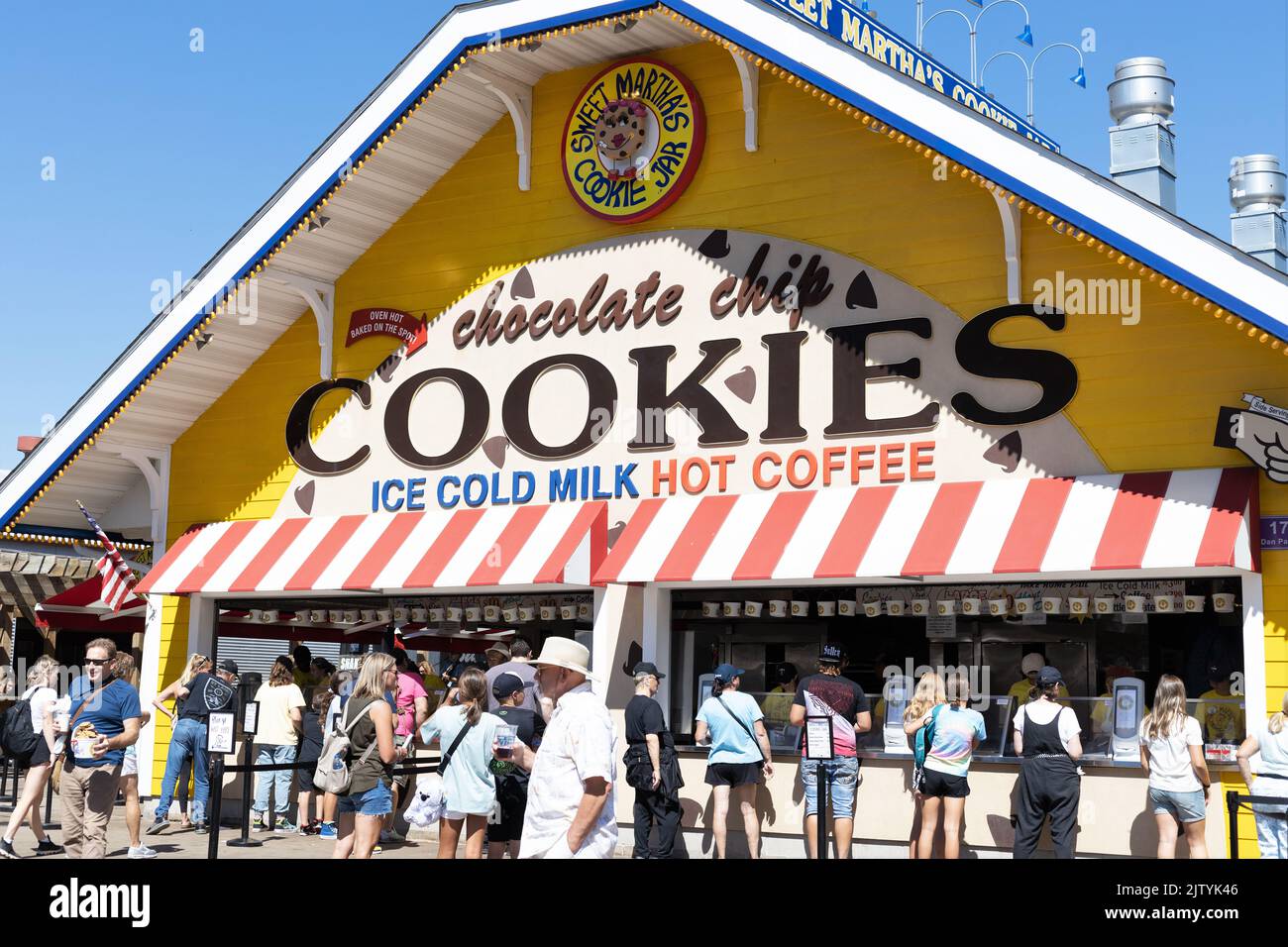
In 2017, Sweet Martha’s Cookie Jar achieved a record-breaking gross revenue of approximately $4.38 million during the 12-day Minnesota State Fair. While the brand's total enterprise net worth is estimated to exceed $12 million when accounting for its massive seasonal sales, year-round retail frozen dough business, and brand equity, the 2017 fair remains a benchmark for its dominance in the concession industry.
The Minnesota State Fair, colloquially known as "The Great Minnesota Get-Together," is a powerhouse of seasonal commerce. Among the hundreds of vendors, one name stands as the undisputed titan of the fairgrounds: Sweet Martha’s Cookie Jar. The fascination with the business's "net worth" and its 2017 performance stems from a year where the company didn't just lead the pack—it redefined what a small-scale food vendor could achieve in a two-week window.
To understand the financial magnitude of Sweet Martha's, one must look past the chocolate chips and examine the logistics, market positioning, and the specific economic conditions of 2017 that propelled the brand to a level of success that many permanent restaurants fail to reach in a lifetime.
The 2017 Revenue Milestone: Breaking Down the $4.38 Million
The year 2017 was a perfect storm for Minnesota State Fair vendors. With a total attendance of 1,997,320 people, it set a new all-time record at the time. Sweet Martha’s Cookie Jar capitalized on this foot traffic with three strategically placed locations across the fairgrounds.
According to official revenue reports released by the Minnesota State Fair, Sweet Martha’s grossed $4,383,677 in 2017. To put this in perspective, the second-highest grossing vendor that year, Mouth Trap Cheese Curds, brought in approximately $1.19 million. Sweet Martha’s didn't just win; they earned nearly four times the revenue of their closest competitor.
Revenue vs. Net Worth
It is important to distinguish between "gross revenue" and "net worth." Gross revenue is the total amount of money collected from sales before any expenses are deducted. Net worth, or enterprise value, refers to the total value of the business as an asset.
For a business generating over $4 million in a single 12-day event, plus significant revenue from frozen dough sales in regional grocery stores like Cub Foods and Target, a $12 million valuation in 2017 was considered a conservative estimate by many business analysts. By 2026, with inflation and continued growth, that enterprise value has only appreciated.
The Economics of the Cookie Pail
The primary driver of the 2017 revenue was the iconic "pail" of cookies. Sweet Martha's business model relies on a high-volume, low-complexity menu. By focusing almost exclusively on a single product—freshly baked chocolate chip cookies—they maximize efficiency.
- The Upsell Strategy: The difference in price between a "cone" of cookies and a "pail" encourages customers to opt for the bucket. In 2017, the pail became a status symbol of the fair, often seen overflowing as fairgoers navigated the crowds.
- Volume over Margin: While the cost of ingredients (flour, sugar, chocolate chips) is relatively low, the volume is staggering. At peak times, Sweet Martha's locations can produce up to 190,000 cookies per hour.
- The "Milk Factor": The proximity of the American Dairy Association’s "All You Can Drink Milk" stand creates a symbiotic relationship that drives sales for both entities, though Sweet Martha's remains the primary destination.
Top Grossing Vendors at the 2017 Minnesota State Fair
The following table illustrates the financial gap between Sweet Martha's and other top-tier vendors during the 2017 season.
| Vendor Name | 2017 Gross Revenue | Primary Product |
|---|---|---|
| Sweet Martha’s Cookie Jar | $4,383,677 | Chocolate Chip Cookies |
| Mouth Trap Cheese Curds | $1,189,451 | Cheese Curds |
| Midwest Dairy Association | $1,003,267 | Milk & Dairy Products |
| Giggles' Campfire Grill | $638,000 | Specialty Meats/Walleye |
| Corn Roast | $612,500 | Roasted Corn on the Cob |
Data based on 2017 Minnesota State Fair annual financial disclosures.
The Logistics of a Multi-Million Dollar Operation
Reaching a $4.38 million gross in 12 days requires more than just a good recipe; it requires industrial-grade logistics. The operation is a masterclass in seasonal business scaling.
High-Speed Baking
Sweet Martha's utilizes custom-designed ovens that allow for a continuous flow of cookies. Unlike a standard bakery that bakes in batches, these ovens move cookies through a heated chamber on a conveyor system, ensuring that the cookies are always served hot—a key component of their brand promise.
Staffing and Labor
During the fair, the company employs over 700 people, many of whom are high school and college students. This massive labor force is necessary to manage the three locations (the original on Dan Patch Avenue, the North Snelling Avenue location, and the West Dan Patch location). The 2017 expansion to the North Snelling location was a major factor in their ability to cross the $4 million threshold, as it allowed them to capture traffic entering from the north end of the fairgrounds.
Supply Chain Management
In 2017, the sheer volume of ingredients was nearly hard to comprehend. Estimates for a typical record-breaking year include:
- Over 500 tons of cookie dough.
- Millions of chocolate chips.
- Thousands of gallons of water and cleaning supplies to maintain food safety standards amidst the fair's high-dust environment.
Brand History and the "Martha" Behind the Jar
Sweet Martha’s was founded in 1976 by Martha Rossini Olson, her husband Gary Olson, and their friend Neil O'Leary. Martha, a former art teacher, initially struggled to get a booth at the fair, as the board was skeptical about a vendor selling only cookies.
The persistence of the founders paid off. By the mid-1980s, the brand had become a staple. The 2017 success was the culmination of 40 years of brand building. Martha Rossini Olson has often been cited as one of the most successful female entrepreneurs in Minnesota, turning a small fair booth into a business with a multi-million dollar net worth.
Challenges and Costs: The Reality of the "Net"
While a $4.38 million gross is impressive, the "net" profit is significantly lower. The costs of operating at the Minnesota State Fair are substantial:
- Fair Commission: The Minnesota State Fair takes a percentage of gross sales from every vendor, typically ranging from 15% to 20%. In 2017, Sweet Martha's paid hundreds of thousands of dollars in percentage fees alone.
- Labor Costs: Payroll for 700+ employees, including insurance and management overhead, is a massive line item.
- Infrastructure: Maintaining three permanent buildings on the fairgrounds, which sit idle for 353 days of the year, involves significant property taxes and maintenance costs.
- Retail Competition: While the fair is their peak, the year-round frozen dough business faces stiff competition from national brands like Nestlé and Pillsbury, requiring constant marketing spend.
The Long-Term Value of the Brand in 2026
Fast-forwarding to 2026, the value of Sweet Martha’s Cookie Jar has stabilized as a regional icon. The 2017 record was eventually surpassed in subsequent years (notably 2018 and 2019), but 2017 remains the year that proved the "North Snelling expansion" was a financial masterstroke.
The brand's net worth is supported by its diversification. By moving into the frozen food aisle of grocery stores, the company protected itself from the risks of a single-event revenue stream (such as a fair cancellation, which occurred in 2020). This retail presence provides a "valuation floor" that makes the business attractive to potential private equity buyers, should the founders ever choose to exit.
Frequently Asked Questions
How much did Sweet Martha’s make in 2017?
Sweet Martha’s Cookie Jar grossed exactly $4,383,677 during the 2017 Minnesota State Fair. This represented a significant increase over previous years and solidified their position as the fair's top-earning vendor.
What is the estimated net worth of the Sweet Martha’s company?
As of the mid-2020s, the enterprise value of Sweet Martha’s Cookie Jar, Inc. is estimated between $15 million and $25 million. This includes the value of their fairground real estate, their highly successful retail frozen dough line, and the immense brand equity built over five decades.
Who owns Sweet Martha’s Cookie Jar?
The company is privately owned by its founders: Martha Rossini Olson, Gary Olson, and Neil O'Leary. It remains a family-operated business based in Minnesota.
Why is the 2017 fair revenue so famous?
2017 was a landmark year because it was the first time a vendor neared the $4.5 million mark in a single 12-day run, and it occurred during a record-breaking year for fair attendance. It proved that the market for "bucket cookies" had not yet reached its saturation point.
How many cookies does Sweet Martha's sell a day?
During a peak Saturday at the fair, the company can sell upwards of 2 million cookies. The 2017 season saw a total estimated production of over 12 million cookies throughout the duration of the event.
Recommendations for Fair Enthusiasts and Entrepreneurs
For those looking to understand the "Sweet Martha's Effect," the 2017 data offers several key lessons in business and consumer behavior:
- Specialization Wins: Sweet Martha’s proves that doing one thing—chocolate chip cookies—exceptionally well is often more profitable than having a broad, mediocre menu.
- Scalability is Key: Their investment in custom conveyor ovens allowed them to meet demand that would have crippled a traditional bakery. If you are a vendor, focus on your "throughput."
- Experience over Product: People don't just buy the cookies; they buy the experience of carrying the overflowing pail and sharing it with friends. In 2026, the "Instagrammability" of the product continues to drive its success.
- Strategic Expansion: The 2017 revenue jump was largely due to the third location. Knowing when and where to expand your physical footprint is as important as the product itself.
The story of Sweet Martha’s in 2017 is a testament to the power of tradition combined with modern industrial efficiency. It remains a cornerstone of Minnesota business history and a primary example of how a seasonal venture can build a net worth that rivals year-round corporations.