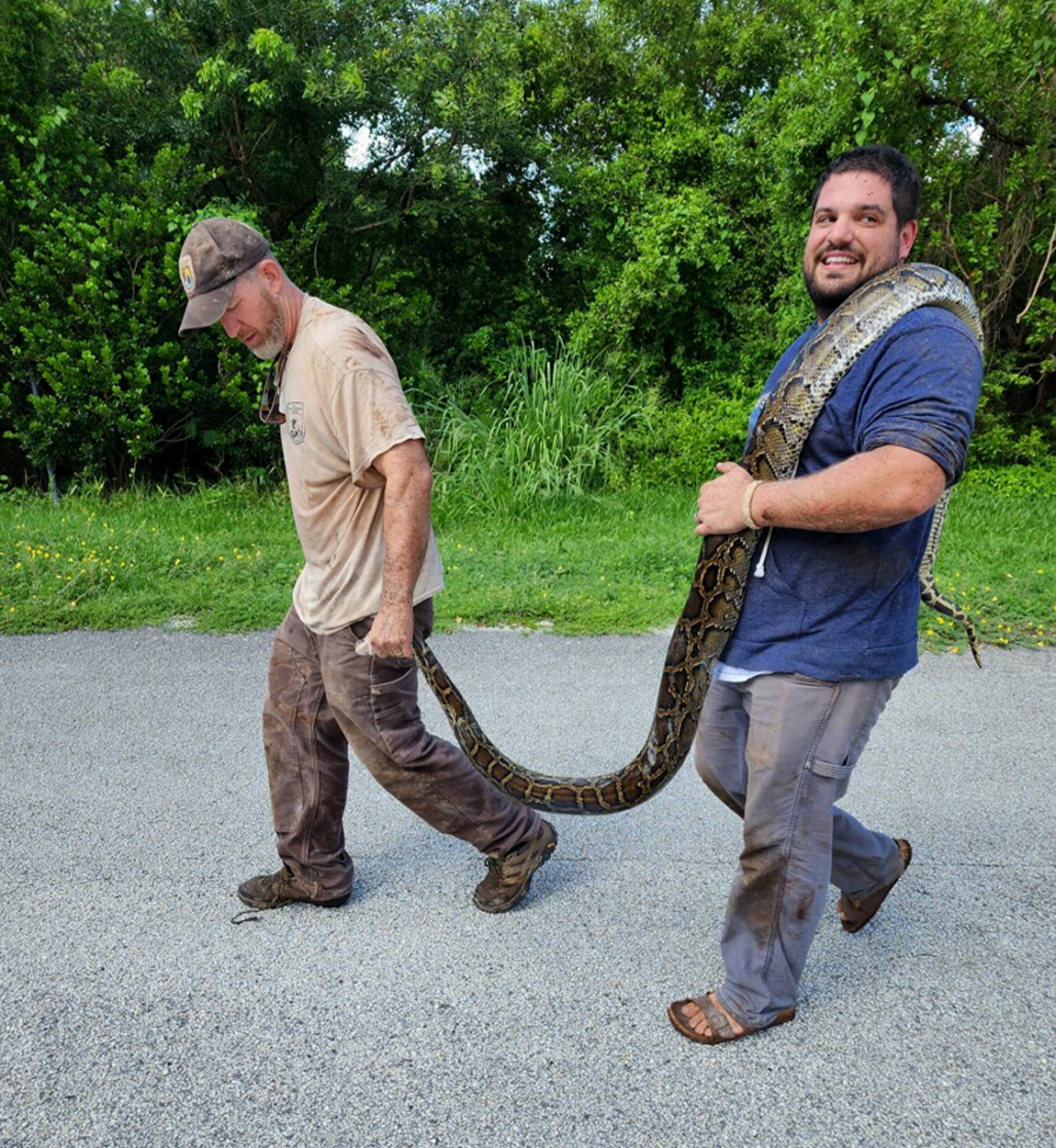
Pythons do inhabit the broader Orlando area, though established breeding populations of invasive constrictors like the Burmese python are primarily concentrated in South Florida. Central Florida occasionally records sightings of escaped or released pets, alongside native snake species that are frequently mistaken for pythons.
Introduction to Wildlife Dynamics in Central Florida
The question of whether pythons live in Orlando touches on broader issues of invasive species management, urban wildlife encounters, and the ecological health of the American Southeast. Florida's subtropical climate, diverse wetland habitats, and extensive green spaces make it an attractive environment for various reptile species. However, when people ask about pythons in Orlando, they are usually expressing concern over the large invasive constrictors—such as the Burmese python (Python bivittatus)—that have heavily impacted the ecosystem of the Everglades further south.
To understand the reality on the ground in Orlando and Orange County, it is necessary to examine how non-native species arrive, where they survive, how state wildlife agencies monitor them, and how to distinguish them from native wildlife. While South Florida remains the epicenter of the Burmese python invasion, Central Florida experiences occasional sightings. These instances are typically managed on a case-by-case basis by the Florida Fish and Wildlife Conservation Commission (FWC) and local animal services, ensuring public safety while preventing established populations from taking root.
Geographic Distribution of Pythons in Florida
The Burmese python, native to Southeast Asia, was introduced to Florida largely through the exotic pet trade. While the pet trade operated statewide, the environmental conditions and expansive, difficult-to-navigate wilderness of South Florida allowed escaped or released snakes to thrive, reproduce, and expand their range.
South Florida vs. Central Florida Habitats
South Florida provides an ideal subtropical marshland habitat with mild winters and vast expanses of protected wetlands, such as the Everglades, Big Cypress National Preserve, and associated sloughs. These areas offer abundant prey, including raccoons, opossums, rabbits, wading birds, and even white-tailed deer, alongside minimal freezing temperatures that would otherwise limit tropical reptiles.
By contrast, Central Florida—including Orlando, Kissimmee, and surrounding Orange, Osceola, and Seminole counties—experiences slightly cooler winter temperatures. While these temperatures rarely drop low enough to instantly kill a large adult python, extended periods of winter cold can slow metabolic processes and create ecological barriers that have historically prevented large-scale breeding populations from establishing. Consequently, while individual pythons can survive in Orlando if released or escaped, they are generally considered transient individuals rather than part of a self-sustaining regional population.
FWC Monitoring and Removal Data
The Florida Fish and Wildlife Conservation Commission tracks non-native species reports through specialized hotlines and online reporting tools. According to FWC distribution maps and non-native wildlife summaries, the vast majority of verified Burmese python removals occur south of Lake Okeechobee, particularly in Miami-Dade, Collier, Monroe, and Broward counties.
However, verified sightings and captures do occur occasionally in Central Florida. These events are usually linked to intentional or accidental releases by pet owners who can no longer care for large constrictors. The FWC operates the Exotic Pet Amnesty Program, which allows owners to surrender exotic animals legally and without penalty, helping to mitigate the number of animals released into the wild in urban and suburban areas like Orlando.
| Region in Florida | Burmese Python Status | Primary Drivers |
|---|---|---|
| South Florida | Established, reproducing population | Subtropical climate, vast inaccessible wetlands, abundant mammalian prey |
| Central Florida (Orlando) | Occasional transient sightings / Removals | Escaped or released pets, colder winter limiting factors |
| North Florida | Rare/Accidental occurrences | Colder winter temperatures, unsuitable climate for long-term survival |
Native Lookalikes: What Orlando Residents Usually Encounter
Many reports of "pythons" in Orlando yards, parks, or retention ponds turn out to be native snakes. Because non-venomous and venomous native species often grow quite large in Florida's fertile environment, residents frequently misidentify them. Understanding these native species helps reduce unnecessary panic and ensures that local wildlife is treated appropriately.
The Eastern Diamondback Rattlesnake
The Eastern Diamondback Rattlesnake (Crotalus adamanteus) is the largest venomous snake in the United States and is native to Central Florida. While it is a viper rather than a constrictor, its heavy-bodied appearance and distinct diamond-shaped pattern can lead panicked observers to mistake it for a large exotic snake. Unlike pythons, rattlesnakes possess vertical pupils, facial pits for heat sensing, and a characteristic rattle at the end of the tail.
The Southern Black Racer and Yellow Rat Snake
Non-venomous snakes are far more common in Orlando residential neighborhoods. The Southern Black Racer (Coluber constrictor priapus) is sleek, fast-moving, and common in suburban gardens. Meanwhile, the Yellow Rat Snake (Panthera alleghaniensis) is an adept climber often found in trees, attics, or around outbuildings. Rat snakes can grow quite long—sometimes exceeding six feet—and may kink their bodies or vibrate their tails when cornered, mimicking defensive behaviors associated with larger constrictors.
Ecological Impacts and Management Strategies
The introduction of non-native constrictors represents a significant challenge for wildlife managers across Florida. Even though Orlando does not face the dense populations found in the Everglades, the potential ecological risks warrant strict regulations and proactive monitoring.
Regulations on Reptile Ownership
To prevent the proliferation of invasive species, the State of Florida maintains stringent regulations regarding conditional and prohibited reptiles. Species such as the Burmese python, reticulated python, northern African rock python, and green anaconda are classified as prohibited species. Under FWC rules enacted in recent years, private ownership of these species for personal pets is heavily restricted or phased out, requiring specialized permits, microchipping, and secure housing facilities. Commercial breeding and importation are strictly controlled. These regulatory measures aim to cut off the supply chain that historically fueled wild populations through accidental escapes and irresponsible releases.
Public Reporting and Removal Protocols
For residents living in Orlando who suspect they have encountered a python or any unfamiliar large reptile, the recommended course of action involves professional intervention. Attempting to capture a large constrictor poses physical risks, including severe bites or constriction.
- Observe from a safe distance: Keep children and pets away from the area immediately.
- Note the location: Take note of specific landmarks, street names, or park trails to guide responders.
- Take a photograph if safe: A clear photograph helps wildlife experts identify the species before dispatching a response team.
- Contact authorities: Report the sighting to the FWC Exotic Species Reporting Hotline at 888-Ive-Got1 (888-483-4681) or use the official IveGot1 mobile application.
Frequently Asked Questions
Are pythons dangerous to humans in Orlando?
While large pythons are powerful constrictors capable of subduing medium-sized mammals, attacks on humans are exceptionally rare, even in areas where populations are dense. In Orlando, where pythons are not established and only appear as occasional escapees, the statistical risk of encountering one is extremely low. However, any large wild animal should be treated with caution and left undisturbed.
How do pythons get into urban areas like Orlando?
Almost all pythons found in urban and suburban Orlando are former pets that either escaped from enclosures or were illegally released by owners who could no longer manage their size, dietary requirements, or housing costs.
Can pythons survive a Central Florida winter?
Central Florida experiences periodic winter freezes and lower average winter temperatures than South Florida. While adult pythons can sometimes endure short cold snaps by seeking underground burrows or sheltered structures, prolonged freezing weather restricts their long-term survival and prevents them from establishing stable breeding colonies comparable to those in the Everglades.
What should I do if I find a large snake in my Orlando yard?
Do not attempt to capture or kill the snake. Maintain a safe distance, keep pets indoors, and take a photograph if it is safe to do so. Contact the FWC’s Exotic Species Hotline or a licensed local nuisance wildlife removal professional to handle the animal safely and legally.
Practical Guidance for Property Owners
Managing property to discourage unwanted wildlife encounters in Orlando involves maintaining clear habitats around homes and outbuildings. Pythons and other large snakes seek out shelter, moisture, and food sources such as rodents. Keeping lawns mowed, clearing dense brush piles, sealing crawl spaces, and securing garbage cans help minimize the rodent populations that attract predators.
By staying informed about local wildlife, supporting native biodiversity, and adhering strictly to state regulations regarding exotic pet ownership, Orlando residents help prevent invasive species from gaining a foothold in Central Florida ecosystems.