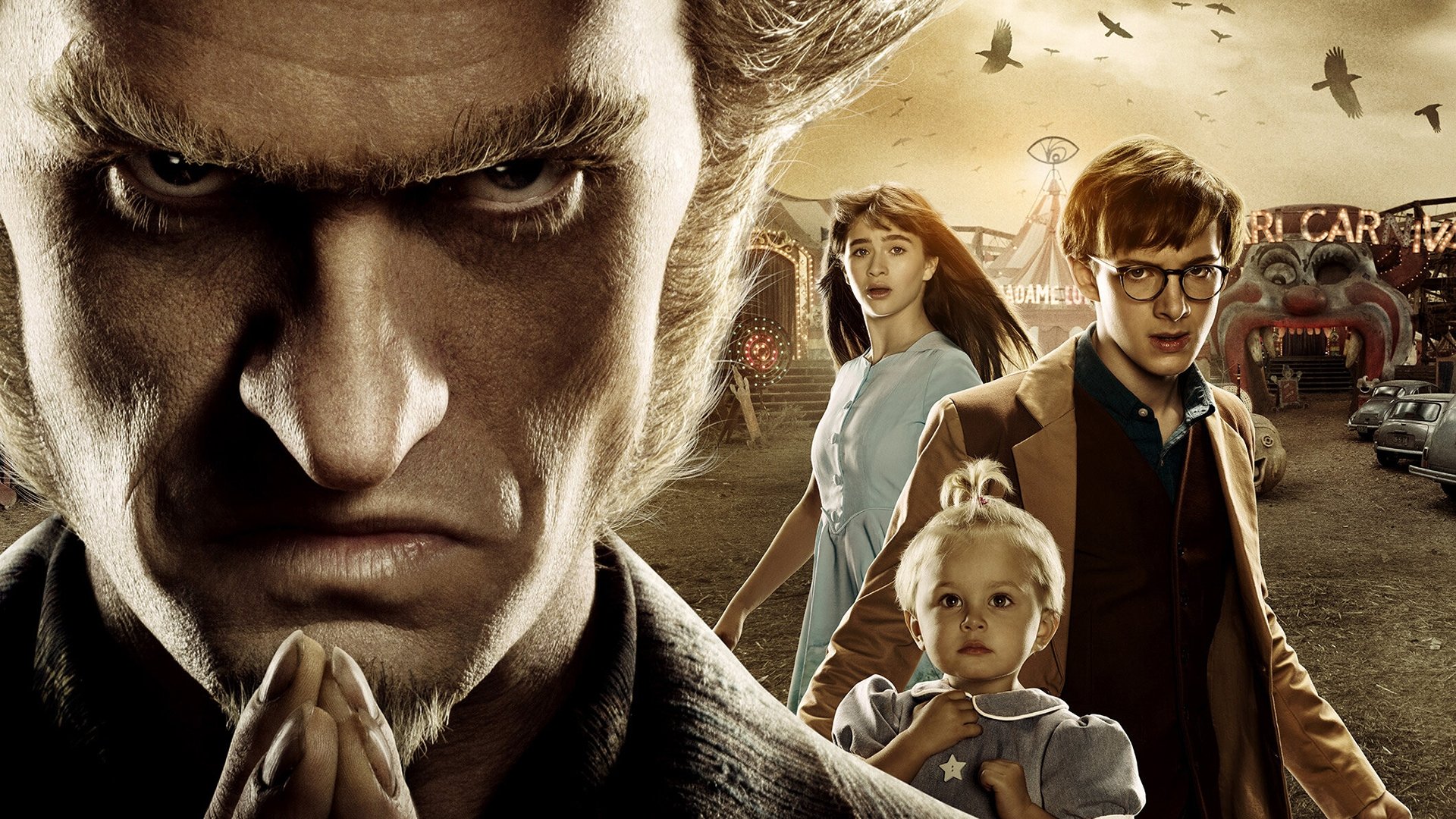
The trailers for the Netflix adaptation of A Series of Unfortunate Events serve as essential gateways for audiences to understand the series' unique blend of gothic aesthetics, dark humor, and narrative structure. Across its three seasons, these trailers established the tone of Lemony Snicket’s world, providing viewers with critical insights into the production quality, casting choices, and the evolving stakes of the Baudelaire orphans' journey.
Understanding the Role of Promotional Trailers in the Series
Promotional trailers for television series, particularly those based on high-profile literary properties, function as more than simple advertisements; they are essential instruments for establishing tone and managing viewer expectations. For A Series of Unfortunate Events, the primary challenge for the production team was to convey the specific, whimsical yet grim atmosphere found in Daniel Handler’s (writing as Lemony Snicket) source material.
When the first teaser trailers were released in 2016, they successfully established the "unfortunate" nature of the story by focusing on the unreliable narration of Lemony Snicket, portrayed by Patrick Warburton. By prioritizing the atmosphere over rapid-fire action sequences, the trailers signaled to audiences—both fans of the books and newcomers—that the series would prioritize the dry, ironic humor and the somber, stylized production design that define the franchise.
Understanding these trailers requires looking at them as historical artifacts of the show’s rollout. They highlight the shift in marketing strategy from the initial announcement—which focused on the mystery and the character of Count Olaf—to the later seasons, which leaned into the growing ensemble cast and the escalating complexity of the V.F.D. (Volunteer Fire Department) conspiracy.
Analyzing the Evolution of Season-Specific Trailers
The marketing campaign for A Series of Unfortunate Events spanned from 2016 to 2019, with each season’s promotional cycle adapting to the expanding narrative scope.
Season One: The Introduction to Disappointment
The trailers for the first season were intentionally designed to discourage viewers from watching. By utilizing Lemony Snicket as a fourth-wall-breaking narrator, the marketing mirrored the meta-textual nature of the books. These teasers focused heavily on the visual language of the show: the desaturated color palettes, the Victorian-gothic architecture, and the caricature-like villainy of Neil Patrick Harris as Count Olaf. For a new audience, this was crucial, as it clearly defined the show as a dark comedy rather than a standard children’s fantasy.
Season Two and Three: Increasing Complexity
As the narrative progressed into the second and third seasons, the trailers pivoted. They stopped focusing purely on the Baudelaire orphans’ search for a guardian and began highlighting the introduction of iconic characters like Esmé Squalor and the Quagmire triplets. These later trailers are particularly useful for prospective viewers who want to see the evolution of the series' visual effects and the deepening of the V.F.D. mystery, which becomes the central driving force of the latter half of the story.
Technical and Aesthetic Markers in the Promotional Media
The production value of the trailers for A Series of Unfortunate Events provides a reliable preview of the series' overall technical capabilities. High-quality trailers for the show generally exhibit several recurring technical markers:
- Color Grading: Notice the intentional use of muted tones, which emphasize the "unfortunate" and bleak environment the children inhabit.
- Production Design: The trailers prominently feature the set design, which is essential to the show’s identity. The transition from the dreary streets of the city to the austere Academy and the expansive landscapes of the later seasons is often telegraphed in these clips.
- Narrative Pacing: Unlike trailers for high-octane thrillers, these trailers often feature slow, deliberate voiceovers. This pacing is a technical choice to align with the literary source material, ensuring that the viewer understands the importance of the narration.
Comparison of Promotional Content Delivery
To differentiate between various types of promotional media for the series, one should categorize them by their intent and focus. The following table illustrates how different types of trailers serve different viewer needs.
| Media Type | Primary Focus | Best For |
|---|---|---|
| Teaser Trailers | Establishing Atmosphere | New viewers who want to grasp the "feel" of the show. |
| Official Trailers | Plot Exposition | Viewers evaluating if the narrative complexity fits their interests. |
| Character Spotlights | Cast Performance | Fans interested in specific acting styles or character arcs. |
| Behind-the-Scenes | Production/Craft | Viewers interested in set design, costumes, and adaptation choices. |
Prerequisites for Engaging with the Promotional Material
If you are currently deciding whether to commit to watching the full series based on these trailers, there are a few prerequisites to keep in mind. The trailers are accurate representations of the series' tone, but they do not capture the entirety of the viewing experience:
- A Tolerance for Dry Humor: If the trailers' narration strikes you as overly somber or ironic, the show itself will likely feel the same way. The marketing is transparent about the "unhappy" nature of the story.
- Appreciation for Stylization: If you find the visual aesthetic in the trailers distracting or artificial, it is important to note that this is a deliberate creative choice that persists throughout the entirety of the series.
- Narrative Commitment: The trailers hint at a larger mystery. Be prepared for a show that demands attention to detail, as the trailers often hide clues to the V.F.D. plotline in the background.
Common Misconceptions Regarding the Trailers
A frequent point of confusion for potential viewers is the perceived target audience. Because the source material started as a children’s book series, some viewers assume the trailers are highlighting a program for young children. However, the promotional material—especially the later trailers—makes it clear that the show contains themes of grief, institutional corruption, and complex moral ambiguity. The trailers for the final season, in particular, move away from the "Olaf versus the Orphans" dynamic and into a more mature exploration of the series' core questions.
Troubleshooting Your Viewing Experience
If you are watching the trailers to determine if the show is appropriate for younger members of your family, consider the following:
- Consult the Rating: Always check the maturity rating provided alongside the trailer. The series is rated TV-PG, but the thematic elements involving the death of parents and psychological manipulation may be intense for younger viewers.
- Narrative Intensity: If the trailers feel too heavy, the actual episodes will contain more of the same. The humor is designed to balance this, but the underlying subject matter remains consistent.
- Episode Pacing: Note that the trailers condense the plot significantly. The actual series unfolds at a slower, more methodical pace, dedicating two episodes to each book in the original series.
Frequently Asked Questions
Are the trailers for A Series of Unfortunate Events representative of the actual show's quality? Yes. The trailers are produced with the same care and visual aesthetic as the show itself. Because the series relies heavily on a consistent, stylized production design, the trailers provide a very accurate reflection of what you will see on screen.
Do the trailers contain major spoilers for the series? Generally, no. The trailers focus more on the recurring premise—the Baudelaire children outwitting Count Olaf—rather than the specific resolutions of each season’s narrative. However, the Season 3 trailers do reveal more about the culmination of the V.F.D. mystery, so caution is advised if you prefer to go in completely blind.
Where can I find the official, high-definition trailers? As of 2026, the most reliable way to view the official trailers is through the official Netflix YouTube channel or their media archive. Avoid third-party aggregators that may host compressed or incorrectly formatted versions, as these will not accurately convey the color grading and visual fidelity of the original production.
Why does the narrator in the trailer seem so pessimistic? The narrator is Lemony Snicket, a character whose defining trait is his mournful and pessimistic outlook on the events he describes. The trailers accurately capture this as a stylistic element of the storytelling; the pessimism is a feature of the show's dark comedy, not a reflection of the production quality.
Does the series change significantly from the tone established in the first trailer? While the show becomes more complex and the mythology of the V.F.D. is expanded upon in later seasons, the fundamental tone established in the initial teaser remains consistent. The show maintains its commitment to the "unfortunate" aesthetic until the conclusion.
Practical Next Actions
If you are using these trailers to decide whether to start the series, your next action should be to watch the Season 1 "Official Trailer" to gauge your reaction to the narration style and visual design. If you find the tone engaging, proceed to watch the first two episodes. If the tone does not resonate with you, the remaining episodes will likely not change your mind, as the series remains dedicated to this specific narrative voice throughout its entire duration. By treating the promotional material as a preview of the show's unique "voice," you can easily determine if the narrative style aligns with your personal preferences before committing to the full series.