Managing digital clutter requires a reliable way to identify and remove redundant files that accumulate across multiple platforms. A secure website to cloud check duplicates is a specialized web-based interface designed to scan your integrated cloud storage accounts—such as Google Drive, Dropbox, or OneDrive—to detect identical files, document versions, and image copies without requiring you to download the entire contents of your storage to your local device.
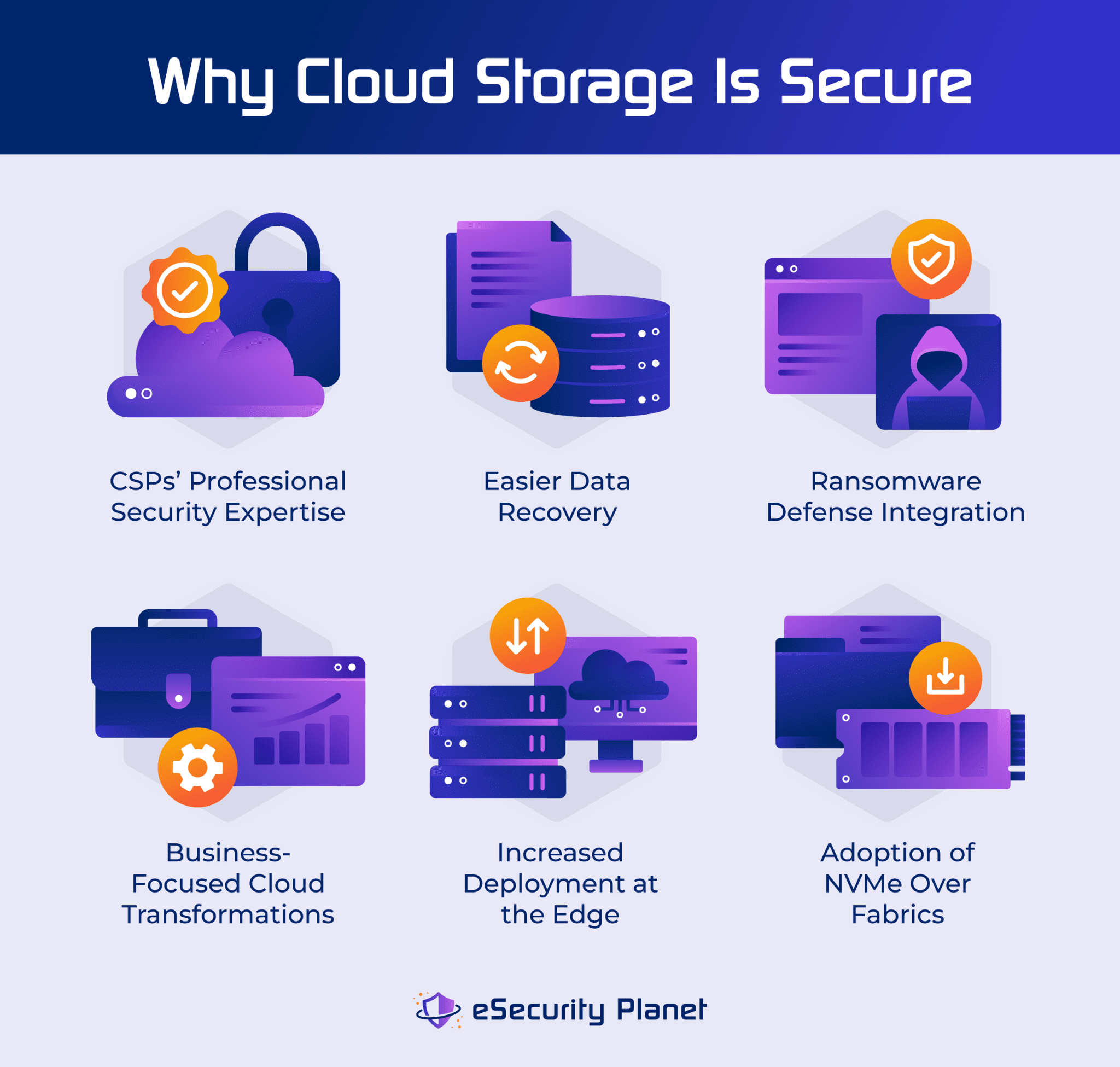
The Importance of Security in Cloud Deduplication
When you grant a website permission to access your cloud storage, you are essentially providing an "API token" or "OAuth access" to your personal data. Security is not merely a feature; it is the fundamental prerequisite. A secure service must use industry-standard OAuth 2.0 protocols, which allow the tool to interact with your cloud provider without ever seeing or storing your actual login credentials.
Because these services process file metadata—such as file size, creation dates, MD5 checksums, or SHA-256 hashes—they must operate within an encrypted environment. When you look for a tool to check for duplicates, ensure it maintains a "zero-knowledge" or "client-side processing" architecture. This means the deduplication logic happens either locally in your browser or within an isolated, encrypted server session that does not retain your file content after the session expires.
Prerequisites for Cloud Deduplication
Before initiating a scan, you must meet several technical and administrative prerequisites to ensure the process remains secure and efficient:
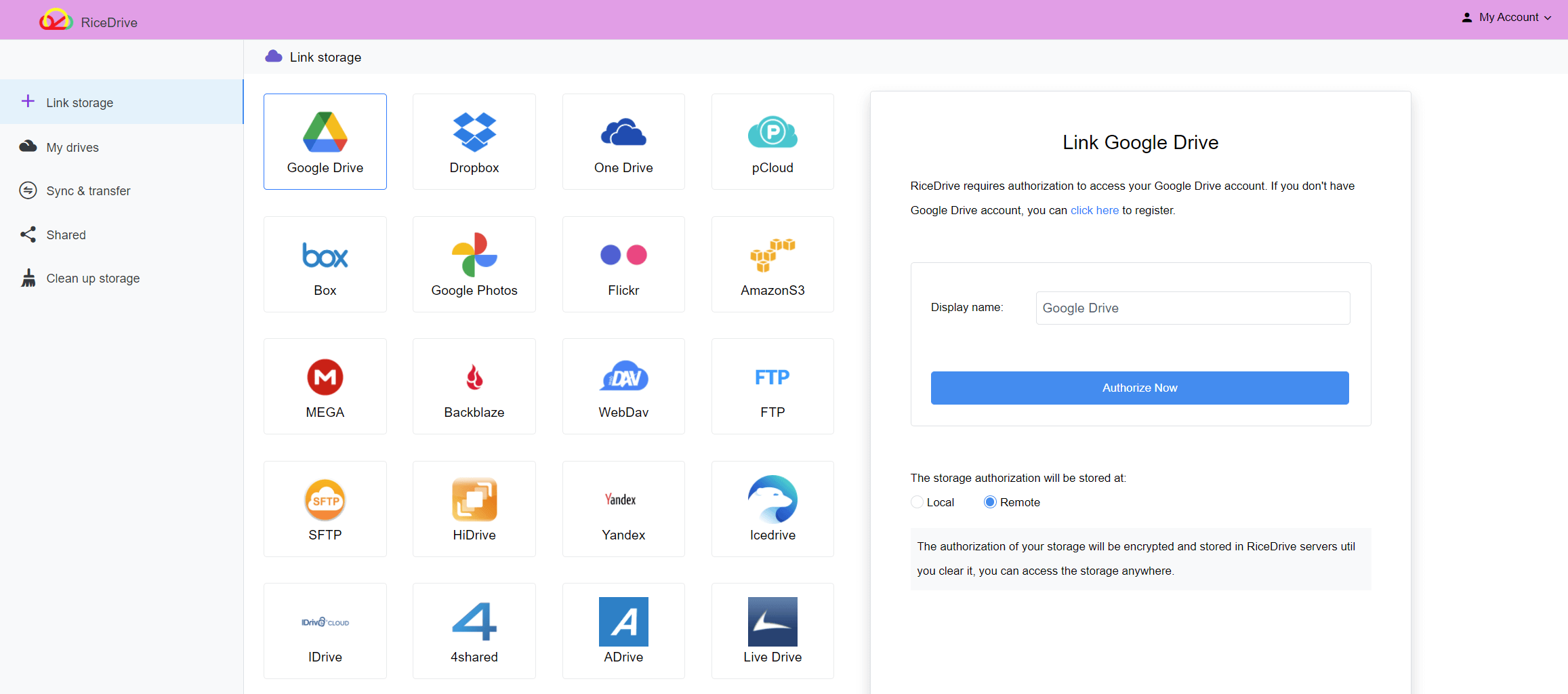
- Active Cloud Integration: You must have authorized accounts with major providers (Google Drive, OneDrive, Dropbox, or Box).
- Permission Management: You should be prepared to review the scopes requested by the web service. A secure service will ask for "Read-only" or "Read and Write" access to specific folders rather than full account control.
- Stable Network Connection: Since the scanning process relies on API calls to cloud servers, a stable connection is vital. If the connection drops during a massive metadata fetch, the scan may need to restart.
- Account API Limits: Cloud providers impose rate limits on API requests. If you have millions of files, a web-based scanner may take longer than a desktop application due to the constraints placed on third-party cloud apps.
How the Scanning Process Works
A secure cloud duplicate checker follows a systematic workflow to identify redundancies without compromising file integrity.
1. Authorization and Scoping
The website redirects you to the official authentication page of your cloud provider. You log in directly with the provider, and they issue an access token to the website. This token grants temporary permission for the service to traverse your file tree and read file metadata.
2. Metadata Extraction
The tool performs a recursive scan of your directory structure. It collects metadata attributes for every file, including:
- File Name and Extension
- File Size (in bytes)
- Creation and Modification Timestamps
- Checksums (hashes): This is the most critical factor. By comparing the digital "fingerprint" (hash) of files, the system can identify duplicates even if they have been renamed.
3. Duplicate Identification
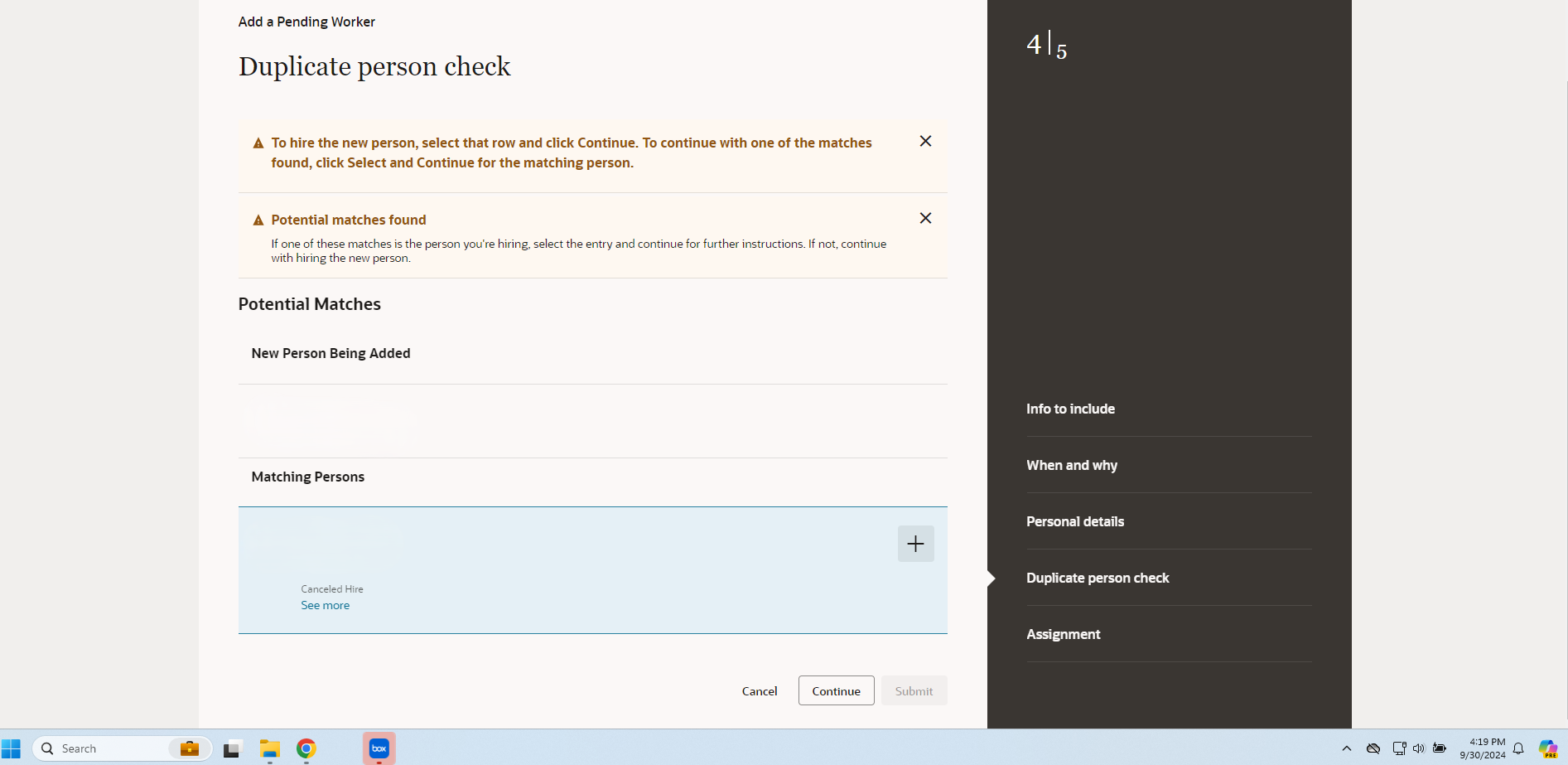
Once the metadata is aggregated, the service runs a comparison algorithm to identify sets of identical files. These are categorized by the service as "exact duplicates" (identical hash) or "potential duplicates" (same name and size but different timestamps).
Comparative Analysis of Cloud Management Approaches
| Feature | Browser-Based Web Tool | Desktop Synchronization Client | Manual Management |
|---|---|---|---|
| Privacy | High (if OAuth used) | Variable | Maximum |
| Performance | API-dependent | Local-disk cached | Very slow |
| Storage Impact | Minimal | Requires space for sync | None |
| Risk Level | Low (if service is vetted) | Medium (security of app) | Low |
Identifying Secure Service Indicators
To verify if a "website to cloud check duplicates" is secure, look for these specific indicators:
- Official OAuth Certification: The service should be verified by the cloud provider (e.g., "Verified by Google"). This means the provider has reviewed the app's security policies.
- Transparent Data Policies: The website must have a clear privacy policy stating it does not store your files on its servers and that it deletes access tokens upon user logout.
- HTTPS/TLS Compliance: Ensure the website URL begins with
https://and possesses a valid SSL certificate. - Open Source Code: If the deduplication tool is open-source, you can inspect the code on platforms like GitHub to ensure there are no hidden data-harvesting modules.
Managing Results and Safe Deletion
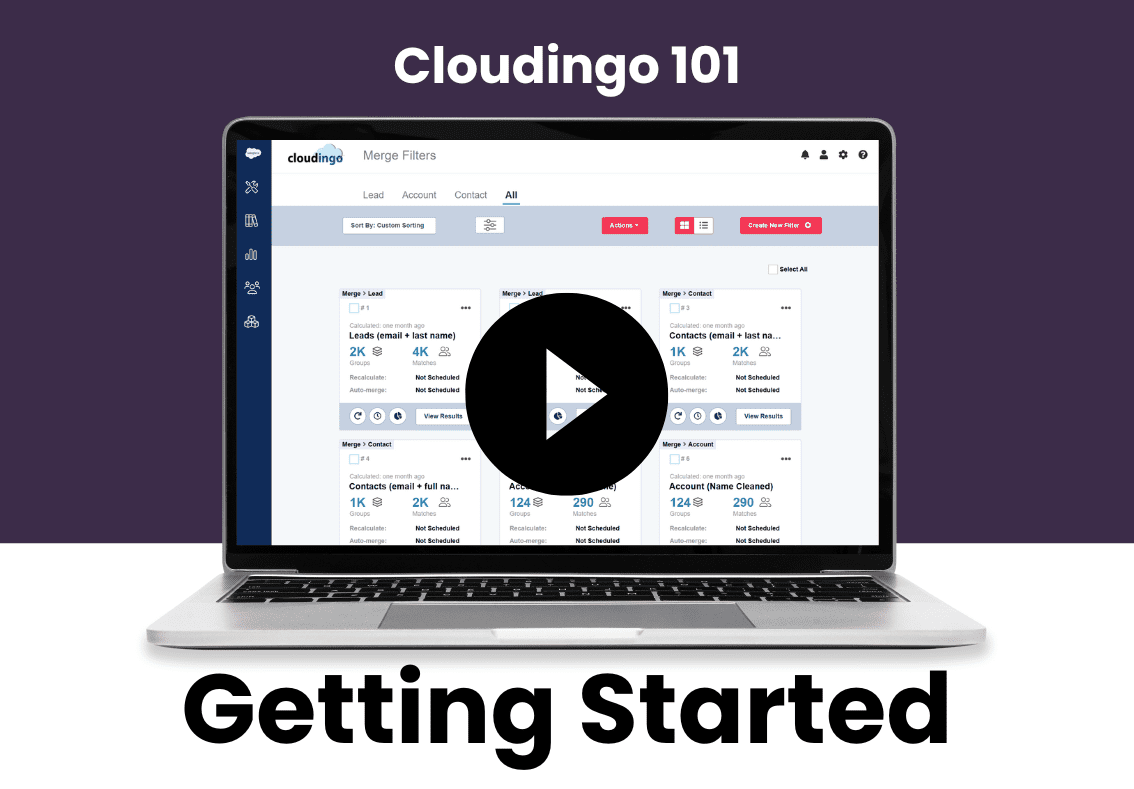
After the scan concludes, the website will present a dashboard listing the duplicates found. This is where manual oversight becomes mandatory. Never use an "Auto-Delete" function without first reviewing the selection.
- Verify Locations: Often, duplicates exist in different "versions" folders (e.g.,
Desktop/ProjectvsBackups/Project). Ensure you are not deleting a file that a specific application requires for version control. - Metadata Comparison: Look for the "original" file based on the earliest creation date. Keep that one and mark others for removal.
- Trash Folder Utilization: The best services move files to the cloud's "Trash" or "Bin" rather than performing a permanent deletion. This gives you a 30-day grace period to restore files if you realize a mistake was made.
Troubleshooting Common Issues
Even with high-quality services, users encounter issues during the cloud check process:
- Permission Denied Errors: This usually occurs if you have restricted access to specific folders or if the OAuth token has expired. Re-authenticating your account typically resolves this.
- Incomplete Scans: Large accounts often exceed the execution time limit of web browsers. If a scan stops mid-way, look for "Resume" functionality or the ability to scan sub-folders individually.
- False Positives: Sometimes, different files share the same name and size but contain different data. Always check the hash (if available) before proceeding with deletion.
Frequently Asked Questions
Does a web-based duplicate checker download my files? No, a secure service only retrieves metadata (filenames, sizes, and hashes) through API calls. The content of your files remains on the cloud provider's servers, which protects your privacy and saves your local bandwidth.
Can I use a free website to check my cloud for duplicates? Many services offer "freemium" models where scanning is free, but large-scale deletions or advanced filtering require a paid subscription. Ensure you research the provider’s business model; free services that do not charge for access may sometimes monetize user metadata.
What happens if I lose internet access during the check? If the connection is interrupted, the process generally pauses. Most modern web-based tools will save your progress locally in your browser cache, allowing you to resume the scan once the connection is restored without starting from scratch.
How do I revoke access if I no longer want the tool to access my cloud? You do not need to rely on the website's interface to revoke access. Go directly to your cloud provider’s security settings (e.g., Google Account "Third-party apps with account access") and remove the specific application from the list. This immediately kills the API token.
Are these tools safe for professional or business cloud accounts? While convenient, always check your organization's IT policy. Many corporate cloud environments prohibit the use of third-party SaaS tools to access internal storage for data leakage protection (DLP) reasons.
Practical Recommendation
For most users, the most secure and efficient path is to utilize a reputable, well-documented tool that employs official OAuth 2.0 authentication. Start by selecting one of your cloud accounts and performing a "read-only" scan of a single, non-critical sub-folder. This allows you to evaluate the tool's interface and accuracy without exposing your entire file system. Always favor services that allow you to move files to the "Trash" rather than executing permanent deletes, as this provides a essential layer of safety against accidental data loss.