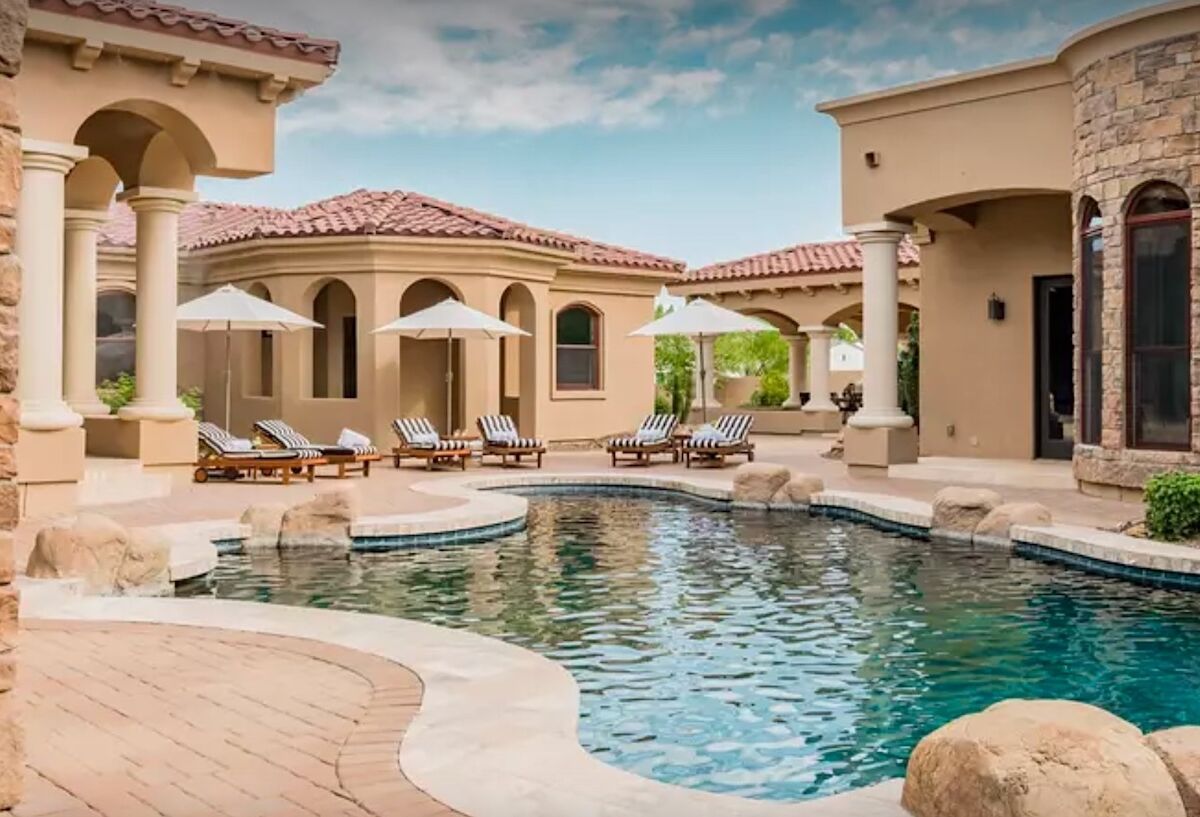
Achieving a million-dollar dream home in 2026 requires balancing luxury aspirations with shifting market realities. While a seven-figure budget remains a significant milestone, success depends on strategic location selection, smart architectural planning, and a deep understanding of modern construction costs to ensure your investment delivers both lifestyle quality and long-term financial appreciation.
Defining the Million Dollar Dream Home in 2026
In the current real estate landscape of 2026, the "million-dollar" price point occupies a unique psychological and financial space. A decade ago, a million dollars guaranteed an estate-sized property in most American suburbs. Today, that same budget represents a high-end entry point in many metropolitan areas and a mid-tier luxury experience in secondary markets. Defining your dream home starts with reconciling your must-have features with the purchasing power of your specific region.
For most homeowners, the dream involves more than just square footage. It encompasses the quality of life, architectural integrity, and the integration of modern conveniences. In 2026, luxury is increasingly defined by "wellness-centric" design and technological seamlessness rather than just gold-plated fixtures. High ceilings, expansive natural light, and a fluid indoor-outdoor connection have become the baseline requirements for a home at this valuation.
Understanding the difference between market value and intrinsic value is crucial. A home might cost a million dollars because of its proximity to a tech hub or a coastline, or it might cost a million dollars because of the artisanal craftsmanship and premium materials used in its construction. Discerning which of these factors matters most to you will dictate whether you should buy an existing property or embark on a custom build.
Location Strategy: Where a Million Dollars Goes Furthest
The geography of your investment is the single greatest determinant of what your million-dollar dream home will actually look like. As of 2026, the "great migration" to secondary cities and suburban tech corridors has stabilized, creating distinct tiers of purchasing power.
Tier 1 Metropolitan Areas
In cities like San Francisco, New York, or Seattle, a million dollars typically secures a luxury condominium or a modest, well-maintained historical home in a desirable neighborhood. In these markets, the "dream" often focuses on access and amenities rather than acreage. You are paying for the walkability, the view, and the prestige of the zip code.
Tier 2 Growth Hubs
In rising cities such as Austin, Charlotte, or Salt Lake City, a million-dollar budget still provides a significant "wow factor." Here, you can expect a 3,000 to 4,000-square-foot modern home with high-end finishes, a three-car garage, and perhaps a small pool. These markets offer the best balance of luxury features and long-term equity growth.
Suburban and Rural Estates
For those willing to commute or work remotely, a million dollars in 2026 can still purchase a genuine estate. This might include five or more acres of land, a custom-built home exceeding 5,000 square feet, and specialized outbuildings like a guest house or a professional-grade workshop. In these areas, the dream is defined by privacy and scale.
The Financial Architecture of a Million-Dollar Purchase
Navigating the financial requirements of a million-dollar home in 2026 involves more than just a standard mortgage application. Because many of these loans fall into the jumbo mortgage category—exceeding the conforming loan limits set by the Federal Housing Finance Agency (FHFA)—lenders apply stricter scrutiny.
Down Payment Requirements
While 3.5% or 5% down payments exist for lower-priced homes, million-dollar properties usually require a minimum of 20%. For a $1,000,000 home, this means having $200,000 in liquid cash ready for the closing table. Some specialized lenders in 2026 offer 10% or 15% down options for high-earning professionals, but these often come with higher interest rates or required private mortgage insurance (PMI).
Closing Costs and Reserve Funds
Buyers often overlook the significant "soft costs" of a high-value transaction. Closing costs, including title insurance, transfer taxes, and attorney fees, can range from 2% to 5% of the purchase price. Additionally, most jumbo lenders require cash reserves—often 6 to 12 months of mortgage payments held in a liquid account—to prove you can handle financial shocks.
The True Cost of Ownership
A million-dollar home carries million-dollar maintenance. Property taxes in many states are calculated as a percentage of the assessed value; at a 1.2% rate, you are looking at $12,000 annually. Homeowners insurance for luxury properties, especially those with custom features or located in climate-sensitive areas, has seen significant premium increases leading into 2026. Experts recommend budgeting 1% of the home's value annually for routine maintenance and repairs.
Architectural and Design Priorities for 2026
The "dream" aspect of a home is often found in its architectural details. In 2026, certain design trends have transitioned from experimental to essential for high-end properties.
Biophilic Design and Wellness
Modern luxury focuses on the health of the occupants. This includes HEPA-grade air filtration systems, circadian lighting that mimics natural sunlight patterns, and dedicated "wellness rooms" for meditation or home fitness. Large-scale glass walls that disappear into pockets (multi-slide doors) are a hallmark of the 2026 dream home, blurring the line between the interior and the landscape.
Multi-Generational and Flexible Spaces
The concept of the "guest room" has evolved. Million-dollar homes now prioritize Accessory Dwelling Units (ADUs) or "casitas" that can serve as a private office, a suite for aging parents, or a high-end rental unit. Inside the main house, flexible floor plans allow for rooms to transition from a nursery to a hobby room to a library over the decades of ownership.
Kitchens as Command Centers
The kitchen remains the heart of the home, but in 2026, it is divided into "show" and "prep" areas. A "dirty kitchen" or scullery allows the main island—often a massive slab of porcelain or natural quartzite—to remain a clean social space while the actual cooking and cleaning happen behind a decorative door. Smart appliances are now standard, featuring AI-integrated inventory management and precision induction cooking.
Construction vs. Acquisition: Making the Choice
A major decision for any dream home seeker is whether to buy an existing property or build from scratch. Each path has distinct implications for your million-dollar budget.
| Factor | Buying Existing (Turn-Key) | Custom Build (New Construction) |
|---|---|---|
| Timeline | 30–60 days for closing. | 12–24 months for design/permits/build. |
| Customization | Limited to cosmetic renovations. | Total control over layout and finishes. |
| Location | Can buy into established, prime neighborhoods. | Often limited to outlying lots or teardowns. |
| Initial Cost | Fixed price; easier to finance. | Variable costs; "cost-plus" contracts common. |
| Energy Efficiency | May require expensive retrofitting. | Built to 2026 "Net Zero" standards. |
| Hidden Risks | Aging infrastructure, mold, or structural issues. | Supply chain delays and labor shortages. |
The Reality of Building in 2026
If you choose to build, your million dollars must be stretched across land acquisition, architectural fees (typically 10–15% of build cost), and actual construction. In many desirable areas, a suitable lot can cost $200,000 to $400,000, leaving $600,000 to $800,000 for the structure. With high-end construction costs averaging $250 to $400 per square foot in 2026, a custom build might result in a smaller but higher-quality home than an existing purchase.
Essential Technology and Sustainability Features
A million-dollar home in 2026 is incomplete without a robust technological backbone. This is no longer just about smart light bulbs; it is about integrated home automation.
- Smart Energy Management: Most dream homes now incorporate solar arrays paired with battery storage systems (like the Tesla Powerwall or similar). These systems use AI to manage loads, selling power back to the grid during peak times and ensuring the home remains functional during outages.
- Matter and Thread Protocols: By 2026, the "smart home wars" have largely ended thanks to universal protocols. A luxury home features a unified ecosystem where security, HVAC, lighting, and entertainment all communicate through a single, secure interface.
- Security and Privacy: Beyond cameras, high-end homes utilize biometric entry (facial or palm recognition) and "digital twin" monitoring, which allows homeowners to see a 3D digital representation of their home's status from anywhere in the world.
- Sustainable Materials: The use of mass timber, recycled steel, and carbon-sequestering concrete is a status symbol in 2026. These materials are not only better for the environment but often provide superior fire resistance and structural longevity.
Navigating the 2026 Real Estate Market
The market dynamics of 2026 require a proactive approach. Inventory for high-end homes remains tight in many regions, leading to "pocket listings" or off-market sales that never hit public sites like Zillow or Redfin.
Finding the Right Team
Your "dream team" should include a specialized luxury real estate agent, a mortgage broker with jumbo loan experience, and—if building—a reputable custom home builder. Verify your builder's status through the National Association of Home Builders (NAHB) and check for any past litigation or unresolved complaints.
Inspection and Due Diligence
For a million-dollar investment, a standard home inspection is insufficient. You should consider specialized inspections for:
- Sewer Scope: To check the integrity of underground pipes.
- Structural Engineering: Particularly for homes on hillsides or in seismic zones.
- Smart Home Audit: To ensure the proprietary tech systems are transferable and functional.
- Environmental Hazards: Including radon, lead, and newer concerns like "forever chemicals" (PFAS) in local water supplies.
Common Pitfalls in the Million Dollar Bracket
Even with a substantial budget, it is easy to make mistakes that erode your equity or diminish your enjoyment of the home.
- Over-Customization: While a "dream home" should reflect your personality, unique features like an indoor shooting range or a highly specific themed theater can make the home difficult to sell later. Always consider the resale appeal of your modifications.
- Underestimating Soft Costs: Permits, impact fees, and utility hookups can easily add $50,000 to $100,000 to a project, especially in highly regulated states like California or New York.
- Ignoring the Neighborhood Ceiling: Buying the most expensive house on the block is a classic real estate mistake. Your appreciation will be capped by the value of the surrounding homes. Aim to own a high-quality home in a neighborhood where several other properties are valued at $1.5M or higher.
FAQ
What is the average square footage of a $1 million home in 2026?
The square footage varies wildly by region. In the Midwest or Southeast, you can expect 4,000 to 5,500 square feet. In coastal California or Manhattan, you might be looking at 800 to 1,200 square feet for a luxury condo, or 1,800 to 2,200 square feet for a suburban fixer-upper.
Is $1 million enough for a "luxury" home in 2026?
In 2026, $1 million is often considered the "entry-level luxury" tier. It provides access to premium materials and better neighborhoods but may not include the expansive acreage or ultra-bespoke features found in the $3M+ "ultra-luxury" category.
Should I prioritize a larger lot or a better-finished house?
From an investment standpoint, the land (location) usually appreciates more than the structure. However, for a "dream home," most people find more daily value in high-quality interior finishes. A common strategy is to buy the best location you can afford and plan for phased interior upgrades.
How do interest rates in 2026 affect a $1 million home purchase?
By 2026, interest rates have stabilized after the volatility of the early 2020s. However, even a 1% difference on a $800,000 loan (assuming 20% down) can mean hundreds of dollars in monthly payments. Always get pre-approved for a jumbo loan early to lock in the best possible rate.
Are smart home features worth the investment for resale?
Yes, provided they use open-source protocols like Matter. Proprietary systems that require specialized technicians to repair can actually be a deterrent to future buyers. Focus on energy efficiency and security tech, as these offer the highest perceived value.
Final Recommendation
To turn a million dollars into a true dream home in 2026, prioritize quality over quantity. In an era of high construction costs and evolving lifestyles, a smaller, perfectly executed home with sustainable technology and a flexible floor plan will provide more long-term satisfaction than a massive "McMansion" built with inferior materials. Start by securing a location with strong historical appreciation, then assemble a team of experts who specialize in the 2026 luxury market to guide your design and financial decisions.