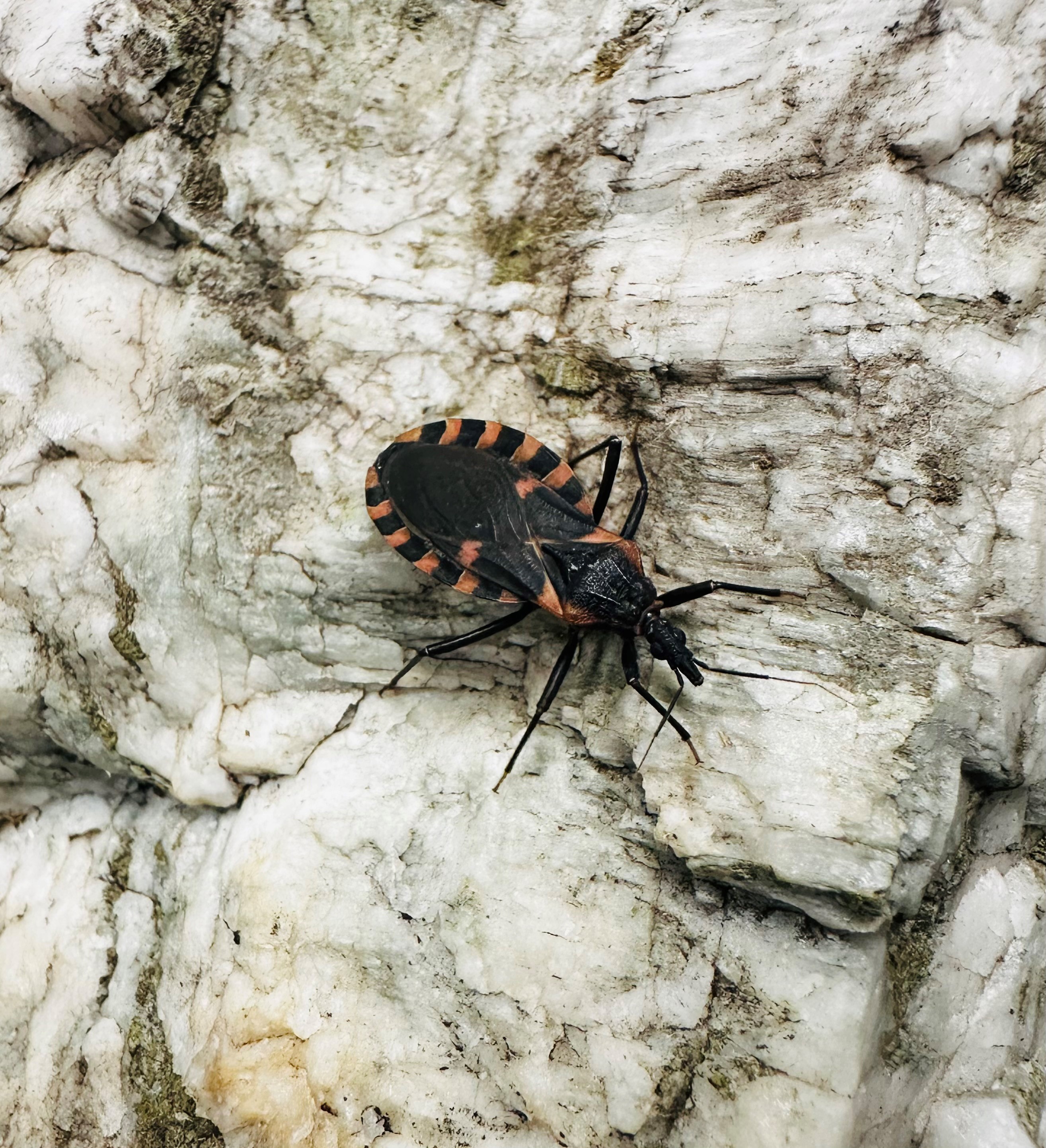
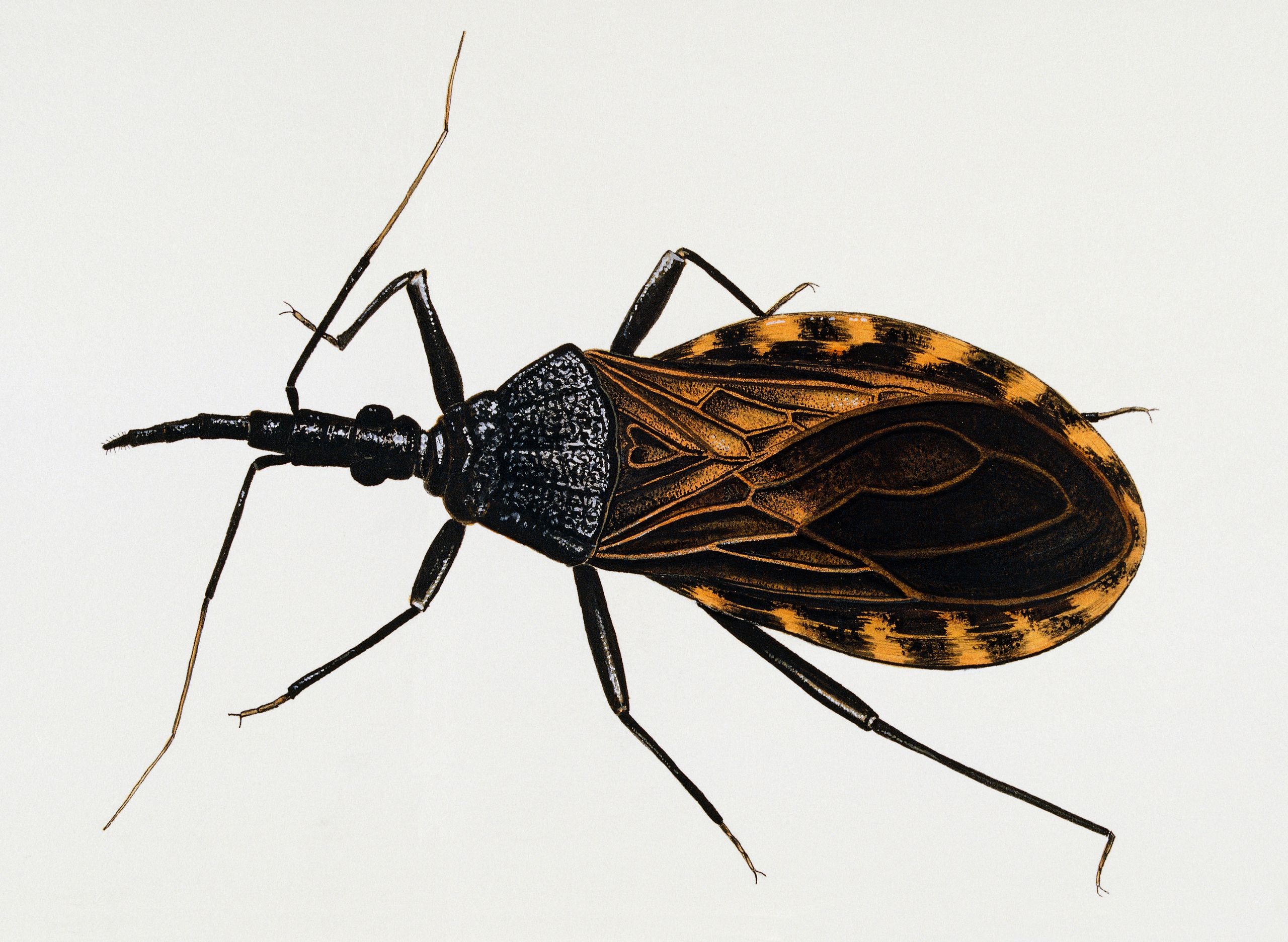
Kissing bugs are not considered established in Rhode Island, nor are they a common sight in New England. While the broader group of insects to which they belong—the assassin bugs—is present in the region, the specific species capable of transmitting Chagas disease are primarily found in the southern United States, Mexico, and Central and South America. Residents of Rhode Island are generally at no risk of encountering these specific insects in their homes.
Understanding the Kissing Bug (Triatominae)
To address concerns regarding their presence, it is essential to first identify what a "kissing bug" actually is. The term refers to insects within the subfamily Triatominae, part of the larger Reduviidae family, commonly known as assassin bugs. There are over 150 species of Triatominae globally, but only a handful are considered significant vectors for Trypanosoma cruzi, the parasite that causes Chagas disease.
These insects are named "kissing bugs" due to their tendency to bite humans on the face, typically around the lips or eyes, while the person is sleeping. This behavior is linked to their attraction to carbon dioxide emissions and heat. However, not all insects that look like kissing bugs are vectors for disease, nor are all species associated with the transmission of T. cruzi.
Geographic Distribution and Habitat
The geographic range of kissing bugs is dictated by temperature and humidity. They are warm-weather insects. In the United States, they are primarily established in the "southern tier," including states like Texas, Arizona, New Mexico, Louisiana, and Florida. They thrive in outdoor environments, such as woodpiles, under rocks, or in animal burrows, and may occasionally enter structures if they find suitable harborage.
Rhode Island and the wider New England region possess a temperate climate characterized by cold, often harsh winters. This environment is largely inhospitable to the known species of Triatominae. These insects require consistent warmth to complete their life cycles, and the seasonal frost cycles of the Northeast generally preclude them from establishing permanent populations.
Differentiating Kissing Bugs from Local "Assassin Bugs"
One of the primary reasons for confusion regarding the presence of kissing bugs in Rhode Island is the existence of native look-alikes. New England is home to several species of assassin bugs, such as the North American Wheel Bug (Arilus cristatus) and various members of the genus Zelus.
These local insects share a similar body plan with their tropical cousins: they have a segmented proboscis (a tube-like mouthpart used for feeding), a head that extends from the thorax, and a generally elongated body shape. Because they belong to the same family, non-experts often confuse common, harmless local insects with the Triatominae subfamily.
Key Visual Differences
When attempting to identify an insect, entomologists look for specific morphological features. Use the table below to compare the characteristics of common local insects with the traits generally associated with the Triatominae subfamily:
| Feature | Local Assassin Bugs (e.g., Wheel Bug) | Kissing Bugs (Triatominae) |
|---|---|---|
| Primary Diet | Predatory: hunts other insects/pests. | Hematophagous: blood-feeding on vertebrates. |
| Mouthparts | Thick, curved, short, and strong. | Thin, straight, long, and needle-like. |
| Body Shape | Often spiky or rugged; distinct shapes. | Flattened, oval-shaped abdomen. |
| Coloration | Often patterned, metallic, or grey/brown. | Brown to black; often with orange/red stripes. |
| Regional Status | Common and native to Rhode Island. | Not native to or established in RI. |
It is important to note that while common local assassin bugs are not "kissing bugs," they are still predators. If handled roughly, they can deliver a painful bite as a defense mechanism. It is always recommended to avoid touching unknown insects with bare hands.
The Risk of Chagas Disease in the Northeast
The central concern surrounding the kissing bug is its potential to transmit Trypanosoma cruzi, the parasite responsible for Chagas disease. This disease is a major public health challenge in parts of Latin America, where the specific species of triatomine bugs are highly efficient at colonization and transmission.
In the United States, even in states where kissing bugs are present, the transmission of Chagas disease to humans is extremely rare. This is due to several factors, including the construction of modern housing, which limits the bug's ability to live indoors, and the fact that many North American kissing bug species are less prone to defecating during feeding—a key step in how the parasite is transmitted.
For a resident of Rhode Island, the probability of contracting Chagas disease from an insect bite is statistically negligible. There are no indigenous populations of the primary vector species, and the environmental conditions do not support the endemic cycle of the parasite.
What to Do If You Find an Insect That Looks Like a Kissing Bug
Despite the lack of risk, it is natural to want to identify any insect that appears in your living space. If you find an insect in your home in Rhode Island that you suspect might be a kissing bug, follow these steps:
- Do Not Touch the Insect: Even if it is a harmless local assassin bug, it may bite if handled. Use a plastic container, a piece of paper, or a vacuum to safely isolate the insect.
- Photograph the Specimen: Use a macro lens or high-resolution camera setting to capture clear images of the insect from multiple angles, particularly the head and the abdominal pattern.
- Preserve the Specimen: If you are concerned, place the insect in a sealed container or a plastic bag. Putting it in the freezer can safely euthanize the insect without damaging its physical features for identification.
- Contact Local Experts: Rhode Island has access to resources like the University of Rhode Island Cooperative Extension. These professionals can provide expert identification. Many state departments of environmental management maintain databases or diagnostic services for residents concerned about potential pest threats.
Debunking Myths and Misinformation
In the digital age, misinformation about the "spread" of insects often circulates rapidly via social media. Reports of "kissing bugs invading the North" are frequently based on isolated incidents where a single insect may have hitched a ride on a piece of luggage, a vehicle, or a shipment of goods from the southern states.
A single insect does not constitute an "infestation," nor does it signify that the species has established itself in the local ecosystem. For a species to become established, it must be able to survive the winter, find a food source, and successfully reproduce over multiple generations. Rhode Island’s climate acts as a natural barrier to these requirements.
How to Keep Your Home Pest-Free
Whether or not kissing bugs are a threat, maintaining a home free of unwanted insects is a standard part of responsible home maintenance. Most "bugs in the house" situations in New England are caused by spiders, beetles, or common household pests that enter through gaps in the building envelope.
- Seal Entry Points: Check your window screens, door sweeps, and foundation cracks. Using high-quality caulk or weather stripping can prevent insects from finding their way inside.
- Manage Outdoor Lighting: Many insects are attracted to porch lights. Consider switching to yellow-tinted LED bulbs, which are less attractive to many night-flying insects.
- Clear Debris: Keep woodpiles, compost, and leaf litter at least 20 feet away from your home’s foundation. These areas provide harborage for various insects.
- Regular Inspections: Periodically check your basement, attic, and crawl spaces for signs of moisture or insect activity.
By focusing on these general pest management strategies, homeowners can keep their homes comfortable and secure without needing to worry about the unlikely arrival of non-native species.
Frequently Asked Questions
Are kissing bugs attracted to lights in Rhode Island? While some insects are attracted to lights, kissing bugs are not established in Rhode Island. If you see an insect near a porch light in the Northeast, it is likely a different species, such as a local beetle or a native assassin bug, not a kissing bug.
Can I get Chagas disease from a spider bite in Rhode Island? No. Chagas disease is caused by the Trypanosoma cruzi parasite, which is transmitted by specific species of Triatominae bugs. It is not transmitted by spiders, nor is the parasite prevalent in the Rhode Island environment.
What should I do if I think I was bitten by a kissing bug? If you suspect you have been bitten by an insect and are concerned, consult a medical professional. However, be aware that in Rhode Island, the likelihood of such a bite coming from a true kissing bug is near zero. Symptoms of a bite are usually indicative of a reaction to a common local insect.
Do I need to hire a professional exterminator for kissing bugs? If you are seeing an influx of insects in your home, a professional pest control service can identify the pests and provide a management plan. You do not need to specifically treat for kissing bugs, as they are not native to Rhode Island, but general pest control can handle common local species.
Are there any government resources for identifying bugs? Yes. You can contact your local University Cooperative Extension office or your state's Department of Environmental Management. These agencies often have entomology departments that assist residents with identifying unknown or suspected invasive species.
Final Recommendations
Residents of Rhode Island should not be concerned about the presence of kissing bugs. The species of insects that transmit Chagas disease require climates significantly warmer than those found in the Northeast. If you encounter an insect that resembles a kissing bug, it is almost certainly a native assassin bug or another harmless insect that is part of the local ecosystem.
Focus on general pest prevention by sealing cracks and keeping exterior spaces tidy. If you ever have a concern about an insect infestation in your home, rely on the diagnostic services provided by your local university extension office. They are the best source for accurate, science-based information regarding the insect populations currently present in your community.